
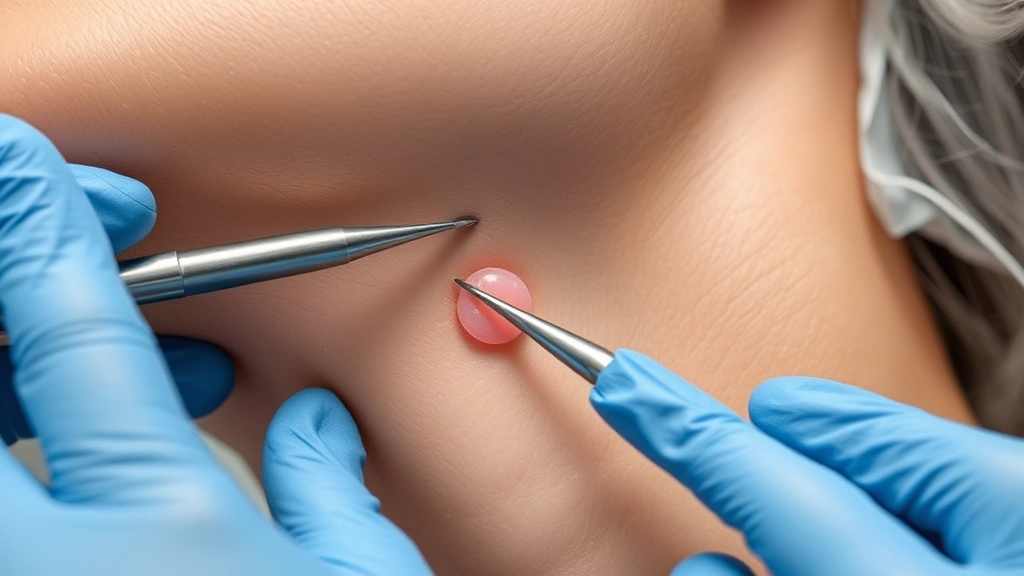
How to Remove Skin Tags Overnight: Safe Methods
How to Remove Skin Tags Overnight: Safe Methods That Actually Work
Skin tags are those small, benign growths that seem to appear out of nowhere, usually in areas where skin rubs against skin or clothing. They’re harmless, but let’s be honest—they’re annoying. Whether they’re tucked under your arms, hanging from your neck, or showing up in other inconvenient spots, the desire to get rid of them quickly is totally understandable. The internet is flooded with overnight removal promises, but separating fact from fiction requires some honest talk about what’s actually possible and what’s safe.
Here’s the reality: true overnight removal of skin tags isn’t always feasible or recommended, but there are legitimate methods that can significantly speed up the process. Some approaches work faster than others, and some carry more risk than their alternatives. This guide walks you through the safest, most effective options available—from professional treatments to at-home remedies—so you can make an informed decision about what’s right for your situation.
The key is understanding that while you might not eliminate a skin tag completely in a single night, certain methods can jumpstart the removal process and have it gone within 24-48 hours. Let’s explore what actually works.
Understanding Skin Tags: What They Are
Skin tags, medically known as acrochordons, are small, soft, benign tumors that hang from the skin. They typically range from 2mm to 5mm in diameter, though some can grow larger. These growths consist of a stalk (the peduncle) and a cap of skin tissue, which is why they often dangle rather than sit flush against your skin.
The exact cause of skin tags isn’t completely understood, but dermatologists agree that friction, genetics, and hormonal changes play significant roles. They’re more common in people with diabetes, obesity, or those experiencing hormonal fluctuations. Unlike other skin conditions such as strawberry legs, which require different treatment approaches, skin tags are purely structural growths that don’t spread or become cancerous.
What makes skin tags frustrating is that they’re completely benign yet aesthetically bothersome. They don’t hurt or cause health problems in most cases, but they can catch on clothing, jewelry, or become irritated through friction. This is why so many people seek removal solutions.
Overnight Removal Methods That Work
When people ask about overnight removal, they’re usually looking for methods that produce noticeable results within 24 hours. Several approaches fall into this category, though realistic expectations matter here.
Ligation Technique (The Most Effective Overnight Approach)
The ligation method involves cutting off the blood supply to the skin tag using a tight ligature—essentially strangling the growth. This is one of the fastest methods available and can produce results within 24-48 hours. The skin tag typically darkens, dies, and falls off within a few days.
To perform ligation safely at home, you’ll need medical-grade floss or a specialized skin tag removal band. The process involves tying the ligature as tightly as possible around the base of the stalk. Without blood flow, the tissue dies and separates. Many people report that the tag falls off completely within 3-7 days, though some remain attached longer.
The advantage of ligation is that it’s relatively simple and produces consistent results. The disadvantage is that it requires precision to avoid infection and tissue damage. Proper skin preparation, similar to preparing skin for any procedure, is essential before attempting this method.
Cryotherapy Products (Over-the-Counter Freezing)
Over-the-counter cryotherapy kits use liquid nitrogen or similar freezing agents to destroy the skin tag tissue. These products work by creating ice crystals within the cells, causing them to rupture and die. Results typically appear within 24-48 hours, with the tag turning black and eventually falling off.
Popular brands like Wartrol and Dr. Scholl’s offer these solutions. The application process is straightforward: apply the product directly to the skin tag according to package directions, usually once or twice daily. The frozen tag gradually darkens and separates from surrounding skin.
The benefit of cryotherapy is that it’s relatively painless and low-risk when used correctly. The downside is that results aren’t guaranteed on the first application, and multiple treatments might be necessary. Success rates vary depending on the tag’s size and location.
Apple Cider Vinegar Soaking Method
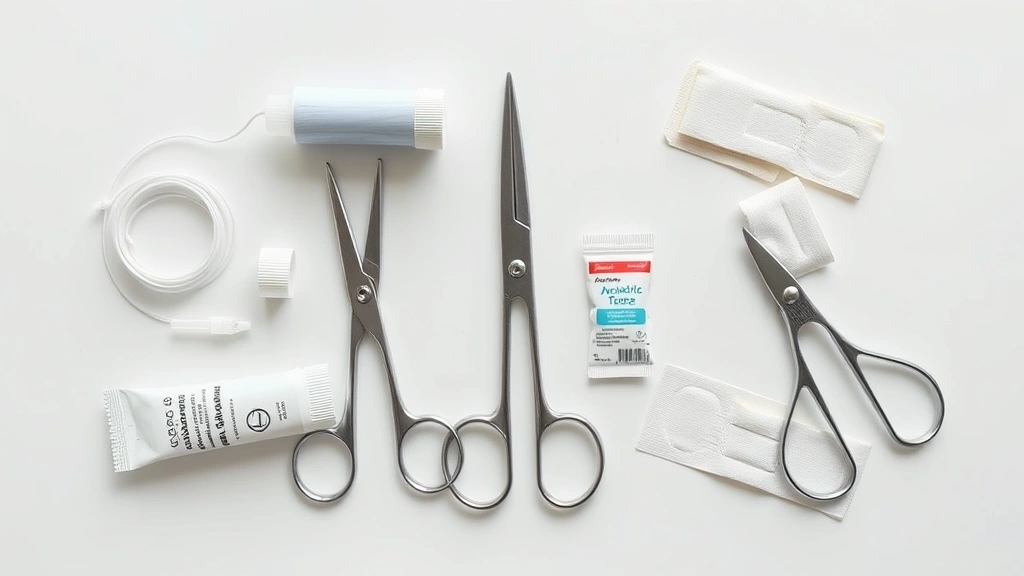
This traditional remedy involves soaking a cotton ball in apple cider vinegar and securing it directly to the skin tag with a bandage, ideally overnight. The acidic nature of the vinegar gradually breaks down the tissue. While results aren’t as dramatic as ligation or cryotherapy, many people report the tag falling off within 5-7 days with consistent application.
The advantage here is accessibility and cost—apple cider vinegar is inexpensive and readily available. However, the timeline is longer than other methods, and it requires consistent daily application. Some people experience skin irritation from the vinegar, particularly on sensitive areas.
Professional Removal Options
For truly overnight or next-day results, professional dermatological treatment is your best bet. These methods are faster, more reliable, and performed by trained professionals.
In-Office Cauterization
Dermatologists can remove skin tags using electrocautery, which uses electrical current to burn away the tissue. This is done under local anesthesia and takes just minutes. The tag is completely removed in a single visit, and healing occurs within days.
The advantage is immediate, complete removal with professional oversight. The disadvantage is cost—professional dermatology visits typically range from $150-$400 depending on location and number of tags being removed.
Surgical Excision
For larger skin tags, a dermatologist might use a scalpel to surgically remove the growth. This is quick, precise, and produces immediate results. Like cauterization, it’s done under local anesthesia.
Laser Removal
Some dermatologists use laser technology to vaporize skin tag tissue. This is precise, relatively painless, and produces excellent cosmetic results. It’s typically more expensive than other professional options but worth considering for visible areas.
At-Home Remedies and Their Effectiveness
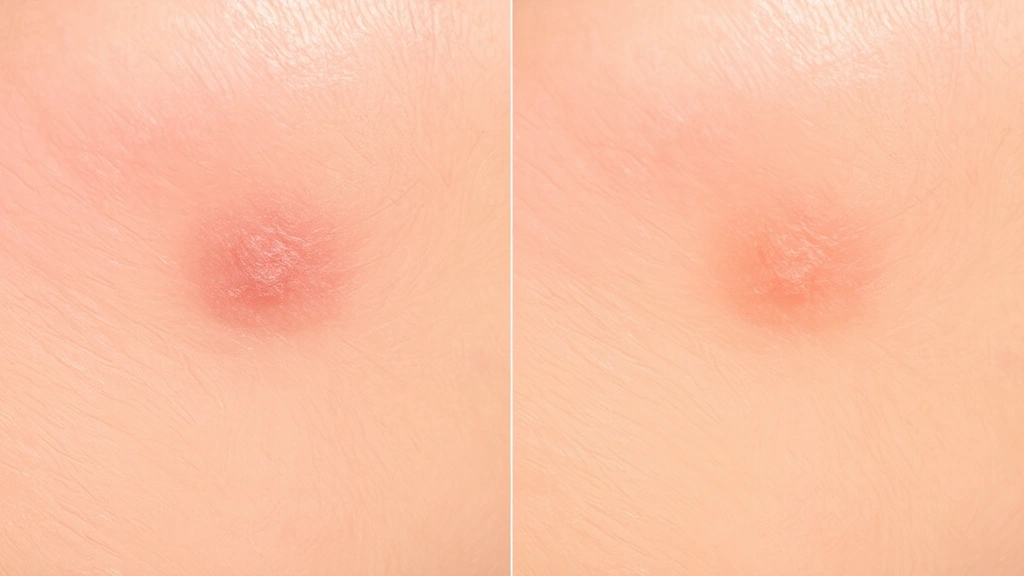
Beyond the methods already mentioned, several other home remedies circulate online. Here’s what the evidence shows:
Tea Tree Oil: Some people apply tea tree oil directly to skin tags, believing its antimicrobial properties help remove them. The evidence is anecdotal, and results are inconsistent. Tea tree oil can irritate sensitive skin and shouldn’t be used on broken skin.
Garlic Paste: The theory is that garlic’s sulfur compounds break down skin tag tissue. Again, evidence is primarily anecdotal, and garlic can cause skin irritation and burns if left on too long.
Banana Peel: Some claim the enzymes in banana peel dissolve skin tags. This is largely unproven and requires extended contact over many days.
Nail Polish: Applying nail polish over a skin tag to suffocate it is occasionally recommended but isn’t medically endorsed. It’s messy and ineffective compared to proven methods.
The common thread with these remedies? Most lack scientific backing and require extended treatment periods. They might work for some people through placebo effect or individual skin chemistry, but they’re not reliable overnight solutions.
Safety Considerations and When to Avoid DIY
Before attempting any at-home removal, consider these safety factors:
- Infection Risk: Any method that breaks the skin carries infection risk. Keep the area clean, use sterile tools, and watch for signs of infection like increasing redness, warmth, or discharge.
- Scarring: Aggressive removal methods can cause scarring, especially on visible areas. Professional removal minimizes this risk.
- Misidentification: Sometimes what looks like a skin tag is actually something else—a mole, wart, or other growth. Dermatologists can confirm the diagnosis before treatment.
- Location Matters: Skin tags near eyes, genitals, or other sensitive areas are better handled professionally. The risk of complications increases in these locations.
- Bleeding and Pain: If your removal attempt causes significant bleeding or pain, stop immediately and seek professional help.
Avoid DIY removal if you have diabetes, poor wound healing ability, or a weakened immune system. These conditions increase infection risk and complicate healing. Additionally, if you’re unsure whether something is actually a skin tag, see a dermatologist first rather than attempting removal.
Proper Aftercare for Faster Healing
Regardless of which removal method you choose, proper aftercare speeds healing and prevents complications.
Keep It Clean: Wash the area gently with soap and water twice daily. Pat dry with a clean towel rather than rubbing.
Apply Antibiotic Ointment: Use over-the-counter antibiotic ointment like Neosporin to prevent infection. Apply a thin layer after cleaning.
Protect from Friction: Cover the area with a bandage if it’s in a location prone to rubbing against clothing. This prevents irritation and infection.
Avoid Picking: As tempting as it is, don’t pick at the area or try to speed up the process by pulling away tissue. Let the healing happen naturally.
Watch for Complications: Monitor for increased redness, swelling, warmth, or discharge. These signs indicate infection requiring medical attention.
Sun Protection: If the area will be exposed to sun, apply sunscreen or cover it. UV exposure can darken the healing area and affect appearance.
The healing timeline varies by method. Ligation typically results in complete removal within 7-10 days. Cryotherapy might take 2-3 weeks. Professional removal heals within days to a week depending on the method used.
Frequently Asked Questions
Can you really remove a skin tag in one night?
Complete removal in a single night is unlikely with most methods, but ligation and professional treatments can produce dramatic results within 24 hours. The tag may not be completely gone, but it will be noticeably darkened and on its way out. For true overnight complete removal, professional procedures like cauterization are your only reliable option.
Is it safe to tie off a skin tag myself?
Ligation can be safe if done correctly with sterile materials and proper technique. However, there’s risk of infection, incomplete removal, or tissue damage if done incorrectly. If you’re uncomfortable with the procedure, professional removal is safer.
Will the skin tag grow back?
Once a skin tag is completely removed, it won’t grow back in that exact location. However, you may develop new skin tags elsewhere if you’re genetically predisposed to them. Preventing friction and maintaining a healthy weight can help reduce new tag formation.
What’s the difference between a skin tag and a wart?
Skin tags are smooth, benign growths that hang from the skin. Warts are caused by human papillomavirus (HPV) and have a bumpy, rough surface. They require different treatment approaches. If you’re unsure which you have, consult a dermatologist.
Can you remove multiple skin tags at once?
Yes, but it depends on the method. Professional removal can handle multiple tags in one visit. At-home methods work on one tag at a time. If you have many tags, professional treatment is more efficient.
Is there a way to prevent skin tags?
While you can’t completely prevent skin tags if you’re genetically prone to them, you can reduce their likelihood by minimizing friction, maintaining a healthy weight, and managing diabetes if you have it. Keeping skin dry in areas prone to sweating also helps.
How do overnight removal methods compare to waiting and watching?
Some skin tags fall off on their own eventually, but this can take months or years. If you want faster results, active removal methods are necessary. The timeline for results varies significantly between methods.
Should I see a dermatologist before attempting removal?
It’s not absolutely necessary for obvious skin tags, but it’s wise if you’re unsure about the diagnosis. Dermatologists can confirm it’s a skin tag and rule out other conditions. They can also recommend the best removal method for your specific situation and skin type.
What’s the most effective overnight method?
Ligation is generally the most effective overnight or next-day method for at-home removal, with professional cauterization being the most reliable option overall. Both can show significant results within 24 hours, though complete removal typically takes several days.
Are there any side effects from skin tag removal?
Minor side effects like temporary redness, slight swelling, or mild discomfort are normal. Serious complications like infection, excessive bleeding, or scarring are rare when proper techniques are followed. Professional removal minimizes these risks.

Related Posts

How Long to Boil Lobster Tails: Cooking Guide

How Long to Fly from New York to London? Travel Times
