
How to Remove Security Tag: Expert Tips
How to Remove Security Tags: Expert Tips and Techniques
Security tags are the retail industry’s way of keeping merchandise safe, but they’re frustratingly effective at making you feel like a shoplifter when you’re simply trying to wear your new purchase. Whether you’ve purchased an item with a forgotten tag, received clothing as a gift still sporting its anti-theft device, or found yourself with a stubborn tag that won’t cooperate with standard removal, you’re in the right place. We’re going to walk you through legitimate, damage-free methods to reclaim your clothing and accessories from the grip of these plastic sentinels.
The good news? Most security tags can be removed without professional help, specialized equipment, or a trip back to the store. The better news? You probably already have the tools you need somewhere around your home. Let’s demystify the process and get you looking polished instead of perpetually new-with-tags.
Understanding Different Types of Security Tags
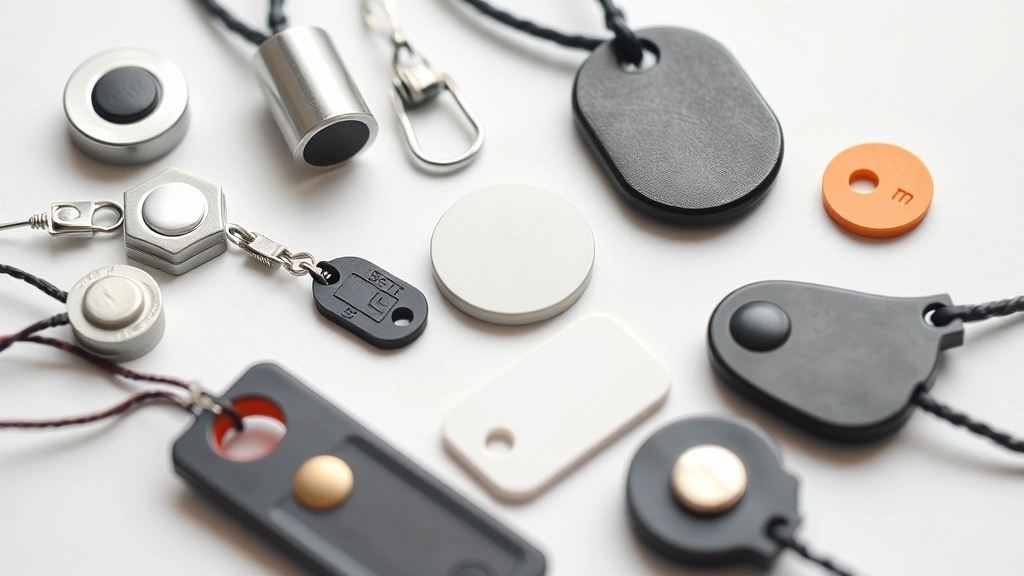
Before you start yanking and prying, it’s crucial to identify which type of security tag you’re dealing with. Not all tags are created equal, and your removal strategy depends entirely on what you’re facing. The retail world uses several standard security tag designs, each with its own vulnerabilities and removal requirements.
Magnetic detachable tags are the most common in clothing retail. These cylindrical or rectangular devices contain a magnetic locking mechanism that releases when exposed to a specialized magnetic detacher. They’re designed for quick checkout and reuse, making them the friendliest option for DIY removal.
Hard plastic clam-shell tags are those stubborn little boxes that seem welded to your garment. They’re typically filled with ink that will permanently stain your clothing if the tag breaks open during removal—which is exactly their purpose. These require finesse and patience.
Ink cartridge tags are the security industry’s nuclear option. One wrong move releases permanent ink across your beautiful new purchase. These are less common on modern retail items but still appear on higher-end clothing and accessories.
Gator tags (or cable tags) are those plastic strips with locking mechanisms that tighten rather than release. They’re often found on accessories, bags, and lower-priced items. These require a different approach than magnetic tags.
Using a Magnetic Detacher
If you’re dealing with a magnetic security tag, you’re in luck. This is the easiest removal scenario, and you have several options depending on what tools you have available.
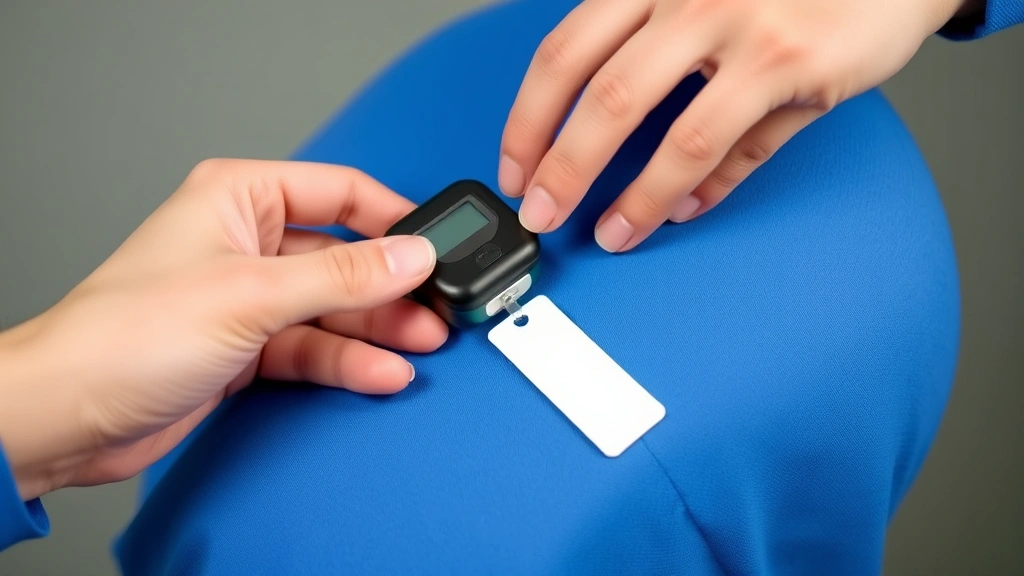
The professional approach: A magnetic detacher (also called a security tag remover) is a small device that costs between $15 and $50. It contains a powerful magnet that disengages the locking mechanism inside the tag. To use one, simply place the tag against the flat surface of the detacher and hold it there for 2-3 seconds. You’ll often hear a subtle click—that’s your signal that the lock has released. Pull the tag away, and it should slide right off.
The DIY magnetic approach: If you don’t have a professional detacher, strong magnets can sometimes work. Neodymium magnets (those super-strong rare-earth magnets) are your best bet. Wrap the magnet in a soft cloth to protect your clothing, position it against the tag, and hold for several seconds. This is less reliable than a professional detacher because the magnet strength varies, but it’s worth trying before spending money on specialized equipment.
The creative alternative: Some people have reported success using the magnetic strip from the back of old credit cards or hotel key cards, though this is significantly less effective than a proper detacher. Think of it as a last-resort option when you’re genuinely stuck.
The key principle here is patience. Forcing a magnetic tag off without releasing the lock can damage both the tag and your garment. Give the magnet time to work, and you’ll avoid frustration and potential stains.
Removing Hard Plastic Tags
Hard plastic security tags are designed to be frustrating, but they’re not impossible. The challenge is working around the ink cartridge inside without breaking it. This is where precision matters more than brute force.
The needle and thread method: This technique requires a steady hand and a bit of patience. Using a thin needle or small flathead screwdriver, carefully locate the locking mechanism on the back of the tag (usually a small indentation or hole). Gently wiggle the needle into this opening while simultaneously pulling the tag away from the garment. You’re essentially trying to release an internal catch. Work slowly, and don’t force it—you want to feel the mechanism give way rather than break.
The heat approach: Some hard plastic tags use heat-sensitive adhesives. Using a hair dryer on medium heat, warm the base of the tag where it attaches to the garment for 30-45 seconds. The adhesive may soften enough to allow gentle peeling. This works best on tags attached with glue rather than those sewn on, and it’s one of the safest methods since it doesn’t involve poking potentially ink-filled areas.
The rotational technique: For tags that are screwed on rather than glued, try gently rotating the tag clockwise and counterclockwise while slowly pulling upward. Many of these tags have a simple threaded post that can be unscrewed. Work incrementally—a quarter turn, then a gentle pull, then another quarter turn. This prevents sudden breaking that could release the ink.
When to call for backup: If the tag is sewn directly into the garment seams, you’re better off taking it to a tailor or the original retailer. Attempting to remove a sewn tag risks unraveling seams or creating holes in your clothing. This is one situation where professional help is genuinely the smartest choice.
Dealing with Ink Cartridge Tags
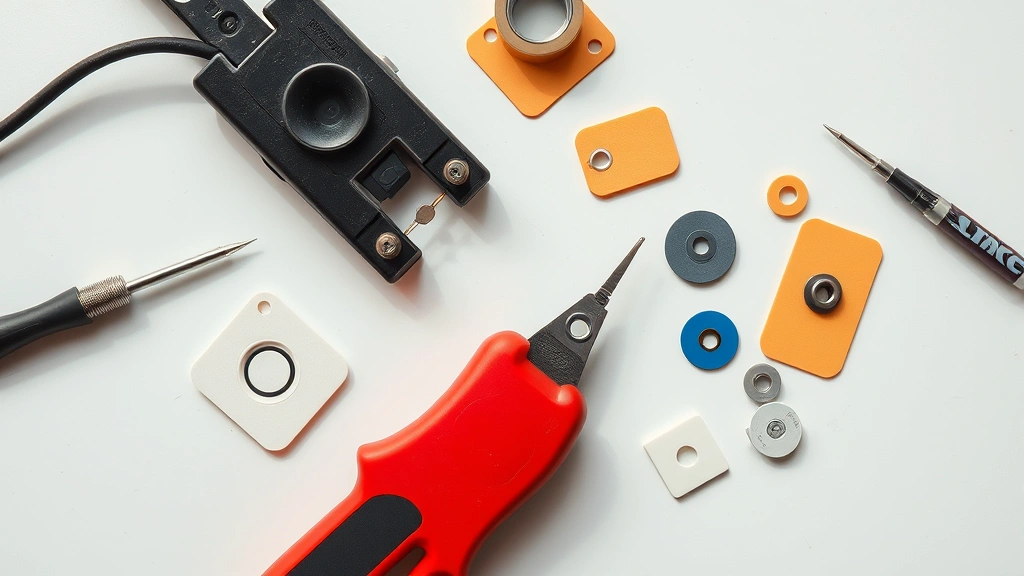
Ink cartridge tags are the security industry’s most aggressive option, and they require extreme caution. These tags are specifically designed to ruin your clothing if tampered with, so respect the design and work methodically.
Identify before you act: Ink cartridge tags typically feel heavier than other tags and often have a visible ink chamber (usually a colored plastic section). If you shake the tag gently, you might hear or feel liquid moving. This is your warning sign to be extra careful.
The freezing method: Some people report success freezing the tag for 2-4 hours before removal attempts. The theory is that frozen ink becomes more viscous and less likely to leak if the cartridge is compromised. Place the tagged garment in a freezer bag and leave it in your freezer overnight. After removing it, let it thaw to room temperature before attempting removal. This isn’t guaranteed to work, but it’s a low-risk preliminary step.
The professional detacher advantage: If you have access to a magnetic detacher, use it. Many ink cartridge tags also respond to magnetic release, making this your safest bet for professional removal without damage.
The last resort: If you absolutely must remove the tag yourself and don’t have a magnetic detacher, work over a sink or bathtub. This way, if the ink does release, the damage is contained and potentially cleanable. Use the needle method described above, but do it slowly and carefully. Wear gloves to protect your hands, and have paper towels ready. If you feel resistance or the tag seems stuck, stop immediately and seek professional help rather than risk ruining the garment.
Tag Gun Removal Method
Tag guns are the retail worker’s tool of choice for both attaching and removing security tags. If you have access to one, this is your easiest solution.
How tag guns work: These devices use a spring-loaded mechanism to push a pin through the locking post of security tags. The pin releases the internal latch, allowing the tag to slide free. The process takes about two seconds and is essentially foolproof when done correctly.
Where to find a tag gun: You can purchase consumer tag guns online for $20-40, though they’re primarily designed for retail use. Some craft stores and shipping supply shops carry them. If you’re only removing one or two tags, this might be overkill, but if you’re a frequent tag remover (or planning to be), it’s a solid investment.
Using a tag gun safely: Hold the tag gun firmly with the pin aligned with the post on the back of the security tag. Press firmly and smoothly—don’t jab or force it. You should feel the mechanism engage and release. If the tag doesn’t release after one attempt, you might have the wrong type of tag for this gun, or the mechanism might be damaged. Don’t repeatedly ram the pin into the tag, as this can break internal components and potentially release ink or trigger alarms.
Prevention and Best Practices
The best security tag removal strategy is prevention. Here are some practices that can save you frustration down the line.
Check before purchasing: Before completing your purchase, verify that the cashier has removed all security tags. Don’t assume they’re gone just because you didn’t see them apply one. Scan the garment visually and feel for any hard objects sewn or attached to the fabric.
Request removal at checkout: If you’re purchasing an item and notice a tag, point it out before leaving the store. Retailers have professional equipment and expertise to remove tags safely. This is infinitely easier than dealing with it at home.
Get it in writing: If you receive a gift or purchase online and the item arrives with tags, document it. Take photos and contact the retailer. Many will provide you with a magnetic detacher or store credit as compensation for the inconvenience.
Keep a tag remover handy: If you frequently purchase clothing from thrift stores, clearance racks, or online retailers, investing in an inexpensive magnetic detacher is smart. It costs less than a coffee and eliminates future frustration. Think of it as a luxury investment in your peace of mind.
If you’re dealing with adhesive-related issues after tag removal, you might find our guide on how to remove super glue helpful for cleaning up any residue. Similarly, if the tag removal process created any fabric issues, understanding how to remove static from clothes might help restore your garment’s appearance.
Storage of removed tags: Once you’ve successfully removed a tag, don’t just toss it. If it’s a magnetic tag in good condition, keep it in a drawer for future use or give it to a thrift store. Some retailers will even take them back for reuse, reducing waste and supporting sustainability.
For more complex adhesive issues that might arise during tag removal, our article on how to remove nail glue from skin covers techniques that can translate to removing stubborn residues from clothing as well.
Frequently Asked Questions
Is it legal to remove security tags from purchased items?
Absolutely. If you’ve legitimately purchased an item, removing the security tag is entirely legal. The tag is the retailer’s property, but once you’ve paid for the clothing, removing their tag from your possession is not theft or illegal modification. The confusion arises because removing tags from items you haven’t purchased is illegal—that’s considered altering merchandise with intent to shoplift. As long as you own the item, you’re in the clear.
Will removing a security tag trigger any alarms?
Not if you do it correctly. Magnetic tags only trigger alarms when they pass through store exit sensors while still locked. Once properly deactivated with a magnetic detacher, they’re inert and won’t set off any alarms. Hard plastic tags don’t contain electronic components and won’t trigger alarms. The only way to accidentally trigger an alarm is to remove a tag incorrectly in a retail environment, which isn’t relevant to your home removal situation.
Can I remove a security tag without damaging the clothing?
In most cases, yes. Magnetic tags slide off cleanly without any damage. Hard plastic tags can be removed without damage if you use the correct technique for your specific tag type. Ink cartridge tags require extra caution, but careful removal is still possible. The key is identifying your tag type first, then using the appropriate removal method. If you’re uncertain or the tag seems damaged, professional removal is always an option.
What should I do if the tag won’t budge?
Stop trying to force it. Persistent resistance usually means you’re using the wrong technique for that particular tag type. Step back, reassess the tag design, and try a different method. If you’ve tried multiple approaches and nothing works, contact the retailer who sold you the item. They have professional equipment and should remove it for free, especially if they’re the ones who forgot to remove it before sale.
Are there any tags I absolutely shouldn’t attempt to remove myself?
Yes. If a tag is sewn directly into garment seams or structural areas, professional removal is safest. If you’re completely uncertain about the tag type and it appears to contain liquid, err on the side of caution and seek professional help. The cost of professional removal is usually less than the cost of replacing a garment damaged by an incorrect removal attempt.
Can I reuse a security tag I’ve removed?
Magnetic tags can potentially be reused if they’re still in good condition and you have a tag gun to reattach them. However, most people don’t need to do this. Hard plastic and ink cartridge tags are typically single-use. If you’re concerned about waste, many retailers accept used tags for recycling or reuse programs.
For any residual adhesive issues after tag removal, check out our guide on how to get sharpie out of clothes, which covers stain removal techniques applicable to various mark types. If you’ve accidentally damaged metal components during removal, our article on how to remove rust from cast iron covers rust prevention and removal for future reference.
Where can I buy a magnetic detacher?
Magnetic detachers are available online through Amazon, eBay, and specialty retail equipment suppliers. You can also check Home Depot’s tool section or local craft stores. For more detailed instructions on using professional equipment, This Old House has extensive DIY equipment guides, and Family Handyman regularly publishes removal and repair techniques. For manufacturer-specific instructions, check Family Handyman’s security tag removal guide for comprehensive step-by-step photography.

Related Posts

How Long to Boil Lobster Tails: Cooking Guide

How Long to Fly from New York to London? Travel Times
