
How to Remove Rust: Expert Techniques
How to Remove Rust: Expert Techniques for Every Surface
Rust is the uninvited guest that nobody wants lingering around their home, tools, or vehicles. That reddish-brown oxidation creeps up on metal surfaces with frustrating persistence, transforming pristine tools into corroded relics and turning outdoor furniture into eyesores. But here’s the thing: rust doesn’t have to be permanent. With the right knowledge and approach, you can tackle rust removal like a seasoned pro, whether you’re dealing with a vintage bicycle frame, kitchen cookware, or automotive components.
The challenge with rust isn’t just about aesthetics—it’s about preservation. Unchecked corrosion weakens metal, compromises structural integrity, and can render tools and equipment unusable. The good news? You’ve got options. From household staples to specialized rust removal products, there’s a solution for virtually every rust situation. This comprehensive guide walks you through proven techniques that actually work, helping you restore your belongings and prevent future oxidation.
Understanding Rust Formation
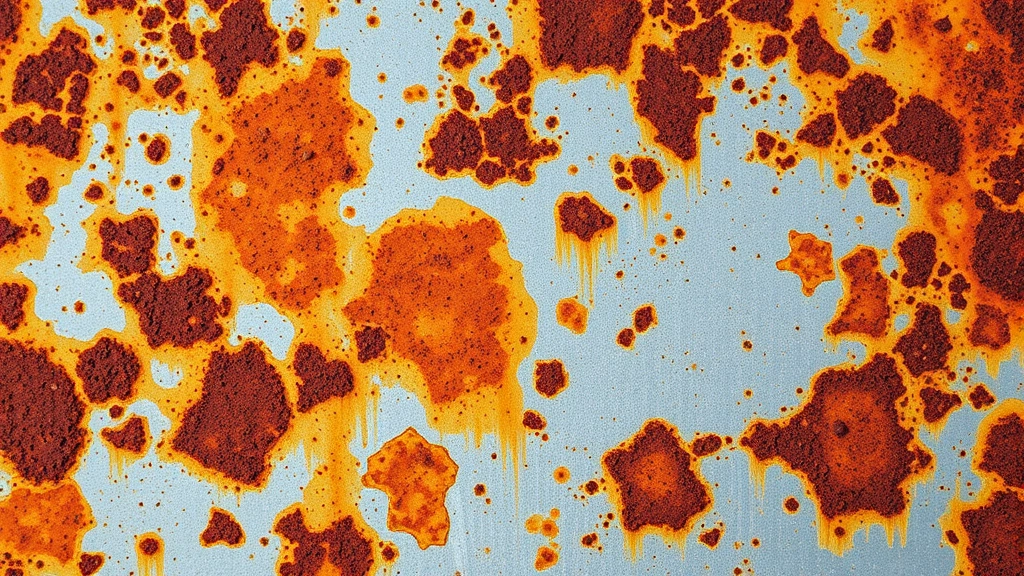
Before you can effectively fight rust, you need to understand what you’re fighting. Rust is iron oxide—a chemical reaction that occurs when iron or steel comes into contact with oxygen and moisture. It’s an oxidation process that’s been happening since the Industrial Revolution, and it’s inevitable unless you take preventative measures.
The rust formation process happens in stages. Initially, you get surface rust—that light discoloration that looks harmless enough. But if left untreated, it progresses to pitting rust, where the corrosion creates small holes in the metal. Eventually, you can end up with deep structural rust that compromises the integrity of the material. This is why catching rust early matters so much.
Environmental factors accelerate rust formation dramatically. Humidity, salt spray (especially near coastal areas), and temperature fluctuations all speed up oxidation. If you live in a damp climate or near the ocean, your metal surfaces are in a constant battle against corrosion. Understanding this helps you appreciate why prevention is just as important as removal.
Assessing Your Rust Problem
Not all rust is created equal, and your removal approach depends on how severe the problem is. Take a moment to evaluate what you’re dealing with before jumping into treatment.
Surface Rust: This is the easiest to handle. It appears as a thin, discolored layer on top of the metal and typically hasn’t penetrated deeply. You can usually remove it with moderate effort using household items or light abrasives.
Moderate Rust: This stage shows visible pitting and discoloration that’s more stubborn. The corrosion has begun eating into the metal but hasn’t compromised structural integrity. It requires more aggressive treatment methods.
Severe Rust: Deep pitting, flaking, and potential holes characterize severe rust. This requires professional intervention in many cases, especially if it’s affecting structural components.
Run your finger across the affected area. If it feels rough and flakes easily, you’re looking at surface to moderate rust. If there are visible pits or holes, or if the metal feels significantly weakened, you’ve got a more serious situation.
Household Methods That Work
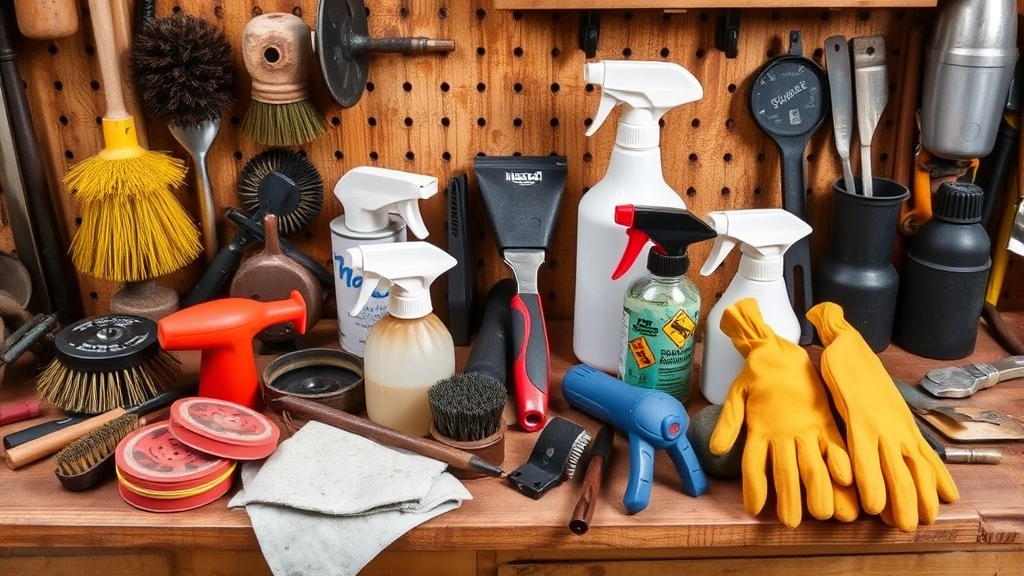
Sometimes the best rust removal solutions are already in your kitchen or garage. These methods are surprisingly effective for surface and light-to-moderate rust.
White Vinegar Soak
Vinegar’s acidity makes it an excellent rust dissolver. For smaller items, submerge them in white vinegar for several hours or overnight. The acetic acid reacts with rust oxide, breaking down the corrosion. After soaking, scrub with a wire brush or steel wool to remove the loosened rust. This method works particularly well for tools and smaller metal objects. You can also spray vinegar directly on larger surfaces and let it sit for 30 minutes before scrubbing.
Baking Soda Paste
Mix baking soda with water to create a thick paste, then apply it directly to rusted areas. The mild abrasive nature of baking soda combined with its alkaline properties helps break down rust without damaging the underlying metal. Let it sit for 15-20 minutes, then scrub with a brush. This method is gentler than vinegar and works well on delicate surfaces.
Lemon and Salt
This combination is surprisingly potent. Sprinkle salt on the rusted area, then squeeze fresh lemon juice over it. The citric acid in lemon combined with salt’s abrasive properties creates an effective rust remover. Let it work for 2-3 hours, then scrub away the rust. This method is particularly effective for kitchen items like cast iron that you want to maintain properly.
Potato and Dish Soap
Cut a potato in half and sprinkle dish soap on the cut surface, then rub it directly on the rust. The oxalic acid naturally present in potatoes reacts with rust while the soap helps lift corrosion away. It sounds unconventional, but it genuinely works for light surface rust on tools and small items.
Cola Soak
The phosphoric acid in cola can help dissolve light rust. Submerge items in cola for several hours, then scrub. While not as effective as vinegar, it’s a fun option if you have cola on hand and the rust is minimal.
Commercial Rust Removal Solutions
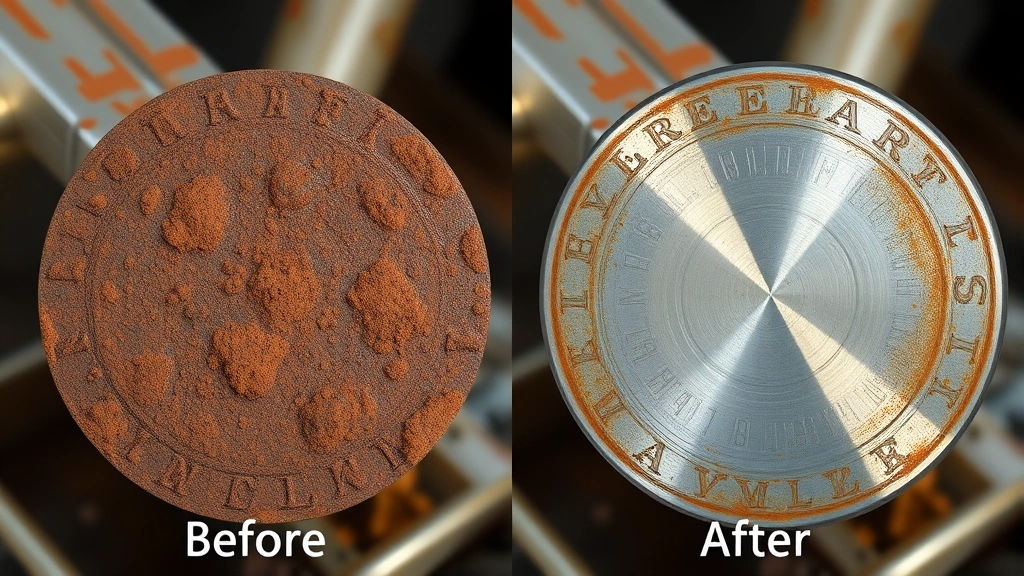
When household methods don’t cut it, commercial products offer more powerful solutions. Understanding what’s available helps you choose the right tool for your specific situation.
Phosphoric Acid Products
Products containing phosphoric acid convert rust rather than just removing it. They chemically transform iron oxide into a stable compound that can be painted over. These products are excellent for automotive applications and work well when you want a protective coating afterward. Popular brands in this category are effective for moderate rust on vehicles and outdoor equipment.
Rust Converters
Similar to phosphoric acid products, rust converters chemically transform rust into a stable compound. These are ideal when you can’t mechanically remove all the rust—they essentially seal it in place. Apply according to manufacturer instructions, usually leaving them to dry before painting.
Rust Removers and Dissolvers
These liquid products work by dissolving rust chemically. They’re typically stronger than household methods and work faster. Follow safety instructions carefully, use in well-ventilated areas, and wear appropriate protective equipment. These are particularly effective for heavily rusted tools and metal components.
Naval Jelly
This phosphoric acid-based gel is specifically designed for rust removal. It’s particularly popular for chrome and stainless steel restoration. Apply it directly to rusted areas, let it work for the recommended time, then scrub and rinse thoroughly. It’s more aggressive than household methods but safer than some industrial solutions.
Mechanical Removal Techniques
Sometimes you need to physically remove rust rather than dissolve it. Mechanical methods range from simple to sophisticated.
Wire Brushes and Steel Wool
Basic wire brushes and steel wool are your first line of defense for surface rust. Work in circular motions, applying moderate pressure. This method is time-consuming but effective for small areas and doesn’t require chemicals. Use finer steel wool (0000 grade) for delicate surfaces and coarser grades for heavy rust.
Rotary Tools with Wire Wheels
Dremel-style rotary tools with wire wheel attachments dramatically speed up rust removal. They’re perfect for tools, automotive parts, and small to medium surfaces. Wear safety glasses—rust particles fly everywhere. These tools make quick work of moderate rust that would take hours with manual scrubbing.
Angle Grinders
For serious rust on larger surfaces, angle grinders with wire wheels or flap discs are highly effective. This is power-tool territory—you’ll need experience and proper safety equipment. Wear a face shield, hearing protection, and work gloves. This method is best reserved for heavy-duty applications like removing rust from metal gates, automotive frames, or large outdoor structures.
Sandblasting and Media Blasting
Professional sandblasting removes rust completely but requires professional equipment and expertise. If you’re dealing with severe structural rust on valuable items, this might be worth the investment. Media blasting (using materials other than sand) offers alternatives that are less harsh on delicate surfaces.
Electrolysis
For valuable or intricate items, electrolysis is a gentler option that removes rust without damaging the underlying metal. While more technical, it’s particularly useful for antiques or precision tools. The process uses an electrical current to reverse the oxidation process chemically.
Surface-Specific Strategies
Different materials require different approaches. Here’s how to handle rust on various surfaces.
Stainless Steel Cookware
When dealing with stainless steel pans showing rust spots, start with vinegar or baking soda paste. These methods are safe for cookware and won’t damage the finish. For more information on maintaining your cookware, check out our guide on how to clean stainless steel pans. Avoid harsh mechanical methods that could scratch the surface. After rust removal, dry thoroughly and apply a light coating of mineral oil to prevent future oxidation.
Brass and Copper
While brass and copper don’t rust technically (they patina), similar corrosion can occur. Vinegar and salt work well for these metals. For comprehensive care of these materials, our article on how to clean brass provides detailed techniques. Use gentler mechanical methods to avoid damaging the patina you might want to preserve.
Cast Iron Cookware
Cast iron requires special care. Remove surface rust with vinegar or a potato and soap method, then immediately dry and season the pan with oil. Never use harsh mechanical methods that remove the seasoning layer you’ve built up. The key is removing rust while preserving the non-stick properties you’ve developed.
Automotive Metal and Chrome
Car bodies and chrome require careful rust treatment. For automotive applications, consider whether you’re working on your vehicle’s electrical systems or mechanical components—this affects which products you can safely use. Naval Jelly works well for chrome, while phosphoric acid products are excellent for car bodies. Always follow up with proper primer and paint to prevent rust return.
Outdoor Furniture and Decorative Items
Wrought iron furniture and decorative metal pieces benefit from a two-step approach: remove rust mechanically with wire brushes or rotary tools, then apply a rust converter followed by exterior-grade paint or clear coat. This provides both aesthetic restoration and long-term protection.
Tools and Equipment
Vintage tools and equipment often have sentimental value, making careful rust removal essential. Start with the gentlest methods and work up to more aggressive techniques only if necessary. After removal, apply a light machine oil or wax coating to prevent future rust. If you’re working on engine components, understanding proper maintenance procedures like transmission fluid changes helps you maintain overall equipment condition.
Prevention and Long-Term Protection
The best rust removal is the rust that never forms in the first place. Prevention strategies are far easier than cure.
Moisture Control
Keep metal surfaces dry. Store tools in dry locations, use dehumidifiers in damp areas, and immediately dry items after exposure to water or rain. This single factor prevents the majority of rust problems.
Protective Coatings
Apply appropriate protective coatings based on the surface and environment. Oil works for tools and light indoor use. Paint or powder coating handles outdoor applications. Clear lacquer preserves appearance while protecting metal. Wax or sealants work for decorative items.
Proper Storage
Store metal items in climate-controlled environments when possible. Use silica gel packets in tool boxes to absorb moisture. Cover outdoor furniture with tarps during off-season. Store vehicles in garages rather than outdoors.
Regular Maintenance
Inspect metal items regularly for early rust signs. Catch surface rust before it progresses. Periodically refresh protective coatings. A few minutes of monthly inspection prevents major restoration projects.
Material Selection
When purchasing new items, consider materials with better corrosion resistance. Stainless steel, aluminum, and galvanized steel resist rust better than plain steel. While they cost more initially, they save money and effort long-term.
Environmental Mitigation
If you live in a humid or coastal environment, take extra precautions. Use dehumidifiers indoors, apply extra protective coatings, and inspect items more frequently. Salt air accelerates rust dramatically, requiring more vigilant prevention.
Frequently Asked Questions
What’s the fastest way to remove rust?
For speed, mechanical removal using a rotary tool with wire wheel attachment or an angle grinder is fastest. However, this requires proper safety equipment and experience. For safety and effectiveness combined, phosphoric acid products or rust converters offer good speed without the risks of power tools.
Can you remove deep rust completely?
Severe structural rust with pitting and holes can’t be completely removed without professional equipment like sandblasting. However, you can remove enough rust to stabilize the metal and prevent further corrosion using rust converters that chemically stabilize remaining rust.
Is white vinegar or baking soda better for rust removal?
Both work, but for different situations. Vinegar acts faster and is more aggressive, making it better for moderate rust. Baking soda is gentler and works well for light surface rust or delicate surfaces. For best results, try vinegar first, then switch to baking soda if you need a gentler approach.
How do you prevent rust from returning after removal?
After removing rust, immediately dry the surface completely and apply a protective coating appropriate for the material and environment. For tools, use light machine oil. For outdoor items, use paint, powder coat, or clear sealant. Keep the item dry and store in moisture-controlled environments.
Can you use vinegar on all metal surfaces?
Vinegar is safe for most metals but can be too aggressive for delicate finishes or certain alloys. Test on an inconspicuous area first. Avoid vinegar on aluminum or galvanized surfaces, as the acidity can damage these materials. For these metals, use baking soda or commercial rust removers designed for sensitive surfaces.
What safety precautions should you take when removing rust?
Wear safety glasses to protect from flying rust particles and debris. Use work gloves to protect hands from sharp rust edges and chemicals. Ensure adequate ventilation when using chemical products. Wear hearing protection when using power tools. Follow all product instructions and warnings on commercial rust removers.
How long does rust removal typically take?
Surface rust removal takes 30 minutes to a few hours depending on method and coverage area. Moderate rust requires several hours to a full day. Severe rust may require professional intervention or multiple treatment sessions. Chemical methods generally take longer than mechanical methods but require less physical effort.

Related Posts

How Long to Boil Lobster Tails: Cooking Guide

How Long to Fly from New York to London? Travel Times
