
Remove Plaque from Teeth: Dentist-Approved Tips
Remove Plaque from Teeth: Dentist-Approved Tips
Plaque buildup is one of the most common dental problems affecting millions of people worldwide. This sticky, colorless film of bacteria forms on your teeth and gums throughout the day, and if left untreated, it hardens into tartar that only professional cleaning can remove. Understanding how to remove plaque from teeth is essential for maintaining optimal oral health and preventing serious complications like gum disease and tooth decay.
The good news is that with proper technique and consistent daily habits, you can significantly reduce plaque accumulation and keep your smile healthy. This comprehensive guide covers dentist-approved strategies for plaque removal, from basic brushing techniques to advanced home care methods. Whether you’re dealing with existing plaque or looking to prevent future buildup, these evidence-based tips will help you achieve a cleaner, healthier mouth.
Understanding Plaque Formation and Why It Matters
Plaque is a biofilm composed of bacteria, saliva, and food particles that continuously forms on your teeth. Unlike general cleaning tasks such as how to clean a coffee maker or learning techniques for removing grease stains from clothes, dental plaque removal requires understanding the biological processes at work. The bacteria in plaque produce acids that attack tooth enamel and irritate your gums, leading to cavities and periodontal disease.
Within just 24 hours of not removing plaque, it begins to harden into tartar, a calcified substance that cannot be removed by brushing alone. This is why consistent daily plaque removal is crucial. Tartar provides a rough surface where more plaque can accumulate, creating a vicious cycle that accelerates tooth decay and gum disease. According to the American Dental Association, preventing plaque buildup is far more effective than trying to treat advanced dental problems later.
The areas most vulnerable to plaque accumulation are along the gum line, between teeth, and on the back surfaces of molars. These hard-to-reach areas require special attention and proper technique to keep clean. Understanding where plaque forms helps you focus your efforts on prevention.
Master the Proper Brushing Technique
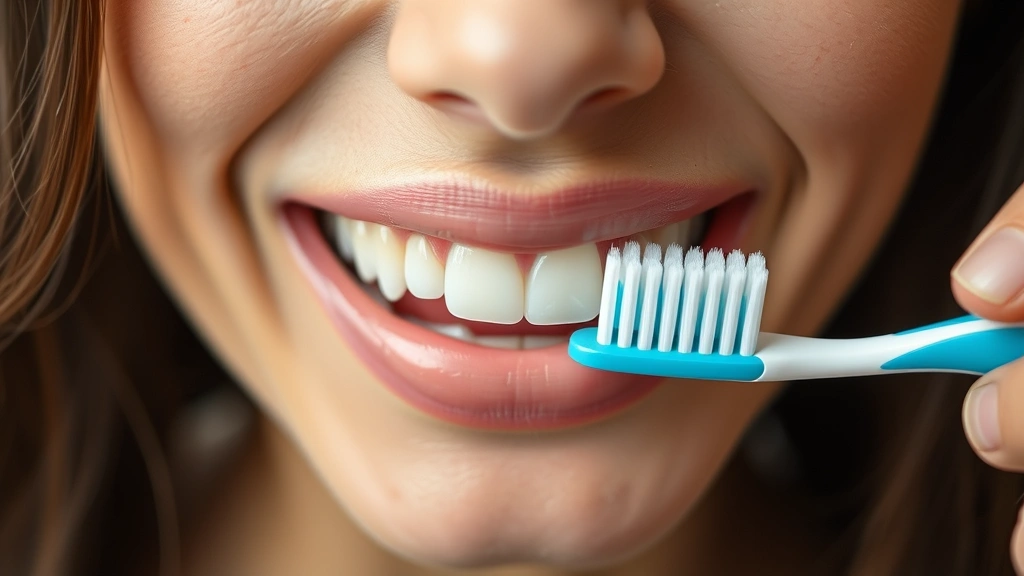
Many people believe that brushing harder removes more plaque, but dentists unanimously recommend a gentler, more methodical approach. Aggressive brushing can damage your gum tissue and enamel, making them more susceptible to decay and sensitivity. The correct technique involves using a soft-bristled toothbrush at a 45-degree angle to your gums.
Start by positioning your toothbrush at the gum line and use short, gentle strokes in a circular motion. Focus on brushing the outer surfaces first, then move to the inner surfaces, and finally brush the chewing surfaces of your teeth. Spend at least two minutes brushing, which most dentists consider the minimum for effective plaque removal. Many people rush through brushing in under a minute, which significantly reduces plaque removal effectiveness.
Key brushing tips:
- Use a soft-bristled toothbrush or electric toothbrush, which can be more effective at removing plaque
- Replace your toothbrush every three to four months or when bristles become frayed
- Brush twice daily, preferably after meals
- Avoid sawing motions that can damage gum tissue
- Pay special attention to the gum line where plaque accumulates most
- Don’t forget to brush your tongue, which harbors bacteria
Electric toothbrushes have been shown in clinical studies to remove plaque more effectively than manual brushing for many people. The oscillating or rotating bristles can reach areas that manual brushing might miss. If you’re considering upgrading your oral care routine, investing in a quality electric toothbrush is similar to making smart upgrades in other areas of home maintenance, much like learning proper techniques for removing rust from cast iron or mastering jewelry cleaning methods.
Flossing: Your Secret Weapon Against Plaque
While brushing handles approximately 60% of tooth surfaces, flossing is essential for cleaning the remaining 40%, particularly the tight spaces between teeth where plaque thrives. Many people neglect flossing, but dentists emphasize that it’s equally important as brushing for effective plaque removal.
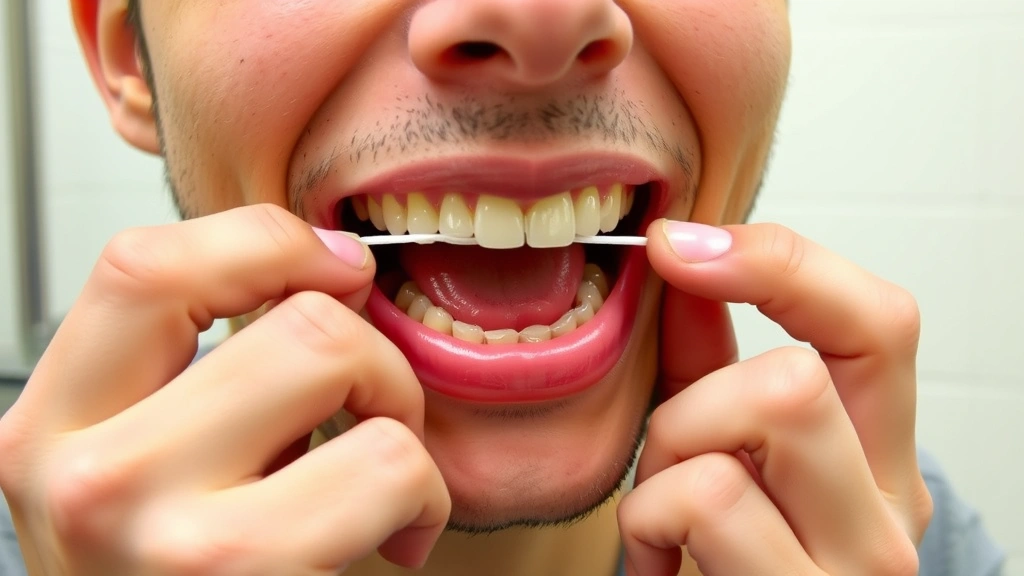
The proper flossing technique involves using about 18 inches of floss, wrapping it around your middle fingers, and gently sliding it between your teeth. Create a C-shape around each tooth and move the floss up and down, being careful not to snap it into your gums. Floss at least once daily, preferably before bedtime, to remove plaque that accumulated throughout the day.
Types of floss and their benefits:
- Traditional string floss – Most effective for tight spaces and requires good technique
- Waxed floss – Easier to glide between teeth and less likely to shred
- Dental tape – Better for wider gaps between teeth
- Floss picks – Convenient for on-the-go flossing, though less effective than traditional floss
- Interdental brushes – Excellent for larger gaps and easier to use than string floss
If you struggle with traditional flossing, don’t give up on interdental cleaning. Using any form of floss is better than using none. The key is consistency and finding a method you’ll actually use daily. Many people find that making flossing part of their evening routine helps them maintain the habit.
Water Flossing and Advanced Tools
Water flossers, also known as oral irrigators, use a pressurized stream of water to remove plaque and food debris from between teeth and below the gum line. These devices have gained popularity and clinical evidence supports their effectiveness, particularly for people with braces, implants, or bridges where traditional flossing is difficult.
Water flossers work by directing a pulsating water stream into the spaces between your teeth. They’re especially beneficial for people with periodontal disease, as the water can penetrate below the gum line where traditional floss cannot reach. For those concerned about plaque removal in specific areas, water flossing complements traditional brushing and flossing well.
Other advanced plaque removal tools:
- Sonic toothbrushes – Vibrate at high frequencies to disrupt plaque biofilm
- Interdental brushes – Small brushes designed for cleaning between teeth
- Tongue scrapers – Remove bacteria and plaque from your tongue
- Plaque-revealing tablets – Show where plaque remains after brushing to improve technique
- UV sanitizers – Kill bacteria on your toothbrush between uses
While these tools are helpful, they should supplement rather than replace basic brushing and flossing. The foundation of plaque removal is proper daily habits with standard tools. Advanced devices work best when combined with correct technique and consistent use.
Antimicrobial Rinses and Their Effectiveness
Antimicrobial mouthwashes contain ingredients that kill or inhibit the growth of plaque-causing bacteria. Common active ingredients include chlorhexidine and essential oils. These rinses can be effective supplements to brushing and flossing, but they shouldn’t replace mechanical plaque removal.
Studies show that antimicrobial rinses can reduce plaque formation by 20-30% when used as directed, typically twice daily for 30-60 seconds. However, some people experience side effects like tooth staining or altered taste perception with prolonged use of chlorhexidine-based rinses. Natural alternatives containing essential oils offer gentler options, though they may be slightly less potent.
Types of antimicrobial rinses:
- Chlorhexidine rinses – Most effective but can cause staining with long-term use
- Essential oil rinses – Gentler alternative with antimicrobial properties
- Fluoride rinses – Strengthen enamel while providing some antimicrobial benefits
- Alcohol-based rinses – More effective but may dry out mouth tissues
- Alcohol-free rinses – Gentler and better for dry mouth conditions
Use antimicrobial rinses as a supplementary tool, not a primary plaque removal method. Mechanical removal through brushing and flossing remains the most effective strategy. If you choose to use antimicrobial rinses, consult your dentist about which type best suits your oral health needs.
Dietary Changes to Reduce Plaque Buildup
What you eat directly impacts plaque formation. Bacteria in plaque feed on sugars and refined carbohydrates, producing acids that damage teeth. By making smart dietary choices, you can reduce the food source for plaque-causing bacteria and decrease overall plaque accumulation.
Limiting sugary snacks and beverages is the most impactful dietary change you can make. Soda, candy, and processed foods feed plaque bacteria and accelerate the plaque-to-tartar conversion. If you consume sugary items, do so during meals rather than as snacks, and rinse your mouth with water afterward. Eating whole foods, vegetables, and proteins provides nutrients that support gum health without feeding harmful bacteria.
Foods and habits that reduce plaque:
- Crunchy vegetables – Apples, carrots, and celery naturally cleanse teeth
- Dairy products – Cheese and yogurt contain compounds that neutralize plaque acids
- Water – Rinsing with water after meals removes food particles and dilutes acids
- Green tea – Contains polyphenols with antimicrobial properties
- Nuts and seeds – Require chewing that stimulates saliva production
- Calcium-rich foods – Support strong teeth and bone structure
Timing also matters in plaque prevention. Eating frequent snacks throughout the day keeps your mouth acidic and feeds plaque bacteria continuously. Limiting eating to three meals plus one snack reduces the number of times bacteria can feast on food particles. This approach is similar to being thoughtful about home maintenance—consistent prevention is easier than dealing with damage later, much like understanding the importance of removing wax from clothes promptly before it sets.
Professional Cleaning and When to See Your Dentist
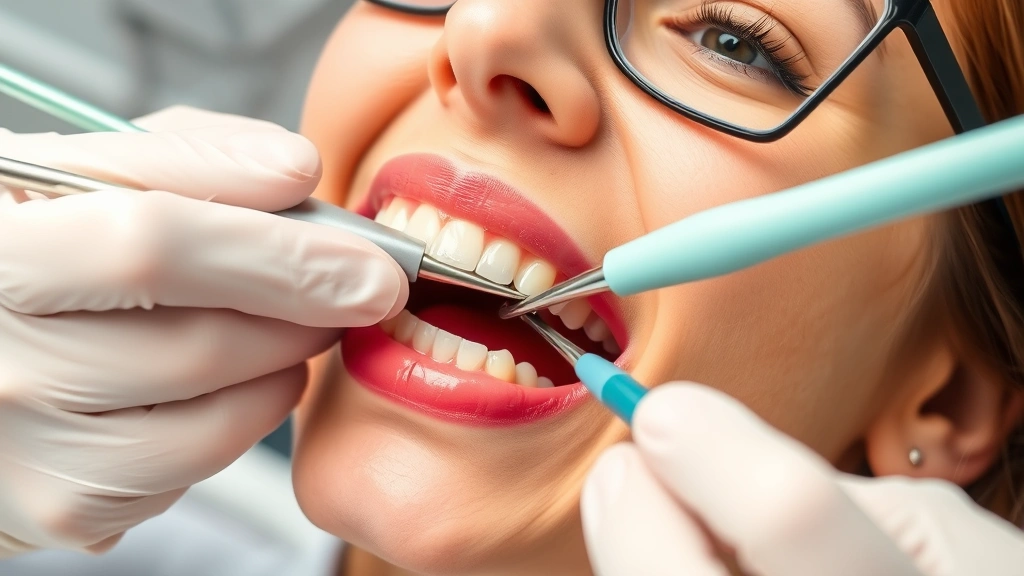
Even with perfect home care, tartar cannot be removed without professional cleaning. Dentists recommend visiting your dental professional at least twice yearly, though people with gum disease or heavy plaque buildup may need more frequent visits. During professional cleanings, dentists use specialized instruments to remove both plaque and tartar from above and below the gum line.
Professional cleanings typically include scaling, which removes tartar buildup, and polishing, which removes surface stains and smooths tooth surfaces to make plaque accumulation more difficult. For people with periodontal disease, deeper cleaning procedures like root planing may be necessary. These treatments go beyond simple plaque removal and address infection and inflammation in the gums.
Signs you may need more frequent professional cleanings:
- Red, swollen, or bleeding gums
- Persistent bad breath despite good oral hygiene
- Visible tartar buildup on your teeth
- History of gum disease or periodontitis
- Diabetes or other conditions affecting gum health
- Smoking or tobacco use
- Medications that reduce saliva production
Your dentist can assess your individual risk factors and recommend the appropriate cleaning schedule. Some people benefit from quarterly cleanings, while others do well with the standard twice-yearly visits. Regular professional evaluations ensure that any plaque-related problems are caught early before they become serious.
For comprehensive information about dental health, visit the Mayo Clinic dental health guide or consult resources from MouthHealthy.org, the patient education site of the American Dental Association. These authoritative sources provide evidence-based information about plaque prevention and treatment.
FAQ
How long does it take for plaque to turn into tartar?
Plaque begins to harden into tartar within 24-48 hours of formation. Once hardened, tartar cannot be removed by brushing or flossing and requires professional dental cleaning. This is why daily plaque removal is so important—it prevents the hardening process from occurring.
Can I remove tartar at home?
No, tartar cannot be safely removed at home. Attempting to scrape tartar off your teeth can damage enamel and gum tissue. Only dental professionals have the proper tools and training to remove tartar safely. Trying DIY tartar removal risks serious complications including infection and permanent tooth damage.
What’s the best toothbrush for plaque removal?
Electric toothbrushes, particularly sonic toothbrushes, are generally more effective at removing plaque than manual brushes for most people. However, a soft-bristled manual toothbrush used with proper technique is also effective. The most important factor is using proper brushing technique and brushing for at least two minutes twice daily.
How often should I floss to prevent plaque buildup?
Dentists recommend flossing at least once daily, preferably before bedtime. Daily flossing removes plaque from between teeth before it hardens into tartar. If you struggle with daily flossing, even three to four times weekly is better than skipping it entirely, though daily flossing is ideal.
Does mouthwash alone remove plaque?
Mouthwash cannot remove established plaque—only mechanical brushing and flossing can do that. Antimicrobial rinses can help prevent plaque formation and reduce bacteria, but they work best as supplements to brushing and flossing, not replacements. Always prioritize mechanical cleaning methods.
Can diet really affect plaque formation?
Yes, diet significantly impacts plaque formation. Sugary and refined carbohydrate foods feed plaque bacteria and provide the substrate for acid production. Reducing sugar intake, limiting snacking frequency, and eating whole foods all reduce plaque accumulation. Dietary changes work best when combined with proper brushing and flossing habits.
Is it normal for gums to bleed when I start flossing?
Some bleeding is common when you first start flossing or resume flossing after a break, usually indicating gum inflammation from plaque buildup. This typically improves within a week or two of consistent flossing as you remove plaque and inflammation decreases. However, persistent bleeding should be evaluated by your dentist.
How do I know if I’m brushing correctly?
Use a plaque-revealing tablet after brushing to see if you’re missing areas. These tablets stain remaining plaque, showing you exactly where your technique needs improvement. Your dentist can also observe your brushing and provide personalized feedback. Most people need to spend more time on the gum line and back surfaces.
For additional professional guidance on plaque removal and oral health, consult Family Handyman’s oral health resources or visit your local dental office. Regular communication with your dental professional ensures you’re using the most effective strategies for your specific needs. Just as you’d research proper techniques for home maintenance and cleaning projects, investing time in understanding proper plaque removal pays dividends in your long-term oral health.

Related Posts

Superscript in Google Docs: Expert Tips

Strikethrough in Excel: Easy Steps for Beginners
