
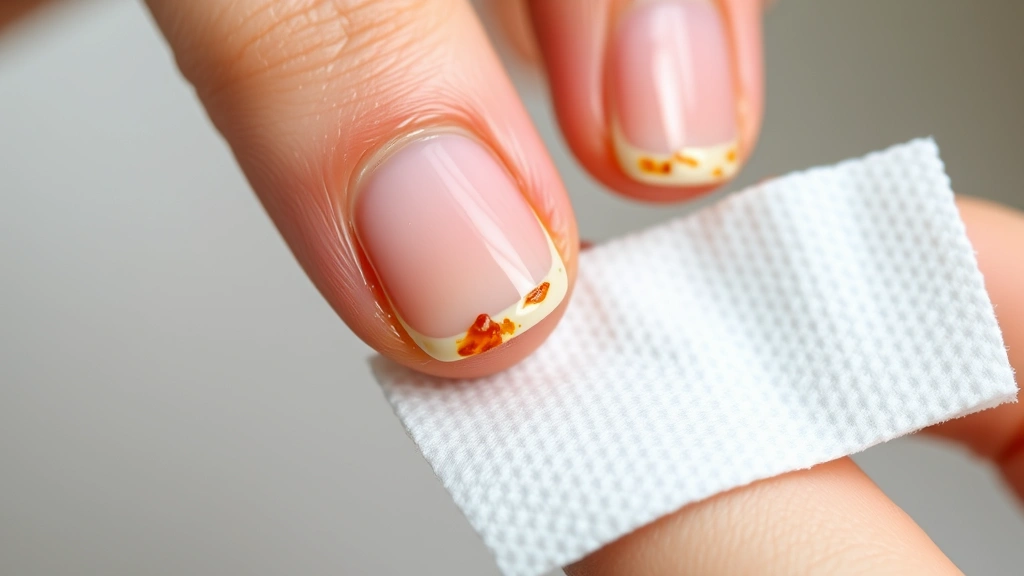
How to Remove Nail Glue from Skin: Expert Tips
How to Remove Nail Glue from Skin: Expert Tips
We’ve all been there—you’re applying those gorgeous press-on nails or doing a quick nail repair, and suddenly you’ve got nail glue stuck to your fingers, palm, or worse, somewhere you really didn’t want it. Panic sets in. You tug at it. You curse quietly. Then you wonder if you’ll ever feel your fingertips again. The good news? Nail glue mishaps are completely recoverable, and we’re here to walk you through exactly how to handle them without damaging your skin.
Nail glue, typically cyanoacrylate-based, bonds almost instantly to skin, creating that heart-stopping moment of regret. But here’s the thing—it’s not actually as scary as it seems. Unlike what your anxiety might tell you, your skin won’t permanently fuse to itself. With the right approach and a little patience, you’ll have that glue off and your skin back to normal in no time. We’ve gathered expert strategies that actually work, from household remedies to professional-grade solutions.
Whether you’re a nail art enthusiast who’s had one too many sticky situations or someone who accidentally grabbed the wrong adhesive bottle, this guide covers everything you need to know about safely removing nail glue from your skin without causing irritation or damage.
Immediate Steps to Take
The moment you realize you’ve got nail glue on your skin, resist the urge to panic—and more importantly, resist the urge to yank at it forcefully. That’s the fastest way to irritate your skin or cause micro-tears. Instead, take a breath and follow these immediate steps.
First, assess the situation. How much glue are we talking about? A tiny dot or a substantial blob? Is it already hardened or still tacky? This matters because your approach will differ slightly depending on the amount and state of the adhesive. If the glue is still wet, gently try to peel off any excess without pressing down further. Use a plastic scraper or even a credit card edge—something that won’t damage your skin but can help remove the bulk of the glue.
Next, stop touching it. Seriously. Every time you fidget with it or try to pick at it, you’re potentially spreading it to other areas and making the situation worse. Your instinct might be to immediately start scrubbing, but that’s actually counterproductive. Nail glue bonds better with friction and movement, so keeping the affected area as still and undisturbed as possible is your first line of defense.
Don’t use hot water immediately. This is a common mistake. Hot water can actually accelerate the bonding process in some cases and open your pores, allowing the adhesive to penetrate deeper. You want to keep things cool and calm—literally.
The Acetone Method
When it comes to removing nail glue, acetone is the heavy hitter. It’s the same solvent used in nail polish remover, and it’s remarkably effective at breaking down cyanoacrylate adhesives. This is probably the most reliable method you’ll find, which is why professionals and dermatologists often recommend it.
Here’s how to do it properly: Start by gathering your supplies—100% pure acetone (not nail polish remover, which contains other ingredients that dilute its effectiveness), cotton balls or pads, and a small bowl. Pour about half an inch of acetone into your bowl and soak the affected area for 10-15 minutes. The acetone will gradually soften the glue, making it easier to remove.
After soaking, gently rub the area with the acetone-soaked cotton ball using light circular motions. Don’t scrub aggressively—let the acetone do the work. You’ll notice the glue starting to ball up and peel away from your skin. This is exactly what you want. Continue the gentle rubbing until the glue comes off completely.
If you’ve got a larger area affected, you might need to repeat the soaking process. Just reapply the acetone-soaked cotton and let it sit for another 5-10 minutes. Patience is key here. Rushing the process might result in skin irritation or incomplete removal, forcing you to start over.
One important note: acetone is drying to skin, so don’t overdo it. If you’re soaking for extended periods or have particularly sensitive skin, take breaks between applications. Also, make sure your space is well-ventilated because acetone has a strong smell and fumes aren’t great for prolonged inhalation.
Oil-Based Solutions That Work
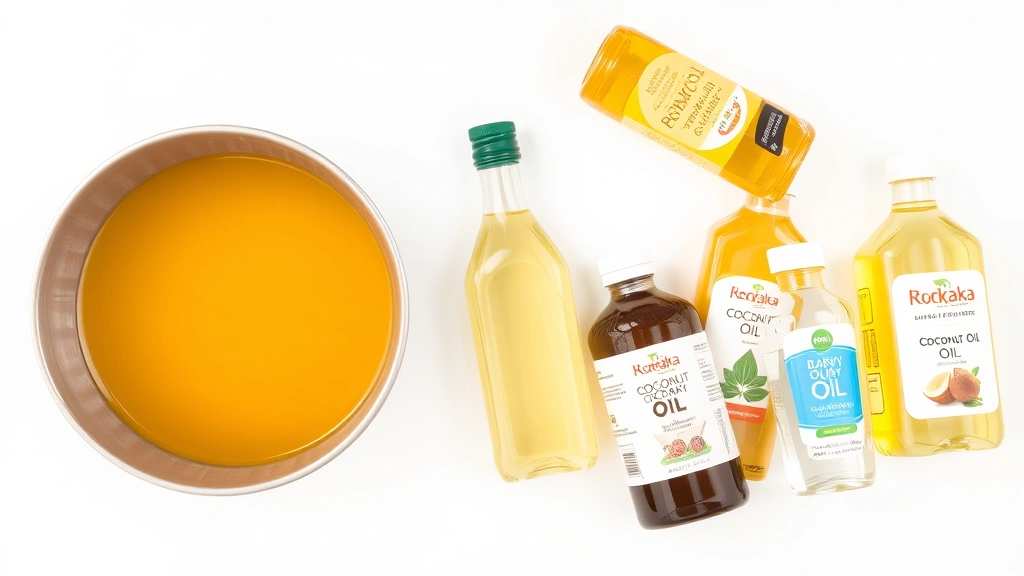
If you don’t have acetone on hand or prefer a gentler approach, oil-based solutions are surprisingly effective. This method works because oils break down the adhesive bonds without being as harsh as acetone. Plus, you probably already have these items in your kitchen or bathroom.
Coconut oil is an excellent choice—it’s natural, gentle on skin, and has mild antibacterial properties. Massage a generous amount directly onto the glued area and let it sit for 10-15 minutes. The oil will penetrate the adhesive and weaken its grip on your skin. After the waiting period, gently rub the area with your other hand or use a soft cloth. The glue should start to roll off in little balls.
Olive oil works similarly well and is often already in your pantry. Apply it liberally to the affected area and work it in gently. You might need to repeat this process a couple of times, but it’s a safe, skin-friendly option that won’t cause irritation. The bonus? Your hands will smell like a Mediterranean salad, which beats the acetone smell any day.
Baby oil is another solid option, particularly if you have sensitive skin. It’s specifically formulated to be gentle on delicate areas, making it perfect for this application. The process is the same—apply generously, wait, and gently rub away the softened glue.
Vegetable oil, sesame oil, and even peanut butter (yes, really) can work in a pinch. The key is that any oil-based substance will gradually dissolve the adhesive. The trade-off is that this method typically takes longer than acetone, but for many people, the gentler approach is worth the extra time investment.
Warm Water Soaking Technique
This is the most accessible method because you literally only need warm water and time. While it’s slower than acetone or oil-based solutions, it’s incredibly gentle and often underestimated in its effectiveness.
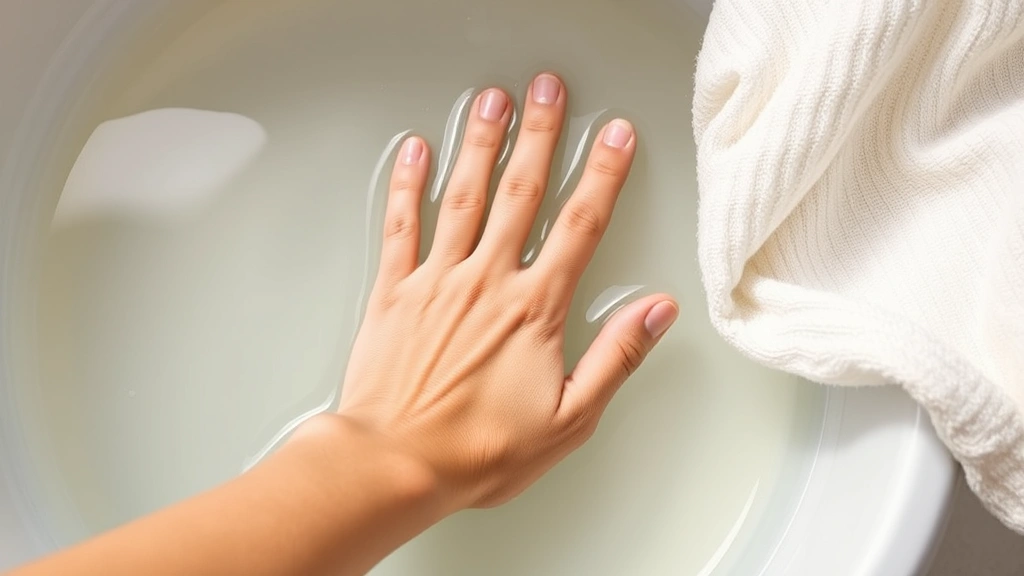
Fill a bowl with warm (not hot) water—think bathwater temperature, around 100-105°F. Submerge the affected area completely and let it soak for 15-20 minutes. The warm water softens the adhesive gradually, making it easier to remove. After soaking, gently rub the glued area with your fingers or a soft cloth. You should feel the glue loosening and starting to peel away.
The beauty of this method is that you can repeat it as many times as needed without worrying about skin irritation. If the glue doesn’t come off completely in one session, simply re-soak for another 15-20 minutes and try again. Some people find that adding a small amount of salt to the water enhances the effect, though the evidence is mostly anecdotal.
This method works particularly well for people with sensitive skin, children, or anyone who prefers to avoid chemical solvents. It’s also perfect if you’re dealing with nail glue on sensitive areas like near the eyes or on thin-skinned regions of your body.
Professional and Alternative Methods
Beyond the standard home remedies, there are several other approaches worth considering, particularly if you’re dealing with stubborn adhesive or prefer specialized solutions.
Rubbing alcohol (isopropyl alcohol) is another solvent option that sits between acetone and oil in terms of harshness. It’s gentler than acetone but more aggressive than oils. Apply it to the affected area using a cotton ball and let it sit for 10 minutes. The glue should start to soften, allowing you to gently roll it off your skin. This is a good middle-ground option if you find acetone too harsh but oils too slow.
For a comprehensive approach to adhesive removal challenges, you might want to explore how to remove nail glue from various surfaces and materials. Different substrates require different techniques, and understanding the full spectrum of removal methods can be helpful. Additionally, if you’re dealing with similar adhesive issues, learning how to remove super glue can provide additional insights into solvent-based removal techniques that sometimes apply to nail glue situations as well.
Lemon juice contains citric acid, which can help break down adhesive bonds. While it’s milder than acetone, some people swear by it. Soak the affected area in lemon juice for 15-20 minutes and gently rub away the glue. This method is particularly appealing if you have very sensitive skin since it’s a natural, gentle option.
Dental floss or a soft-bristled toothbrush can help mechanically remove glue once it’s been softened by any of the above methods. Never use these tools on completely hardened glue—you’ll damage your skin. Only employ them after the adhesive has been partially dissolved and is starting to lift away from your skin naturally.
If you’re dealing with nail glue stuck to your nails themselves (rather than skin), you might want to check out additional nail glue removal techniques that are specifically designed for nail applications.
Prevention Tips for Future Applications
The best cure for nail glue on skin is prevention. Once you’ve dealt with one sticky situation, you’ll want to avoid repeating it. Here are practical strategies to keep nail glue exactly where it belongs—on your nails.
Create a barrier before application. Apply a thin layer of petroleum jelly or cuticle oil to the skin around your nail bed before gluing on press-on nails. This creates a protective layer that prevents the glue from bonding to your skin. If glue does accidentally get on this oiled area, it won’t adhere as strongly, making removal infinitely easier.
Use a toothpick or applicator stick to apply glue precisely. Instead of using the brush applicator that comes with the glue bottle, use a toothpick to apply just the right amount exactly where you need it. This gives you better control and dramatically reduces the chance of accidentally gluing your fingers together or to your skin.
Apply glue to the nail, not your skin. This seems obvious, but it’s worth emphasizing. Only apply adhesive to the artificial nail itself, keeping it at least 2-3mm away from your skin. This simple practice eliminates most accidental skin contact.
Work with one hand at a time. If you’re applying press-on nails, do one hand completely before starting the other. This way, your fingers are free to help position and hold nails without risk of accidental gluing. Keep your free hand away from the work area until the glue has set.
Keep acetone nearby while working. Have a small bottle of acetone or nail polish remover within arm’s reach while applying nail glue. If an accident happens, you can immediately address it rather than letting the glue fully cure. Quick action makes removal exponentially easier.
Wear gloves or finger cots. If you’re particularly prone to accidents or have very sensitive skin, consider wearing latex gloves or finger cots while applying nail glue. They provide a physical barrier and make cleanup incredibly simple.
Skin Care After Removal
Once you’ve successfully removed the nail glue, your skin might feel a bit irritated or dry, especially if you used acetone or spent a lot of time scrubbing. Proper aftercare ensures your skin recovers quickly and completely.
Wash the area thoroughly with gentle soap and lukewarm water. This removes any residual glue particles and the removal solution you used. Pat dry gently—don’t rub aggressively, as your skin is temporarily more sensitive.
Apply a soothing moisturizer immediately after washing. Look for something gentle and hydrating—your regular face moisturizer works fine, or use a specialized hand cream. If you used acetone, your skin is probably feeling quite dry, so don’t skip this step. Ingredients like glycerin, hyaluronic acid, or ceramides are particularly helpful.
If your skin is particularly irritated or red, apply a thin layer of aloe vera gel or a gentle healing balm. These products reduce inflammation and promote skin recovery. If you’re concerned about skin health and preventative care, you might also want to learn more about how to get rid of acne, as proper skin care practices apply to maintaining healthy skin after any trauma or irritation.
Avoid applying new nail glue to the same area for at least 24 hours. Give your skin time to fully recover before subjecting it to adhesive again. If you absolutely must apply nails immediately, use a fresh area of skin if possible, or apply that protective petroleum jelly barrier we mentioned earlier.
Watch for signs of infection or severe irritation. While rare, nail glue removal can occasionally cause minor cuts or abrasions that could become infected. If you notice increasing redness, swelling, warmth, or pus, consult a healthcare provider.
Use sunscreen on the affected area for the next few days. Your skin barrier has been temporarily compromised, making it more vulnerable to UV damage. A broad-spectrum SPF 30 or higher provides adequate protection during the recovery period.
Frequently Asked Questions
Will nail glue permanently damage my skin?
No, nail glue will not cause permanent damage to your skin. While it bonds strongly to the outermost layers of skin cells, those cells naturally shed and regenerate. Even if you can’t remove all the glue immediately, it will gradually come off on its own within a few days as your skin naturally exfoliates. That said, you don’t want to wait that long—proper removal methods get it off safely and quickly.
Can I use nail polish remover instead of pure acetone?
While nail polish remover contains acetone, it’s typically diluted with other ingredients that make it less effective for nail glue removal. Pure acetone works much faster and more reliably. If that’s all you have available, it will still work, but you may need to soak longer and repeat the process multiple times. Pure acetone is inexpensive and widely available at hardware stores and beauty supply shops.
How long does it take to remove nail glue from skin?
With acetone, most people see results within 10-15 minutes of soaking. Oil-based methods typically take 20-30 minutes, while warm water soaking can take 30-45 minutes. The exact time depends on how much glue is present, how long it’s been there, and which method you’re using. Patience and gentle persistence work better than aggressive scrubbing.
Is it safe to use nail glue on skin intentionally?
Absolutely not. Nail glue is formulated specifically for use on nails and nail beds, not for skin application. While accidentally getting some on your skin isn’t dangerous and is easily removable, intentionally applying it to skin could cause serious irritation, burns, or allergic reactions. Always follow product instructions and use adhesives only as intended.
What if the glue is on my eyelid or near my eye?
This is a situation that requires extra caution. Do not use acetone or alcohol near your eyes—these can cause serious irritation. Stick to gentle methods like warm water soaking or oil application. If the glue is actually in your eye or on your eyelid in a way that affects your vision or causes pain, seek immediate medical attention. Your eye doctor or emergency room can safely remove adhesive from sensitive eye areas.
Can I prevent nail glue from sticking to my skin in the first place?
Yes! The petroleum jelly barrier method mentioned in our prevention section is highly effective. Applying a thin layer of petroleum jelly, cuticle oil, or even hand lotion to the skin surrounding your nail bed before applying glue creates a protective layer that prevents adhesion. This is the single most effective prevention strategy and takes less than a minute to do.
Why does nail glue bond so quickly?
Nail glue is cyanoacrylate-based, which means it polymerizes (hardens) through a chemical reaction with moisture. Your skin naturally contains moisture, so the adhesive reacts almost instantly when it comes into contact with your skin. This is also why keeping the area dry before application helps prevent accidental bonding.
Is one removal method better than the others?
Acetone is generally the fastest and most effective, making it the go-to for most people. However, the “best” method depends on your situation. If you have sensitive skin, oil-based methods or warm water soaking are gentler. If you’re in a hurry, acetone is your best bet. If you’re dealing with glue near your eyes, stick with oils or water. Choose based on your specific needs and skin sensitivity.
What should I do if the glue won’t come off?
If standard removal methods aren’t working, try combining approaches. For example, soak with warm water first to soften the glue, then apply acetone for stronger dissolution. You can also try gently filing away the hardened glue with a soft nail file, though be extremely careful not to damage your skin. If irritation develops or the glue simply won’t budge after 24 hours, consult a dermatologist or healthcare provider.

Related Posts

How Long to Boil Lobster Tails: Cooking Guide

How Long to Fly from New York to London? Travel Times
