
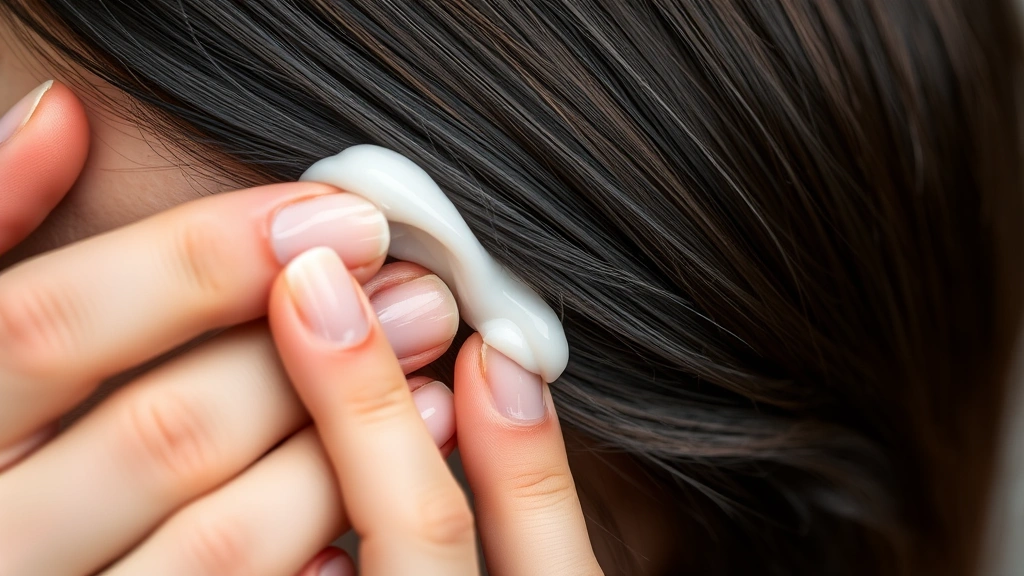
Remove Hair Dye from Skin? Expert Tips Inside
How to Remove Hair Dye from Skin: Expert Tips and Proven Methods
Hair dye stains on your skin are one of the most frustrating byproducts of at-home hair coloring. Whether you’re dyeing your hair for the first time or touching up roots, getting dye on your face, neck, ears, or hands seems almost inevitable. The good news is that hair color doesn’t permanently stain your skin—it just requires prompt action and the right removal technique to fade those stubborn marks quickly.
If you’ve already experienced the panic of looking in the mirror after a DIY hair dye application and seeing dark streaks along your hairline or stained fingertips, you’re not alone. This comprehensive guide walks you through multiple proven methods to remove hair dye from skin, from gentle everyday solutions to more intensive treatments. We’ll cover prevention strategies so you can avoid the problem altogether next time, plus expert tips from professional colorists and dermatologists.
Why Hair Dye Stains Skin
Understanding how hair dye works on skin helps you choose the most effective removal method. Hair dye contains pigments and chemical compounds designed to penetrate and bond with keratin in hair strands. Your skin, however, has a completely different structure—it’s covered with dead skin cells and natural oils that create a barrier.
When dye contacts your skin, it doesn’t permanently bond like it does with hair. Instead, it sits on the surface and in the outer layers of dead skin cells. Most hair dyes are semi-permanent or permanent formulas, meaning they’re stubborn and cling tenaciously to whatever surface they touch. The longer dye remains on your skin, the deeper it stains those outer layers, making removal progressively harder. This is why acting quickly makes an enormous difference in how easily you can eliminate the stain.
Different dye types behave differently on skin. Permanent hair color stains more intensely than semi-permanent formulas. Natural or plant-based dyes like henna create particularly stubborn marks that can last for weeks. Box dyes from drugstores often contain stronger pigments than salon-quality products, which means they typically stain skin more aggressively. Understanding what type of dye you used helps determine which removal strategy will work best.
Immediate Action: First Steps
Act within the first hour of getting dye on your skin for the best results. The moment you notice staining, stop your hair coloring process if you’re still mid-application. Wash your hands thoroughly with warm water and regular soap, scrubbing gently for at least 30 seconds. This removes excess dye before it has time to set deeper into your skin.
Don’t panic if the stain doesn’t completely wash away with soap and water alone—this is completely normal. Hair dye is formulated to resist water and everyday cleansing. Instead, move immediately to one of the removal methods detailed below. The first 2-3 hours are your critical window for easiest removal, so prioritize treatment over other tasks.
Avoid the temptation to scrub aggressively or use hot water, both of which can irritate your skin and potentially push dye deeper into pores. Gentle but consistent treatment works better than harsh scrubbing. If you have sensitive skin or existing irritation, test any removal method on a small, inconspicuous area first.
Proven Removal Methods
Oil-Based Treatments
Oils are exceptionally effective at breaking down hair dye because dyes are oil-soluble. Olive oil, coconut oil, baby oil, and even makeup remover oil dissolve the pigment bonds on your skin’s surface. Apply generous amounts of your chosen oil directly to the stained area and let it sit for 5-10 minutes. The oil penetrates the outer skin layers and begins breaking down the dye molecules.
After the oil has set, use a soft cloth, cotton pad, or old toothbrush to gently rub the stained area in circular motions. You’ll see the dye beginning to lift onto the cloth. Continue rubbing gently until most of the visible stain transfers to the cloth. Wash the area with warm soapy water to remove the oil residue. Repeat this process 2-3 times if necessary for stubborn stains. This method is particularly gentle and works well for sensitive skin areas like your face and neck.
Rubbing Alcohol Method
Rubbing alcohol (isopropyl alcohol) effectively dissolves hair dye pigments and is one of the fastest removal methods available. Soak a cotton ball or pad in 70% isopropyl alcohol and press it firmly against the stained area for 30-60 seconds. The alcohol begins breaking down the dye immediately. Rub gently in circular motions, replacing the cotton pad with fresh ones as they become saturated with dye.
This method works remarkably fast—you’ll often see significant improvement within 2-3 minutes. However, rubbing alcohol can be drying, so follow up with moisturizer afterward. Avoid using this method around your eyes or on broken skin. If you have very sensitive skin, dilute the rubbing alcohol with equal parts water to reduce irritation while maintaining effectiveness.
Toothpaste and Baking Soda Paste
The mild abrasive properties of toothpaste combined with baking soda create a gentle but effective paste for removing hair dye. Mix equal parts white toothpaste and baking soda with a small amount of water to create a spreadable consistency. Apply this paste generously to the stained area and let it sit for 5-10 minutes.
The paste works through both chemical action (the toothpaste ingredients) and gentle mechanical exfoliation (the baking soda particles). After waiting, use a soft cloth or old toothbrush to gently scrub in circular motions. Rinse thoroughly with warm water. This method is particularly good for hands and hairline stains because it’s gentle enough for regular use but still effective. Repeat as needed, though limit scrubbing to avoid skin irritation.
Acetone and Nail Polish Remover
Acetone is a powerful solvent that quickly dissolves hair dye pigments. If you have acetone-based nail polish remover on hand, soak a cotton pad and apply it to the stained area. Hold it in place for 30-60 seconds, then gently rub. Acetone works very fast—you’ll see dramatic improvement within minutes on most stains.
However, acetone is quite harsh and can dry out skin significantly. Use this method only as a last resort for stubborn stains, and always follow up with thorough moisturizing. Avoid using acetone on your face or sensitive areas. Non-acetone nail polish removers typically won’t work as effectively, so check your bottle’s label before attempting this method. This technique is best reserved for stains on hands and feet where skin is more resilient.
Lemon Juice and Salt Scrub
Lemon juice contains citric acid, which has mild bleaching properties that can help fade hair dye stains. Combine fresh lemon juice with salt to create a paste, then apply it to stained areas. The salt provides gentle exfoliation while the lemon juice works chemically to lighten the stain. Let the paste sit for 10 minutes before scrubbing gently with a soft cloth.
This method is gentler than some alternatives and smells pleasant, making it a popular choice. However, it works more slowly than alcohol or acetone-based methods. Lemon juice can be drying and may cause photosensitivity, so avoid sun exposure immediately after treatment. This method works best for light to moderate stains and is excellent for facial skin because it’s less irritating than harsher solvents.
Advanced Techniques for Stubborn Stains
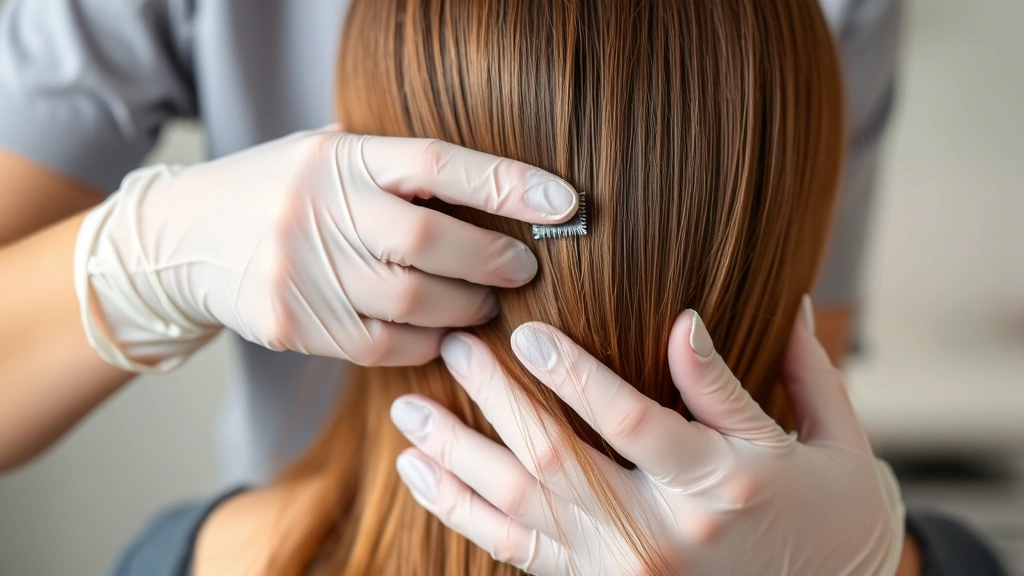
When standard removal methods don’t completely eliminate a stain, you may need to employ more intensive techniques. Combination treatments work better for particularly stubborn marks—apply oil first to soften the dye, follow with rubbing alcohol to dissolve it, then finish with a gentle exfoliating paste. This layered approach targets the stain from multiple angles.
Exfoliating scrubs designed for body care can help remove dye from hands and feet. Products containing pumice, sea salt, or microbeads gently slough away dead skin cells that harbor dye particles. Use these scrubs 2-3 times daily on stubborn hand stains. Always moisturize afterward, as exfoliation can be drying.
For stains that have been present for several days, time becomes your ally. Your skin naturally sheds dead cells containing the dye. Accelerate this process by moisturizing heavily (which promotes skin turnover) and avoiding products that might further stain the area. Most hair dye stains fade completely within 5-7 days without any treatment, simply through natural skin renewal.
Vitamin C serums and brightening products contain ingredients that can help fade stubborn stains while also being gentle on skin. Apply these products as directed and use consistently over several days. While slower than direct removal methods, they work well for mild residual staining and have added skincare benefits.
Consider consulting resources like This Old House’s cleaning guides for additional household remedy suggestions, though remember that hair dye removal is somewhat unique compared to general stain removal.
Prevention Strategies
The best approach to hair dye stains is preventing them entirely. Apply a protective barrier before you start dyeing your hair. Create a line of petroleum jelly, coconut oil, or barrier cream around your entire hairline, including your ears, forehead, neck, and temples. This prevents dye from staining these high-contact areas. Reapply the barrier if it washes away during rinsing.
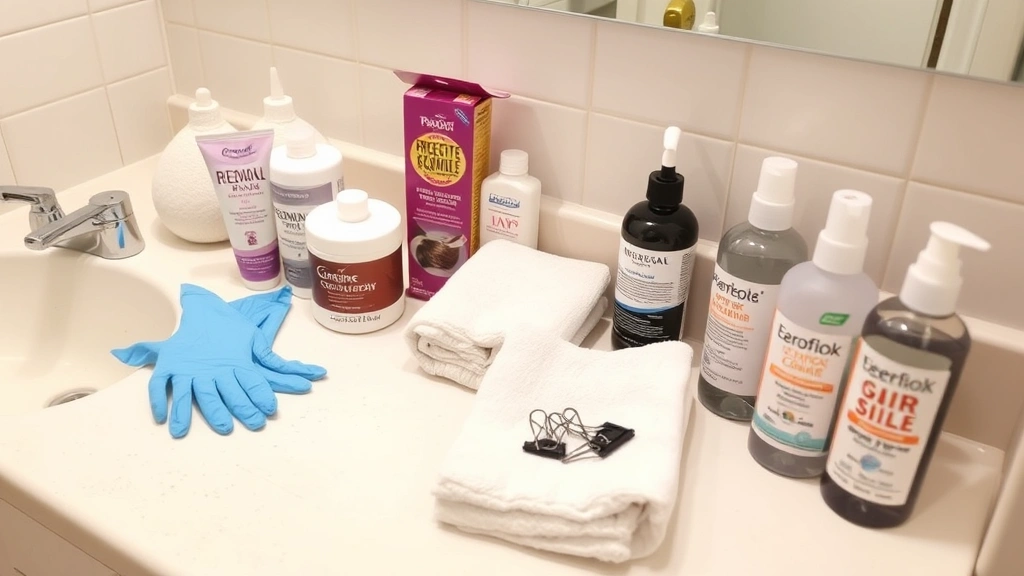
Wear old clothes and gloves that you don’t mind potentially staining. Disposable latex or nitrile gloves are inexpensive and prevent your hands from becoming dyed. Many dye kits include gloves, but if yours doesn’t, purchase them separately. Put on gloves before opening the dye bottle and keep them on throughout the entire process, including rinsing.
Use sectioning clips and careful application to minimize dye contact with skin. Apply dye in small, controlled sections rather than large quantities that might drip or run onto your skin. Work slowly and deliberately, especially around your face and hairline where staining is most visible.
Protect your bathroom surfaces by laying down old towels or plastic sheeting. This prevents panic about staining your bathroom if small spills occur and lets you focus on proper application technique rather than worrying about mess.
Consider having professional colorists handle your hair dye applications, especially if you’re trying a dramatic color change or complex technique. Professionals have extensive experience preventing stains and can apply color much more precisely than most home users.
When to See a Professional
While most hair dye stains respond well to home removal methods, certain situations warrant professional attention. If you experience allergic reactions such as severe itching, swelling, redness, or burning sensations, wash the area immediately and contact a dermatologist. Some people have sensitivities to specific dye ingredients, and a professional can recommend safe alternatives.
If a stain persists for more than 2-3 weeks despite consistent home treatment, see a dermatologist. While rare, occasionally dye can cause a reaction that requires professional treatment. A dermatologist can also recommend prescription-strength treatments if necessary and rule out other skin conditions that might be mimicking staining.
For extensive staining covering large areas of your body, professional cleaning services or dermatologists may have access to stronger treatments than typical home remedies. This is particularly relevant if dye has stained your scalp or if you’ve dyed your entire body accidentally.
Professional colorists can also provide guidance on preventing future stains and may use professional-grade removal products if you accidentally get stained during a salon appointment. Many salons include stain removal as part of their service if they caused the staining.
Check out Family Handyman’s extensive home care resources for additional cleaning and maintenance tips, though these focus more on home surfaces than personal care.
FAQ
How long does hair dye stain last on skin?
Most hair dye stains fade naturally within 5-7 days as your skin naturally sheds dead cells. With active removal treatments, you can typically eliminate stains within 24-48 hours. Stubborn marks from permanent dyes might take 2-3 weeks to fade completely. The darker your skin tone, the more visible stains may be, though the removal timeline remains similar.
Can hair dye permanently stain skin?
No, hair dye cannot permanently stain healthy skin. Your skin continuously regenerates, shedding dead outer cells and replacing them with new ones. The dye only affects these temporary outer layers. Even without treatment, stains will disappear as your skin naturally renews itself. However, if you have cuts, wounds, or severely damaged skin, dye might penetrate deeper and take longer to fade.
Is it safe to use rubbing alcohol on my face?
Rubbing alcohol is generally safe for facial use in small amounts, but it’s drying and can irritate sensitive facial skin. Always dilute it with equal parts water when using on your face, and follow up immediately with moisturizer. If you have very sensitive skin or active acne, choose gentler methods like oil-based treatments or lemon juice instead.
What’s the fastest way to remove hair dye from skin?
Rubbing alcohol or acetone-based nail polish remover works fastest, often showing results within 2-3 minutes. However, these methods are harsh. For a good balance of speed and gentleness, oil-based treatments combined with gentle rubbing provide excellent results within 10-15 minutes. The fastest method isn’t always the best choice for sensitive skin areas.
Why didn’t my hair dye wash off with regular soap?
Hair dyes are specifically formulated to resist water and regular cleansing—that’s what makes them effective on hair. Your skin’s natural oils and the dye’s composition create resistance to water-based cleaning. You need oil-soluble substances (like actual oils or alcohol) to break down the dye’s molecular bonds, which is why oil-based and alcohol-based methods work so much better than soap and water alone.
Can I prevent stains if I have very oily skin?
Yes, though oily skin actually makes stain prevention slightly easier since petroleum jelly and oil-based barriers work better on oily skin. The barrier creates a protective layer that prevents dye from contacting your skin. Use the same prevention strategies as everyone else, though you might find that oil-based barriers work exceptionally well for you. Just ensure you remove the barrier completely after dyeing to avoid leaving your skin extra oily.
Is henna dye harder to remove from skin than regular hair dye?
Yes, henna and other plant-based dyes are significantly harder to remove from skin than chemical hair dyes. They stain more deeply and resist standard removal methods. For henna stains, focus on oil-based treatments and exfoliating scrubs, and be prepared for the stain to persist for 2-4 weeks. Prevention is especially important with henna—apply extra-thick petroleum jelly barriers around your hairline.

Related Posts

Superscript in Google Docs: Expert Tips

Strikethrough in Excel: Easy Steps for Beginners
