
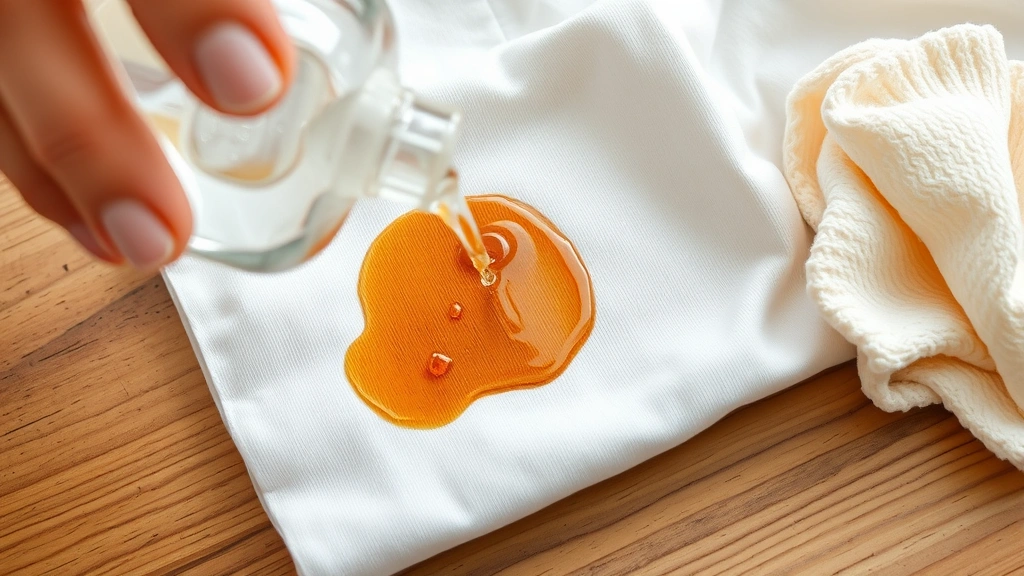
Remove Grease Stains? Expert Cleaning Tips
How to Remove Grease Stains from Clothes: Expert Cleaning Tips
Grease stains are one of the most stubborn and frustrating marks to remove from fabric. Whether you’ve splattered cooking oil during meal preparation, gotten engine grease on your work clothes, or accidentally transferred residue from a greasy surface, these stains seem to mock traditional washing methods. The challenge lies in the nature of grease itself—it’s hydrophobic, meaning it repels water and clings tenaciously to fabric fibers.
The good news is that with the right approach, knowledge, and materials, you can successfully eliminate even the most stubborn grease stains from your favorite garments. This comprehensive guide walks you through proven techniques that professionals use, from immediate treatment methods to advanced strategies for set-in stains. Whether you’re dealing with a fresh spill or a months-old mark, these expert tips will help restore your clothes to their original condition.
Understanding Grease Stains and Why They’re Difficult
Before diving into removal techniques, it’s helpful to understand why grease stains are so challenging. Grease molecules are lipophilic, meaning they bond strongly with fabric fibers while resisting water-based solutions. When you wash a greasy garment with regular detergent and water, you’re essentially trying to dissolve oil with a liquid that doesn’t naturally interact with it—similar to trying to mix oil and vinegar without an emulsifier.
The longer a grease stain sits on fabric, the more it oxidizes and bonds with the fibers. Fresh stains are significantly easier to remove than those that have been set in for weeks or months. Additionally, heat—whether from hot water or a clothes dryer—can actually set grease stains permanently by helping the oil penetrate deeper into the fabric structure. This is why many professionals recommend avoiding the dryer until you’ve confirmed the stain is completely gone.
Different types of grease require slightly different approaches. Cooking oil, butter, and animal fats respond well to certain solvents, while automotive grease and industrial oils may need stronger treatments. Knowing what type of grease you’re dealing with helps you select the most effective removal method.
Immediate Action: First Steps After a Spill
The moment you notice a grease stain, time is your greatest ally. Here’s what to do immediately:
- Don’t panic or rush to water: Your instinct might be to rinse the stain immediately, but water alone won’t help and may spread the grease further. Take a breath and gather your materials first.
- Blot excess grease: Use a clean, dry cloth or paper towel to gently blot the stain. Press down rather than rubbing, which can push grease deeper into fibers. Remove as much surface grease as possible without working it into the fabric.
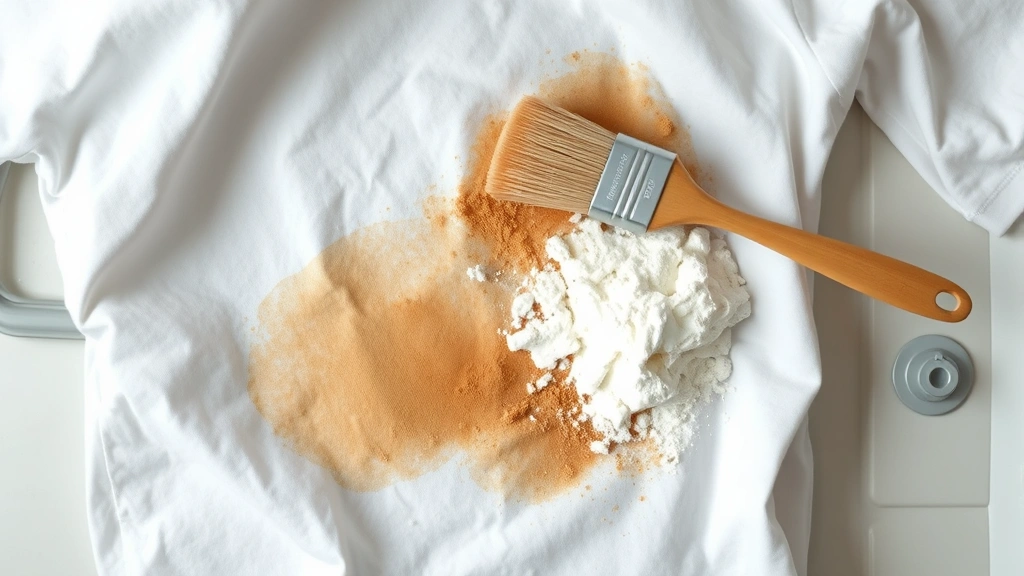
- Sprinkle absorbent material: Cover the wet stain with baking soda, cornstarch, talcum powder, or chalk. These materials absorb grease and prevent it from spreading. Let the powder sit for 10-15 minutes, then brush it away. This step can remove up to 50% of the grease before any liquid treatment.
- Check the care label: Before applying any cleaning solution, verify the fabric content and care instructions. This prevents damage to delicate materials.
This initial response is critical. Fresh grease that hasn’t fully bonded to fibers can often be removed with minimal intervention, whereas waiting even a few hours allows more penetration.
Pre-Treatment Methods for Fresh Stains
Once you’ve removed surface grease, it’s time to apply a pre-treatment solution. These methods work best on stains that are less than 24 hours old:
Dish Soap Method (Most Effective for Kitchen Grease)
Dish soap is formulated to break down grease—it’s literally designed for this purpose. Apply undiluted liquid dish soap directly to the dry stain and gently work it in with an old toothbrush or soft-bristled brush using circular motions. Let it sit for 5-10 minutes, then rinse with cold water. This method works because dish soap contains surfactants that surround grease molecules and allow water to wash them away. For best results, use a grease-cutting formula like Dawn or similar products.
Baking Soda Paste
Mix baking soda with a small amount of water to create a thick paste. Apply directly to the stain and let it dry completely—this may take 30 minutes to several hours. The baking soda absorbs grease while the paste dries. Once dry, brush away the powder and check the stain. Repeat if necessary. This method is gentler than harsh chemicals and works well on sensitive fabrics.
Rubbing Alcohol Treatment
Alcohol breaks down grease effectively without the harshness of industrial solvents. Dampen a cloth with rubbing alcohol and blot the stain repeatedly, working from the outside edges toward the center to prevent spreading. This method works particularly well on synthetic fabrics and works quickly—you’ll see results within minutes.
White Vinegar Solution
Mix equal parts white vinegar and water. Apply to the stain with a cloth and let sit for 15 minutes. While vinegar alone doesn’t dissolve grease as effectively as other methods, it can help break down residual grease and remove odors. For better results, combine this with one of the other methods above.
Deep Cleaning Techniques for Stubborn Marks
When fresh stain treatments don’t work, or you’re dealing with older set-in stains, these advanced techniques become necessary:
Solvent-Based Treatments
For stubborn grease stains, dry-cleaning solvents or specialized stain removers work more effectively than water-based solutions. Products like Fels-Naptha soap and commercial pre-wash sprays contain petroleum-based solvents that dissolve grease. Apply according to product directions, typically by spraying or rubbing onto the stain and allowing it to sit for 15-30 minutes before washing. Always test on an inconspicuous area first to ensure the solvent doesn’t damage or discolor the fabric.
Acetone Treatment (For Synthetic Fabrics)
Acetone—found in non-acetone nail polish remover—is highly effective on synthetic fabrics but can damage natural fibers like silk or wool. Dampen a cloth with acetone and dab the stain repeatedly. Work in a well-ventilated area as acetone has strong fumes. This method works quickly and is particularly useful for polyester and nylon garments.
Ammonia Solution
Mix one tablespoon of ammonia with one cup of water. Apply to the stain and let sit for 5-10 minutes. Never mix ammonia with bleach or chlorine-based cleaners, as this creates toxic fumes. Rinse thoroughly with cold water. This method works well for protein-based grease (like meat or dairy) combined with oil stains.
Enzyme-Based Stain Removers
These products contain enzymes that break down organic compounds in grease. Brands like OxiClean and similar enzyme cleaners are effective for grease combined with food residues. Apply, let sit according to directions (usually 30 minutes to overnight), then wash. These are gentler than chemical solvents and work well on most fabrics.
Combination Treatment for Stubborn Stains
For particularly resistant marks, combine methods: First apply dish soap and let sit for 10 minutes. Rinse with cold water. Then apply rubbing alcohol and let sit for 5 minutes. Rinse again. Finally, treat with an enzyme-based remover and let sit overnight before washing. This multi-pronged approach attacks the grease from different angles and yields better results than any single method on very old stains.

Washing and Drying Best Practices
Once you’ve applied pre-treatment, washing correctly is crucial to actually remove the grease rather than simply redistribute it:
Water Temperature Matters
This is counterintuitive: always use cold water for grease stains. Hot water can set grease stains permanently by opening fabric fibers and allowing grease to penetrate deeper. Cold water keeps fibers closed and prevents further absorption. Wash in the coldest water the fabric can tolerate.
Detergent Selection
Use a high-quality detergent formulated for grease removal. Liquid detergents generally work better than powders for grease because they’re already dissolved and can penetrate fabric immediately. Add slightly more detergent than normal—the extra surfactants help suspend grease particles so they wash away rather than redepositing on fabric. For tough stains, consider using a grease-fighting formula like Family Handyman’s recommended heavy-duty detergents.
Wash Cycle Selection
Use the gentle or delicate cycle for most fabrics to avoid damage, even though you’re treating a tough stain. Heavy agitation can damage delicate fibers and isn’t necessary since you’ve already loosened the grease with pre-treatment. For sturdy fabrics like work clothes or jeans, a normal cycle is acceptable.
Check Before Drying
This is absolutely critical: inspect the stain before putting the garment in the dryer. Heat from the dryer can permanently set any remaining grease. Lay the garment flat or hang it to air dry first. Once completely dry and you’ve confirmed the stain is gone, you can safely use the dryer if desired. If the stain remains, repeat the treatment process before drying.
Air Drying Advantages
Air drying is preferable for stain-treated garments because you can monitor the stain’s progress. Hang the item in sunlight if possible—UV rays have mild bleaching properties that can help fade residual stains. Air drying also eliminates the risk of heat-setting any remaining grease.
Special Fabrics and Delicate Materials
Different fabrics require tailored approaches to prevent damage while removing grease:
Wool and Cashmere
These delicate natural fibers require gentle treatment. Avoid harsh solvents and high heat. Use cold water, mild dish soap, and gentle blotting motions. Consider professional dry cleaning for expensive or sentimental wool garments, as aggressive treatment can damage the fiber structure and cause pilling or shrinkage.
Silk and Satin
These lustrous fabrics can be damaged by harsh chemicals and excessive rubbing. Apply only mild treatments like diluted dish soap or white vinegar solution. Blot gently rather than scrubbing. If the stain doesn’t respond to gentle methods within a few minutes, professional cleaning is recommended to avoid permanent damage to the finish.
Denim and Heavy Cotton
These sturdy fabrics can tolerate stronger treatments. Denim actually benefits from multiple aggressive treatments. You can safely use rubbing alcohol, acetone, or stronger solvents on denim without risk of damage. These fabrics also tolerate warmer water and mechanical scrubbing better than delicate materials.
Synthetic Blends
Most polyester and nylon blends tolerate a wide range of treatments, making them relatively easy to treat for grease stains. Acetone works particularly well on these fabrics. However, always test any solvent on a hidden seam or interior area first to check for discoloration.
For guidance on specialized fabric care, This Old House’s home care resources offer detailed fabric-specific recommendations.
Prevention Strategies
The easiest grease stain to remove is one that never happens. Implement these prevention strategies:
Protective Clothing
When cooking or working with greasy materials, wear an apron. This simple step prevents 90% of accidental grease transfers to your clothing. Keep old aprons specifically for messy tasks and reserve nicer aprons for appearance.
Proper Storage
Store greasy tools, lubricants, and cooking supplies away from your regular clothing. Keep work clothes separate from everyday wear. If you work with machinery or automotive grease regularly, designate specific work clothes that you don’t mind staining.
Immediate Response Protocol
Develop a habit of immediate action when spills occur. Keep paper towels, baking soda, and dish soap easily accessible in your kitchen and laundry area. The faster you respond, the easier removal becomes. If you’re prone to kitchen spills, keep a small container of baking soda and an absorbent cloth in your kitchen drawer for quick response.
Pre-Washing Habits
Before washing any garment that contacted grease, inspect it carefully. If you see even a small amount of grease, apply pre-treatment immediately rather than throwing it in with regular laundry. This prevents cross-contamination where grease might transfer to other garments.
Fabric Choice Considerations
When purchasing new clothing, consider how easily different fabrics show and retain grease stains. Darker colors and textured fabrics hide grease marks better than light colors and smooth finishes. If you work in environments with grease exposure, prioritize easily cleanable synthetic fabrics over delicate natural fibers.
FAQ
Can I use hot water to remove grease stains?
No—hot water is counterproductive for grease stains. Heat opens fabric fibers and allows grease to penetrate deeper, potentially setting the stain permanently. Always use cold water for grease removal. Hot water is only appropriate after you’ve completely removed the grease and want to wash the garment normally.
What’s the best product to remove old grease stains?
For old, set-in stains, enzyme-based removers combined with solvent treatments work best. Apply an enzyme remover like OxiClean and let sit overnight, then follow with a solvent-based pre-wash spray before washing. For very stubborn stains on work clothes, repeated applications over several days sometimes work better than a single aggressive treatment.
Will baking soda remove all types of grease?
Baking soda works as an absorbent for fresh grease and can remove significant amounts, but it’s not sufficient alone for all grease types. It works best combined with other methods. Use baking soda as a first step, then follow with dish soap or another solvent-based treatment for complete removal.
Is dry cleaning necessary for grease stains?
Professional dry cleaning is helpful but not always necessary. Most grease stains can be removed at home using the methods described in this guide. However, professional dry cleaning is recommended for expensive garments, delicate fabrics like silk or cashmere, or stains that haven’t responded to home treatments after multiple attempts.
Can vinegar remove grease stains?
Vinegar alone has limited effectiveness on pure grease stains because it’s primarily acidic and doesn’t dissolve oil well. However, vinegar can help remove residual grease after other treatments and is excellent for removing greasy odors. Combine vinegar with other methods like dish soap for better results on grease-food combination stains.
How long should I let pre-treatment sit?
Pre-treatment duration varies by method: dish soap typically needs 5-10 minutes, baking soda paste needs 30 minutes to several hours until completely dry, rubbing alcohol needs only 2-5 minutes, and enzyme-based removers work best with 30 minutes to overnight sitting time. Longer isn’t always better—extended exposure can sometimes damage delicate fabrics, so follow specific product recommendations.
What if the stain returns after washing?
If grease reappears after washing, the stain wasn’t completely removed. Air dry the garment and repeat the pre-treatment process. Never put it in the dryer if grease remains, as heat will set it permanently. Multiple treatment cycles may be necessary for very stubborn stains—patience and persistence work better than aggressive single treatments.

Related Posts

Superscript in Google Docs: Expert Tips

Strikethrough in Excel: Easy Steps for Beginners
