
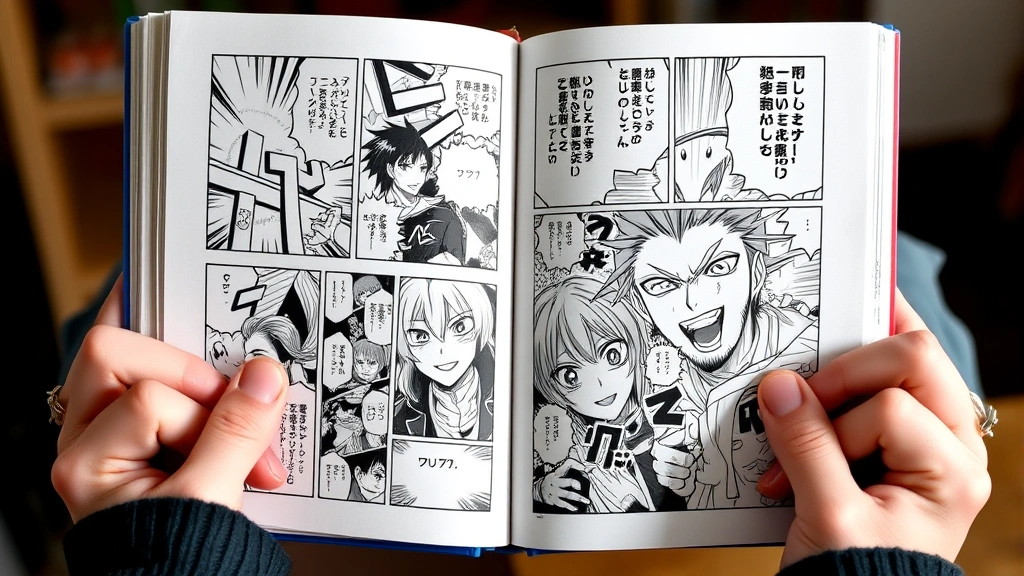
How to Read Manga: Beginner’s Guide
How to Read Manga: Beginner’s Guide to Japanese Comics
Manga has exploded in popularity over the past decade, captivating millions of readers worldwide with its distinctive art style, compelling storytelling, and incredible diversity of genres. Whether you’re drawn to action-packed adventures, romantic comedies, psychological thrillers, or slice-of-life narratives, there’s a manga series waiting to become your new obsession. But if you’re new to this medium, the prospect of diving in might feel slightly intimidating—especially when you realize there’s a specific way to read these Japanese comics that differs from Western graphic novels.
The good news? Learning how to read manga is genuinely straightforward once you understand the fundamentals. In this comprehensive guide, we’ll walk you through everything you need to know to start your manga journey with confidence. From understanding panel layouts and reading direction to discovering where to find manga and choosing your first series, we’ve got you covered. By the time you finish reading this, you’ll be ready to pick up any manga and dive right in.
Understanding Manga: What You Need to Know
Before we dive into the mechanics of reading manga, let’s establish what manga actually is. The term “manga” refers to Japanese comics and graphic novels, representing a massive industry that spans decades and encompasses virtually every genre imaginable. Unlike Western comics, which typically feature colorful illustrations on glossy paper, traditional manga is printed in black and white on cheaper paper stock, making it more affordable and accessible to readers.
The cultural significance of manga in Japan cannot be overstated. It’s not just entertainment for children—manga is consumed by people of all ages, from elementary school students to elderly readers. There are manga categories specifically designed for different demographics: shonen (targeting young boys), shojo (targeting young girls), seinen (targeting adult men), and josei (targeting adult women). This segmentation helps readers find stories that resonate with their interests and maturity level.
One fascinating aspect of manga is how it influenced global pop culture. The manga industry generates billions of dollars annually, and many series have been adapted into anime (animated television series), live-action films, and merchandise. If you’ve ever watched anime or seen Japanese animation, you’ve already encountered storytelling that originated in manga form.
Understanding the cultural context helps you appreciate manga more deeply. The narrative pacing, character development, and artistic techniques all reflect Japanese storytelling traditions that have evolved over generations. When you’re learning how to read manga, you’re also absorbing a unique cultural medium that has its own conventions and aesthetic principles.
Reading Direction: Right to Left Explained
Here’s the biggest difference between manga and Western comics: manga is read from right to left, not left to right. This is the single most important thing to understand when starting your manga journey. Your brain has been trained since childhood to read English text from left to right, so this reversal requires conscious effort at first—but it becomes natural surprisingly quickly.
When you open a manga book, what appears to be the “back” in Western terms is actually the front. The spine is on the right side rather than the left. This might seem confusing initially, but it mirrors the traditional way Japanese is read and written. Many manga published in English are flipped (mirrored) to accommodate Western reading habits, though some publishers maintain the original right-to-left format.
The right-to-left reading direction affects more than just panel order—it influences how artists compose their pages. Manga artists deliberately design their layouts knowing readers will scan from right to left, creating a natural flow that guides your eye through the story. Understanding this principle helps you appreciate the intentional artistry behind each page.
If you’re reading a manga in its original Japanese format, the right-to-left direction is absolute. However, if you’re reading a translated English version, check the publisher’s note—some maintain the original orientation while others flip it for Western audiences. Both approaches are valid; it just depends on the publisher’s preference and the specific release.
Decoding Panel Layouts and Flow
Manga pages don’t follow a uniform grid system like some Western comics do. Instead, panel sizes and arrangements vary dramatically based on the pacing and emotional impact the artist wants to create. Understanding how to navigate these layouts is essential to reading manga smoothly.
Typically, panels are read from top to bottom, right to left within each row. However, manga artists often use unconventional layouts where larger panels dominate portions of the page while smaller panels cluster in corners. The general rule: follow the largest panel first, then work through smaller panels in reading order. When in doubt, look for speech bubbles or narrative boxes—they’re designed to guide your eye through the intended sequence.
Panel size communicates pacing and emotion. A full-page splash (a single massive illustration) creates dramatic impact and slows the narrative tempo, allowing readers to absorb a crucial moment. Conversely, rapid-fire small panels convey action, urgency, and quick exchanges of dialogue. By recognizing these visual cues, you’ll develop an intuitive understanding of how to navigate even complex page layouts.
Double-page spreads are common in manga, where two facing pages form one continuous image. These are typically read as a single unit and create spectacular visual moments. When you encounter a spread, take a moment to appreciate the composition before diving into the specific reading order.
One helpful tip: if you ever get confused about panel order, right-click on digital manga to check publisher guidelines or consult reader forums where enthusiasts clarify confusing layouts. Many manga communities actively help newcomers navigate tricky page arrangements.
Manga Sound Effects and Visual Language
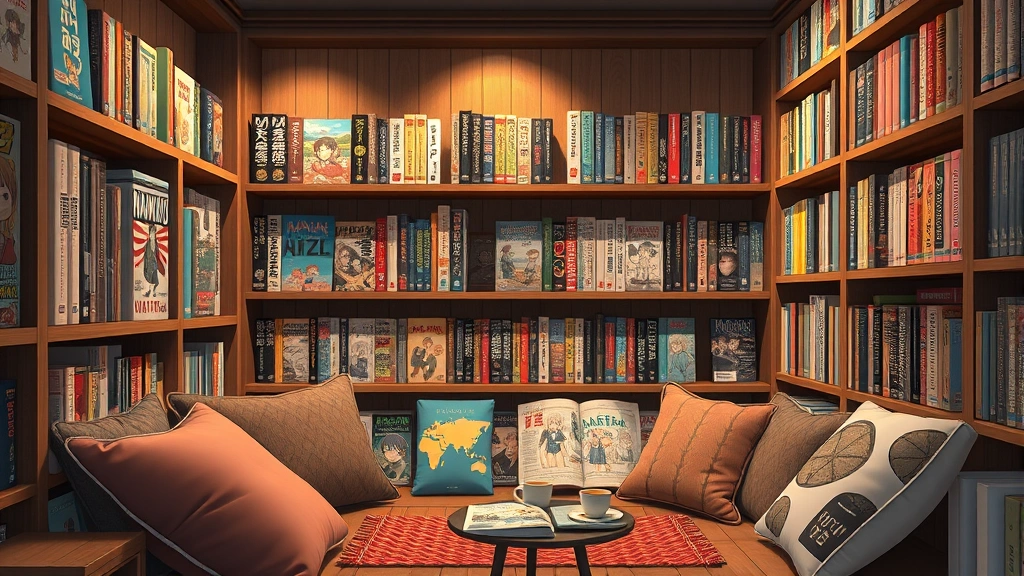
Manga employs a visual language that extends far beyond dialogue. Sound effects, or onomatopoeia, are crucial to the reading experience. Unlike Western comics that typically place sound effects in bubbles labeled “CRASH!” or “BOOM!”, manga integrates sound effects directly into the artwork as stylized text. A character might punch someone with a massive “DODON!” written across the impact, or a door might slide open with “SHUU” flowing across the panel.
Many manga published in English retain the original Japanese sound effects alongside English translations, or sometimes replace them entirely with English equivalents. Some readers prefer the original Japanese onomatopoeia because they believe it preserves the artistic intent and adds authenticity to the experience. Others prefer English translations for clarity. Both are valid reading preferences.
Beyond sound effects, manga uses visual shorthand to convey emotions and situations. Exaggerated expressions communicate feelings instantly—characters might have enormous sweatdrops on their foreheads to indicate nervousness, or their eyes might transform into hearts to show romantic interest. Speed lines create a sense of motion, while screen tone (shading patterns) adds depth and atmosphere. These visual conventions are consistent across manga and become intuitive as you read more.
Understanding this visual language enriches your manga experience significantly. You’ll start recognizing recurring symbols and artistic techniques that enhance storytelling. For instance, characters often have visible aura lines around them when they’re experiencing strong emotions, or their eyes might become dark shadows to indicate a sinister mood shift. These aren’t random artistic choices—they’re deliberate communication tools that manga artists use to convey subtext and emotional nuance.
Where to Find and Purchase Manga
The manga industry has exploded in accessibility over recent years. You have numerous options for acquiring manga, whether you prefer physical books or digital formats. Major bookstore chains like Barnes & Noble, independent bookstores, and online retailers like Amazon stock extensive manga collections. Most cities have at least one dedicated manga or anime shop where staff can provide personalized recommendations.
If you want to explore manga before committing to purchases, your local library likely carries manga titles. Many libraries have dedicated graphic novel sections with substantial manga collections. Librarians can often recommend series based on your interests and reading level, making libraries excellent resources for discovering new favorites without financial commitment.
For digital reading, several platforms specialize in manga distribution. Viz Media offers both free and premium manga through their website and mobile apps. Webtoon features primarily digital-native comics and manga from various countries. ComiXology provides a massive catalog including manga titles. Subscription services like Crunchyroll Manga offer unlimited access to thousands of titles for a monthly fee, similar to how you might find hidden apps on iPhone by exploring system settings.
Manga prices typically range from $10-15 per volume for English translations, though prices vary by publisher and format. Used manga is often available at lower prices through online marketplaces and used bookstores, making it budget-friendly to build your collection. Some manga enthusiasts start with used copies of popular series before investing in new releases of their favorite ongoing stories.
Choosing Your First Manga Series
With thousands of manga series available, choosing where to start can feel overwhelming. The best approach is identifying what genres and themes appeal to you, then exploring recommendations within those categories. If you enjoy action and adventure, series like One Piece or My Hero Academia are excellent entry points. If you prefer romance and relationships, Kaguya-sama: Love is War or Fruits Basket offer engaging storytelling.
Consider starting with completed series rather than ongoing ones. Finished manga provides satisfying conclusions without the wait between volume releases. Popular completed series like Death Note, Fullmetal Alchemist, and Natsume’s Book of Friends offer complete narratives and are widely available.
Don’t hesitate to try multiple series simultaneously. Unlike novels, manga volumes are typically shorter (200-250 pages), allowing you to read several series in parallel without feeling overwhelmed. This approach helps you discover what resonates with you personally. You might find that a series you thought you’d love doesn’t grip you, while an unexpected recommendation becomes your new favorite.
Online communities like Reddit’s r/manga subreddit provide excellent recommendations based on specific interests. These communities actively help newcomers find appropriate starting points and answer questions about how to read manga effectively. Engaging with fellow readers enhances your manga experience and helps you discover hidden gems.
Digital vs. Physical: Format Considerations
The eternal debate: should you read manga digitally or purchase physical volumes? Both formats have distinct advantages, and many readers enjoy both depending on circumstances.
Physical Manga Benefits:
- Tangible ownership and collection satisfaction
- No internet connection required for reading
- Supportive of publishers and artists directly through sales
- Beautiful artwork fully appreciated on paper
- No screen fatigue during extended reading sessions
- Resale value for building community lending libraries
Digital Manga Benefits:
- Instant access to thousands of titles
- Space-efficient for readers with limited storage
- Often more affordable through subscription services
- Convenient reading anywhere via smartphone or tablet
- Ability to adjust text size for accessibility
- Environmental benefits of reduced paper consumption
Many dedicated manga readers employ a hybrid approach: they purchase physical copies of their absolute favorite series while reading newer or experimental series digitally. This strategy balances supporting creators for work you love with the convenience and affordability of digital access.
If you’re concerned about finding blocked numbers on iPhone or other device management issues while reading digital manga, most reading apps function smoothly on any modern smartphone. Compatibility typically isn’t a concern with major platforms.
Consider also that some manga series are only available in certain formats. Recent releases often arrive digitally before physical publication, while older, out-of-print series might only be accessible through used physical copies or digital archives. Format flexibility ensures you can access the stories you want to read.
Frequently Asked Questions
Do I have to read manga in Japanese to experience it “authentically”?
Absolutely not. High-quality English translations preserve the story, characters, and emotional impact of manga. Many readers discover manga through English translations and develop deep connections to these stories. While learning Japanese offers additional cultural context, it’s not necessary to enjoy and appreciate manga thoroughly.
What’s the difference between manga and manhwa or manhua?
Manga specifically refers to Japanese comics. Manhwa is the Korean equivalent, while manhua refers to Chinese comics. All three are read left to right in their original formats (though some translations flip them). They share similar artistic styles but have distinct cultural origins and storytelling traditions. Many readers enjoy all three formats.
Is there manga appropriate for all ages?
Yes. Manga categories explicitly target different age groups and maturity levels. Shonen manga is generally appropriate for ages 12+, though some contains violence. Shojo manga typically suits ages 13+. Seinen and josei are adult-oriented and may contain mature content. Always check age recommendations before purchasing manga for younger readers.
How long does it take to read a manga volume?
Most manga volumes take 1-3 hours to read, depending on your reading speed and the complexity of the artwork. Some volumes with dense dialogue take longer, while action-heavy volumes might read faster. The variable pacing is part of manga’s charm.
Should I watch the anime or read the manga first?
Many manga enthusiasts recommend reading manga first, as it’s the original source material and often includes details that anime adaptations omit. However, watching anime first can create interest in exploring the manga further. There’s no “correct” order—choose based on your preference and availability.
Can I learn Japanese by reading manga?
Reading manga can supplement Japanese language learning, especially if you read original Japanese versions. However, manga isn’t an ideal primary learning resource due to casual dialogue and stylized language. Pair manga reading with formal language study for best results. Understanding how to pronounce Qatar properly demonstrates the value of studying language fundamentals before diving into media consumption.
What if I don’t understand a panel layout?
Don’t worry—this happens to experienced readers too. If you’re confused, look for the next clear speech bubble or narrative box. Online manga communities are incredibly helpful; you can post a photo of the confusing page and ask for clarification. Most readers are happy to explain complex layouts to newcomers.
Is it expensive to collect manga?
Manga can be as expensive or affordable as you make it. Starting with your library or digital platforms costs nothing. Used manga is significantly cheaper than new volumes. Subscription services provide unlimited access for $5-15 monthly. You can enjoy manga on virtually any budget.
How do I know which manga translation to buy?
Major publishers like Viz Media, Kodansha, and Seven Seas Entertainment produce high-quality translations. For popular series, multiple translations might exist. Check online reviews comparing different versions if available. For most readers, any official English translation is excellent and preserves the original storytelling.

Related Posts

How Long to Boil Lobster Tails: Cooking Guide

How Long to Fly from New York to London? Travel Times
