

How to Rack Pool Balls: Expert Guide
How to Rack Pool Balls: Expert Guide
There’s something oddly satisfying about perfectly racking a set of pool balls. Whether you’re setting up for a casual game with friends or preparing for a serious match, knowing how to rack pool balls correctly can actually impact how the game plays out. It’s not just about tossing the balls into a triangle and calling it done—there’s genuine technique involved, and mastering it will earn you respect at any pool table.
If you’ve ever watched experienced players rack a set of balls, you might have noticed they approach it with deliberate precision. They’re not overthinking it, but they’re certainly not winging it either. The way you arrange those 15 balls can affect break strategy, game flow, and overall fairness. Let’s dive into what makes a proper rack and why it actually matters more than you might think.
Understanding Pool Ball Racking Basics
Before we get into the nitty-gritty of specific racking methods, let’s establish what racking actually is and why it matters. Racking is the act of arranging the 15 object balls (or fewer, depending on the game) into a tight, organized formation before the break shot. The goal is simple: create a compact triangle that’s hard to break apart, ensuring a fair and exciting opening shot.
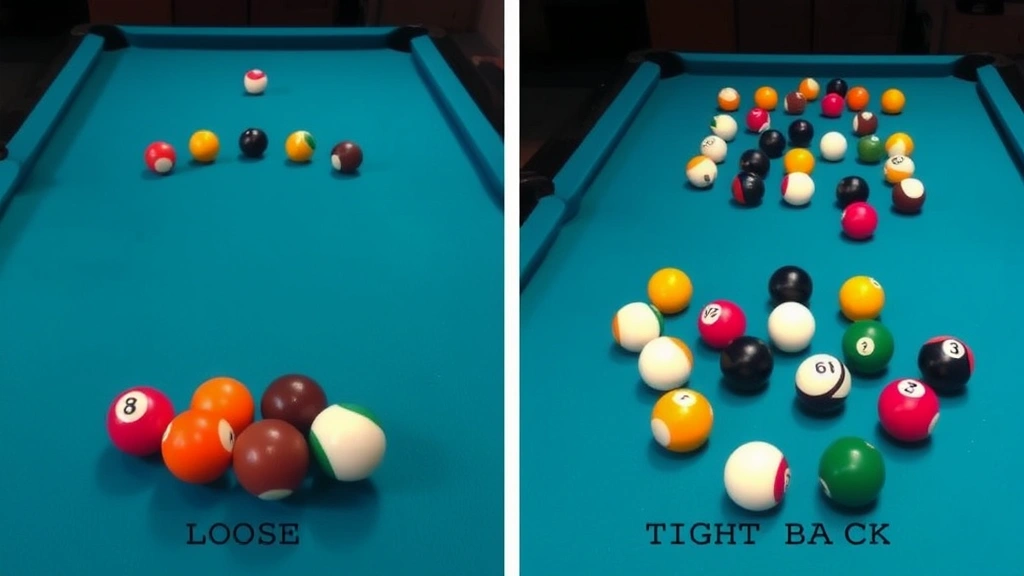
The reason precision matters here is that a loose or poorly arranged rack can significantly favor the player breaking. Balls that aren’t tightly packed together will scatter unpredictably, sometimes resulting in no balls falling into pockets despite a solid break. Conversely, a properly racked set of balls will break cleanly, with balls spreading across the table in a more balanced way. This is why tournament players and serious enthusiasts take racking seriously.
One thing worth noting: different pool games require different racking configurations. Eight-ball, nine-ball, and ten-ball all have their own specific arrangements. Learning the differences ensures you’re playing by the rules and giving everyone a fair shot at the game. If you’re interested in exploring other games that require similar precision and skill, you might enjoy learning how to play Spades, which demands its own strategic thinking.

The Standard 8-Ball Rack Setup
Eight-ball is the most popular pool game in bars, homes, and casual settings worldwide. The standard rack for eight-ball is straightforward but requires attention to detail. You’ll be arranging 15 balls into a triangular formation, with specific rules about which balls go where.
The Basic Formation
Start by placing the rack (the triangular frame) on the pool table with the apex (the point) on the foot spot. The foot spot is the small marking on the table about one-quarter of the way from the foot rail. Position the rack so the point faces the center of the table toward the head, which is where the player breaking will be positioned.
Now for the arrangement itself. The 8-ball (black ball with the number 8) must go in the center of the rack. This is non-negotiable in standard eight-ball play. One corner ball should be a solid, and the opposite corner should be a stripe. The remaining 12 balls can be arranged randomly around these positions, but they must be tightly packed.
Step-by-Step Racking Process
- Position the rack: Place it on the foot spot with the point facing the center of the table
- Place the 8-ball: Position it dead center in the triangle
- Add corner balls: Put one solid in the left corner and one stripe in the right corner (or vice versa)
- Fill remaining spaces: Arrange the other 12 balls randomly but ensure they’re all touching
- Check tightness: Gently shake the rack from side to side; balls shouldn’t move
- Carefully remove the rack: Lift it straight up without disturbing any balls
The key here is making sure every single ball is touching at least one other ball. If you spot a gap, adjust the balls until they’re snug. This tight packing is what creates that satisfying break where balls scatter across the table with momentum.
Why This Configuration Works
The placement of the 8-ball in the center isn’t arbitrary. Historically, it was placed there to prevent one player from having an unfair advantage. By keeping it central and protected, neither solids nor stripes have a strategic advantage based on racking alone. The corner ball requirements ensure that both stripes and solids are equally represented at the edges, where break impact tends to be strongest.
9-Ball Racking Techniques
Nine-ball is a different beast entirely. It’s faster-paced, more strategic, and requires a completely different racking approach. Instead of 15 balls, you’re working with just 9 numbered balls, arranged in a diamond formation rather than a triangle.
The Diamond Formation
The diamond rack looks like a rotated square, with balls arranged in a pattern that goes: one ball at the top point, two balls in the next row, three in the middle, two below that, and one at the bottom. The 1-ball must be at the top point (facing the breaker), and the 9-ball must be in the center of the diamond. All other balls can be arranged randomly around these two positions.
Racking 9-Ball Step-by-Step
- Use a diamond-shaped rack: These are specifically designed for nine-ball play
- Position at the foot spot: Just like with eight-ball, place it on the foot spot
- Place the 1-ball: Put it at the top of the diamond (the point facing the breaker)
- Place the 9-ball: Position it in the very center of the diamond formation
- Fill remaining positions: Arrange balls 2-8 in the remaining spots randomly
- Ensure tight packing: Every ball should touch its neighbors
- Remove the rack: Lift straight up and away from the formation
Nine-ball play emphasizes speed and accuracy. The diamond formation is tighter and more compact than the triangle, which means it breaks differently. Players who are learning how to play Cribbage will appreciate that nine-ball also rewards careful planning and tactical thinking, just in a different way.
Why 9-Ball Uses a Diamond
The diamond shape creates a more balanced break opportunity. Because the 1-ball is at the apex and must be contacted first (per nine-ball rules), the diamond formation ensures fair access to the 1-ball regardless of where the cue ball is positioned. It’s a game design that emphasizes strategy over luck, which is why it’s popular in tournaments.
Essential Tools and Equipment
You don’t need much to rack pool balls properly, but having the right equipment makes a significant difference in consistency and ease.
The Rack Itself
Racks come in different styles. Triangle racks are standard for eight-ball, while diamond racks are used for nine-ball. Some players prefer plastic racks for casual play, while tournament-grade racks are often made from quality hardwood. The material matters less than the shape and precision of the rack. A warped or poorly made rack can lead to inconsistent formations, so investing in a decent one is worthwhile.
The Balls
Quality matters here too. Professional-grade pool balls are made from phenolic resin and maintain their shape and weight consistency. Cheaper balls can be slightly uneven, which affects how they break and roll. For casual home play, standard pool balls are fine, but if you’re serious about the game, upgrading to better balls is a smart move.
The Table and Foot Spot
Make sure your pool table is level. A tilted table will affect how balls roll after the break. Most quality tables have leveling feet for adjustment. The foot spot should be clearly marked on your table—it’s usually a small diamond or circle about one-quarter of the way from the foot rail. This is where you’ll position your rack every single time.
Optional but Helpful Tools
Some advanced players use ball markers or position guides to ensure consistency, especially in tournament settings. These aren’t necessary for casual play, but they can help you develop muscle memory and consistent racking technique.
Common Racking Mistakes to Avoid
Even experienced players occasionally slip up with racking. Here are the most common mistakes and how to avoid them:
Loose Balls
This is the number one racking mistake. Balls that aren’t touching create gaps that allow the formation to collapse unevenly during the break. Take your time to ensure every ball is snug against its neighbors. If you notice a gap, gently adjust the balls until they’re all touching.
Incorrect Ball Placement
In eight-ball, forgetting that the 8-ball must be in the center, or placing solids and stripes incorrectly in the corners, violates standard rules. In nine-ball, if the 1-ball isn’t at the top or the 9-ball isn’t in the center, the rack is invalid. Double-check these positions before removing the rack.
Using the Wrong Rack Type
Using a triangle rack for nine-ball or a diamond rack for eight-ball won’t work. Each game has a specific rack shape for a reason. Make sure you’re using the correct rack for the game you’re playing.
Removing the Rack Too Quickly or Carelessly
Lift the rack straight up with a smooth, deliberate motion. Pulling it to the side or jerking it can disturb the formation you just carefully arranged. Some experienced players even hold the bottom of the balls gently as they remove the rack to prevent shifting.
Placing the Rack in the Wrong Position
The foot spot is your reference point. Always position the rack apex on the foot spot, never closer to or farther from the foot rail. Consistent positioning is key to fair play and predictable breaks.
Pro Tips for Tournament Play
If you’re moving beyond casual home play and considering tournaments or competitive matches, racking takes on even greater importance. Here’s what the pros know:
Develop a Routine
Tournament players rack the same way every single time. They position the rack, arrange the balls in the same order, check tightness the same way, and remove it with the same motion. This consistency breeds confidence and eliminates variables that could affect your game.
Rack Tightness Matters More Than You Think
A loose rack favors the breaker; a tight rack creates a more balanced break. In tournament settings, both players want fairness, so a properly tight rack is essential. Some tournaments even have officials who inspect racks before play begins.
Learn to Rack Left-Handed Too
If you’re right-handed, you can reach the foot spot comfortably. But if you’re left-handed or if the table positioning requires it, you should be able to rack from either side of the table. This flexibility is a mark of a skilled player.
Pay Attention to Table Conditions
If the felt is worn or dirty, it can affect how balls sit and break. Some players lightly brush the area around the foot spot before racking to ensure a clean surface. It’s a small detail, but it shows attention to the game.
Watch How Experienced Players Rack
If you’re learning, observation is invaluable. Watch tournament players, watch videos from reputable sources like This Old House’s skill guides, and notice the deliberate, methodical approach they take. There’s a rhythm to proper racking that becomes second nature with practice.
If you’re interested in mastering other skills with similar precision, you might want to explore how to play Spoons, which also rewards careful technique. Or if you’re musically inclined, learning how to tune a guitar or how to read guitar tabs involves similar methodical approaches to skill development.
Practice Your Break Shot
A well-racked set of balls is only half the equation. Your break shot technique also affects the outcome. For detailed guidance on break mechanics, check out Family Handyman’s pool table maintenance and play guide. The combination of proper racking and a solid break technique is what separates casual players from competitive ones.
Frequently Asked Questions
Can I rack the balls however I want in casual play?
Technically, in very casual settings, some flexibility exists. However, sticking to the standard racking configuration even in casual play is best practice. It keeps everyone on the same page and maintains the integrity of the game. Plus, it’s good habit building if you ever play more competitively.
What if I don’t have a proper rack?
While not ideal, you can manually arrange balls into the proper formation without a rack. It’s trickier and less consistent, but it’s possible. However, investing in a proper rack is inexpensive and makes the process much easier. Most quality racks cost between $20-$50.
Do I need different racks for 8-ball and 9-ball?
Yes, technically you do. Eight-ball uses a triangle rack, and 9-ball uses a diamond rack. If you play both games regularly, having both racks on hand is convenient. However, some universal racks can accommodate both configurations, though they’re less common.
Why is the 8-ball always in the center?
The 8-ball is placed in the center to maintain game balance. It’s the most important ball in eight-ball play (the ball you must sink last to win), so keeping it centrally positioned prevents either solids or stripes from having an unfair strategic advantage based on racking alone.
How tight should the balls be?
They should be snug enough that you can’t move individual balls by pushing on them. When you shake the rack gently from side to side, nothing should shift. If balls are moving, tighten the formation before removing the rack.
Does racking affect the break?
Absolutely. A loose rack can result in a weak break with minimal ball movement. A properly tight rack allows the cue ball’s energy to transfer efficiently through the formation, creating a more dynamic and fair break.
What’s the difference between casual and tournament racking?
In casual play, racking is more relaxed. In tournaments, there are official standards, and racks are often inspected before play. Tournament play emphasizes consistency and fairness, so racking is done with greater precision and often by designated officials.
Can I practice racking like a pro?
Absolutely. Set up your table and practice racking 20-30 times in a row. Focus on consistency, tightness, and the smooth removal of the rack. With repetition, it becomes muscle memory, and you’ll develop the same professional approach as experienced players. For additional skill-building resources, Home Depot’s recreational games section offers quality equipment and guides.

Related Posts

How Long to Boil Lobster Tails: Cooking Guide

How Long to Fly from New York to London? Travel Times
