
How to Insert a Tampon: Step-by-Step Guide
How to Insert a Tampon: A Complete Step-by-Step Guide
Let’s be honest—nobody’s first tampon experience comes with a manual that actually makes sense. Whether you’re navigating this for the first time or just need a refresher on proper insertion technique, you’ve come to the right place. Understanding how to put a tampon in correctly isn’t just about comfort; it’s about confidence and making your period a non-event in your daily life.
Tampons remain one of the most popular menstrual products, and for good reason. They’re discreet, convenient, and when inserted properly, completely undetectable. The key to a positive experience lies in understanding the anatomy involved, choosing the right absorbency level, and mastering the insertion technique. This guide walks you through everything you need to know, from preparation to troubleshooting common issues.
The learning curve is real, but it’s temporary. Most people find their rhythm within a few tries, and soon the process becomes second nature. Let’s demystify this once and for all.
Understanding Tampons and Absorbency Levels
Before you even think about insertion, you need to understand what you’re working with. Tampons come in different absorbency levels: light, regular, super, and super plus. Choosing the right one matters more than you might think. Using a tampon that’s too absorbent can disrupt your natural vaginal flora and increase the risk of toxic shock syndrome, while one that’s too light means frequent changes and potential leakage.
Most people start with regular absorbency and adjust from there based on their flow. Pay attention to how often you need to change your tampon—ideally every 4-8 hours. If you’re changing every couple of hours, try a higher absorbency. If you’re leaving one in for the full 8 hours with minimal flow, you might be able to go lighter.
Tampons also come in two main applicator styles: plastic and cardboard. Plastic applicators tend to glide more smoothly, while cardboard ones are more compact and eco-friendly. Some people prefer one over the other, so don’t hesitate to experiment. You might also encounter tampons with no applicator at all—these require manual insertion with your finger, which is a valid option once you’re comfortable with the process.

Preparation and What You’ll Need
Successful tampon insertion starts before you even enter the bathroom. First, wash your hands thoroughly with soap and warm water. This isn’t optional—it’s essential hygiene. You’re about to touch a sensitive area, and clean hands prevent introducing bacteria.
Gather everything you need beforehand: your tampon, a small trash can or bag for disposal, and perhaps some toilet paper. Having everything within arm’s reach means you won’t be fumbling around mid-process. Some people also keep a backup tampon nearby in case the first insertion doesn’t go smoothly.
Choose a comfortable, private setting where you can relax. Tension and anxiety make insertion significantly harder because your muscles naturally tighten. Take a few deep breaths. If you’re nervous, remind yourself that millions of people insert tampons successfully every single day. Your body is designed for this, and once you understand the mechanics, it becomes remarkably straightforward.
Consider your positioning. Many people prefer sitting on the toilet, while others stand with one foot elevated on the toilet seat or bathtub. Experiment to find what works best for your body. The goal is a position that gives you good access and control while feeling stable and relaxed.
The Insertion Method: Step-by-Step
Now for the main event. Here’s exactly how how to insert a tampon using proper technique:
- Remove the tampon from its wrapper. Hold the applicator with your fingers positioned on the ridged grip section. The smaller tube (the part that pushes the tampon out) should be visible at the bottom.
- Relax your body. Take a deep breath. Tension in your pelvic floor muscles makes insertion uncomfortable. If you’re struggling, pause and breathe for a moment.
- Locate your vaginal opening. Using your other hand, gently spread your labia to find the opening. It’s below your urethra (where you urinate) and above your anus. If you’re unsure, you can use a mirror to familiarize yourself with your anatomy—there’s zero shame in this.
- Angle the applicator correctly. This is crucial. The vaginal canal doesn’t go straight up; it angles slightly toward your back. Insert the applicator at approximately a 45-degree angle, aiming toward the small of your back rather than straight upward.
- Insert gently but firmly. Push the applicator into your vagina until your fingers touch your body. The entire outer tube should be inside. Don’t force it or jam it in—smooth, steady pressure works best. If you encounter resistance, pause, relax, and try again. Never force a tampon.
- Push the inner tube. Once the applicator is fully inserted, use your index or middle finger to push the inner tube forward. This ejects the tampon deeper into your vagina, where it should sit comfortably.
- Remove the applicator. Gently pull the applicator out and dispose of it properly. The tampon’s string should remain outside your body for easy removal later.
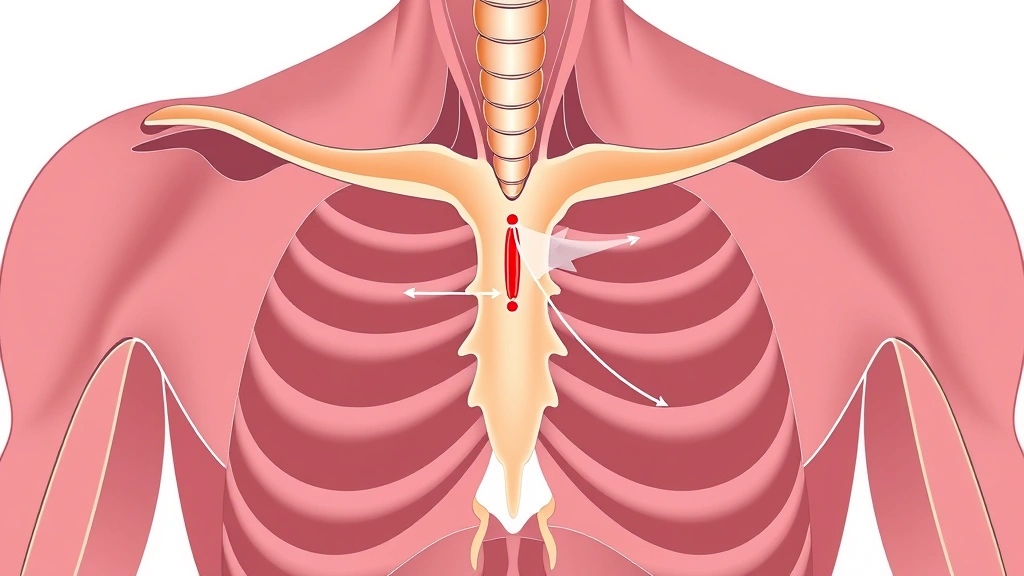
Getting the Positioning Right
Here’s something they don’t always tell you: proper positioning makes all the difference between comfort and constant awareness of your tampon. When inserted correctly, you shouldn’t feel it at all. If you feel it, it’s usually not inserted far enough.
The vagina is a muscular canal that angles backward. Many insertion failures happen because people try to insert straight up. Remember that 45-degree angle toward your back. Once you’ve successfully inserted a tampon, pay attention to how it feels. That’s your baseline for future insertions.
The tampon should sit in your vagina, held in place by your vaginal muscles. It won’t fall out during normal activities—your body is very good at keeping things where they belong. The only time you need to worry is during particularly intense activities, but even then, tampons are remarkably secure.
If you’re experiencing discomfort after insertion, check your positioning. Common issues include inserting too high (rare, but possible), inserting at the wrong angle, or not inserting deep enough. You can adjust by removing the tampon and reinserting it. There’s no limit to how many times you can try—use a new tampon each time, though, for hygiene reasons.
The Comfort Check and Removal
Once your tampon is in, do a comfort check. Walk around for a minute or two. Sit down. Stand up. Move your body. You should feel absolutely nothing. If you feel pressure, discomfort, or awareness of the tampon, something’s not quite right. The most common culprit is insufficient depth—try removing it and inserting a new one slightly higher.
Understanding how to use a tampon also means knowing how to remove it safely. When you’re ready to change or remove your tampon, sit on the toilet and gently pull the string. The tampon will slide out easily. If it doesn’t, relax and try again. Never yank forcefully. If the string breaks, don’t panic—you can reach in with clean fingers and remove the tampon manually.
Dispose of the tampon by wrapping it in toilet paper and placing it in the trash. Never flush tampons down the toilet, even if the package says they’re flushable. They’re a leading cause of plumbing issues and environmental problems.
After removal, wash your hands again. If you’re going to insert a new tampon, make sure your hands are clean. This is also a good time to check your flow and adjust your absorbency level for your next tampon if needed.
Troubleshooting Common Problems
The tampon feels uncomfortable or painful. This usually means it’s not inserted deep enough or at the wrong angle. Remove it, relax for a moment, and try again with a fresh tampon. Remember that 45-degree angle toward your back. If pain persists, consider whether you might be inserting into the wrong opening—the urethra is much smaller and will feel wrong immediately.
You can feel the tampon constantly. Again, depth is usually the issue. Try inserting the next tampon a bit deeper. Some people find that inserting while sitting on the toilet works better than standing, or vice versa. Experiment with your positioning.
The string is uncomfortable. This is rare, but if the string bothers you, you can tuck it to the side or even trim it slightly (carefully). Most people quickly stop noticing the string.
You’re experiencing leakage. This might mean your absorbency level is too low for your flow, or the tampon isn’t inserted deeply enough to create a proper seal. Try a higher absorbency or ensure you’re inserting deep enough. Leakage can also indicate you’re due for a change.
Insertion just isn’t working. If you’ve tried multiple times and it’s still uncomfortable, consider whether you might benefit from a smaller size tampon, or try a different brand or applicator type. Some people also find that using a tiny amount of water-based lubricant on the applicator tip helps (though this is optional). If problems persist, consult with a gynecologist—sometimes conditions like vaginismus make insertion challenging, and a healthcare provider can offer specific guidance.
Health Considerations and Safety
Let’s talk about toxic shock syndrome (TSS) because it’s important and also frequently misunderstood. TSS is rare but serious. You reduce your risk by using the lowest absorbency that works for your flow, changing your tampon every 4-8 hours, and never leaving a tampon in overnight. Some people prefer to use pads at night simply as an extra precaution.
Pay attention to your body. If you experience sudden fever, rash, dizziness, or vomiting while using tampons, remove the tampon immediately and seek medical attention. These aren’t common, but they’re important warning signs.
Tampons don’t affect virginity or damage your hymen. The hymen is quite flexible and designed to accommodate objects. This is a myth worth dismissing entirely.
If you have a history of vaginal infections or sensitivity, you might want to discuss tampon use with your healthcare provider. Some people do better with certain materials or brands. Additionally, if you’ve never inserted anything into your vagina before, it’s perfectly normal to feel nervous. That nervousness is temporary—once you’ve done it successfully once or twice, confidence builds quickly.
For those concerned about ingredients, understanding your product composition matters. Some tampons are made from 100% cotton, while others contain rayon or a blend. If you have sensitive skin, organic or all-cotton options might be worth exploring.
Frequently Asked Questions
Can a tampon get lost inside me?
No. Your vagina is a closed canal with nowhere for a tampon to go. It sits in your vagina until you remove it. Even if the string breaks, the tampon will still be accessible with clean fingers. This is genuinely not something to worry about.
Will inserting a tampon hurt my hymen?
The hymen is flexible tissue designed to stretch. Tampon insertion doesn’t damage it. Many people use tampons without ever having penetrative sex. The hymen myth is just that—a myth.
How often should I change my tampon?
Every 4-8 hours is the standard recommendation. Don’t leave a tampon in longer than 8 hours. If you need to change more frequently than every 4 hours, consider a higher absorbency level.
Can I use a tampon if I’m a virgin?
Yes, absolutely. Virginity refers to sexual experience, not tampon use. Many people use tampons before having sex. There’s no contradiction here.
What should I do if I can’t insert a tampon?
First, relax. Tension makes everything harder. Try a different position, ensure your hands are clean, and use a fresh tampon. If you’re using an applicator, make sure you understand how it works. Consider trying a different brand or applicator type. If problems persist after several attempts, talk to a gynecologist—they can offer personalized guidance.
Is it normal to feel nervous about using tampons?
Completely normal. Many people feel nervous their first time. That nervousness typically disappears after one or two successful insertions. You’re not alone in this feeling.
Can I sleep with a tampon in?
Technically yes, but most healthcare providers recommend using pads for overnight protection to reduce TSS risk. If you do use a tampon overnight, don’t leave it in longer than 8 hours, and insert a fresh one before bed.
What’s the difference between applicator types?
Plastic applicators glide smoothly and are easier for beginners. Cardboard applicators are more compact and eco-friendly. Some people prefer one, others the other. Try both and see what works for your body.
Should I use lubricant when inserting a tampon?
Not necessary, but a tiny amount of water-based lubricant on the applicator tip can help if you’re experiencing friction. Most people don’t need this, but it’s an option if insertion feels rough.

Related Posts

How Long to Boil Lobster Tails: Cooking Guide

How Long to Fly from New York to London? Travel Times
