
Pruning Rose Bushes: Expert Tips for Beginners
Pruning Rose Bushes: Expert Tips for Beginners
Pruning rose bushes is one of the most rewarding skills you can develop as a gardener, yet many beginners feel intimidated by the process. The truth is, roses are remarkably forgiving plants, and with a few fundamental techniques, you’ll transform overgrown, leggy bushes into vibrant, healthy specimens bursting with blooms. Whether you’re working with hybrid teas, floribundas, or climbing roses, understanding the principles of proper pruning will dramatically improve your plant’s vigor, shape, and flower production.
The key to successful rose pruning lies in understanding why you’re cutting. Each cut you make influences how the plant grows, where new shoots emerge, and ultimately, how many flowers you’ll enjoy throughout the season. By removing dead wood, crossing canes, and weak growth, you’re not harming your roses—you’re actually encouraging them to invest energy into producing stronger, more productive growth. This comprehensive guide will walk you through everything you need to know to become confident in your pruning practice.
Why Pruning Matters for Rose Health
Pruning serves multiple critical purposes in maintaining healthy, productive rose bushes. When you remove dead or diseased wood, you’re preventing the spread of fungal infections and pest infestations that thrive in damaged tissue. These weakened areas become entry points for disease, so eliminating them is your first line of defense against common rose ailments.
Beyond disease prevention, pruning shapes your rose bush and encourages an open, airy structure. A well-pruned rose has good air circulation throughout its canopy, which reduces humidity and dramatically decreases the likelihood of powdery mildew and black spot. Interior stems that receive little light and air become weak and unproductive, so removing them allows the plant to focus energy on vigorous outer growth.
Pruning also stimulates new growth and flowering. When you cut above a healthy outward-facing bud eye, the plant responds by producing new shoots from that point. These fresh canes are typically more vigorous and productive than old, woody growth. By strategically pruning throughout the season, you can keep your roses blooming continuously rather than producing one flush of flowers and then going dormant.
Timing Your Pruning Throughout the Year
Understanding when to prune is just as important as knowing how. Different regions and rose types have varying optimal pruning windows, so timing depends on your climate and the specific varieties you’re growing.
Spring Pruning (Primary Pruning): In most climates, spring is the main pruning season, typically occurring when forsythia blooms or buds begin to swell on your roses. This is when you’ll perform your most aggressive pruning, removing winter damage, dead wood, and shaping the plant for the growing season. In colder zones (USDA zones 5 and below), wait until all danger of hard frost has passed before heavy pruning.
Summer Maintenance: Throughout the growing season, deadhead spent flowers by cutting just above the first five-leaflet leaf. This encourages reblooming and keeps your roses looking tidy. Remove any diseased or damaged growth immediately when you notice it, regardless of season.
Fall Considerations: Avoid heavy pruning in fall, as it stimulates tender new growth that frost will damage. Instead, focus on light cleanup and removing diseased material. In warmer zones where roses bloom through winter, you may do light pruning in late fall.
Winter in Mild Climates: If you live in USDA zones 8 and warmer, you might perform your main pruning in late winter (January to February) rather than spring, as your roses may continue growing year-round.
Essential Tools and Equipment
Having the right tools makes pruning easier, safer, and more effective. You don’t need an expensive collection—just a few quality implements will serve you well.
- Bypass Pruners (Hand Pruners): These are your workhorse tool, ideal for cutting canes up to about ½ inch in diameter. Choose ones with comfortable handles and a sharp blade that cuts cleanly without crushing tissue.
- Loppers: For thicker canes (½ to 1½ inches), loppers provide the leverage you need. Their longer handles give you reach and power without hand fatigue.
- Pruning Saw: A curved pruning saw handles thick, woody growth that pruners and loppers can’t manage. This is especially useful for mature roses or when removing major canes.
- Hedge Shears: While not essential, some gardeners use hedge shears for shaping and creating uniform height, though hand pruners give more control.
- Protective Gear: Heavy gloves (leather or thorn-resistant fabric), long sleeves, and safety glasses protect you from rose thorns and flying debris.
- Disinfectant: Rubbing alcohol or a 10% bleach solution (one part bleach to nine parts water) prevents spreading disease between cuts and plants.
Before each pruning session, clean your tools with disinfectant and sharpen dull blades. Sharp tools make clean cuts that heal quickly, while dull tools crush tissue and invite disease.
Step-by-Step Pruning Techniques
Mastering basic cutting techniques is fundamental to successful pruning. The way you make your cut directly affects how the plant responds and heals.
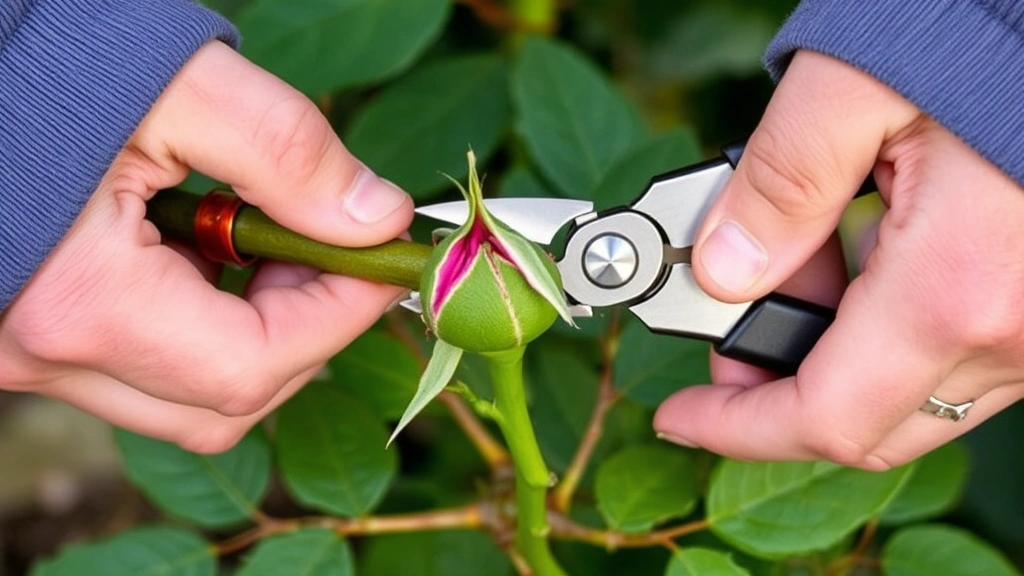
The Correct Cut Angle: Always cut at a 45-degree angle, about ¼ inch above an outward-facing bud eye (the small swelling where a leaf emerges). This angle allows water to run off rather than pooling on the cut, which prevents rot. The ¼-inch distance prevents damaging the bud while ensuring the cut doesn’t leave a stub that will die back.
Identifying Bud Eyes: Bud eyes are small, pointed bumps on the cane where leaves emerge. Outward-facing buds point away from the center of the plant—these are your target. By cutting above outward-facing buds, you direct new growth away from the center, maintaining an open structure. Inward-facing buds would send growth toward the center, creating congestion and poor air circulation.
Removing Dead Wood: Dead canes are gray, papery, and brittle. Cut them back to green, living tissue, even if you must remove the entire cane at ground level. There’s no benefit to leaving dead wood, and it only harbors disease.
Addressing Crossing Canes: When two canes cross or rub against each other, remove the weaker of the two. This prevents damage and ensures better air circulation. The remaining cane should grow outward, not inward toward the plant’s center.
Thinning Out Congested Growth: If your rose has many canes growing close together, remove the thinnest or weakest ones. A good rule of thumb is to space major canes 6 to 12 inches apart, depending on the rose variety and desired shape. This might seem drastic, but it dramatically improves air circulation and vigor.
Reducing Height: For shrub roses and floribundas, you can cut back by up to one-third of the plant’s height in spring. Make your cuts above outward-facing buds at the desired height. For hybrid teas, remove about one-third to one-half of the previous year’s growth.
Pruning Different Rose Types
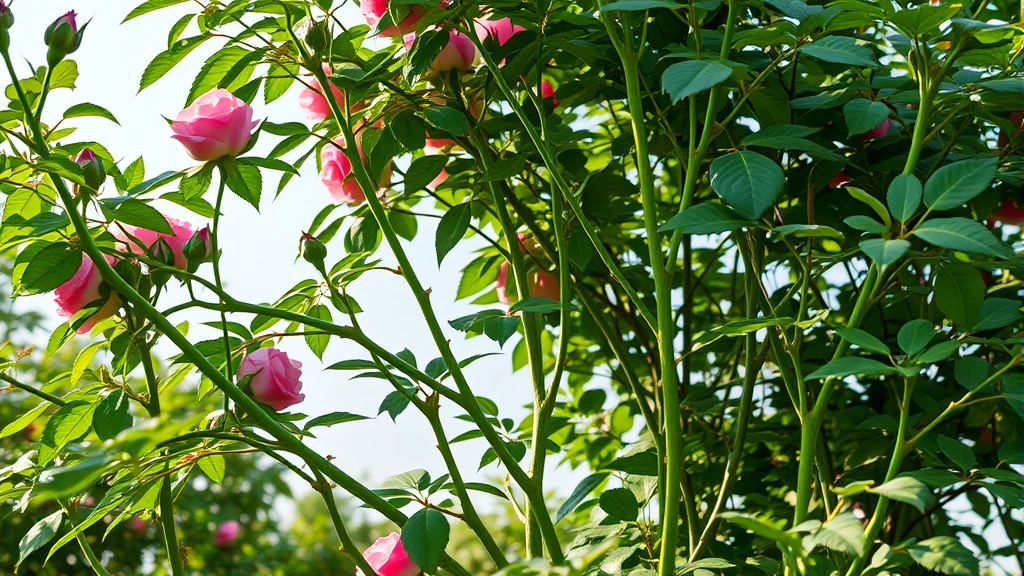
Different rose categories have slightly different pruning needs, so adjust your approach based on what you’re growing.
Hybrid Tea Roses: These produce large, showy flowers on long stems perfect for cutting. In spring, prune them back to 12 to 18 inches tall, removing all but 3 to 5 strong canes. Throughout the season, deadhead spent flowers by cutting stems back to a five-leaflet leaf. This encourages continuous blooming and prevents the plant from wasting energy on seed production.
Floribunda Roses: These shrubby roses produce clusters of flowers and require less aggressive pruning than hybrid teas. Cut them back by about one-third in spring, shaping them into a rounded form. Deadhead regularly to encourage more flower clusters.
Shrub Roses: Modern shrub roses are bred for hardiness and disease resistance. Many require minimal pruning beyond removing dead wood and shaping. Some gardeners prefer to let them develop their natural form rather than pruning heavily, though light shaping keeps them tidy.
Climbing Roses: These require different pruning than bush roses. Tie the main canes horizontally (this encourages lateral flowering shoots) and prune side shoots back to 2 to 3 buds in spring. Remove dead wood and very old canes, but avoid severely cutting main canes unless necessary.
Rambling Roses: These vigorous growers produce flowers on previous season’s growth. Prune them after flowering (usually summer), removing old canes that have finished blooming and tying in new canes for next year’s flowers.
After completing your main pruning, consider whether you want to propagate roses from your pruning cuttings, as this is an excellent way to expand your collection without expense.
Common Pruning Mistakes to Avoid
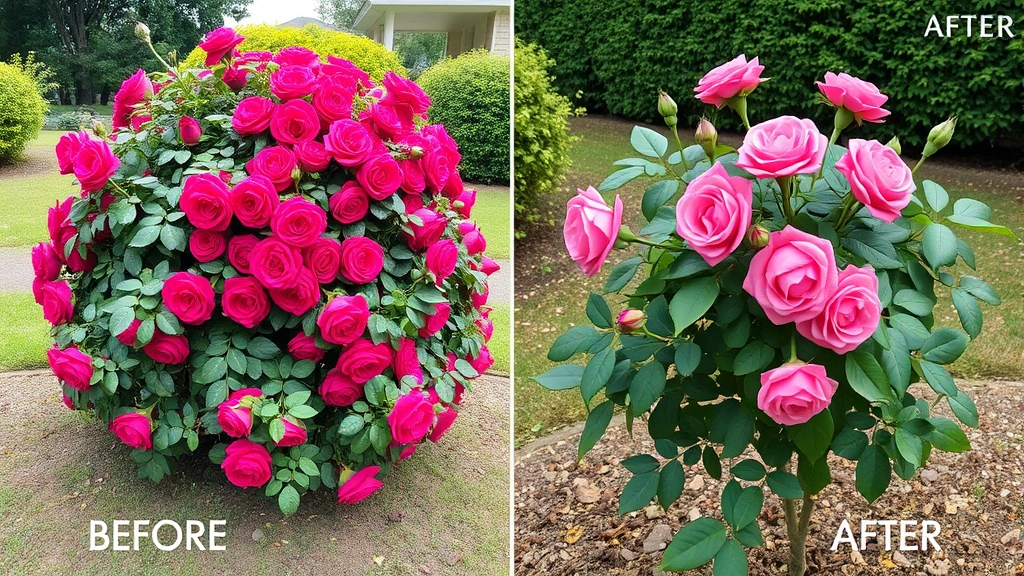
Cutting Too Low: Aggressive pruning might seem beneficial, but cutting roses back too severely can weaken them or prevent flowering that season. Follow the one-third rule for most varieties to maintain vigor.
Cutting Above Inward-Facing Buds: Repeatedly cutting above buds pointing toward the plant’s center creates a dense, congested shrub with poor air circulation. Always prioritize outward-facing buds to maintain an open structure.
Leaving Stubs: Cutting too far from the bud eye leaves a stub that dies back and invites disease. Conversely, cutting too close damages the bud. That ¼-inch sweet spot is crucial.
Using Dull Tools: Dull blades crush tissue instead of making clean cuts. Crushed tissue heals slowly and becomes infected more easily. Sharp tools create wounds that seal quickly and heal cleanly.
Not Disinfecting Tools: If you’re pruning diseased wood, failure to disinfect between cuts spreads pathogens throughout your garden. A quick wipe with rubbing alcohol takes seconds and prevents serious problems.
Pruning Too Late in Fall: Late-season pruning stimulates tender new growth that frost will kill. This weakens the plant heading into winter. Stick to spring and summer pruning in most climates.
Over-Deadheading Some Varieties: Some shrub roses and rugosas benefit from being left to set seed and develop hips, which provide food for wildlife and extend seasonal interest. Check your specific variety’s recommendations.
Aftercare and Recovery
Proper care after pruning helps your roses recover quickly and establish vigorous new growth.
Fertilizing: About two weeks after spring pruning, apply a balanced rose fertilizer or a granular all-purpose fertilizer to encourage new growth. Follow package directions carefully, as over-fertilizing can cause soft growth susceptible to pests and disease.
Watering: Keep newly pruned roses consistently moist (not waterlogged) for the first few weeks as they produce new growth. Water at the base of the plant in the morning to keep foliage dry and reduce disease pressure.
Mulching: Apply a 2 to 3-inch layer of organic mulch around the base of your roses, keeping it several inches away from the canes themselves. Mulch conserves moisture, regulates soil temperature, and suppresses weeds.
Monitoring for Disease: After pruning, keep an eye out for any signs of disease or pest damage on new growth. Catching problems early makes them easier to manage. For detailed guidance on disease prevention, consult This Old House’s gardening resources.
Supporting New Growth: As new canes develop, they may need tying or support, especially on climbing varieties or roses in windy locations. Use soft ties that won’t cut into the canes as they grow.
FAQ
When should I prune roses in my first year after planting?
For newly planted roses, prune lightly in spring after they’ve leafed out, removing only dead wood and crossing canes. Avoid aggressive pruning the first year, as the plant needs energy to establish a strong root system. In subsequent years, follow normal pruning guidelines for your rose type.
Can I prune roses in the fall?
Light fall pruning for cleanup and disease removal is fine, but avoid heavy pruning. Fall pruning stimulates tender new growth that winter frost will damage, weakening the plant. Save your main pruning for spring when you can see the full extent of winter damage.
How short should I cut hybrid tea roses?
In spring, cut hybrid teas back to 12 to 18 inches tall, leaving 3 to 5 of the strongest canes. This aggressive pruning encourages large, high-quality flowers on long stems. Throughout the season, deadhead to the first five-leaflet leaf to encourage continuous blooming.
What if I cut a rose cane in the wrong place?
Don’t worry—one incorrect cut won’t harm your rose. Simply make your next cut in the correct location, and the plant will respond normally. It’s the overall pruning approach over time that matters most, not occasional imperfect cuts.
Should I seal pruning cuts with wound dressing?
Modern research suggests that roses heal best when cuts are left unsealed. Wound dressing can actually trap moisture and promote decay. Make clean cuts with sharp tools, and let your rose’s natural healing process do its work.
How do I know if a cane is truly dead?
Scratch the cane gently with your fingernail or knife. If you see green tissue underneath, it’s alive. If the tissue is brown or tan throughout, it’s dead and should be removed. Dead canes are also typically gray, papery, and brittle.
Can I prune roses during blooming season?
Yes! In fact, cutting roses for arrangements or deadheading spent flowers is a form of pruning. Just follow the same rules: cut above outward-facing buds at a 45-degree angle. This encourages more blooms and keeps your rose looking attractive.
What’s the difference between deadheading and pruning?
Deadheading is removing spent flowers to encourage more blooms, while pruning is the more substantial removal of wood to shape the plant and improve its structure. Both involve cutting above buds, but deadheading is gentler and more frequent throughout the season.
Learning to grow and maintain various plants alongside your roses creates a more complete garden ecosystem. If you’re interested in expanding your gardening skills beyond roses, exploring sunflower cultivation offers another rewarding challenge.
For comprehensive home improvement and gardening guidance, visit the FixWiseHub Blog for more expert tips and tutorials. Additional trusted resources include Family Handyman’s rose pruning guide and expert gardening resources that provide regional-specific advice.
With practice and patience, rose pruning becomes second nature. Start with these fundamentals, observe how your roses respond to your cuts, and adjust your technique as you gain experience. Remember, roses are resilient plants that forgive mistakes—each season gives you another opportunity to refine your skills and produce healthier, more beautiful blooms.

Related Posts

Superscript in Google Docs: Expert Tips

Strikethrough in Excel: Easy Steps for Beginners
