
Grow Cilantro Indoors? Tips from Expert Gardeners
How to Grow Cilantro Indoors: Expert Tips for Year-Round Harvests
Growing cilantro indoors transforms your kitchen into a fresh herb garden, providing aromatic leaves for your favorite dishes whenever you need them. Whether you’re preparing grilled pork chops or crafting authentic salsas, having fresh cilantro at your fingertips eliminates last-minute grocery store runs. Indoor cilantro cultivation requires minimal space, basic equipment, and straightforward care techniques that even beginners can master.
Cilantro, scientifically known as Coriandrum sativum, is a cool-season herb that actually thrives indoors better than many outdoor gardeners expect. The controlled environment of your home eliminates unpredictable weather patterns, pests, and temperature fluctuations that often plague outdoor herb gardens. With the right conditions and knowledge, you’ll harvest tender, flavorful leaves consistently throughout the year.
Why Indoor Cilantro Growing Works
Indoor gardening provides the perfect environment for cilantro because you control every variable affecting plant growth. Cilantro prefers cooler temperatures between 60-70°F, which matches most household climates better than outdoor summer heat. The herb bolts quickly in hot weather, meaning it flowers and becomes bitter before producing substantial harvests. By growing indoors, you extend your harvest window significantly.
Another advantage lies in pest management. Indoor environments naturally limit exposure to aphids, spider mites, and other common herb pests. Your cilantro remains healthier without requiring pesticide applications, keeping your kitchen herbs entirely organic and safe for consumption. Additionally, indoor growing eliminates concerns about seasonal limitations, allowing you to harvest fresh cilantro in winter when outdoor gardens lie dormant.
The convenience factor cannot be overstated. Imagine stepping into your kitchen and snipping fresh cilantro leaves for your meal preparation. This accessibility encourages regular harvesting, which actually promotes bushier, more productive plants. You’ll also save money compared to repeatedly purchasing cilantro bundles from grocery stores, where quality deteriorates quickly after purchase.
Essential Supplies and Setup
Before planting your first cilantro seeds, gather the necessary supplies. You’ll need containers with drainage holes, quality potting soil, cilantro seeds or seedlings, and a light source. Container size matters more than most gardeners realize—choose pots at least 6-8 inches deep with a minimum diameter of 6 inches. Shallow containers restrict root development and limit plant productivity.
Drainage holes are non-negotiable for healthy cilantro growth. Without proper drainage, water accumulates around roots, causing rot and fungal diseases. If you prefer decorative pots without drainage holes, use them as outer containers with drainage pots nested inside. This approach maintains aesthetics while protecting your plants.
Quality potting soil provides the foundation for success. Use lightweight, well-draining potting mixes specifically formulated for container gardening. Avoid heavy garden soil, which compacts in containers and prevents proper drainage. Look for mixes containing perlite or vermiculite, which improve aeration and moisture retention. You might also consider specialized indoor gardening resources for soil recommendations.
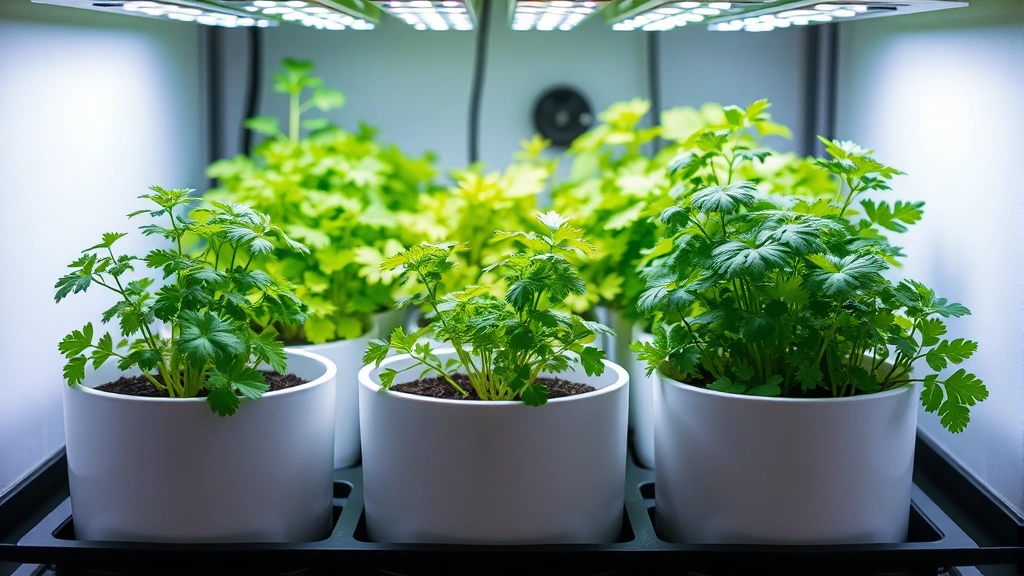
Lighting represents your biggest equipment investment. While cilantro tolerates lower light than many herbs, it still requires 12-14 hours daily. Windowsill growing works if you have south-facing windows, but supplemental grow lights guarantee consistent results. LED grow lights consume minimal electricity while providing appropriate light spectrum for vegetative growth.
Choosing the Right Cilantro Varieties
Not all cilantro varieties perform equally indoors. Some cultivars bolt quickly while others remain productive longer. ‘Calypso’ and ‘Slow Bolt’ varieties resist premature flowering, making them ideal for indoor growing. These slower-bolting types provide extended harvest windows, allowing you to gather leaves over weeks rather than days.
‘Santo’ cilantro offers another excellent choice for indoor cultivation. This variety produces larger leaves and demonstrates improved heat tolerance compared to traditional cilantro. ‘Leisure’ cilantro similarly resists bolting and thrives in controlled indoor environments.
Consider your intended use when selecting varieties. If you want cilantro primarily for cooking, leaf-focused varieties matter most. If you’re interested in harvesting coriander seeds for seasoning, choose varieties that produce abundant flowers and seed heads. Some gardeners maintain separate plantings for each purpose, ensuring optimal results for their specific needs.
Purchase seeds from reputable suppliers offering varieties specifically described as slow-bolting or heat-resistant. Quality seed companies provide germination rates and growing information that help ensure success. Alternatively, purchase healthy seedlings from local nurseries, which accelerates your harvest timeline significantly.
Planting Your Indoor Cilantro
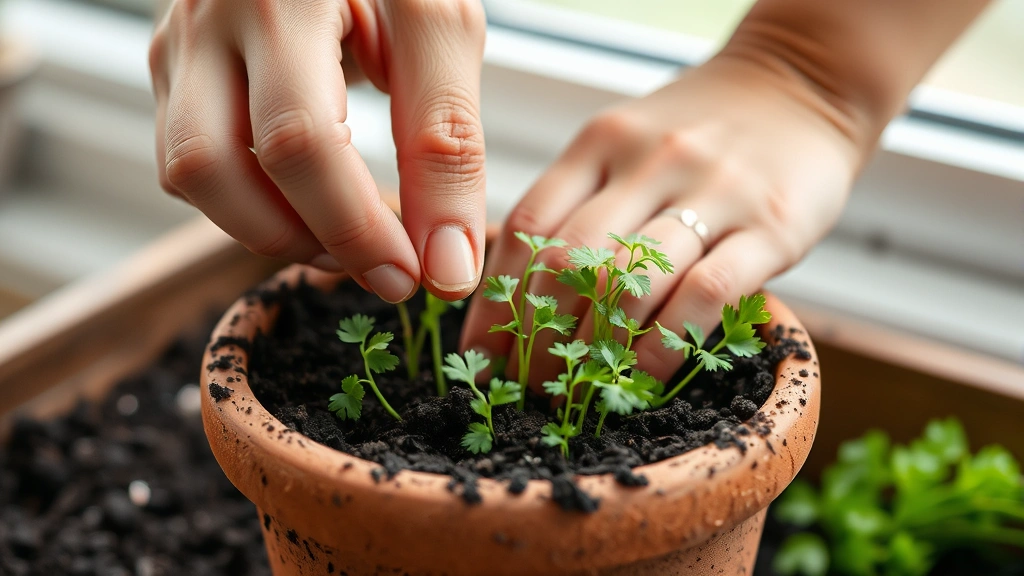
Starting cilantro from seeds remains the most economical approach. Fill your prepared containers with moist potting soil, leaving about an inch of space at the top. Cilantro seeds are relatively large and easy to handle. Plant seeds about ¼ inch deep, spacing them approximately 1 inch apart. You’ll thin seedlings later as they develop.
Water gently after planting, keeping the soil consistently moist but not waterlogged. Cilantro seeds typically germinate within 7-10 days at room temperature. Place containers in a warm location during germination, then move them under lights once seedlings emerge. Some gardeners prefer starting seeds under grow lights immediately, which produces stockier, stronger seedlings.
Once seedlings develop their first true leaves, thin them to 3-4 inches apart. This spacing prevents overcrowding and ensures each plant receives adequate light and nutrients. Remove weaker seedlings, reserving the strongest specimens in each pot. Thinning seems wasteful, but overcrowded plants produce minimal harvestable leaves.
Alternatively, purchase cilantro seedlings from nurseries and transplant them into your indoor containers. This method provides immediate gratification and eliminates germination concerns. Carefully remove seedlings from nursery pots and transplant them at the same depth they were growing previously. Water thoroughly after transplanting and place under grow lights within 24 hours.
Lighting Requirements for Success
Cilantro requires 12-14 hours of light daily for optimal growth. Natural window light works if you have bright, south-facing windows receiving 6+ hours of direct sunlight. However, winter months often provide insufficient light, necessitating supplemental grow lights year-round in most climates.
LED grow lights offer the best investment for indoor herb gardening. Full-spectrum LEDs provide appropriate light wavelengths for vegetative growth without excessive heat. Position lights 6-12 inches above plant tops, adjusting height as plants grow. Most LED grow lights include adjustable chains or stands for easy height modifications.
Timer devices automate your lighting schedule, ensuring consistent daily cycles. Set timers for 14 hours on and 10 hours off, mimicking natural day lengths. Consistency matters more than intensity for cilantro—irregular lighting patterns stress plants and encourage bolting.
Monitor plant appearance for lighting adequacy. Healthy cilantro displays vibrant green color and compact growth. Leggy, pale plants reaching toward light sources indicate insufficient illumination. Increase light duration or move lights closer to remedy the problem. Conversely, excessive light rarely harms cilantro, though it increases water requirements.
Watering and Humidity Management
Proper watering ranks among the most critical success factors for indoor cilantro. The soil should remain consistently moist but never waterlogged. Check soil moisture daily by inserting your finger about an inch deep. Water when the top inch feels dry, but before the soil becomes completely parched.
Indoor environments typically have lower humidity than outdoor gardens. Cilantro tolerates moderate humidity but appreciates slightly elevated levels. Mist plants lightly 2-3 times weekly, or place containers on trays filled with pebbles and water. The water evaporates around plants without creating waterlogged soil conditions. Ensure pots sit above water level on the pebbles—not submerged in it.
Room temperature and light intensity affect watering frequency significantly. During winter with reduced light, plants require less water. Conversely, under intense grow lights, you’ll water more frequently. Always water with room-temperature water, as cold water shocks tender cilantro roots.
Drainage water should exit containers freely, indicating proper soil moisture penetration. If water pools on the soil surface or drains immediately, adjust your technique. Slow, thorough watering allows soil to absorb moisture evenly. Ensure drainage holes remain clear and unobstructed—clogged drainage causes root rot despite proper watering practices.
Temperature and Air Circulation
Cilantro thrives in cool indoor environments, ideally between 60-70°F. Most homes maintain temperatures within this range naturally, making cilantro excellent for kitchen gardens. Avoid placing containers near heating vents, which create temperature fluctuations and dry out soil rapidly. Similarly, keep cilantro away from cold drafts near windows or exterior doors.
Consistent temperatures prevent stress-related bolting. Cilantro exposed to temperature swings between day and night experiences physiological stress, triggering early flowering. Maintain stable conditions by positioning containers in interior rooms away from temperature extremes.
Air circulation prevents fungal diseases and strengthens plant stems. A small oscillating fan running 2-3 hours daily provides adequate air movement without creating excessive drying effects. Position the fan to move air gently around plants rather than blowing directly on them. This subtle circulation mimics natural breezes in outdoor gardens.
Poor air circulation creates humid microclimates around plant foliage, encouraging powdery mildew and other fungal infections. Even in humid environments, gentle air movement keeps leaves dry and disease-free. Monitor plants for fungal growth and increase fan usage if problems develop.
Harvesting Techniques
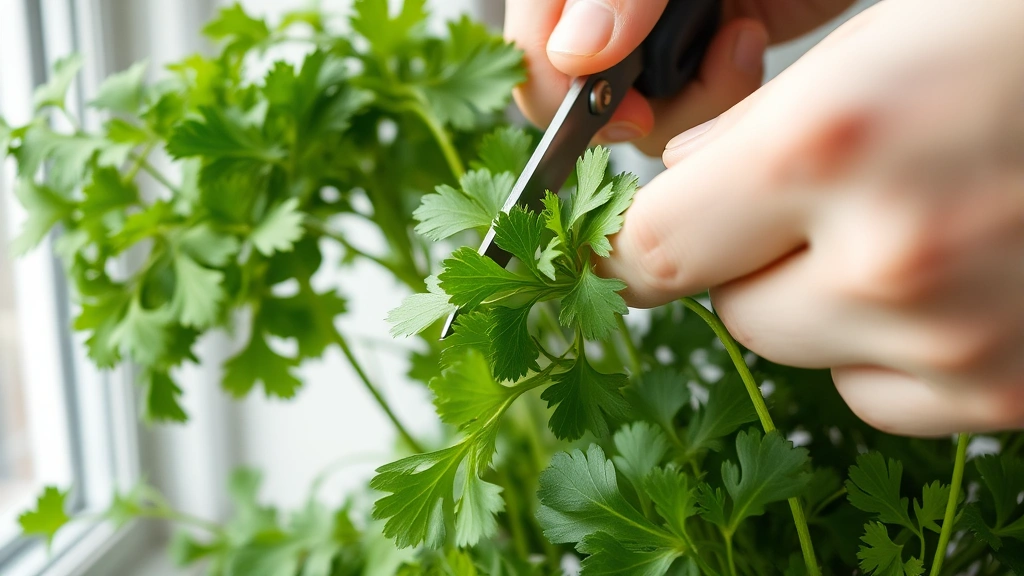
Begin harvesting cilantro once plants develop 4-6 true leaves, typically 3-4 weeks after planting. Pinch off outer leaves from the base of stems, encouraging bushier growth and preventing tall, leggy plants. Regular harvesting actually increases productivity by stimulating lateral branch development.
Harvest in the morning after dew dries but before midday heat stresses plants. Morning-harvested cilantro contains maximum flavor oils and stores better than afternoon-harvested leaves. Use clean scissors or pruning shears to make precise cuts, avoiding damage to remaining foliage.
Harvest no more than one-third of plant foliage at a time. This conservative approach maintains plant health and ensures continuous productivity. Frequent light harvesting produces superior results compared to occasional heavy harvesting. Most plants support 2-3 harvests weekly once established.
Fresh cilantro leaves store in the refrigerator for up to two weeks when wrapped in damp paper towels inside sealed containers. For longer storage, freeze cilantro leaves in ice cube trays with water or olive oil. These frozen cubes work perfectly for cooking applications, though they lose crispness for fresh use.
Troubleshooting Common Problems
Bolting represents the most common indoor cilantro issue. Plants flower prematurely when exposed to excessive heat, inconsistent temperatures, or irregular lighting. Prevent bolting by maintaining cool temperatures around 65°F and providing consistent 14-hour light cycles. Slow-bolt varieties like ‘Calypso’ resist early flowering even under marginal conditions.
Yellowing leaves indicate nutrient deficiencies or watering problems. Overwatered plants develop yellow leaves accompanied by musty soil odors. Allow soil to dry slightly between waterings and ensure excellent drainage. If underwatering causes yellowing, increase watering frequency immediately. Pale, uniformly yellow leaves suggest nitrogen deficiency; apply balanced liquid fertilizer every 2-3 weeks.
Wilting despite moist soil indicates root rot from poor drainage or fungal infection. Remove affected plants immediately and repot in fresh, dry potting soil. Discard contaminated soil rather than reusing it. Improve drainage and air circulation to prevent recurrence.
Leggy, pale growth signals insufficient light. Move lights closer to plants or extend light duration to 16 hours daily. Increase air circulation with a small fan to strengthen stems. These environmental adjustments produce compact, healthy plants within 1-2 weeks.
Spider mites occasionally infest indoor cilantro despite controlled environments. Mist affected plants with water daily to increase humidity and dislodge pests. If infestations persist, apply insecticidal soap following product instructions. Isolate affected plants to prevent pest spread to other houseplants.
For comprehensive growing guidance, consult comprehensive gardening resources or contact your local cooperative extension office for region-specific advice.
FAQ
How long does cilantro take to grow indoors?
Cilantro reaches harvestable size within 3-4 weeks from seed. Seedlings develop their first true leaves around day 10-14, and you can begin light harvesting by week 3-4. Purchased seedlings provide harvestable leaves within 1-2 weeks of transplanting. Growth speed depends on light intensity, temperature, and variety selection.
Can I grow cilantro in a windowsill without grow lights?
Yes, cilantro can grow in bright south-facing windowsills receiving 6+ hours of direct sunlight daily. However, winter months typically provide insufficient light in most climates. Supplemental grow lights guarantee consistent results year-round. If relying solely on windowsill light, expect slower growth and potential bolting during seasonal transitions.
Why does my cilantro keep bolting?
Cilantro bolts due to warm temperatures above 75°F, inconsistent lighting, or naturally reaching maturity. Cool indoor temperatures around 65°F prevent premature bolting. Select slow-bolt varieties like ‘Calypso’ or ‘Leisure.’ Consistent 14-hour light cycles and regular harvesting also delay flowering.
How often should I fertilize indoor cilantro?
Apply balanced liquid fertilizer every 2-3 weeks once plants develop several true leaves. Use half-strength solutions to prevent nutrient burn. Cilantro doesn’t require heavy feeding compared to fruiting plants. If using high-quality potting soil with slow-release fertilizers, you may skip supplemental feeding for 4-6 weeks.
Can I regrow cilantro from kitchen scraps?
Unfortunately, cilantro doesn’t reliably regrow from cut stems like some herbs. Always start new plants from seeds or seedlings. However, allowing some plants to bolt and produce seeds enables natural self-seeding for future generations, reducing long-term seed purchases.
What’s the best container size for indoor cilantro?
Use containers at least 6 inches deep with 6-inch diameter minimum. Shallow containers restrict root development and limit productivity. A 6-8 inch pot comfortably accommodates 2-3 mature cilantro plants, providing adequate space for growth and harvesting.
How much water does indoor cilantro need?
Water when the top inch of soil feels dry, typically every 1-3 days depending on temperature and light intensity. Keep soil consistently moist but never waterlogged. Indoor plants dry slower than outdoor gardens, so adjust watering frequency accordingly. Always ensure drainage holes function properly.

Related Posts

Superscript in Google Docs: Expert Tips

Strikethrough in Excel: Easy Steps for Beginners
