
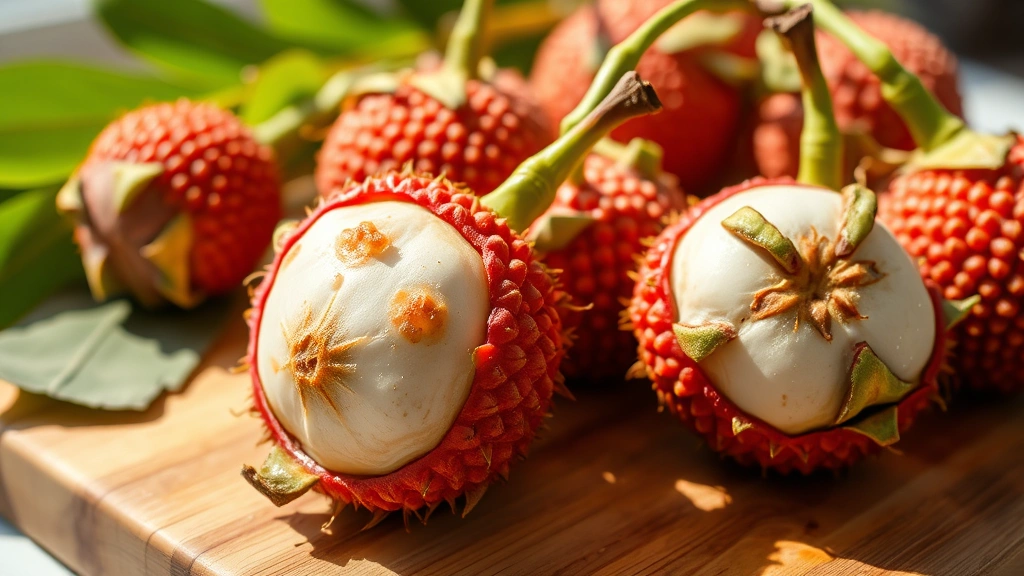
How to Pronounce Lychee? Expert Tips Inside
How to Pronounce Lychee? Expert Tips Inside
The lychee fruit has become increasingly popular in Western cuisine, yet many people remain uncertain about its correct pronunciation. This tropical delicacy, native to Southeast Asia, carries a name that often trips up English speakers. Whether you’re ordering at an Asian market, discussing recipes with friends, or simply curious about proper diction, mastering the pronunciation of “lychee” is easier than you might think.
Understanding how to say lychee correctly opens doors to more confident conversations about this fascinating fruit. The word has multiple acceptable pronunciations in English, and learning the nuances will help you communicate clearly whether you’re at a restaurant, grocery store, or culinary discussion. In this comprehensive guide, we’ll break down the pronunciation, explore its origins, and provide you with practical tips to say it like an expert.
The Correct Pronunciation of Lychee
The most widely accepted pronunciation of lychee in English is “LEE-chee” (IPA: /ˈliːtʃi/). This two-syllable pronunciation emphasizes the long “ee” sound in the first syllable, followed by a soft “chee” sound. To pronounce it correctly, say the word as if you’re saying “Lee” (like the name) followed by “chee” (rhyming with “tree” or “free”).
An alternative acceptable pronunciation is “LY-chee” (IPA: /ˈlaɪtʃi/), where the first syllable sounds like the word “lie.” Both pronunciations are recognized by major English dictionaries and are used interchangeably in English-speaking countries. The choice between these two often depends on regional dialect and personal preference, though “LEE-chee” remains the more common choice in American English.
When you’re learning proper diction for fruit names, it helps to compare lychee with similar words. Think of how you pronounce “litchi,” which is an alternative English spelling of the same fruit. The pronunciation remains consistent: “LEE-chee.” This spelling variation comes from transliterations of the Chinese name, but both refer to the identical tropical fruit.
Etymology and Historical Background
The word “lychee” originates from the Chinese name “荔枝” (lìzhī), pronounced “lee-jee” in Mandarin Chinese. When English speakers and traders first encountered this fruit centuries ago, they adapted the Chinese pronunciation to fit English phonetic patterns. The fruit’s name reflects its journey from Southeast Asia to the Western world, making pronunciation a bridge between cultures.
Chinese merchants and explorers introduced lychees to the Western world during the colonial era, and English speakers began developing their own versions of the pronunciation. The transliteration process created several spelling variations: lychee, litchi, lichi, and even lichee. Despite these different spellings, they all refer to the same sweet, delicate fruit. Understanding the etymology helps explain why the pronunciation might seem unusual to English speakers unfamiliar with Mandarin phonetics.
The fruit itself has been cultivated in China for over 2,000 years, making it one of the oldest cultivated fruits in Asia. As trade routes expanded, lychees became prized commodities, and their name traveled alongside them. Today, learning proper pronunciation of specialty items helps us appreciate their cultural heritage and shows respect for their origins.
Regional Pronunciation Variations
While “LEE-chee” dominates in American English, other English-speaking regions have their own preferences. In British English, both “LEE-chee” and “LY-chee” are equally acceptable, though “LEE-chee” is slightly more common. Australian English speakers typically favor “LEE-chee,” making it the standard across most Commonwealth nations.
In Mandarin Chinese, the original pronunciation is “lìzhī” (lee-juh), where the first syllable has a falling tone. Cantonese speakers pronounce it as “lai-chi,” which sounds somewhat different from the Mandarin version. Understanding these regional variations can help you appreciate the cultural nuances of the word and recognize why different people might pronounce it slightly differently.
When traveling to Asian countries or speaking with native speakers, you might hear variations that don’t match the English pronunciations exactly. This is completely normal and reflects how languages naturally adapt words from other cultures. The important thing is that you choose one of the standard English pronunciations and use it consistently in your own speech.

Common Mispronunciations to Avoid
Many English speakers make predictable mistakes when attempting to pronounce lychee. The most common error is pronouncing it as “LY-shee” (rhyming with “shy”), which substitutes the “ch” sound with “sh.” While understandable given English spelling patterns, this pronunciation is considered incorrect in standard English.
Another frequent mistake is “LEE-key” or “LY-key,” where speakers incorrectly use a hard “k” sound instead of the soft “ch” sound. This often happens because speakers aren’t familiar with how to produce the “ch” sound in this context. Similarly, some people say “LICH-ee” with emphasis on the first syllable and a hard “ch,” which shifts the stress to the wrong part of the word.
Some English speakers also mispronounce it as “LI-chee” with a short “i” sound, similar to the “i” in “bit.” While closer to correct, this doesn’t capture the proper long vowel sound that defines the first syllable. To avoid these mistakes, remember that the first syllable should sound like “Lee” (long “e”), and the second syllable should sound like “chee” (soft “ch” followed by long “e”).
Tips for Mastering the Pronunciation
To master the pronunciation of lychee, start by breaking the word into its two syllables: Lee-chee. Say each syllable separately several times, ensuring you use the long “ee” sound for both syllables. This repetition helps train your mouth and ears to recognize the correct pronunciation pattern.
Practice using the word in context. Try saying phrases like “I love lychee juice,” “Pass me the lychee fruit,” or “Lychee trees grow in warm climates.” Speaking the word in natural sentences helps normalize the pronunciation and makes it feel less awkward when you use it in real conversations.
Listen to native speakers and language learning resources. Websites like Merriam-Webster and Oxford Learner’s Dictionaries provide audio pronunciations you can replay multiple times. Hearing the word spoken by language experts reinforces correct pronunciation better than reading descriptions alone.
Use the “mirror method” to check your mouth position. Say “lychee” while looking in a mirror to ensure your lips and tongue are forming the sounds correctly. For the “Lee” part, your lips should be slightly spread. For the “chee” part, your tongue should touch the roof of your mouth briefly before releasing the “ee” sound.
Using Lychee in Conversation
Now that you’ve learned the proper pronunciation, you’ll want to use it confidently in various contexts. At restaurants, you might say, “I’d like to order the lychee martini,” or at the grocery store, “Where can I find fresh lychees?” Proper pronunciation shows knowledge and confidence, making you sound more authoritative when discussing food and cuisine.
When discussing recipes or cooking techniques, correct pronunciation becomes even more important. If you’re following a recipe guide similar to how to make yellow rice, you’ll want to pronounce ingredient names correctly when asking for recommendations or discussing preparations with others. This applies whether you’re talking with professional chefs or home cooks.
In social settings, using the correct pronunciation demonstrates cultural awareness and respect. When sharing lychee drinks or desserts with friends, confidently saying “LEE-chee” rather than hesitating shows you’ve taken time to learn proper diction. This small detail can spark interesting conversations about the fruit’s origins and cultural significance.
Cultural Significance of the Name
The lychee holds deep cultural significance in Chinese tradition, often appearing in art, literature, and celebration. The name itself carries this heritage, and pronouncing it correctly honors that history. In Chinese culture, lychees symbolize romance and good fortune, making the fruit more than just a food item—it’s a cultural ambassador.
Understanding the correct pronunciation connects you to this cultural tradition. When you say “LEE-chee” instead of mispronouncing it, you’re acknowledging the fruit’s Asian roots and showing respect for the cultures that have cultivated and cherished it for millennia. This appreciation extends beyond mere pronunciation; it represents a broader awareness of cultural diversity in our global food systems.
The journey of lychee from ancient Chinese orchards to modern supermarkets worldwide demonstrates how food transcends borders. Learning to pronounce its name correctly is one small way to honor that journey and recognize the contributions of Asian agriculture and culinary traditions to world cuisine.
FAQ
Is it “lychee” or “litchi”?
Both spellings are correct and refer to the same fruit. “Lychee” is more common in American English, while “litchi” is often used in British English and scientific contexts. Regardless of spelling, the pronunciation remains “LEE-chee” or “LY-chee.”
What’s the difference between “LEE-chee” and “LY-chee”?
The difference lies in the first syllable’s vowel sound. “LEE-chee” uses a long “ee” sound (like the letter “E”), while “LY-chee” uses a long “i” sound (like the word “I”). Both are acceptable in English, though “LEE-chee” is more common in American English.
Can I use different pronunciations interchangeably?
Yes, both standard pronunciations are acceptable and widely understood. However, consistency within a conversation is helpful. Choose one pronunciation and stick with it to maintain clarity and confidence in your speech.
How do native Chinese speakers pronounce it?
In Mandarin Chinese, lychee is pronounced “lìzhī” (lee-juh), which sounds somewhat different from English pronunciations. In Cantonese, it’s “lai-chi.” English speakers don’t need to match these exactly; using standard English pronunciations is perfectly appropriate.
Will people understand me if I mispronounce it?
In most cases, yes. Context usually makes it clear you’re referring to the fruit. However, using the correct pronunciation demonstrates knowledge and cultural awareness, making you sound more confident and knowledgeable in culinary and social discussions.
Are there any memory tricks to remember the pronunciation?
Yes! Think of “LEE-chee” as “Lee” (a common name) plus “chee” (like the sound you make when saying “cheese” without the “z”). Another trick: remember it rhymes with “free” or “tree,” which helps with the “chee” part.
How important is pronunciation for ordering at restaurants?
Most restaurant staff will understand what you mean regardless of pronunciation, but using the correct “LEE-chee” pronunciation shows confidence and knowledge. It’s especially useful when discussing lychee-flavored drinks or dishes on the menu.

Related Posts

Superscript in Google Docs: Expert Tips

Strikethrough in Excel: Easy Steps for Beginners
