
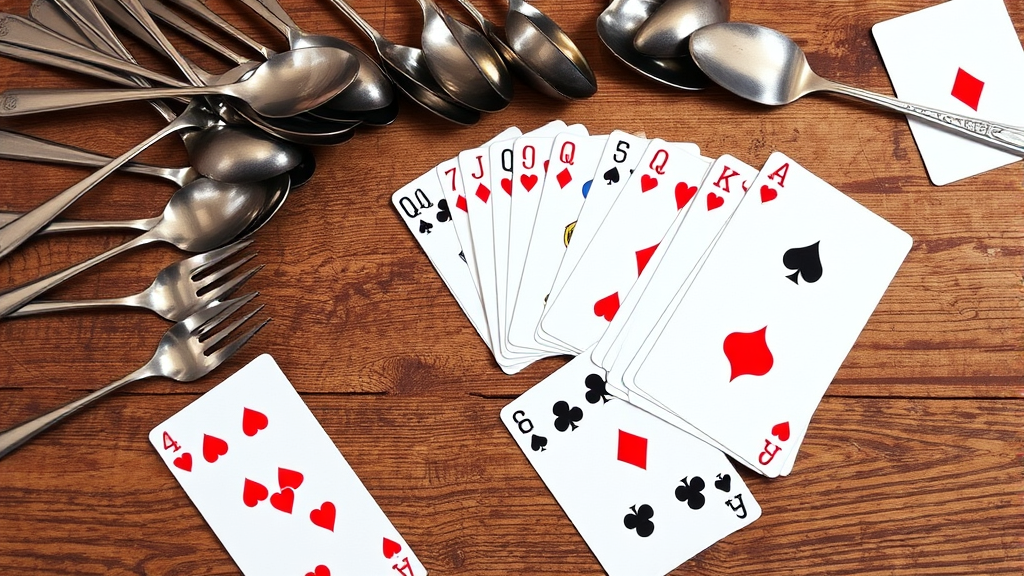
Master the Art of Playing Spoons: A Fun Guide for Beginners
Learning how to play spoons is one of the most entertaining and accessible ways to dive into the world of musical expression. This beloved card game and musical activity has been bringing families and friends together for generations, offering a perfect blend of strategy, speed, and rhythmic fun. Whether you’re looking to add some excitement to your next game night or want to explore a unique musical skill, mastering the art of playing spoons will provide hours of entertainment.
The beauty of spoons lies in its simplicity – you only need a standard deck of cards and a collection of ordinary kitchen spoons to get started. This guide will walk you through everything you need to know, from the basic rules and setup to advanced strategies that will help you become a spoons champion. Get ready to discover why this timeless game continues to captivate players of all ages around the world.
What is Spoons?
Spoons is a fast-paced card game that combines elements of matching and musical chairs, creating an exciting experience that keeps players on the edge of their seats. The game requires players to collect four cards of the same rank while simultaneously watching for opportunities to grab spoons from the center of the table. With its roots tracing back to traditional parlor games, spoons has evolved into a beloved family activity that transcends age groups and skill levels.
The game’s appeal lies in its unique blend of mental strategy and physical reflexes. Players must maintain focus on their cards while remaining alert to the actions of others, creating a thrilling atmosphere of anticipation and excitement. Unlike more complex card games such as How to Play Cribbage or How to Play Spades, spoons can be learned in minutes but provides endless entertainment value.
What makes spoons particularly special is its accessibility – you don’t need expensive equipment or extensive rule knowledge to enjoy the game. The combination of card strategy and physical action creates memorable moments and often hilarious situations as players scramble for spoons. This dynamic gameplay has made spoons a staple at family gatherings, summer camps, and casual get-togethers worldwide.

Equipment and Setup
Getting started with spoons requires minimal equipment, making it one of the most budget-friendly games you can play. You’ll need a standard 52-card deck and metal spoons – one fewer than the number of players participating. For example, if you have six players, you’ll need five spoons. The spoons should be placed in the center of the table where all players can easily reach them.
The setup process is straightforward and takes just a few minutes. Arrange players in a circle around a table or flat surface, ensuring everyone can comfortably reach the center where the spoons are placed. Each player should have enough space to manage their cards without revealing them to others. The dealer shuffles the deck thoroughly and deals four cards to each player, keeping the remaining cards as a draw pile.
Consider the playing environment when setting up your game. Choose a sturdy table that won’t wobble when players make quick movements toward the spoons. Ensure adequate lighting so players can easily see their cards, and remove any fragile items from the immediate area. The excitement of spoons can lead to enthusiastic grabbing motions, so creating a safe playing space is essential for everyone’s enjoyment.
Basic Rules and Gameplay
The objective of spoons is simple: be the first to collect four cards of the same rank (four aces, four kings, etc.) and grab a spoon from the center of the table. The game begins with the dealer picking up a card from the draw pile, deciding whether to keep it or pass it along, and then discarding one card to the next player. This process continues clockwise around the table, creating a continuous flow of cards.
Players must work quickly to examine incoming cards and decide whether they contribute to their goal of collecting four matching cards. When receiving a card from the previous player, you have only moments to decide whether to keep it or pass it along. The key is to develop a strategy for which rank you’re collecting while remaining flexible enough to switch if better opportunities arise.
Once a player successfully collects four cards of the same rank, they immediately grab a spoon from the center of the table. This action signals other players to grab spoons as well, even if they haven’t completed their set. The player left without a spoon is eliminated from the round. According to the Wikipedia entry on Spoons, this elimination-style gameplay creates intense moments of excitement and anticipation.
The game continues with one fewer player and one fewer spoon until only one player remains as the ultimate winner. Between rounds, shuffle the cards thoroughly and reset the spoons in the center. This multi-round format allows eliminated players to jump back in and keeps everyone engaged throughout the gaming session.
Winning Strategies and Tips
Developing effective strategies for spoons requires balancing card management with keen observation skills. Start by quickly assessing your initial four cards and identifying which rank appears most frequently. Focus your collection efforts on this rank while remaining open to switching if you receive multiple cards of a different rank. Experienced players often recommend keeping track of which cards have been passed around to gauge what other players might be collecting.
Peripheral vision becomes crucial in spoons, as you need to watch the center spoons while managing your cards. Practice keeping your eyes moving between your hand and the table center, developing the ability to notice subtle movements from other players. Many successful players position themselves strategically around the table to maximize their reach while maintaining a clear view of all spoons.
Speed and stealth play important roles in advanced spoon strategy. When you complete your set of four, resist the urge to immediately lunge for a spoon. Instead, casually and quietly reach for one while maintaining normal card-passing rhythm. This subtle approach often allows you to grab a spoon before other players realize what’s happening, giving you a significant advantage.
Mental preparation is equally important as physical readiness. Stay calm under pressure and avoid telegraphing your intentions through facial expressions or body language. Just as dancers need to master rhythm and coordination, spoons players must develop smooth, controlled movements that don’t alert opponents to their progress.

Popular Variations
Several exciting variations of spoons can add new dimensions to your gameplay experience. “Pig” is a popular alternative that uses the same basic rules but substitutes touching your nose for grabbing spoons. When a player completes their set, they quietly touch their nose, and other players must follow suit. The last player to touch their nose is eliminated. This variation works well in situations where spoons might be too noisy or dangerous.
“Tongue” follows similar principles but requires players to stick out their tongues instead of grabbing objects. These gesture-based variations are particularly popular with younger players or in classroom settings where maintaining quiet is important. They also eliminate the physical scrambling aspect while preserving the core strategic elements of the game.
For larger groups, consider “Musical Spoons,” which combines traditional spoons gameplay with musical elements. Players pass cards to background music, and when the music stops, everyone must immediately grab for spoons regardless of their card status. This variation adds an element of surprise and can accommodate more players than traditional spoons.
Advanced players often enjoy “Speed Spoons,” where multiple rounds are played simultaneously with different colored card decks. This variation requires exceptional concentration and card management skills, making it suitable for experienced players looking for an extra challenge. Each variation offers unique benefits and can be adapted based on your group’s preferences and skill level.
Playing Musical Spoons
Beyond the card game, spoons can also refer to the musical instrument created by playing two ordinary spoons against each other to create rhythmic percussion sounds. This folk instrument has deep roots in various cultural traditions and offers another way to enjoy the versatility of common kitchen utensils. Learning to play musical spoons can complement your card game skills and provide entertainment during breaks between rounds.
To play musical spoons, hold one spoon in your dominant hand like a drumstick and place the second spoon in your palm with the bowl facing up. The technique involves striking the spoons together while bouncing them off your leg, knee, or other hand to create different tones and rhythms. Start with simple beats and gradually work up to more complex patterns as your coordination improves.
Musical spoons pair excellently with folk music, bluegrass, and country genres, but creative players have adapted the instrument for various musical styles. The Library of Congress Folklife Center documents the rich history of spoon playing in American folk traditions, highlighting its importance in cultural expression and community music-making.
Practice sessions can be incorporated into your spoons game nights, creating a well-rounded entertainment experience. Just as crafting requires attention to detail when learning how to make decorative items, musical spoon playing demands patience and consistent practice to develop smooth, rhythmic techniques.
Frequently Asked Questions
How many players can participate in a game of spoons?
Spoons accommodates 3-13 players, though 4-8 players typically provide the most balanced and enjoyable experience. With fewer than 4 players, the game lacks excitement, while more than 8 can become chaotic and difficult to manage. The ideal number is 6 players, as this creates enough competition without overcrowding the table.
What happens if two players grab the same spoon simultaneously?
When two players grab the same spoon at the same time, the player with the firmer grip or who touched the spoon first gets to keep it. If it’s impossible to determine who grabbed first, you can either replay the round or use a quick decision method like rock-paper-scissors. Most groups establish this rule before starting to avoid disputes.
Can you use plastic spoons instead of metal ones?
Yes, plastic spoons work perfectly fine for the game, though metal spoons are often preferred because they’re more durable and make a distinctive sound when grabbed. Plastic spoons are actually safer for younger children and can prevent injuries during enthusiastic gameplay. Choose spoons that are large enough to grab easily but not so large they crowd the center of the table.
Is it legal to fake grabbing a spoon to trick other players?
Fake grabbing motions are generally considered part of the strategy and are allowed in most casual games. However, you should establish this rule with your group before starting, as some players prefer a more straightforward approach. Remember that excessive fake motions can slow down gameplay and may frustrate other participants.
How long does a typical game of spoons last?
A complete game of spoons usually takes 15-30 minutes, depending on the number of players and how quickly cards are passed. Individual rounds typically last 2-5 minutes, with setup and explanation adding a few more minutes for new players. The elimination format means the game naturally speeds up as fewer players remain.
What should I do if someone is passing cards too slowly?
Encourage steady card flow by gently reminding slow players to maintain pace, as the game depends on continuous movement. You can establish a house rule requiring cards to be passed within 3-5 seconds, or designate a timekeeper to ensure fair play. Most players naturally speed up once they understand the rhythm of the game.
Can spoons be played with special or themed card decks?
Absolutely! Spoons works with any standard 52-card deck, including themed decks featuring different artwork or designs. However, ensure all cards are the same size and that ranks are clearly visible, as players need to quickly identify card values during fast-paced gameplay. Avoid decks with confusing or hard-to-read symbols that might slow down the game.

Related Posts

How Long to Boil Lobster Tails: Cooking Guide

How Long to Fly from New York to London? Travel Times
