
How to Play Shuffleboard: Expert Guide
How to Play Shuffleboard: Expert Guide to Mastering This Classic Game
Shuffleboard is one of those games that looks deceptively simple until you actually step up to the court. Whether you’re at a cruise ship, retirement community, or backyard gathering, shuffleboard has a way of drawing people in with its blend of strategy, precision, and casual fun. The beauty of this game lies in its accessibility—anyone can pick up a cue and start playing within minutes—yet mastering it takes genuine skill and practice.
What makes shuffleboard so appealing is that it doesn’t require expensive equipment or years of training to enjoy. It’s a game that rewards both athletic ability and tactical thinking, making it perfect for mixed-age groups and varying skill levels. The gentle pace of play means you can chat with opponents while competing, creating an atmosphere of leisure and competition simultaneously.
This comprehensive guide will walk you through everything you need to know about shuffleboard, from the basic rules and court setup to advanced techniques and strategy tips. By the end, you’ll understand not just how to play, but how to play well.
Understanding the Shuffleboard Court and Equipment
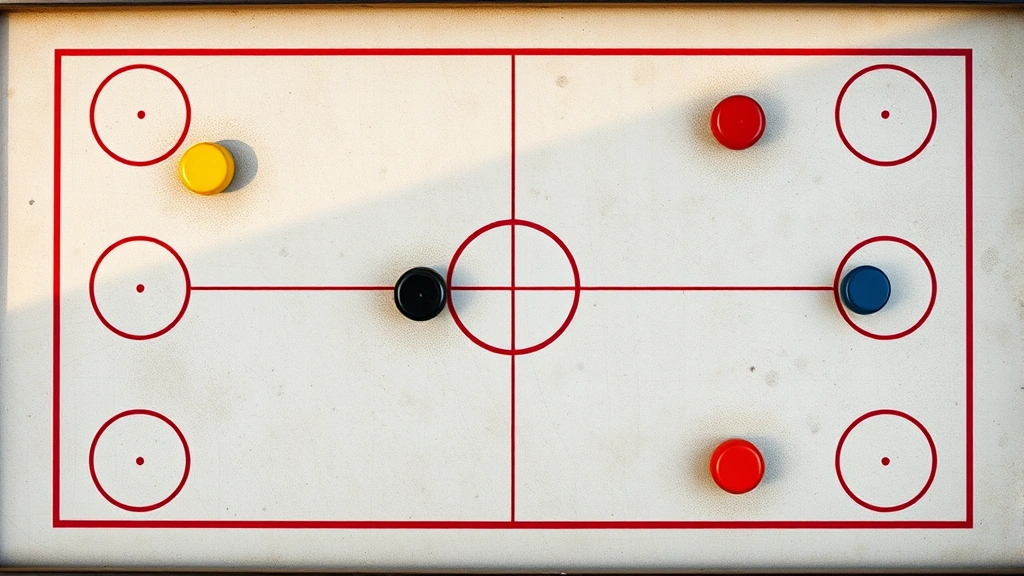
Before you can master how to play shuffleboard, you need to familiarize yourself with the playing surface and tools. A standard shuffleboard court is 52 feet long and 10 feet wide, though recreational versions can vary in size. The court is divided into scoring zones marked with triangular sections at each end, typically labeled with point values ranging from 10 to negative 10 points.
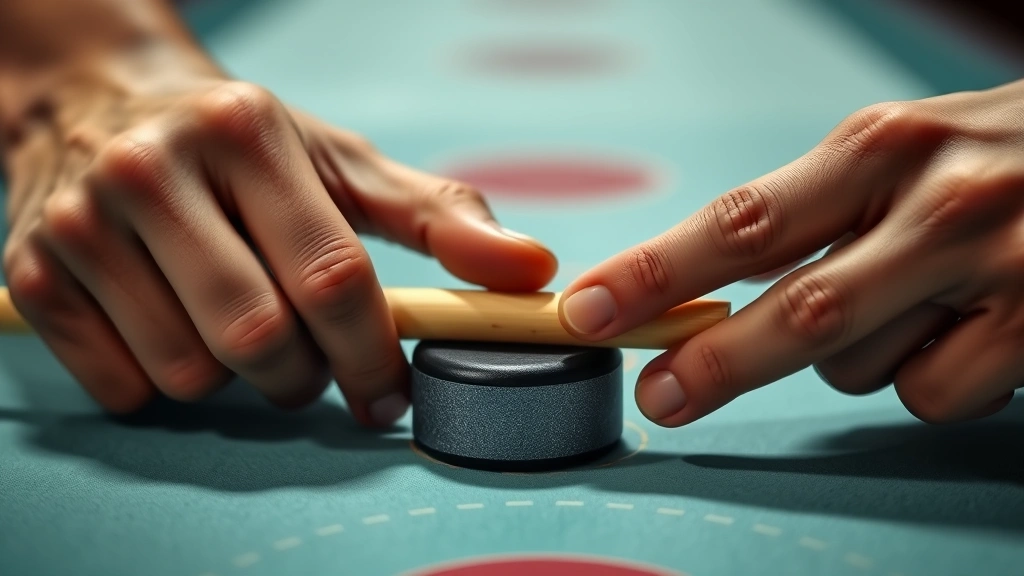
The basic equipment consists of a shuffleboard cue (also called a stick or pusher), which is typically 6 to 9 feet long and has a wooden or plastic head. The pucks, called discs, are small round weights made of composite material or wood, usually weighing between 1 and 1.5 pounds. Each player or team uses pucks of a different color to distinguish them during play. You’ll also need powder or wax applied to the court surface to reduce friction, allowing the pucks to glide smoothly.
The scoring zones at each end of the court are crucial to understand. The furthest zone is typically worth 10 points, the middle zone 8 points, and closer zones might be worth fewer points or even negative points (called the “10 off” zone). Some courts feature a “knock-off” line that separates scoring zones from the area where pucks can be knocked off the court entirely. Understanding your specific court’s markings is essential before you begin playing.
If you’re interested in other tabletop games, you might enjoy learning how to play traditional card games. For instance, how to play spoons offers a completely different gaming experience, as does how to play cribbage for those who prefer card-based strategy.
Basic Rules and Scoring System
The fundamental objective of shuffleboard is straightforward: slide your pucks down the court and land them in high-scoring zones while preventing your opponent from doing the same. Games typically involve two players or two teams competing to reach a predetermined score, usually 15, 21, or 75 points depending on the variation.
Here’s how a basic round works: players take turns pushing their pucks from the starting line (called the “10 off” line) down the court toward the scoring zones. Each player or team gets a turn to push all their pucks before scoring is calculated. The key rule is that only pucks completely within a scoring zone count for points. If a puck straddles a line between zones, it scores for the lower zone value.
Scoring happens after all pucks have been played. Only the player or team with pucks closest to the highest-value zones scores points. If your opponent’s puck is closer to the highest zone than yours, you score zero points for that round, even if you have multiple pucks in scoring areas. This creates a strategic element where knocking opponent pucks out of scoring zones becomes just as important as positioning your own.
The game continues round by round until one player or team reaches the target score. Some variations use a “bust” rule, where if you exceed the target score, you drop back to a previous agreed-upon number. This prevents runaway victories and keeps games competitive.
Speaking of competitive games with scoring systems, if you enjoy strategic card games, how to play spades offers similar tactical depth with a different format.
How to Hold and Execute the Push Shot
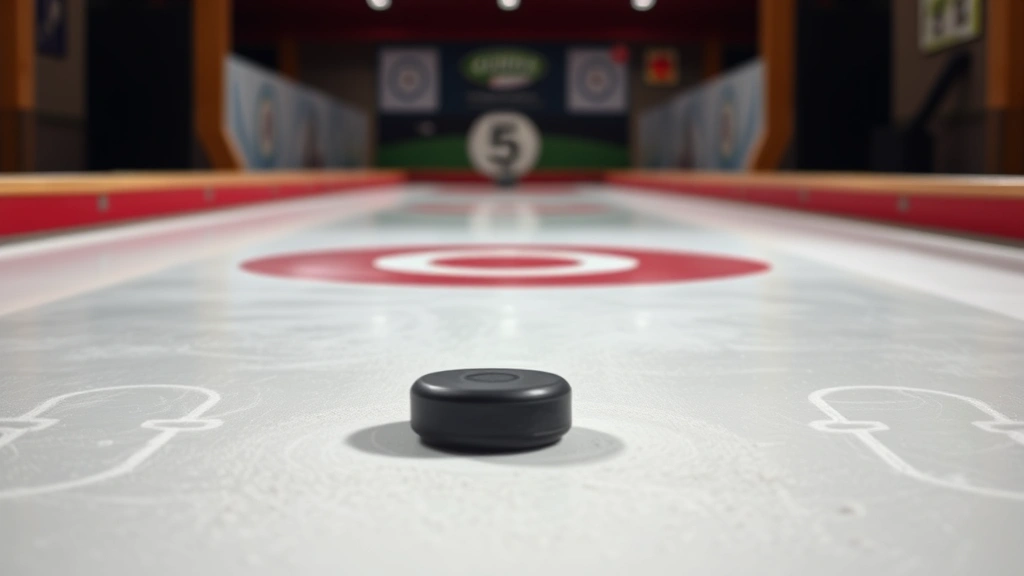
Technique is everything in shuffleboard. The most common shot is the push shot, where you use your cue to push a puck smoothly down the court. Your grip on the cue is foundational to consistent play.
Grip and Stance: Hold the cue with a relaxed grip, keeping your hand loose and natural. Your dominant hand should grip the cue about 12 to 18 inches from the head, while your other hand guides the cue from behind. Stand at a comfortable angle to the court, with your feet shoulder-width apart. Your body should be positioned so that your pushing arm moves in a straight line down the court, parallel to the sidelines.
The Push Motion: The actual push should be smooth and controlled. Start with the cue head positioned behind the puck, then use a gentle, deliberate motion to push the puck forward. The key is maintaining a straight line and consistent speed. Many beginners make the mistake of jerking or accelerating their push, which causes the puck to veer off course. Instead, imagine your arm as a pendulum, with the elbow as the pivot point. The motion should be rhythmic and steady.
Controlling Distance and Speed: The distance your puck travels depends on how hard you push and how much powder is on the court. A gentle push might travel 20-30 feet, while a firm push could reach the far end of the court. Learning to gauge these distances comes with practice. Most players develop a feel for their stroke through repetition, understanding exactly how much force produces a specific travel distance.
Bank Shots: Just like in pool, you can use the side walls to redirect your puck. A bank shot involves pushing your puck toward a sidewall so it rebounds at an angle into a scoring zone. This technique requires practice but becomes invaluable for positioning pucks strategically and knocking opponent pucks out of scoring areas.
Advanced Techniques and Strategy
Once you’ve mastered the basics of how to play shuffleboard, advancing your game requires understanding strategy and finesse shots.
The Knock-Off Shot: This is perhaps the most important advanced technique. The knock-off involves pushing your puck with enough force that it travels through the scoring zones and hits an opponent’s puck, knocking it out of play or into a lower-scoring zone. Timing and power are critical—you want enough force to move the opponent’s puck but not so much that your puck flies off the court or into a negative zone.
Strategic Positioning: Rather than always trying to score maximum points, sometimes the smartest play is to position your pucks defensively. If your opponent has a puck in the 10-point zone, you might push your puck to block access to that zone, preventing them from scoring. This defensive mindset separates casual players from serious competitors.
Reading the Court: Different court conditions affect play significantly. A freshly powdered court allows pucks to travel further and with less friction, while a worn court requires more force to achieve the same distance. Learning to read these conditions and adjust your technique accordingly is crucial. Some experienced players can feel the court’s condition through their first push and immediately adapt their strategy.
The Angle Game: Understanding geometry helps tremendously. Pucks don’t travel in perfect straight lines if pushed at angles to the court’s length. Learning how to use these angles to position pucks in scoring zones or to set up bank shots requires practice, but it’s a skill that significantly improves your competitive edge.
If you enjoy games requiring strategic thinking and precision, you might also appreciate how to rack pool balls, which involves similar tactical positioning principles.
Common Mistakes to Avoid
Understanding what not to do is just as important as knowing what to do. Here are the most common mistakes beginners make:
Inconsistent Stroke: The most frequent error is varying your push motion. Some players jab at the puck, others use a smooth push, and still others accelerate during the motion. Consistency is key. Develop a repeatable stroke and stick with it. This builds muscle memory and makes your play predictable to yourself, allowing you to focus on strategy rather than technique.
Poor Aim: Many players don’t properly align their cue with their intended target. Before pushing, take a moment to ensure your cue is aimed at the point on the puck where you want to make contact. A slight misalignment at the starting line becomes a dramatic miss at the far end of the court.
Ignoring the Opponent’s Position: New players often focus solely on their own scoring opportunities without considering what their opponent has already accomplished. Always assess the current board state before planning your shot. Sometimes blocking an opponent’s high-scoring puck is more valuable than scoring yourself.
Excessive Force: Many beginners push too hard, thinking more force equals better results. In reality, control and finesse trump raw power in shuffleboard. A controlled, moderate push almost always outperforms a wild, aggressive shove.
Neglecting Court Conditions: Failing to account for powder levels, court wear, and humidity means your shots won’t behave as expected. Always warm up with a few practice shots to get a feel for the court before beginning serious play.
Shuffleboard Variations and Game Formats
While the standard game we’ve discussed is most common, several variations exist, each with slightly different rules and strategies.
Horseshoe Shuffleboard: This variation uses a horseshoe-shaped scoring zone instead of the traditional triangular layout. The scoring system remains similar, but the different geometry creates unique strategic opportunities.
Deck Shuffleboard: Commonly played on cruise ships, deck shuffleboard uses a shorter court and lighter pucks. The game plays faster and is particularly popular for casual recreation.
Table Shuffleboard: A miniature version played on tables rather than full courts, table shuffleboard is perfect for indoor play and smaller spaces. The rules remain fundamentally the same, but the reduced scale requires more precision.
Team Play: Beyond individual competition, many venues organize team tournaments. Teams typically consist of two to four players, with each player taking turns pushing their pucks. This format adds a social element and allows for team strategy discussion between turns.
Round-Robin Tournaments: Serious players often participate in organized tournaments where multiple players compete in a series of games. Points are awarded based on wins, and the player with the most points overall wins the tournament.
For those interested in other competitive games, how to play old maid offers a completely different competitive experience, though it relies more on chance than the skill-based nature of shuffleboard.
Learning how to play shuffleboard opens doors to enjoying this classic game in various settings, from casual backyard play to serious competitive environments. The combination of simple rules, accessible equipment, and deep strategic potential makes shuffleboard a game that rewards dedication and practice while remaining fun for beginners.
Frequently Asked Questions
What’s the difference between shuffleboard and shufflecourt?
Shuffleboard and shufflecourt are essentially the same game. The term “shufflecourt” sometimes refers to the playing venue, while “shuffleboard” refers to both the game and the equipment. Some regions use these terms interchangeably, while others maintain subtle distinctions based on court size or location.
How long does a typical shuffleboard game last?
A standard game to 15 points typically lasts 15-20 minutes for experienced players, though casual games might take longer. Tournament games to 21 points usually run 20-30 minutes. The duration depends on player skill level, court conditions, and how much strategic consideration players invest in each shot.
Can shuffleboard be played outdoors?
Yes, though outdoor shuffleboard presents challenges. Wind affects puck movement significantly, and outdoor courts require more frequent maintenance and powder application. Most serious players prefer indoor courts where conditions remain consistent, but casual outdoor play is certainly possible.
What’s the best way to practice shuffleboard?
Consistent practice with focus on stroke technique is most beneficial. Spend time developing a repeatable push motion before worrying about strategy. Practice various shots—long pushes, short pushes, bank shots, and knock-offs. Playing against players of varying skill levels helps you adapt to different styles and strategies.
Is shuffleboard difficult to learn?
Shuffleboard is easy to learn but challenging to master. Basic rules and fundamental shots can be understood within minutes, making it accessible to beginners. However, developing consistent technique, reading court conditions, and mastering advanced strategy takes considerable time and practice.
What equipment do I need to start playing shuffleboard?
To play casually, you need access to a shuffleboard court (many community centers and recreation venues have them), a cue, and pucks. For home play, you can purchase table shuffleboard sets that include everything needed. Court powder or wax is essential for proper puck movement, so ensure the court is properly maintained before playing.
Are there shuffleboard leagues I can join?
Yes, many communities have shuffleboard leagues and clubs. Senior centers, recreation departments, bars, and specialized clubs often organize league play with regular tournaments. Joining a league is an excellent way to improve your skills while meeting other enthusiasts and enjoying competitive play in a structured environment.

Related Posts

How Long to Boil Lobster Tails: Cooking Guide

How Long to Fly from New York to London? Travel Times
