
How to Play DnD: Expert Guide for Beginners
How to Play D&D: Expert Guide for Beginners
Dungeons & Dragons isn’t just a game—it’s a collaborative storytelling experience that’s captured imaginations for nearly fifty years. Whether you’ve seen it featured in pop culture or heard friends raving about their latest campaign, you might be wondering what all the fuss is about. The truth is, D&D combines creative problem-solving, strategic thinking, and genuine friendship in a way few other activities can match.
The beauty of D&D lies in its accessibility. You don’t need to be a fantasy expert or have years of gaming experience to jump in and have an absolute blast. What you do need is imagination, a willingness to embrace the unexpected, and a few friends who share your sense of adventure. This guide will walk you through everything from understanding the core mechanics to creating your first character and running your initial session.
Let’s dive into the mechanics, the community, and the pure joy of rolling dice and discovering what happens next.
What Exactly Is D&D?
Dungeons & Dragons is a tabletop role-playing game where players create characters and embark on adventures guided by a Dungeon Master (DM). Think of it as collaborative storytelling with dice rolls determining outcomes. Unlike a traditional board game with predetermined paths, D&D offers infinite possibilities. Your wizard could negotiate with a dragon instead of fighting it. Your rogue might befriend the tavern keeper instead of robbing them. The story unfolds based on character choices, imagination, and yes, the roll of the dice.
The game operates on a simple premise: players describe what their characters want to do, the DM describes the world and its consequences, and dice rolls determine whether difficult actions succeed or fail. It’s genuinely that straightforward at its core, though the depth you bring to it depends entirely on your group’s creativity and investment.
If you enjoy other strategic games, you might appreciate learning how to play Spades or how to play Cribbage, as they share similar elements of strategy and player interaction, though D&D operates in a completely different realm of imagination-driven gameplay.
Understanding the Core Rules
D&D 5th Edition, the current standard, uses a streamlined system that’s remarkably intuitive. At its heart is the d20—a twenty-sided die that determines success or failure. When your character attempts something with uncertain outcome, you roll the d20 and add relevant modifiers. If the total meets or exceeds a target number set by the DM, you succeed.
The game uses several types of dice: d4, d6, d8, d10, d12, and d20. Each serves a specific purpose, from damage rolls to ability checks. Your character sheet contains six core ability scores—Strength, Dexterity, Constitution, Intelligence, Wisdom, and Charisma—each ranging from 3 to 18, with 10 being average. These scores determine your character’s natural talents and limitations.
Combat follows a structured turn-based system. Initiative rolls determine the order, and each character gets to act during their turn. You can move, take an action, and sometimes use a bonus action or reaction. Actions include attacking, casting spells, hiding, or helping allies. This structure prevents chaos while still allowing tactical depth and creative solutions.
Skill checks represent your character attempting something moderately difficult. You roll a d20, add your ability modifier and any relevant skill bonus, and compare it to a difficulty class (DC) set by the DM. A DC of 10 is easy, 15 is moderate, and 20 is very hard. This simple framework handles everything from picking locks to persuading a noble to climbing a treacherous mountain.
If you’re used to reading complex information, you’ll find D&D’s ruleset manageable. It’s similar to how musicians read sheet music or read tabs—initially it looks overwhelming, but once you understand the framework, it becomes second nature.

Creating Your Character
Character creation is where your D&D journey truly begins. You’re not just rolling up stats; you’re inventing a person with history, motivations, and quirks. Start by choosing a race and class. Races include humans, elves, dwarves, halflings, dragonborn, and others, each with cultural backgrounds and mechanical benefits. Classes determine your character’s role: warriors fight with weapons, wizards cast spells, rogues sneak and strike, clerics heal and support, and many other options exist.
Next, determine your ability scores using either standard array (15, 14, 13, 12, 10, 8), point buy system, or rolling dice. Assign these scores to your six abilities based on your class and concept. A wizard prioritizes Intelligence, a rogue values Dexterity, a cleric needs Wisdom. This isn’t just mechanical—it shapes how your character approaches problems.
Select skills your character trained in. Your class grants proficiencies in certain skills, and you choose additional ones based on background. A soldier might excel at Athletics and Intimidation, while a scholar knows Arcana and Investigation. These choices define what your character is competent at and create natural roleplay opportunities.
Choose a background that explains your character’s past. Were they a soldier, criminal, noble, or street urchin? Your background grants additional skill proficiencies and provides narrative hooks for the DM to weave your story into the campaign. It’s the difference between playing a generic fighter and playing Marcus, a disgraced knight seeking redemption.
Finally, flesh out personality. What’s your character’s goal? Their flaw? Their sense of humor? What drives them forward? These details transform a collection of statistics into a person you’ll spend dozens of hours inhabiting.
Getting Started: Your First Session
Your inaugural session should be low-pressure and fun. The DM describes the setting—perhaps a tavern where adventurers gather—and you describe what your character does. Maybe you order a drink, chat with other player characters, or notice something suspicious. The DM responds, creating a back-and-forth dialogue that gradually introduces the adventure’s hook.
Don’t worry about perfect roleplay. You don’t need to adopt a character voice or speak in fantasy dialect. Simply describe your character’s actions in first or third person: “I tell the bartender I’m looking for work” or “My character scans the tavern for anything unusual.” The DM then tells you what happens, and you respond accordingly.
Your first session should introduce basic mechanics gradually. The DM might ask for an ability check or skill roll before combat appears. This familiarizes you with dice rolling and modifiers without overwhelming pressure. When combat does occur, it’s often straightforward—a few enemies, clear objectives, opportunities for creative problem-solving beyond just hitting things.
Remember that D&D is collaborative. If you’re confused about rules, ask. If something doesn’t feel fun, discuss it with your group. The best D&D experiences come from players and DMs communicating openly about what everyone enjoys.
The Dungeon Master’s Role
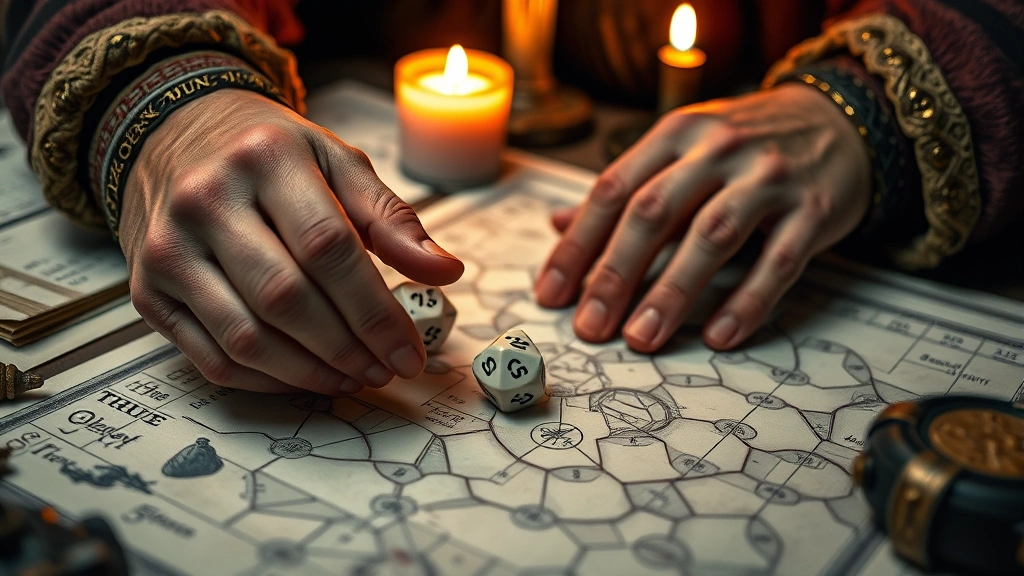
The Dungeon Master is part referee, part storyteller, part improviser, and part audience. Unlike other players with single characters, the DM controls the entire world—every NPC, monster, and environmental element. This is both incredible responsibility and absolute creative freedom.
A good DM balances several competing interests. They follow the rules consistently, ensuring fairness. They create engaging challenges that feel dangerous but aren’t impossible. They adapt to player choices, even when those choices deviate wildly from planned encounters. They maintain pacing, knowing when to speed through downtime and when to linger in dramatic moments.
New DMs often make the mistake of over-planning. The truth is, players will do unexpected things. Instead of scripting every detail, prepare scenarios and let the story emerge from player choices. Have a few key NPCs, know the general plot, and improvise the rest. This flexibility is what makes D&D special compared to other storytelling mediums.
The DM’s most important job is ensuring everyone has fun. This means balancing spotlight time so everyone gets meaningful moments, rewarding creative solutions even if they weren’t anticipated, and knowing when to say “yes, and” to build on player ideas rather than shutting them down.
Essential Gear You’ll Need
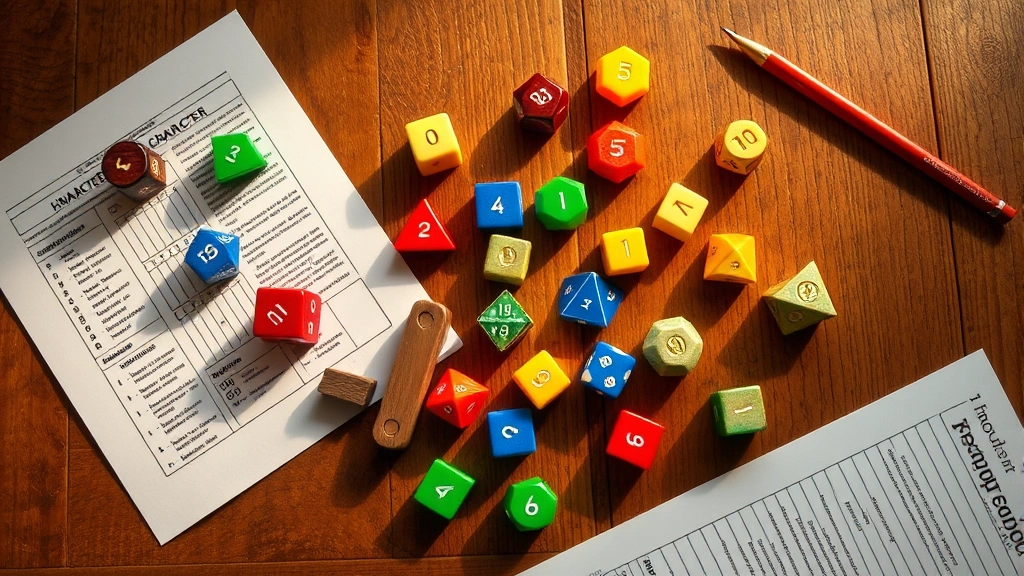
You don’t need much to play D&D, but a few items make the experience significantly better. The core requirement is a set of polyhedral dice (d4, d6, d8, d10, d12, d20). Most players own multiple sets because dice are cool and collecting them becomes a hobby.
Character sheets are essential. These record your character’s statistics, skills, spells, and inventory. You can print free versions from D&D Beyond or purchase physical pads. Many players use notebooks or index cards to track additional information.
The Player’s Handbook is the primary rulebook explaining classes, races, spells, and mechanics. The Dungeon Master’s Guide helps DMs create campaigns and run sessions. The Monster Manual provides stat blocks for creatures. These books aren’t strictly necessary—free online resources exist—but they’re invaluable references for serious play.
A battle grid and miniatures enhance combat visualization, though they’re completely optional. You can describe combat abstractly, use coins to represent characters, or sketch on paper. Some groups use digital tools like Roll20 or Foundry for online play. The method matters less than the group’s comfort level.
Snacks and drinks are technically optional but practically essential. D&D sessions often run three to four hours, and having refreshments keeps energy high and prevents arguments about who’s buying coffee.
Common Beginner Mistakes to Avoid
New players often forget that D&D is collaborative, not adversarial. The DM isn’t trying to kill your character (usually). You’re working together to create an entertaining story. This mindset shift prevents frustration when plans go sideways.
Another common mistake is analysis paralysis. New players sometimes agonize over character optimization or perfect strategy. Here’s the secret: your first character doesn’t need to be optimized. Play something fun, learn the mechanics, and make a better character next time. D&D campaigns typically last months or years, so there’s always another character coming.
Don’t hog spotlight time. If you’re naturally verbose or creative, consciously give quieter players opportunities to shine. Ask the DM what your fellow players’ characters are doing. Celebrate their successes. The best sessions feel balanced, where everyone gets meaningful moments.
Avoid rigid expectations about how your character should act. Yes, you planned for your rogue to be a master thief, but if an opportunity arises for them to become a bard or take a completely different direction, embrace it. Some of the best character moments emerge from unexpected choices.
Many beginners also misunderstand failure. Failing a skill check isn’t bad—it’s an opportunity for the story to become more interesting. Failed stealth leads to combat encounters. Failed persuasion creates conflict and drama. Embrace failure as narrative fuel rather than defeat.
Building Your Gaming Community
Finding a group is often the biggest hurdle to starting D&D. If friends are interested, fantastic—start a group together. If not, you have options. Local game stores often host D&D nights. Online platforms like Roll20 and Fantasy Grounds connect players globally. Discord servers dedicated to D&D facilitate group formation.
When joining an existing group, communicate about expectations. How often do you meet? How long are sessions? What’s the tone—serious and dramatic, comedic and lighthearted, or balanced? What’s the group’s policy on player behavior? These conversations prevent mismatches and ensure everyone’s on the same page.
Creating a welcoming group environment matters tremendously. New players should feel comfortable asking questions without judgment. Everyone should respect table time, meaning limiting phone use and staying engaged. Groups that communicate openly about what’s working and what isn’t tend to last longer and have more fun.
Consider that your group might include experienced players and newcomers. Experienced players have a responsibility to help new players learn without overwhelming them. Avoid correcting every minor rule mistake during your first sessions. Focus on fun, then gradually introduce proper mechanics.
Frequently Asked Questions
Do I need to be good at acting to play D&D?
Absolutely not. You can play D&D without any acting ability whatsoever. Simply describe your character’s actions and let the DM narrate results. Many excellent D&D players are quiet, thoughtful folks who contribute through clever problem-solving rather than theatrical performance. The game accommodates every personality type.
What if I don’t know any fantasy lore?
You don’t need to. D&D doesn’t require prior knowledge of Tolkien, fantasy novels, or any specific lore. The game’s worlds are customizable, and your DM will explain what you need to know. Many players discover fantasy through D&D rather than bringing existing fandom to the table.
How long does a typical session last?
Most sessions run three to four hours, though some groups play shorter two-hour sessions or longer five-hour marathons. The ideal length depends on your group’s schedules and attention spans. Consistency matters more than duration—regular sessions build momentum and investment.
Can I play D&D online?
Absolutely. Video conferencing through Discord or Zoom works perfectly fine. Dedicated platforms like D&D Beyond offer integrated character sheets and dice rolling. Many people discovered D&D through online play, particularly during pandemic lockdowns. The experience is slightly different—you miss the tactile element of physical dice and table presence—but equally valid and fun.
What if my character dies?
Death happens in D&D, and that’s part of the experience. It’s not failure; it’s narrative conclusion. Your character might die heroically saving the party, stupidly charging a dragon alone, or through bad luck and worse decisions. The point is, you create a new character and continue adventuring. Most groups have multiple character deaths per campaign, and it’s rarely a serious issue.
Is D&D expensive?
It can be as cheap or expensive as you want. Free online resources, borrowed books, and basic dice cost almost nothing. Premium books, fancy dice, miniatures, and terrain can run hundreds of dollars, but they’re entirely optional. Many groups play for years spending under fifty dollars total. Budget what you’re comfortable with.
How do I find a campaign to join?
Check local game stores, which often have bulletin boards advertising groups. Search online communities like r/lfg on Reddit dedicated to finding groups. Meetup.com sometimes lists D&D groups in your area. Ask friends if they know anyone playing. Don’t be shy about expressing interest—most groups are thrilled to welcome new players.

Related Posts

How Long to Boil Lobster Tails: Cooking Guide

How Long to Fly from New York to London? Travel Times
