
Can You Master Canasta? Expert Tips Inside
Can You Master Canasta? Expert Tips Inside
Canasta is a captivating rummy-style card game that combines strategy, memory, and social fun. Whether you’re looking to host game night or join a local card club, learning how to play canasta opens doors to hours of engaging entertainment. This comprehensive guide breaks down the rules, strategies, and insider tips to help you become a confident canasta player.
The beauty of canasta lies in its blend of simplicity and depth. While the basic rules are easy to learn, mastering the nuances of melds, freezing the discard pile, and point management takes practice and keen observation. By the end of this guide, you’ll understand the fundamentals and possess advanced strategies used by experienced players.
Canasta Basics and Game Overview
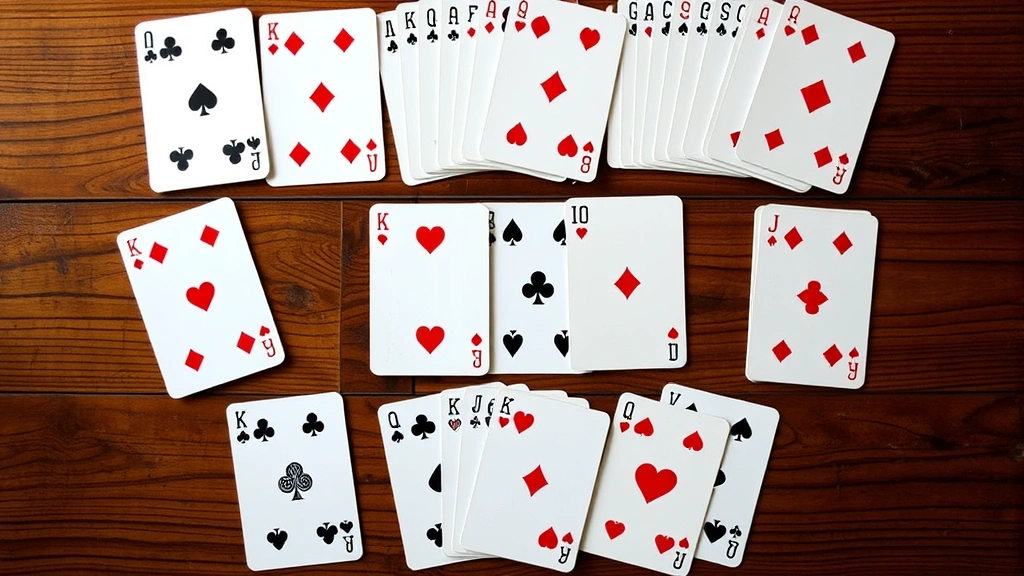
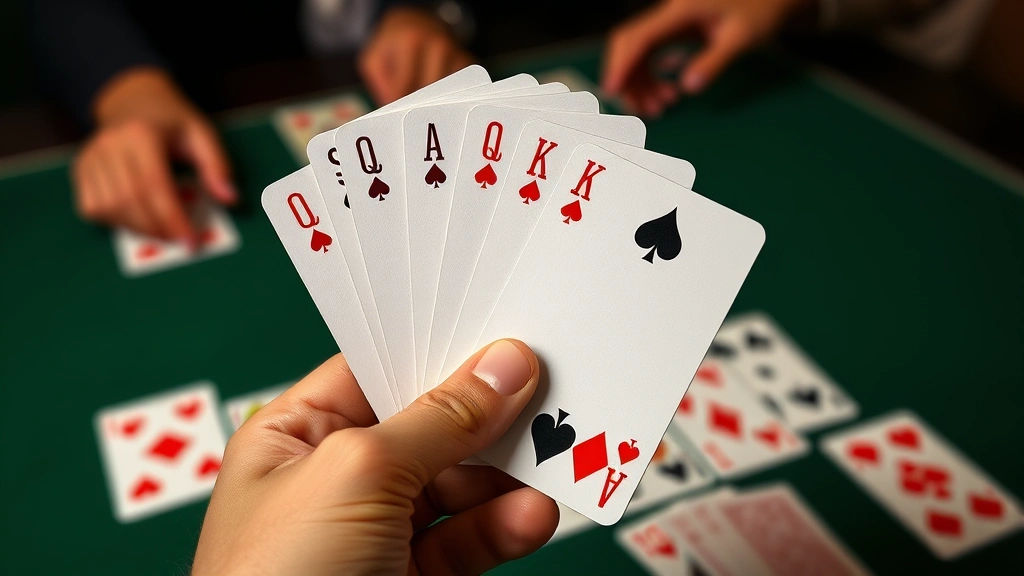
Canasta, which means “basket” in Spanish, originated in Uruguay in 1939 and quickly spread throughout South America and North America. The game is played with two standard decks of cards plus jokers, making 108 cards total. It’s typically played with two to six players, though four-player partnerships remain the most popular format.
The fundamental objective of canasta is straightforward: create melds (combinations of cards) and be the first to go out by playing all your cards. However, achieving this requires strategic thinking about which cards to play, which to hold, and how to block your opponents. The game rewards players who can balance aggression with caution.
One key concept that separates canasta from other rummy games is the “canasta” itself—a meld of seven or more cards of the same rank. Completing a canasta unlocks bonus points and strategic advantages. Understanding when to pursue a canasta versus settling for smaller melds is crucial to mastering the fundamentals of the game.
Game Setup and Card Dealing
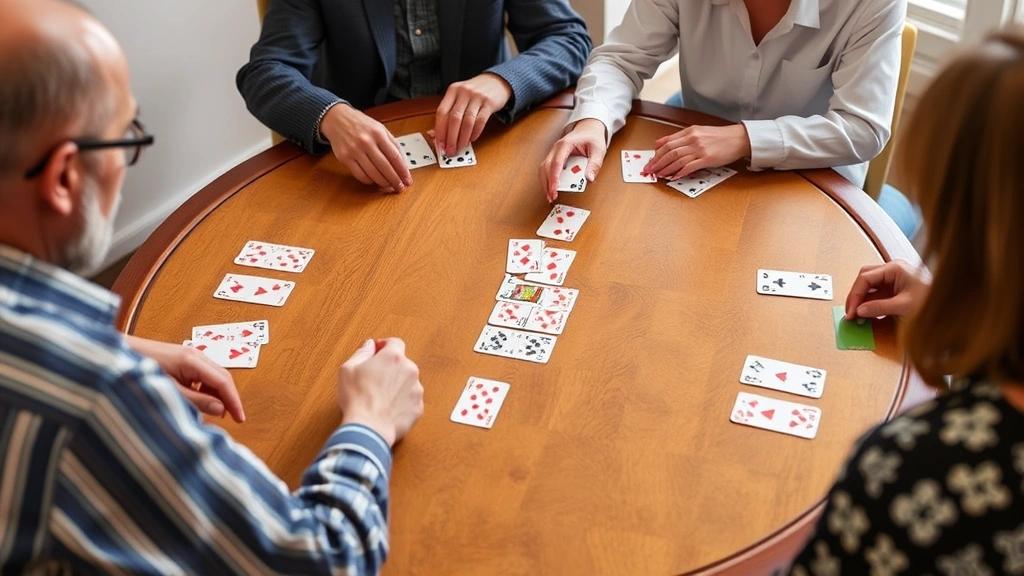
Before you begin playing, proper setup ensures fair gameplay and prevents confusion during the match. Each player needs a clear playing area, and the dealer position rotates after each hand. The dealer shuffles both decks together thoroughly, then deals cards one at a time, clockwise, until each player receives 11 cards in a four-player game.
After dealing, the dealer places the remaining deck (stock pile) face-down in the center of the table. The top card of the deck is turned face-up to start the discard pile. If this card is a wild card (deuce or joker), the dealer must turn another card face-up on top of it. If a red three appears, the dealer replaces it with another card from the stock.
Red threes hold special significance in canasta—they’re bonus cards that must be laid down immediately when drawn and replaced with a card from your hand. Black threes, conversely, serve as defensive cards that freeze the discard pile, preventing opponents from drawing from it. Understanding the role of these special cards before dealing helps prevent rule violations and keeps the game flowing smoothly.
Understanding Melds and Scoring
A meld is a combination of three or more cards of the same rank, with or without wild cards (deuces and jokers). The minimum meld value depends on whether it’s your partnership’s first meld of the hand. Initially, your first meld must total at least 50 points (or 90 points in later hands, depending on your score). Subsequent melds by your partnership can be any value.
Scoring in canasta is where the game’s complexity shines. Natural cards (non-wild cards) are worth face value: aces are worth 20 points, face cards are worth 10 points, and number cards are worth their pip value. Wild cards (deuces) are worth 20 points each. Red threes are worth 100 points each if your side has melded cards, or -100 points if you’re stuck holding them.
The real point bonuses come from completing a canasta. A natural canasta (seven or more cards of the same rank without wild cards) earns 500 bonus points. A mixed canasta (containing one or two wild cards) earns 300 bonus points. Going out (playing all cards from your hand) earns 100 bonus points. These bonuses can swing a close game dramatically, making late-game decisions critical.
Let’s examine a practical example: if you meld three aces (60 points), two kings (20 points), and a joker wild card (20 points), your meld totals 100 points and counts as your initial meld. Later, if you add four more aces to create a natural canasta of seven aces, you’d earn the 500-point canasta bonus plus the individual card values.
Core Gameplay Mechanics
On your turn, you must draw one card—either from the top of the stock pile or from the discard pile. Drawing from the discard pile is strategic because it gives you a known card, but it requires melding the bottom card of the discard pile immediately. If you draw from the stock pile, you gain surprise and flexibility.
After drawing, you may meld cards if you can meet the minimum point requirement (or if your partnership has already melded). You can also add cards to existing melds on the table—either your own or your partner’s. This action, called “laying off,” is essential for reducing your hand and creating opportunities to go out.
Finally, you must discard one card face-up onto the discard pile. This card becomes available for the next player to draw. Strategic discard choices are vital—you want to avoid discarding cards that opponents clearly need while protecting your own melds. For example, if an opponent is clearly building a meld of eights, discarding an eight could help them complete a canasta.
The discard pile can become “frozen” under specific conditions. If a black three is discarded, the pile freezes until the next player’s turn. Additionally, if a wild card is in the discard pile, it remains frozen until a player can match the rank of the card beneath the wild card. A frozen pile prevents opponents from drawing from it, forcing them to draw from the stock pile instead.
Advanced Strategies for Winning
Experienced canasta players understand that the game extends beyond simply making melds. Strategic thinking about hand management, partnership communication, and risk assessment separates casual players from champions. Here are proven tactics used by competitive players:
Manage Your Hand Composition by tracking which cards have been played. If three aces have been discarded, holding four aces is risky because completing a seven-card canasta becomes impossible. Conversely, if few cards of a rank have appeared, building toward a canasta in that rank becomes more viable. Keeping mental notes about played cards—similar to how you might measure precision in other activities—improves your decision-making significantly.
Freeze the discard pile strategically. Discarding a black three or wild card at the right moment prevents opponents from accessing high-value cards in the discard pile. However, overusing this tactic can backfire if it allows opponents to draw from the stock pile instead, potentially giving them better cards. Time your freezes for moments when the discard pile contains cards you don’t want opponents accessing.
Balance Offense and Defense by knowing when to complete melds versus when to hold back. If you’re significantly ahead in points, slowing down the game protects your lead. If you’re behind, accelerating toward going out becomes necessary. Reading your opponents’ body language and play patterns helps you anticipate their strategies.
Coordinate with your partner through subtle signals and play patterns. While explicit communication is prohibited, the order and timing of your discards can convey information about your hand strength. If your partner sees you discarding low-value cards consecutively, they understand you’re holding high-value cards and can adjust their strategy accordingly.
Build toward natural canastas whenever possible. The 500-point bonus for a natural canasta justifies holding cards longer to avoid wild cards in your melds. If you have five cards of the same rank and the sixth card appears in the discard pile, waiting to draw it for a natural canasta often yields better results than immediately melding with a wild card.
Popular Canasta Variations
While classic four-player partnership canasta remains the gold standard, numerous variations cater to different player counts and preferences. Understanding these variants expands your gameplay options and keeps the game fresh.
Two-Player Canasta modifies the rules significantly. Each player draws 15 cards instead of 11, and the minimum initial meld is 15 points instead of 50. The game moves faster and emphasizes individual skill over partnership dynamics. Two-player canasta works well for intimate game nights or practicing strategy before playing team games.
Three-Player Canasta requires one player to sit out during each hand, rotating positions. Alternatively, three active players can play without partnerships, competing individually. The dynamics shift considerably without a partner to support your melds and block opponents.
Samba, a Brazilian variant, uses three decks and introduces a seven-card meld called a “samba” (different from a canasta) made of seven cards in sequence of the same suit. This variant emphasizes sequence-building alongside rank-based melds, creating additional strategic layers.
Bolivia raises the stakes with higher minimum melds and bonus points. Red threes are worth 100 points each, and going out earns 200 bonus points instead of 100. This fast-paced version rewards aggressive play and quick thinking.
Frequently Asked Questions
Can you play canasta with a single deck?
Playing with a single deck plus jokers is technically possible but not recommended. The game was designed for two decks to prevent situations where needed cards run out, affecting gameplay balance. Single-deck variants exist but significantly alter strategy and card availability dynamics.
What happens if the stock pile runs out?
If the stock pile is depleted and a player cannot draw from the discard pile, that player’s turn ends without drawing. They must still discard a card, and play continues. This situation rarely occurs but emphasizes the importance of managing the discard pile strategically throughout the hand.
Can you add wild cards to an existing canasta?
Yes, you can add wild cards to an existing canasta to extend it beyond seven cards. However, the original canasta bonus is awarded only once per meld. Adding cards increases your overall point total but doesn’t generate additional canasta bonuses.
How do you know when someone is about to go out?
Experienced players watch for subtle signals: players holding fewer cards, sudden shifts in discarding patterns, or hesitation before discarding. However, the best defense is maintaining your own melds and preventing opponents from accessing cards they need through strategic discard pile freezing and careful hand management.
Is canasta difficult to learn?
The basic rules are straightforward and learnable in 20-30 minutes, similar to how you might learn simple craft techniques. However, mastering strategy, card counting, and partnership play requires practice. Most players develop competence after 5-10 games and continue improving for months or years.
What’s the difference between natural and mixed canastas?
A natural canasta contains only cards of the same rank without any wild cards (deuces or jokers), earning 500 bonus points. A mixed canasta contains one or two wild cards, earning 300 bonus points. Natural canastas are harder to achieve but reward strategic patience with higher point values.
Can you take the entire discard pile if it’s not frozen?
Yes, when the discard pile is not frozen, you can draw the entire pile by matching the bottom card with a card from your hand or by adding it to an existing meld. You must immediately meld the bottom card, then incorporate the remaining cards into melds or your hand as you choose.
Mastering canasta requires understanding the rules, practicing strategy, and learning from experienced players. Start with classic four-player partnership canasta, focus on building natural canastas, and develop your card-counting skills. Join local canasta clubs or organize regular game nights to accelerate your learning. With dedication and practice, you’ll transition from casual player to confident competitor who understands the subtle tactics that determine winners.
For additional resources, check out This Old House for game room setup ideas, or visit Family Handyman for organizing your game space. The Pagat Card Games reference provides comprehensive rule variations, and Hoyle’s official game rules offer authoritative guidance. Finally, consider exploring Bicycle Playing Cards for quality decks that enhance your game experience.

Related Posts

Superscript in Google Docs: Expert Tips

Strikethrough in Excel: Easy Steps for Beginners
