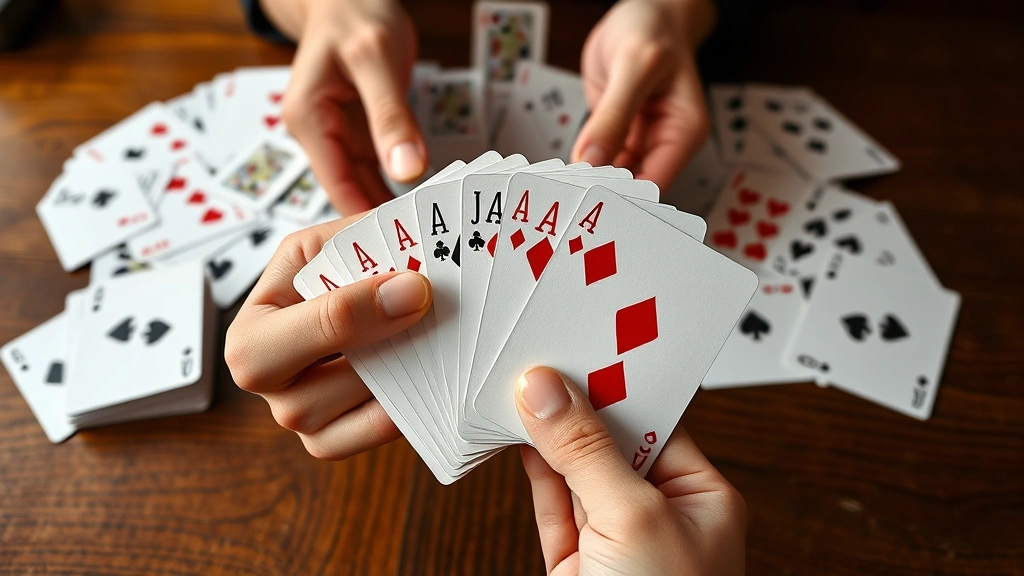
Can You Master Canasta? Beginner’s Guide
Can You Master Canasta? Beginner’s Guide to Learning How to Play Canasta
Canasta is a captivating card game that combines strategy, memory, and social engagement in a format that’s both accessible to beginners and rewarding for experienced players. Whether you’re looking to host game nights with friends or join a local canasta club, mastering this classic rummy-style game opens doors to countless hours of entertainment. The beauty of canasta lies in its balance—it’s simple enough to learn in an afternoon yet complex enough to keep you strategizing for years.
This comprehensive guide will walk you through everything you need to know to become a confident canasta player. From understanding the basic rules and card values to executing advanced strategies and managing your melds, we’ll cover all the essential elements that transform casual players into true canasta enthusiasts. By the end of this guide, you’ll be ready to shuffle up and deal with confidence.
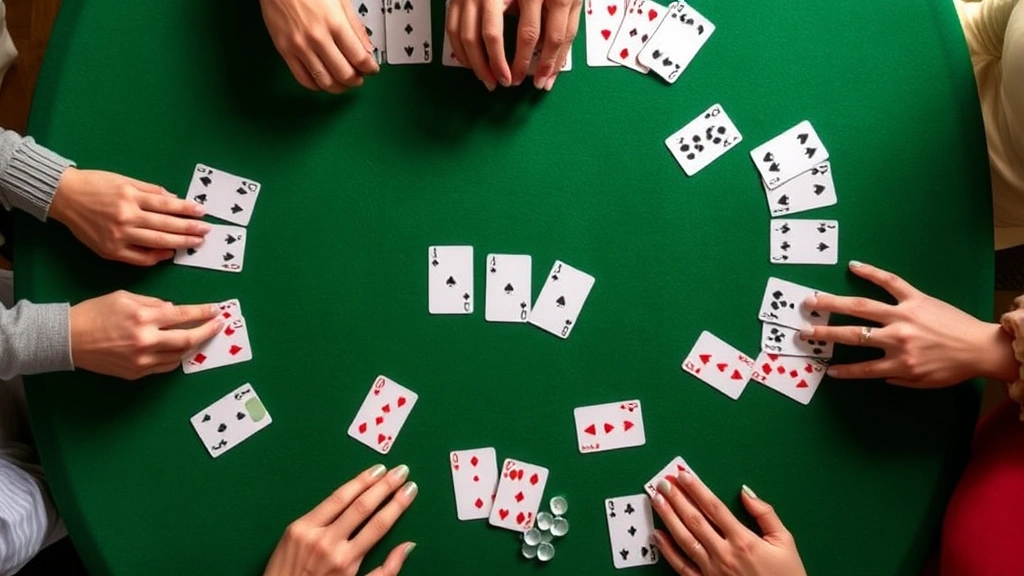
Understanding the Basics of Canasta
Canasta, which means “basket” in Spanish, emerged in Uruguay in the 1930s and quickly spread throughout South America and eventually worldwide. The game is fundamentally a rummy-variant that emphasizes creating melds—combinations of cards of the same rank—and building canastas, which are melds of seven or more cards.
At its core, canasta is played with multiple decks of standard playing cards plus jokers. The standard version uses four decks (208 cards) plus eight jokers for four players, though variations exist for different player counts. The objective is straightforward: accumulate points by forming melds and canastas while preventing opponents from doing the same. The first team or player to reach a predetermined point total (usually 5,000 points) wins the game.
The game involves drawing cards, creating combinations, and discarding strategically. Unlike some card games where luck dominates, canasta rewards players who think several moves ahead and manage their hand composition carefully. Understanding these foundational concepts is crucial before diving into the specifics of gameplay.
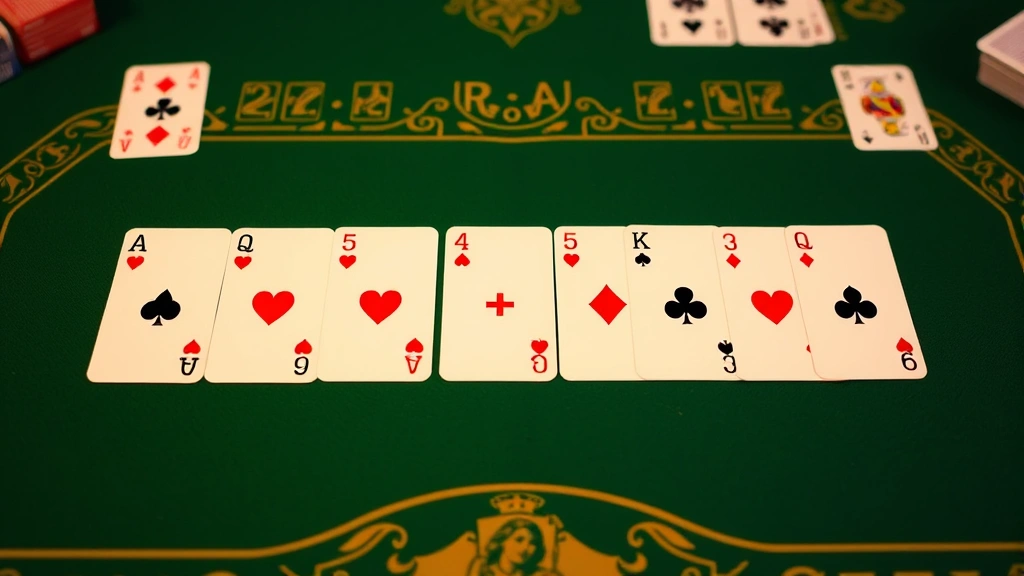
Card Values and Point Systems
Every card in canasta carries a specific point value, and understanding these values is essential for calculating scores and making strategic decisions. The point system determines which cards are worth pursuing and which should be discarded early.
Natural card values work as follows:
- Aces and twos: 20 points each
- Eights and jokers (wild cards): 50 points each
- Kings, queens, jacks, tens, nines: 10 points each
- Fives, fours, threes, sixes, sevens: 5 points each
- Black threes: 5 points (special cards with unique rules)
- Red threes: 100 points each (counted automatically)
Red threes are particularly important—they’re worth significant points but cannot be melded. Instead, they’re laid aside immediately when drawn and contribute to your score automatically. Black threes, conversely, can only be melded during your final meld before going out, making them strategically valuable for defensive play.
Bonuses and penalties also affect your final score. Completing a canasta (seven or more cards) awards bonus points: 500 points for a natural canasta (all cards are natural, non-wild) or 300 points for a mixed canasta (containing wild cards). Going out—using all cards in your hand—provides an additional 100-point bonus.
Setting Up Your First Game
Proper setup ensures smooth, enjoyable gameplay. Begin by gathering your materials: four standard decks of cards plus eight jokers, a score sheet, and pencils. Designate a dealer and have them shuffle thoroughly—canasta requires genuinely randomized decks since card distribution significantly impacts strategy.
Each player draws a card to determine partnerships and seating arrangements. In four-player canasta, partners sit opposite each other. The player who draws the highest card becomes the first dealer. Shuffle again after determining seating, then deal 11 cards to each player, one at a time in clockwise rotation. Place the remaining cards face-down as the draw pile, and flip the top card to start the discard pile.
Before play begins, check if any players drew red threes—these should be immediately replaced with cards from the draw pile and set aside. This ensures fairness since red threes are automatic points. Take a moment to review the basic rules with all players, especially if anyone is new to how to play canasta competitively.
Create a clear scoring area where all melds are visible to every player. This transparency prevents disputes and helps players make informed decisions about which melds to build and which to hold back strategically.
Gameplay Mechanics and Turn Structure
Each turn follows a predictable sequence that becomes second nature after a few hands. On your turn, you must draw one card—either from the top of the draw pile or from the discard pile. Drawing from the discard pile comes with conditions: you must immediately use that card in a meld, and you must pick up the entire discard pile.
Your turn progresses through these phases:
- Draw phase: Take one card from the draw pile or discard pile
- Meld phase: Play any melds or add cards to existing melds on the table
- Discard phase: Place one card face-up on the discard pile to end your turn
The discard pile becomes increasingly important as the game progresses. If the discard pile is “frozen”—meaning it contains a wild card or black three—players cannot pick it up unless they can immediately match the top card with a natural pair from their hand. This mechanic creates interesting strategic moments where players must decide whether to freeze the pile defensively or leave it accessible.
Play continues clockwise until someone goes out by melding or adding to melds until they have no cards remaining in their hand. The moment a player goes out, the hand ends and scoring begins. Teams or players tally their points based on melded cards, bonuses, and penalties.
Melding and Building Canastas
Melding is where canasta truly comes alive strategically. A meld is a valid combination of cards—a minimum of three cards of the same rank. For example, three sevens constitute a valid meld, as does three kings plus a joker (a mixed meld using one wild card).
Key melding rules include:
- Melds must contain at least three cards initially
- You cannot meld more than three cards of the same rank if they’re all natural cards (no wild cards), with the exception that you can have multiple melds of the same rank if one is entirely natural
- Wild cards (twos, eights, and jokers) can substitute for any card in a meld
- Once a meld is on the table, you or your partner can add matching cards or wild cards to it
- You cannot add cards to opponents’ melds
A canasta—seven or more cards of the same rank—is the game’s ultimate goal. Completing a canasta locks those cards in place; no more cards can be added. The psychological impact of completing a canasta is significant: it signals strength and often prompts opponents to become more conservative.
Building toward canastas requires patience and planning. Early in the game, hold back cards that could form canastas rather than melding them immediately. This “slow build” strategy prevents opponents from seeing your strength and allows you to complete canastas when they matter most—late in the hand when points are being calculated.
The distinction between natural and mixed canastas affects your bonus points significantly. A natural canasta earns 500 bonus points, while a mixed canasta with wild cards earns only 300. This incentivizes keeping wild cards in reserve rather than using them early, creating an additional layer of strategic depth.
Advanced Strategies for Winning
Once you understand the mechanics, strategy separates casual players from consistent winners. The first advanced principle is information management. Pay attention to what cards opponents discard—this reveals their hand composition and strategic priorities. If an opponent discards high-value cards early, they’re likely building toward a specific meld type.
Defensive freezing is another critical technique. When opponents are clearly building toward canastas, you can strategically discard a wild card or black three to freeze the discard pile, making it inaccessible to them. This forces them to draw from the main deck, slowing their canasta completion.
Hand management involves balancing offense and defense. Rather than melding everything possible, sometimes holding cards creates flexibility. If you hold a pair of cards that matches what’s in the discard pile, you maintain the option to pick up that pile later, gaining access to additional cards.
Understanding going out timing is crucial. Don’t rush to go out—instead, go out when you’ve maximized your team’s points. Sometimes allowing the hand to continue one more round lets you complete another canasta, which is worth far more than the 100-point going-out bonus.
Study how successful players manage their partnerships. In team play, communicating through your melds—which melds you build and in what order—conveys information to your partner about your hand composition and strategy. This non-verbal partnership communication is part of canasta’s rich strategic tapestry.
Common Mistakes Beginners Make
Learning from others’ mistakes accelerates your development as a canasta player. The most frequent beginner error is melding too early. New players see three matching cards and immediately meld them, missing the opportunity to build toward larger canastas. Patience—holding cards in hand longer—often yields better results.
Another common mistake is poor discard choices. Beginners sometimes discard valuable cards they think they won’t need, only to regret it when opponents pick up the discard pile. Always consider which cards opponents might want before discarding.
Ignoring red threes costs points. Some new players treat red threes casually, but since they’re worth 100 points automatically, they’re actually some of the most valuable cards in the game. Protect them and ensure they’re set aside immediately when drawn.
Failing to freeze the pile at critical moments is another oversight. When opponents are clearly dominating, freezing the discard pile with a wild card or black three can dramatically shift momentum. Don’t hoard wild cards selfishly; use them strategically when needed.
Finally, many beginners don’t track the draw pile. Keeping mental tabs on approximately how many cards remain in the draw pile helps you anticipate when the hand might end and adjust your strategy accordingly. If the draw pile is nearly depleted, play more conservatively.
Frequently Asked Questions
What’s the difference between canasta and other rummy games?
While canasta shares the meld-building mechanic with games like rummy and gin rummy, canasta distinguishes itself through its use of multiple decks, wild cards, the canasta bonus structure, and the emphasis on building seven-card melds. Canasta also typically involves four players in partnerships, creating different strategic dynamics than two-player rummy variants.
Can you play canasta with fewer than four players?
Yes, canasta adapts well to different player counts. Two-player canasta uses two decks plus jokers with modified rules. Three-player versions exist with adjusted deck sizes. For learning purposes, four-player canasta is ideal since it introduces partnership dynamics without excessive complexity. Consult official canasta rules or community resources for specific rule modifications for your player count.
What happens if the draw pile runs out?
If the draw pile becomes depleted and no one has gone out, players continue drawing from the discard pile in reverse order until someone goes out or the game becomes impossible to continue. This rarely happens in normal play, but it’s important to understand for edge cases.
Are there official canasta tournaments?
Absolutely. Organizations like the American Canasta Association sanction tournaments with standardized rules. Competing in organized play elevates your skills significantly and connects you with serious canasta enthusiasts. Many communities host casual league play as well.
How long does a typical game take?
A single hand usually takes 30-45 minutes, though this varies based on player experience and speed. A complete game to 5,000 points typically involves 10-15 hands and takes 5-8 hours with breaks. Tournament play has time limits to ensure efficiency.
What’s the best way to practice canasta?
Start by playing casual games with patient, experienced players who’ll explain their decisions. Online canasta platforms provide practice opportunities against computer opponents. Join local canasta clubs—most communities have them, and club members are typically welcoming to learners. Regular play is the most effective teacher; each hand teaches lessons about strategy and decision-making.
If you’re interested in expanding your game night repertoire beyond card games, consider learning how to play bocce ball for outdoor entertainment or explore other indoor activities. For those interested in precision tasks, you might enjoy learning how to merge cells in Excel for organizing game statistics.
Mastering canasta is a rewarding journey that combines luck, strategy, and social engagement. Start with these fundamentals, practice consistently, and don’t hesitate to ask experienced players for guidance. Within weeks, you’ll develop the intuition and strategic thinking that transforms canasta from a confusing game into an engaging passion. Welcome to the canasta community—shuffle up and deal!

Related Posts
Prevent Razor Bumps: Expert Tips for Smooth Shaving

Prevent Razor Bumps: Tips from Dermatologists