Canasta Rules: Beginner’s Guide to Play
Canasta Rules: Beginner’s Guide to Play
Canasta is a captivating card game that combines strategy, skill, and a bit of luck to create an engaging experience for players of all ages. Whether you’re looking to learn a new game for family game nights or want to master a classic that’s been enjoyed for decades, understanding the fundamental rules of canasta is your first step toward becoming a confident player.
This comprehensive guide will walk you through everything you need to know about how to play canasta, from setup and dealing to scoring and winning strategies. By the end, you’ll have the knowledge to confidently sit down at the card table and enjoy this rewarding game with friends and family.

What is Canasta and Game Overview
Canasta is a rummy-type card game that originated in Uruguay in the 1930s and quickly spread throughout South America and eventually the world. The name “canasta” comes from the Spanish word for basket, reflecting the game’s origins in Latin America. It’s typically played with two decks of standard playing cards plus jokers, making it a game of complexity and strategic depth.
The primary objective in canasta is to form melds—sets of cards of the same rank or sequences of cards in the same suit—and be the first to eliminate all cards from your hand. However, it’s not just about getting rid of cards; scoring the most points is what ultimately determines the winner. The game rewards players who can create large melds, use wild cards strategically, and maintain control over the game’s pace.
Canasta is typically played with two to six players, though four players in two partnerships is considered the classic format. The game combines elements of skill, memory, and decision-making that make it endlessly entertaining. If you’re already familiar with other card games like bocce ball or other recreational games, you’ll appreciate canasta’s strategic depth and social appeal.
Game Setup and Dealing Cards
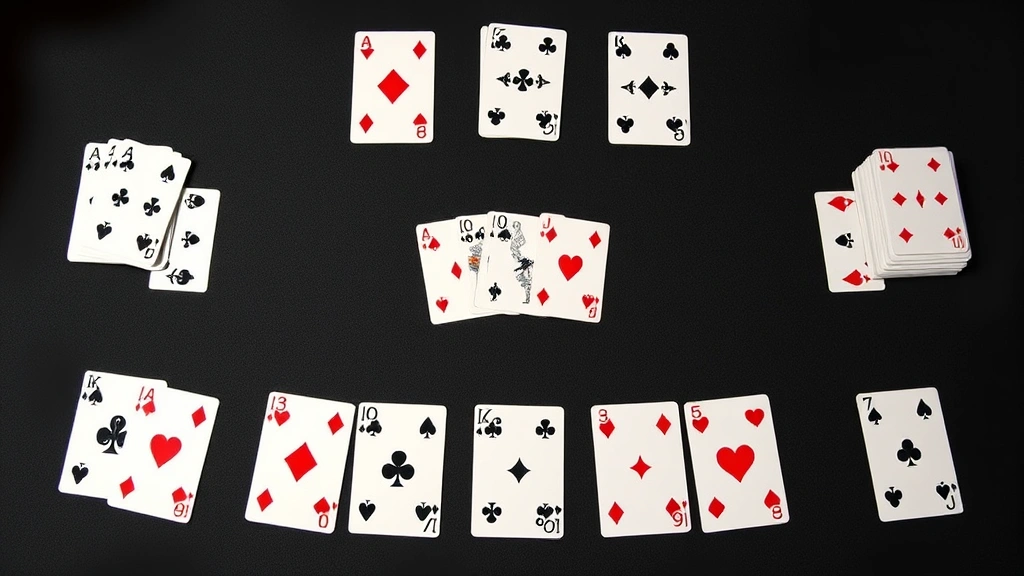
Before you can begin playing canasta, proper setup is essential. You’ll need two complete decks of standard playing cards (52 cards each) plus all four jokers, giving you a total of 108 cards. Shuffle these cards thoroughly to ensure random distribution.
Dealing Process:
- Determine dealer order by having each player draw a card; highest card becomes the first dealer
- The dealer distributes 11 cards to each player, one card at a time, moving clockwise around the table
- Place the remaining deck in the center as the stock pile
- Turn over the top card from the stock pile to start the discard pile
- If the first card is a wild card (joker or deuce), place another card on top of it
The player to the dealer’s left goes first. In subsequent hands, the dealer position rotates clockwise. The setup phase is crucial because it establishes the foundation for fair play and equal opportunity for all participants.
Understanding Melds and Combinations
Melds are the cornerstone of canasta strategy. A meld is a combination of cards that must meet specific requirements. Understanding what constitutes a valid meld is essential before you can effectively play the game.
Valid Meld Requirements:
- Minimum of three cards of the same rank (for example, three Kings, three 7s, or three Aces)
- Sequences of three or more cards in the same suit in ascending order (such as 5-6-7 of hearts)
- Wild cards (jokers and deuces) can substitute for any card in a meld
- Each meld can contain a maximum of three wild cards
A “canasta” is a special meld of seven or more cards of the same rank, and it’s worth significant bonus points. There are two types of canastas: natural canastas (made entirely of cards of the same rank with no wild cards) and mixed canastas (which include one to three wild cards). Natural canastas are worth more points, providing incentive for strategic play.
Understanding how to build and extend melds is crucial for success. Once you’ve laid down your initial meld, you and your partners can add cards to existing melds on the table. This is called “melding off” and is a key part of reducing your hand size while accumulating points.
How to Play Your Turn
Each turn in canasta follows a consistent structure that all players must follow. Understanding the proper sequence of actions will help you play correctly and make informed strategic decisions.
Turn Sequence:
- Draw a Card: Begin your turn by drawing either the top card from the stock pile or the entire discard pile (if it’s not frozen)
- Meld Cards: If you have valid melds in your hand, you may lay them down on the table in front of you
- Add to Existing Melds: You and your partner can add cards to melds already on the table
- Discard One Card: End your turn by placing one card face-up on the discard pile
The discard pile can become “frozen” under certain circumstances, preventing players from picking it up. A pile is frozen when a wild card or red three is on top. When the pile is frozen, you can only pick it up if you can immediately meld with the top card using cards from your hand (not cards from the table). This strategic element adds complexity and requires careful planning.
If you draw the entire discard pile, you must play at least one card from that pile immediately, either by melding it or adding it to an existing meld. This rule prevents players from simply hoarding the discard pile without contributing to the game’s progress.
Scoring Points in Canasta
Scoring in canasta is where strategy truly shines. Understanding point values is essential for making decisions about which cards to play and which to hold onto.
Card Point Values:
- Jokers and Deuces: 50 points each
- Aces and Eights: 20 points each
- Kings, Queens, Jacks, Tens, and Nines: 10 points each
- Sevens, Sixes, Fives, and Fours: 5 points each
- Threes and Twos: 5 points each (with special rules)
Bonus Points:
- Natural Canasta (seven or more cards, no wild cards): 500 points
- Mixed Canasta (seven or more cards with wild cards): 300 points
- Red Threes: 100 points each if melded, or -100 points if left in hand
- Going out: 100 points bonus
Red threes are particularly interesting cards. If you’re dealt red threes, you must lay them down immediately and draw replacement cards. Red threes in your melds add 100 points each, but if you’re caught with them in your hand when someone goes out, they count as minus 100 points each. This creates an important tactical consideration throughout the game.
The game typically continues until one player reaches a predetermined score, often 5,000 points. However, house rules vary, so always establish the winning score before beginning play. You can also explore our complete canasta guide for more detailed scoring strategies.
Advanced Rules and Variations
Once you’ve mastered the basics of how to play canasta, you may want to explore some advanced rules and popular variations that add depth and excitement to the game.
Going Out Rules:
Going out means getting rid of all cards in your hand. However, there are specific requirements for going out in canasta. You must have at least one meld on the table, and your final discard must leave you with no cards. In partnership play, you may ask your partner “Can I go out?” and they must answer honestly with yes or no. This adds a partnership strategy element where communication becomes crucial.
Partnership Canasta:
In four-player partnership canasta, players sitting opposite each other form a team. Partners share a common meld area on the table, and melds belong to the partnership rather than individual players. This variation emphasizes teamwork and requires partners to coordinate their strategies. The partnership that reaches the predetermined score first wins the game.
Two-Player Canasta:
While traditionally played with four players, canasta can be adapted for two players. In this variation, each player draws two cards per turn instead of one, and the rules for going out are slightly modified. Two-player canasta moves faster and offers a more direct competitive experience.
House Rules Variations:
- Some groups allow wild cards to be melded together without a natural card
- Others require a minimum of 50 points before the first meld can be laid down
- Some variations award additional points for going out with a single discard
- Certain house rules permit picking up the discard pile with a meld containing wild cards
Before playing with a new group, always clarify which rules you’ll be using. Different regions and communities have developed their own canasta traditions, and flexibility in understanding variations makes you a more adaptable player.
Common Mistakes Beginners Make
Learning from others’ mistakes is an excellent way to accelerate your canasta mastery. Here are the most common errors beginners make and how to avoid them:
Mistake 1: Picking Up the Discard Pile Too Eagerly
Beginners often grab the discard pile without considering whether it benefits them strategically. Remember, once you pick up the pile, you must play at least one card from it. Sometimes it’s better to draw from the stock and maintain flexibility in your hand composition.
Mistake 2: Ignoring Red Threes
Red threes are valuable but tricky. Failing to lay them down when dealt costs you points, and holding them in your hand at game’s end results in significant penalties. Always prioritize getting red threes on the table immediately.
Mistake 3: Poor Discard Strategy
Your discard is just as important as your draw. Beginners often discard high-value cards without considering what information this gives opponents. Strategic discarding involves balancing point value with the risk of helping opponents build their melds.
Mistake 4: Not Communicating in Partnership Play
In four-player partnership canasta, non-verbal communication through discard patterns and meld choices is crucial. Beginners often fail to pick up on partner signals, leading to missed opportunities. Pay attention to what your partner is discarding and laying down.
Mistake 5: Melding Too Early
While melds are the goal, laying down melds too quickly can limit your options. Sometimes holding cards back allows you to create larger, more valuable melds later. Balance the urge to meld with strategic patience.
Mistake 6: Forgetting About Freezing the Pile
Beginners often don’t use the frozen pile strategically. Placing a wild card on the discard pile at the right moment can prevent opponents from picking it up, which is a powerful tactical move.
FAQ
Can you pick up the discard pile in canasta?
Yes, you can pick up the entire discard pile during your turn, but there are conditions. If the pile isn’t frozen, you need cards in your hand that match the top card. If the pile is frozen (topped with a wild card or red three), you must be able to meld immediately with the top card using only cards from your hand. When you pick up the pile, you must use at least one card from it in a meld immediately.
What happens if you get caught with red threes?
Red threes are penalized heavily if left in your hand when someone goes out. Each red three counts as minus 100 points. However, if you lay them down as part of your melds, each counts as plus 100 points. This is why it’s critical to get red threes on the table as soon as possible.
How many wild cards can be in a meld?
Each meld in canasta can contain a maximum of three wild cards (jokers and deuces). If a meld has three wild cards, it must have at least four natural cards of the appropriate rank or sequence. This limitation prevents players from creating melds that are mostly wild cards.
Is canasta difficult to learn?
Canasta has a moderate learning curve. The basic rules are relatively straightforward, but mastering strategy and understanding when to meld, freeze the pile, and pick up discards takes practice. Most beginners can play competently after one or two games and develop deeper strategy with continued play. If you’re interested in learning other games, check out our guides on creative activities and fun pastimes.
What’s the difference between natural and mixed canastas?
A natural canasta contains seven or more cards of the same rank with no wild cards and is worth 500 points. A mixed canasta contains seven or more cards with one to three wild cards included and is worth 300 points. Natural canastas are more difficult to achieve but offer significantly higher rewards, making them a strategic goal in canasta.
Can you go out without laying down any melds?
No, you must have at least one meld on the table before you can go out. This rule ensures that all players are actively working toward the game’s primary objective of creating melds rather than simply trying to discard all their cards.

Related Posts

Program a Key Fob? Expert Tips Inside

Program a Key Fob? Expert Tips & Guide