Master Canasta: A Beginner’s Guide to Rules
Master Canasta: A Beginner’s Guide to Rules
Canasta is a captivating card game that combines strategy, skill, and a touch of luck. Whether you’re looking for a new game to enjoy with family and friends or want to expand your card game repertoire, understanding how to play canasta opens the door to hours of entertaining gameplay. This classic rummy-style game has been enjoyed for decades and remains popular in social gatherings, game clubs, and casual home settings around the world.
The beauty of canasta lies in its blend of accessibility and depth. While the basic rules are straightforward enough for beginners to grasp quickly, the strategic elements keep experienced players engaged and challenged. In this comprehensive guide, we’ll walk you through everything you need to know to start playing canasta with confidence, from card values and melds to scoring and winning strategies.
Understanding Canasta Basics
Canasta, which means “basket” in Spanish, is a game that evolved from rummy in the 1930s and gained tremendous popularity throughout South America and beyond. The game’s primary objective is to form melds—combinations of cards of the same rank—and accumulate points while preventing your opponents from doing the same.
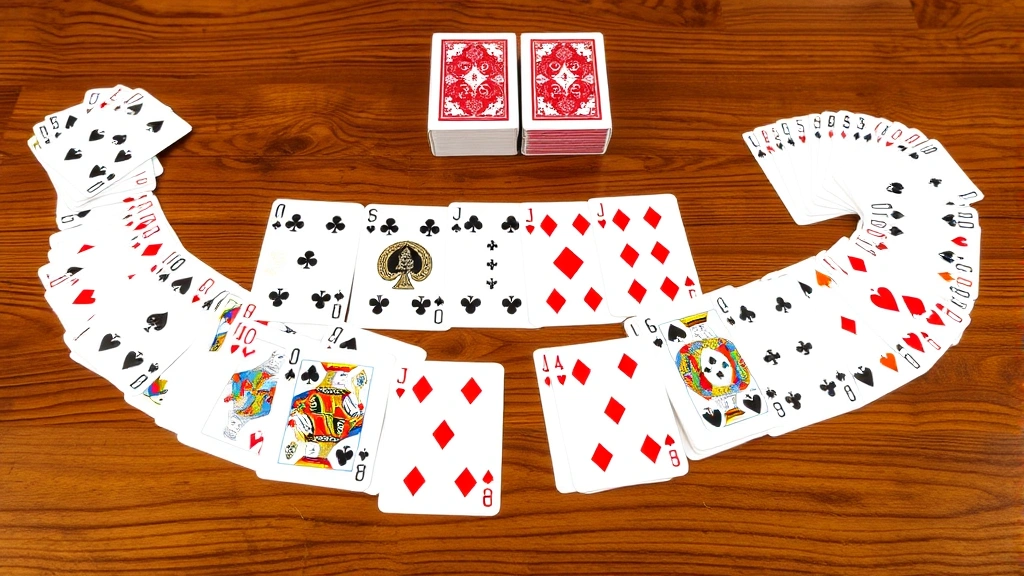
At its core, canasta requires two standard decks of 52 cards plus jokers, making a total of 108 cards. The game accommodates two to six players, though it’s most commonly played with two, three, or four players. Different variations exist, including classic canasta, hand and foot canasta, and samba canasta, but we’ll focus on the standard two-player and four-player formats here.
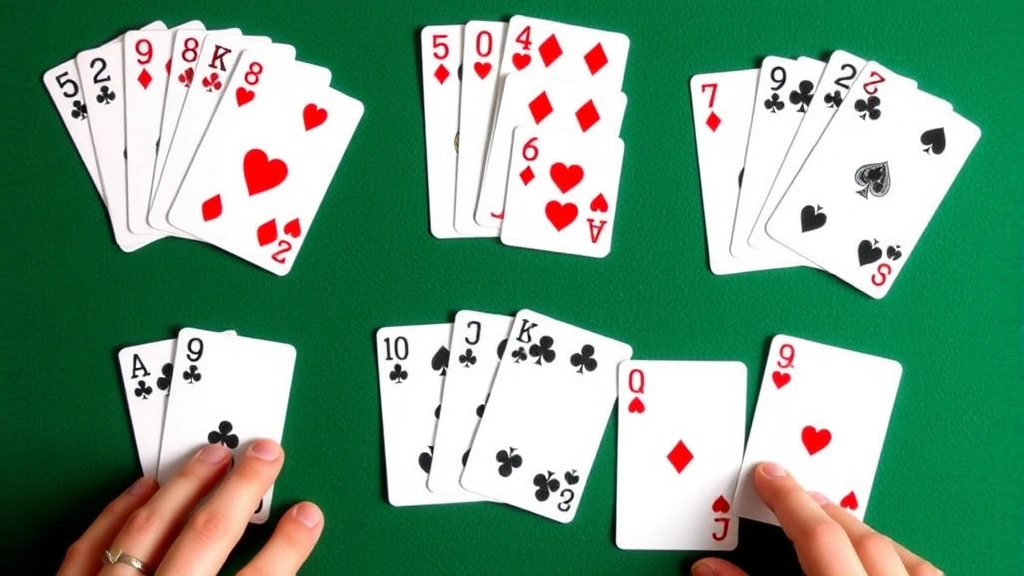
The fundamental concept revolves around creating melds of three or more cards of the same rank and laying them on the table. A “canasta” is a meld of seven or more cards of the same rank, which earns bonus points. Understanding this core mechanic is essential before diving into the detailed rules and strategies.
Game Setup and Deal
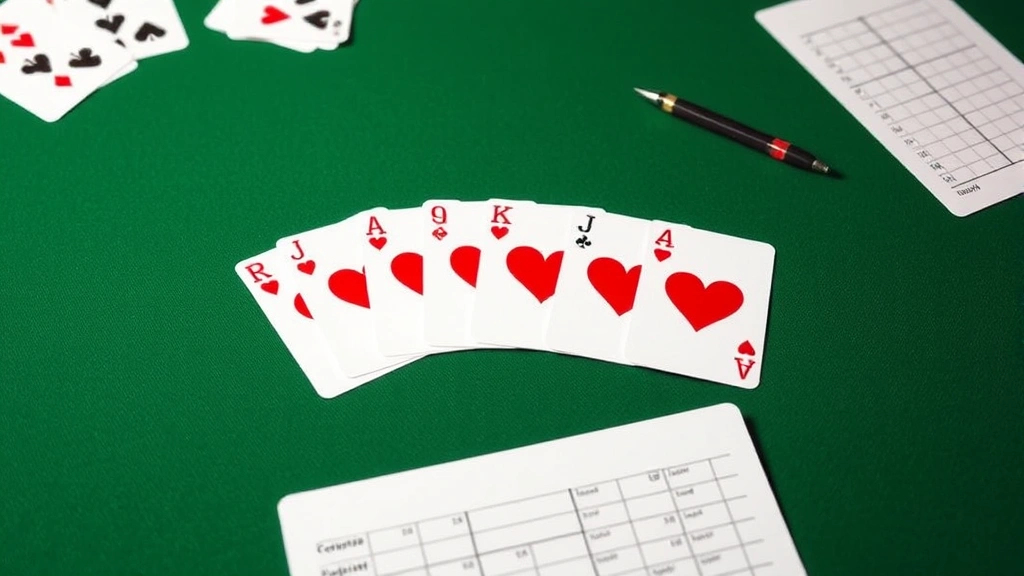
Before you begin playing, proper setup is crucial for smooth gameplay. Start by shuffling both decks together thoroughly, ensuring cards are well mixed. One player deals cards one at a time, clockwise, until each player has received 15 cards in the standard four-player game. In two-player games, each player receives 15 cards as well.
After the deal, the remaining deck (called the stock pile) is placed face-down in the center of the table. The top card of the stock pile is turned face-up next to it to start the discard pile. If this card is a joker, a deuce (two), or a red three, another card is turned over until a natural card appears.
Red threes are special cards that cannot be played in melds. If you receive red threes in your hand, you must immediately place them face-up on the table and draw replacement cards from the stock pile. This ensures fair distribution of these valuable cards.
For a deeper understanding of game setup principles, you might also explore how how to play bocce ball establishes its playing field, as strategic game preparation applies across many recreational activities.
Card Values and Melds
Understanding card values is fundamental to mastering canasta. Cards are classified into three categories:
- Natural cards: These are cards from three through ace (excluding deuces and jokers). Natural cards of the same rank combine to form melds.
- Wild cards: Deuces and jokers are wild cards that can substitute for any natural card in a meld. However, a meld can contain a maximum of three wild cards.
- Red threes: These special cards are never played but instead placed on the table immediately when drawn, earning 100 points each.
A valid meld must contain a minimum of three cards, with at least two natural cards of the same rank. For example, you could have three fives, four sixes, or a seven with two jokers (one natural seven and two wild cards). The key restriction is that wild cards cannot outnumber natural cards in any meld.
A canasta—seven or more cards of the same rank—is the ultimate achievement in card formation. Canastas earn substantial bonus points and are a primary way to accumulate high scores. A “natural canasta” contains no wild cards, while a “mixed canasta” includes one or more wild cards. Natural canastas earn 500 points, while mixed canastas earn 300 points.
Melds can be built upon after they’re laid on the table. If you have additional cards matching the rank of an existing meld, you can add them to increase the meld’s value and work toward completing a canasta. This is called “adding to the meld” and is a crucial tactical element of the game.
Gameplay Mechanics
Each turn consists of three main actions: drawing a card, melding cards, and discarding a card. Understanding the flow of these actions is essential to how to play canasta effectively.
On your turn, you must first draw either the top card from the stock pile or one or more cards from the discard pile (called “taking the discard pile”). If you choose to take from the discard pile, you must immediately meld the top card with two cards from your hand. This action “unfreezes” the discard pile, allowing you to take all remaining cards in that pile.
After drawing, you may meld cards if you wish. Your first meld of the hand must total at least 50 points in card values. Subsequent melds have no minimum point requirement. You can also add cards to existing melds on the table, whether they’re your own or your opponents’ melds.
Finally, you must discard one card face-up on top of the discard pile. This card becomes available for the next player to pick up. Some cards, called “freezing cards,” are strategically discarded to prevent opponents from easily taking the discard pile. These include wild cards and red threes.
The game continues until either the stock pile is depleted or a player goes out by melding all their cards. When a player successfully melds their entire hand and discards their final card, they’ve “gone out” and the round ends. However, they can only go out if their partnership (or they themselves in two-player games) has completed at least one canasta.
Scoring System
Scoring in canasta can seem complex at first, but breaking it down into components makes it manageable. Points are awarded for:
- Card values: Cards three through seven are worth 5 points each. Cards eight through king are worth 10 points. Aces and deuces are worth 20 points. Jokers are worth 50 points.
- Melds: The sum of all card values in your melds contributes to your score.
- Red threes: Each red three placed on the table earns 100 points. If you have all four red threes, they’re worth 400 points instead.
- Canastas: Natural canastas earn 500 points. Mixed canastas earn 300 points.
- Going out: The player who goes out first earns a 100-point bonus. If they go out without the discard pile being taken during the hand, they earn a 200-point bonus instead.
Negative scoring applies to unmelded cards remaining in your hand when someone goes out. These cards are subtracted from your score. This is why managing your hand carefully and working toward melds is strategically important throughout the game.
Just as understanding how to merge cells in Excel requires knowing the specific values and functions involved, mastering canasta scoring demands careful attention to point calculations and strategic planning.
Winning Strategies
Beyond knowing the rules, successful canasta players employ strategic thinking to gain advantages. Here are essential strategies for improving your game:
Manage Your Hand Strategically: Keep track of which cards other players are discarding and holding. This information helps you predict their melds and plan your own strategy accordingly. Avoid holding high-value cards that could become dead weight if you’re unable to meld them.
Freeze the Discard Pile Wisely: Discarding wild cards or other strategic cards prevents opponents from easily taking the discard pile. However, use this tactic sparingly, as it also prevents you from accessing valuable cards. Balance freezing the pile with maintaining your own hand’s flexibility.
Build Toward Canastas: Focus on accumulating cards toward canastas rather than spreading your melds too thin. Canastas provide substantial point bonuses and are often the difference between winning and losing rounds.
Take the Discard Pile Strategically: Sometimes taking the discard pile provides access to cards that help you complete melds or canastas. Other times, it’s wiser to draw from the stock pile to maintain hand flexibility. Evaluate each situation carefully.
Plan Your Exit: Keep track of when you might be able to go out. Having a plan to meld all your cards with at least one canasta completed gives you a significant advantage and ends the round favorably for your team.
Observe Opponent Patterns: Experienced players watch what cards others hold and discard. This observation helps you anticipate their melds and adjust your strategy accordingly. Notice which ranks they’re collecting and avoid discarding cards that might help them complete canastas.
Common Mistakes to Avoid
Even as you’re learning how to play canasta, being aware of common pitfalls helps you improve faster and avoid costly errors:
Forgetting Red Three Rules: Many beginners forget that red threes must be immediately placed on the table when drawn or held at the start of the game. Failing to do so results in penalties. Always check for red threes before beginning your turn.
Melding Too Early: Rushing to meet the 50-point minimum requirement for your first meld can leave you with fewer options later. Sometimes it’s better to draw several cards before making your initial meld, giving you more flexibility in card combination choices.
Ignoring Hand Management: Holding onto high-value cards that don’t form melds is risky. If an opponent goes out before you meld these cards, you’ll lose significant points. Regularly evaluate whether cards in your hand are moving toward productive melds.
Misunderstanding Wild Card Limits: Remember that melds can contain a maximum of three wild cards and must have at least two natural cards. Attempting to form melds with more wild cards than natural cards is illegal and disrupts gameplay.
Poor Discard Decisions: Your discard is your last action each turn and significantly impacts your opponents’ options. Discarding cards strategically—freezing the pile when advantageous or discarding cards others are less likely to need—is crucial to controlling game flow.
Neglecting Partnership Communication: In four-player partnership games, subtle communication about your hand’s strength helps your partner make better decisions. While overt signaling is prohibited, discussing strategy before games begins helps partnerships function more effectively.
For additional insights into strategic thinking and planning, explore how FixWiseHub’s how-to guides and tutorials break down complex processes into manageable steps, much like mastering canasta requires understanding individual components before executing advanced strategy.
FAQ
Can you play canasta with a single deck?
No, canasta requires two standard decks plus jokers (108 cards total) for proper gameplay. A single deck contains insufficient cards for the game’s mechanics and wouldn’t provide enough opportunities for melds and canastas. Always use the complete two-deck setup.
What happens if the stock pile runs out?
If the stock pile is depleted and a player cannot take the discard pile, that player’s turn ends immediately without drawing a card. Play continues until someone goes out or no valid moves remain. If the discard pile becomes unavailable, the hand ends immediately.
Can you add cards to opponent melds?
Yes, you can add cards to any meld on the table, including opponent melds. This is called “laying off” and is a legitimate strategic move. However, you cannot add wild cards to an opponent’s meld if they’ve already completed a canasta with that meld.
What’s the difference between going out and going out concealed?
Going out normally means melding all your cards after having previously melded during the hand. Going out concealed (or “going rummy”) means melding your entire hand in one turn without having melded previously. This earns a 200-point bonus instead of the standard 100-point bonus.
How many points do you need to win?
Most canasta games are played to 5,000 points in partnership formats or 8,000 points in some variations. Check your specific rules before starting, as different groups may use different target scores. Some casual games simply play a set number of hands instead of to a point total.
Are there variations of canasta I should know about?
Yes, popular variations include hand and foot canasta (played with three hands per player), samba canasta (using three decks), and bolivia canasta (with different meld requirements). Once you master the standard game, exploring variations can refresh your interest and provide new challenges.
For more information about game rules and strategies, consult This Old House’s resource library for general how-to guidance, or visit Family Handyman for detailed instructional content on various topics. Card game enthusiasts might also find valuable resources at major game retailers like BoardGameGeek, which offers comprehensive rules databases and community forums for clarifying specific gameplay questions.
Mastering canasta opens doors to engaging social gameplay and mental challenge. Start with the basics, practice consistently, and gradually incorporate advanced strategies into your play. Soon you’ll be confidently playing canasta with family and friends, enjoying the blend of luck and skill that makes this classic card game enduringly popular.

Related Posts

Prevent Razor Bumps: Tips from Dermatologists

Prevent Razor Bumps? Dermatologist Advice