
Grow Sunflowers: Expert Planting Tips
Grow Sunflowers: Expert Planting Tips for Stunning Summer Blooms
Sunflowers are one of the most rewarding plants to grow in any garden, offering cheerful blooms that can reach heights from two feet to over twelve feet depending on the variety you choose. Whether you’re a seasoned gardener or picking up a shovel for the first time, learning how to plant sunflower seeds is straightforward and incredibly satisfying. These vibrant giants thrive in most climates and require minimal maintenance once established, making them perfect for beginners and experienced gardeners alike.
The process of growing sunflowers from seed to harvest teaches valuable lessons about patience, timing, and proper plant care. From selecting the right seeds to nurturing mature plants through their blooming season, each step plays a crucial role in determining your success. This comprehensive guide walks you through every stage of sunflower cultivation, ensuring you have the knowledge needed to create a stunning floral display that will brighten your landscape and attract pollinators to your garden.
Understanding Sunflower Varieties and Selection
Before you purchase sunflower seeds, understanding the different varieties available will help you make informed decisions based on your garden space and goals. Sunflowers fall into several categories: giant varieties that can exceed ten feet in height, medium varieties ranging from four to eight feet, and dwarf varieties that stay under three feet tall. Giant varieties like ‘Mammoth Russian’ and ‘Skyscraper’ create dramatic focal points but require significant space and sturdy support systems. Medium varieties such as ‘Autumn Beauty’ and ‘Moulin Rouge’ offer excellent visual impact without overwhelming smaller gardens.
Dwarf varieties including ‘Teddy Bear’ and ‘Sunny’ work wonderfully in containers, border gardens, and smaller landscapes. Beyond height, sunflowers vary in color, bloom pattern, and petal formation. Traditional golden-yellow varieties remain popular, but modern breeding has introduced deep reds, burgundies, creams, and bi-colored options. Some varieties produce single large flowers per stem, while others branch prolifically, creating multiple blooms. Consider whether you want cut flowers for indoor arrangements, seeds for harvesting, or simply ornamental display. Visit your local trusted seed suppliers to examine seed packets and select varieties suited to your climate zone and garden conditions.
Preparing Your Garden Soil and Location
Sunflowers are remarkably adaptable plants, but they perform best with proper soil preparation and ideal growing conditions. These sun-worshipping plants require a minimum of six to eight hours of direct sunlight daily, with eight to ten hours being optimal for maximum growth and blooming. Choose a location that receives consistent morning sunlight, as this helps dry dew and reduces fungal disease risk. Afternoon shade in hot climates can prevent excessive stress during peak heat.
Soil preparation is equally important for successful sunflower cultivation. These plants prefer well-draining soil with a pH between 6.0 and 7.5. Before planting, test your soil using a home soil testing kit to determine nutrient levels and pH. If your soil is compacted or clay-heavy, amend it with three to four inches of compost or aged organic matter worked into the top eight to ten inches. This improves drainage, adds nutrients, and creates a loose texture that encourages deep root development. Sunflowers develop extensive root systems, so loose, well-prepared soil allows roots to penetrate deeply and access moisture during dry periods. If you’re planting in poor soil, incorporate a balanced fertilizer or bone meal into the planting area before seeding.
Location matters beyond just sunlight exposure. Choose areas protected from strong winds when possible, especially for tall varieties that can be stressed or toppled by severe gusts. If your garden is particularly windy, plan for staking or support structures during the growth phase. Avoid planting sunflowers in the same location year after year, as this can increase disease pressure and deplete specific soil nutrients. Rotate sunflower planting areas to maintain soil health and prevent pest and disease buildup.
Timing Your Planting for Success
Proper timing is critical when learning how to plant sunflower seeds successfully. Sunflowers are warm-season annuals that cannot tolerate frost or freezing temperatures. Plant seeds directly into the garden after the last spring frost date when soil temperatures reach at least 50°F, with 60°F or higher being ideal for faster germination. Consult your local USDA Plant Hardiness Zone map to determine your frost dates accurately.
In most regions, this means planting sunflowers in late spring, typically April through June depending on your location. You can stagger plantings every two to three weeks throughout late spring and early summer to extend the blooming season. This succession planting ensures continuous flowers from mid-summer through early fall. However, avoid planting too late, as sunflowers need adequate time to mature before fall frosts arrive. As a general rule, plan for sunflowers to bloom sixty to ninety days after planting, depending on the variety.
For those in warm climates, fall planting is sometimes possible. In regions where frost arrives late, you can plant sunflowers in mid to late summer for fall blooms. However, this requires careful monitoring of water availability during hot periods and may result in smaller plants if planted too late. The earlier you plant within the recommended window, the more time plants have to establish strong root systems and produce robust blooms.
Step-by-Step Seed Planting Process
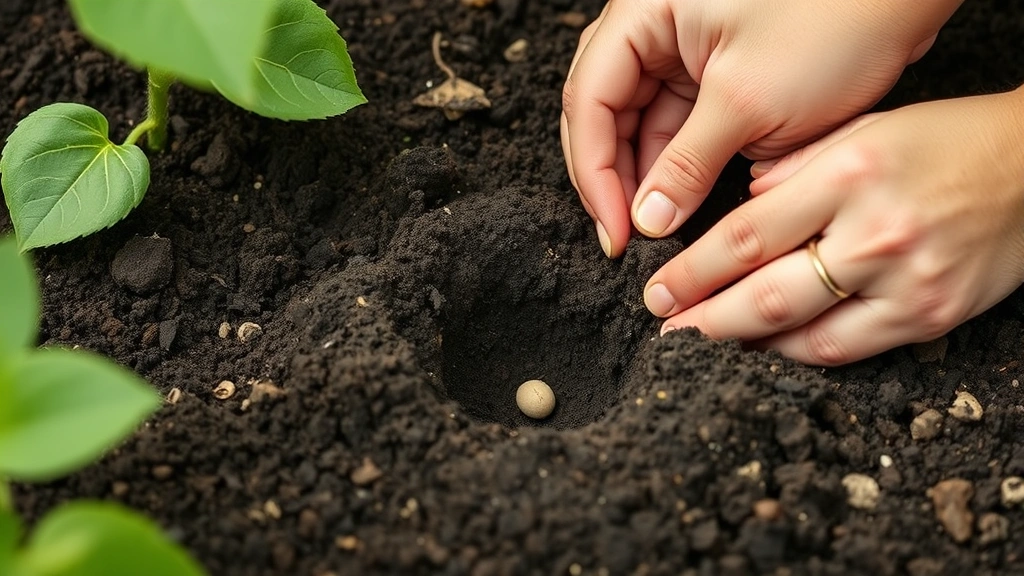
The actual planting process is straightforward and requires minimal tools or experience. Begin by creating planting holes at the proper depth. Sunflower seeds should be planted one to one and one-half inches deep, with spacing depending on the variety. Giant varieties need eighteen to twenty-four inches between plants, medium varieties require twelve to eighteen inches, and dwarf varieties can be spaced six to twelve inches apart. These spacing guidelines ensure each plant receives adequate sunlight and air circulation.
Place one to two seeds in each prepared hole, then cover gently with soil and water thoroughly. If you plant two seeds per hole, thin seedlings once they develop their first true leaves, keeping only the strongest plant. This thinning process might seem wasteful, but it ensures vigorous growth by eliminating competition for nutrients and water. Mark your planting rows or areas so you remember where seeds are located, as germination takes seven to ten days, and you won’t see growth immediately.
For direct garden planting, you can also create furrows at the proper depth and plant seeds along the row, then thin seedlings later. This method works well for succession planting and allows you to adjust final spacing as seedlings emerge. Some gardeners prefer starting seeds indoors four to six weeks before the last frost date, then transplanting seedlings outdoors after hardening off. Indoor starting is useful if you have limited outdoor space or want to protect seeds from birds and other wildlife.
If starting seeds indoors, use seed-starting mix in containers with drainage holes. Keep soil consistently moist but not waterlogged, and provide bright light once seedlings emerge. Sunflower seedlings grow quickly and should be transplanted into larger containers if they become leggy. When transplanting outdoors, handle seedlings gently and plant them at the same depth they were growing in containers, burying the stem slightly deeper to encourage additional root development.
Watering and Early Care Requirements
Proper watering is essential during the germination and early growth phases. Keep soil consistently moist for the first two weeks after planting, but avoid waterlogging, which can cause seed rot. Once seedlings emerge and develop their first true leaves, you can reduce watering frequency slightly while still maintaining consistent moisture. As plants grow and develop deeper root systems, they become more drought-tolerant, though they still perform best with regular watering.
Established sunflowers need approximately one to one and one-half inches of water weekly, whether from rainfall or irrigation. Water deeply and less frequently rather than shallow daily watering, as this encourages deep root development and stronger plants. Water at soil level rather than overhead when possible, as wet foliage increases disease risk. Early morning watering is ideal, allowing any incidental leaf wetness to dry quickly in sunlight.
During the hottest parts of summer, monitor plants carefully for water stress. Wilting during peak afternoon heat is normal and doesn’t necessarily indicate insufficient water, but if plants remain wilted in early morning, increase watering frequency. Container-grown sunflowers need more frequent watering than in-ground plants, as pots dry out quickly in summer heat. Check container soil daily and water when the top inch feels dry.
Once seedlings develop their first true leaves, thin them to proper spacing if you planted multiple seeds per hole. Remove weaker seedlings by cutting them at soil level rather than pulling, which can disturb roots of the remaining plant. Remove any weeds competing with seedlings, as young sunflowers need minimal competition during establishment. A two to three inch layer of organic mulch around plants helps retain moisture, moderate soil temperature, and suppress weeds. Keep mulch a few inches away from stems to prevent rot and pest issues.
Managing Growth and Supporting Tall Varieties
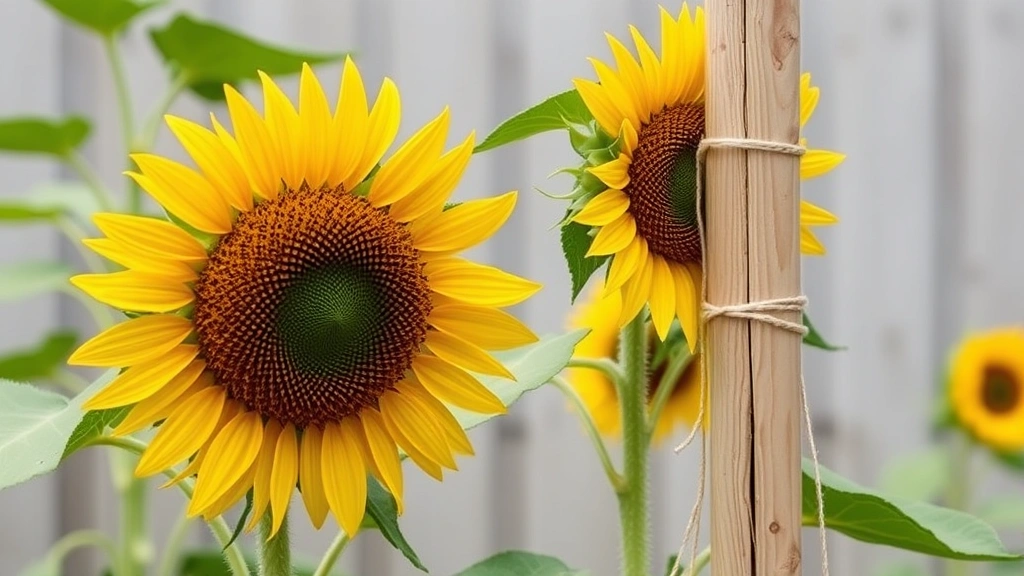
As sunflowers grow, they develop thick stems and large leaves that require significant structural support in tall varieties. When plants reach twelve to eighteen inches tall, begin monitoring for growth issues and support needs. Tall varieties benefit from staking or support systems installed when plants are still young, before they become too heavy to move without damage. Use sturdy stakes eight feet tall for giant varieties, driven at least twelve inches into the ground for stability.
Tie stems to stakes using soft ties like cloth strips, garden twine, or specialized plant ties. Avoid tight ties that cut into stems; instead, create loops that allow stem expansion as the plant grows. Check ties regularly and adjust as needed to accommodate increasing stem diameter. Some gardeners use tomato cages or wire support structures for medium varieties, while dwarf varieties rarely need staking unless grown in particularly windy locations.
Pinching off the top of young sunflowers when they reach twelve to eighteen inches tall encourages branching and creates bushier plants with multiple flower stems. This technique works particularly well for cut flower production, as it increases yield without reducing individual bloom size significantly. Leave pinching for ornamental varieties unless you specifically want to reduce height or increase flower count.
Monitor plants for nutrient deficiencies as they grow. Nitrogen deficiency appears as yellowing lower leaves, while phosphorus deficiency causes purple or reddish coloring. If plants show signs of nutrient stress, apply a balanced fertilizer according to package directions. Avoid over-fertilizing, particularly with nitrogen, as excessive nutrients can promote leafy growth at the expense of flowers. Once flower buds form, reduce nitrogen and increase phosphorus and potassium to support blooming.
Protecting Plants from Pests and Diseases
While sunflowers are relatively pest and disease resistant, several issues can impact growth and flowering. Birds, particularly finches and sparrows, love sunflower seeds and can devastate young seedlings and mature seed heads. Protect seedlings with netting or row covers until plants are established and large enough to tolerate some damage. Once plants flower, consider installing bird netting over developing seed heads if birds are a significant problem in your area.
Deer and rabbits occasionally browse sunflower foliage, particularly on young plants. Fencing or deer repellent sprays can protect plants in areas with significant wildlife pressure. Squirrels may also damage plants digging in soil or climbing stems to access seed heads. Chicken wire laid on soil around plants can deter burrowing animals without harming plants.
Fungal diseases like powdery mildew, rust, and stem rot occur occasionally, particularly in humid conditions or with overhead watering. Improve air circulation by spacing plants properly and removing lower leaves as plants mature. Water at soil level and avoid wetting foliage. If fungal issues develop, organic fungicides containing sulfur or neem oil can provide control. Ensuring proper spacing and good air circulation is the best prevention strategy.
Insects like aphids, spider mites, and sunflower beetles occasionally appear but rarely cause serious damage to established plants. Spray aphids with strong water streams or use insecticidal soap if populations become severe. Encourage beneficial insects like ladybugs and lacewings by planting native flowers nearby. Most sunflower pests can be managed through good cultural practices and monitoring rather than chemical intervention.
Harvesting and Storing Sunflower Seeds
If you’re growing sunflowers for seed production, harvest occurs when seed heads dry and the back of the flower head turns brown or yellow. Cut the entire seed head with six inches of stem attached, hang it in a warm, dry location with good air circulation, and allow it to dry completely for two to three weeks. Once fully dry, rub the seed head gently with your hand to dislodge seeds, collecting them in a container.
For cut flowers, harvest blooms in early morning when the dew has dried but before the day becomes hot. Cut stems at least twelve inches below the flower head, leaving foliage on the plant. Place cut stems immediately in cool water. Sunflower blooms typically last ten to twelve days in a vase, especially if you change water every two days and remove lower leaves that would be submerged.
Store harvested seeds in a cool, dry location in an airtight container. Properly dried and stored seeds remain viable for three to four years, allowing you to save seeds for future planting seasons. Label containers with variety name and harvest date for reference. Before storing, ensure seeds are completely dry; any residual moisture can lead to mold or rot during storage.
Frequently Asked Questions
Can I plant sunflower seeds directly in the garden, or should I start them indoors?
Both methods work effectively. Direct garden planting is simpler and often preferred by experienced gardeners, while indoor starting allows better control of seedling development and protection from wildlife. Choose based on your experience level and available space. Many gardeners use both methods for different purposes.
How often should I water sunflowers after they’re established?
Established sunflowers need approximately one to one and one-half inches of water weekly from rainfall or irrigation. Water deeply but less frequently to encourage deep root development. Container plants need more frequent watering and should be checked daily during hot weather.
What’s the best time to plant sunflower seeds in my region?
Plant after the last spring frost date when soil temperatures reach 60°F or higher. Check your local frost date and plant accordingly. In warm climates, fall planting is sometimes possible for late-season blooms, though timing is more critical.
Why are my sunflowers falling over or leaning?
Tall varieties often need staking or support structures to prevent toppling, especially in windy locations or if soil is loose. Install stakes when plants reach twelve to eighteen inches tall. Lean can also indicate insufficient water or light, so evaluate growing conditions if plants were previously upright.
Can I save seeds from my sunflowers for next year’s planting?
Yes, seeds from open-pollinated and heirloom varieties can be saved and replanted. Hybrid varieties may not produce true-to-type plants from saved seeds. Allow seed heads to dry completely before harvesting, then store dried seeds in cool, dry conditions. Properly stored seeds remain viable for three to four years.
How can I encourage more flowers on my sunflower plants?
Pinching the top of young plants when twelve to eighteen inches tall encourages branching and multiple flowers. Ensure plants receive adequate sunlight, water, and nutrients. Avoid over-fertilizing with nitrogen, which promotes foliage at the expense of flowers.
Are sunflowers difficult to grow for beginners?
No, sunflowers are excellent beginner plants. They’re forgiving, grow quickly, and require minimal maintenance once established. Like other straightforward garden plants, they teach fundamental gardening skills while producing reliable results. Start with medium or dwarf varieties if you’re concerned about complexity.
Learning how to plant sunflower seeds opens the door to rewarding garden experiences and stunning summer blooms. By following these expert tips and adapting them to your specific conditions, you’ll enjoy healthy, vibrant sunflowers that brighten your landscape and provide cut flowers, seeds, and natural beauty. Start with quality seeds from reputable suppliers, prepare your soil properly, and provide consistent care through the growing season. Whether you’re growing giant varieties as dramatic focal points or dwarf types in containers, sunflowers reward your efforts with reliable blooms and genuine joy. Visit the FixWise Hub Blog for more gardening guides and growing techniques to expand your horticultural knowledge.

Related Posts

Superscript in Google Docs: Expert Tips

Strikethrough in Excel: Easy Steps for Beginners
