
How to Pick a Cantaloupe? Expert Tips Included
How to Pick a Cantaloupe: Expert Tips for Selecting the Perfect Fruit
Selecting a ripe, sweet cantaloupe at the grocery store or farmer’s market doesn’t have to be a guessing game. With the right knowledge and a few simple techniques, you can confidently choose cantaloupes that are perfectly ripe, flavorful, and ready to enjoy. Whether you’re planning to serve fresh cantaloupe slices at a summer gathering, blend them into a smoothie, or create a refreshing fruit salad, learning how to pick a cantaloupe will save you from disappointment and ensure you get the best quality fruit every time.
The key to selecting excellent cantaloupes lies in understanding what to look for: the appearance of the netting on the skin, the weight and firmness of the fruit, the aroma it gives off, and the condition of the stem end. Most people rely on just one or two of these indicators, but using all of them together gives you the highest probability of choosing a delicious, perfectly ripe cantaloupe. In this comprehensive guide, we’ll walk you through each method so you become an expert at cantaloupe selection.
Visual Inspection: Examining the Netting and Color
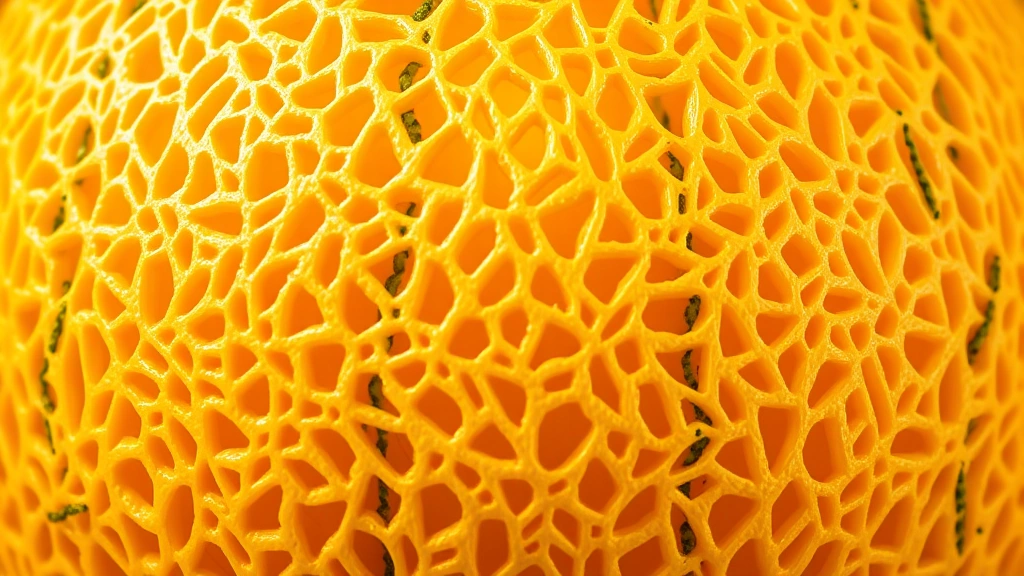
The first step in learning how to pick a cantaloupe is to examine its exterior appearance. A ripe cantaloupe should have a distinctive pattern of raised, tan-colored netting covering most of its surface. This netting, called the “rind,” is actually the dried outer skin of the fruit and is an excellent indicator of ripeness and quality.
Look for cantaloupes with complete, well-developed netting that covers the entire surface uniformly. The netting should be raised and clearly visible, creating a textured pattern across the fruit. Avoid cantaloupes with large smooth patches or areas where the netting is missing, as these fruits may not have ripened properly or could indicate damage.
The base color beneath the netting should be a golden-tan or beige tone, not green. Green coloring indicates the fruit was picked too early and won’t develop its full sweetness. If you see any green tones, set that cantaloupe aside and choose another. The golden color becomes more pronounced as the fruit ripens, and this is one of the most reliable visual cues you can use.
Additionally, examine the fruit for any soft spots, bruises, or blemishes. Small surface imperfections are normal, but large dents or mushy areas suggest the fruit is overripe or damaged. A high-quality cantaloupe should feel structurally sound and look fresh despite its textured surface.
When you’re at the store, take time to compare several cantaloupes side by side. This makes it easier to spot the differences in netting quality and base color. You’ll quickly develop an eye for what constitutes an ideal-looking cantaloupe, and your selection skills will improve significantly.
The Weight and Firmness Test
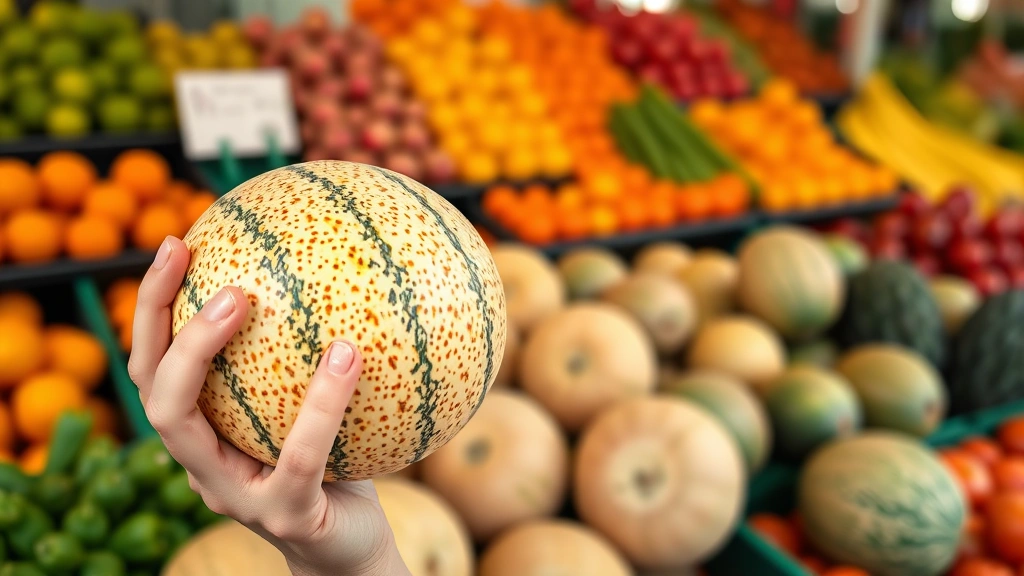
After your visual inspection, the next critical step is to pick up the cantaloupe and assess its weight. A ripe cantaloupe should feel heavy for its size, indicating it’s full of juice and has developed good flesh density. Compare the weight of several similar-sized cantaloupes by holding them in your hands—you’ll notice that riper fruits feel noticeably heavier.
The fruit should be firm but with a slight give when you apply gentle pressure. Here’s how to test for proper firmness: hold the cantaloupe in your palm and press gently with your other hand’s fingers. The skin should not yield easily to pressure, but you should detect just a hint of softness beneath the hard rind. If the melon feels rock-hard with absolutely no give, it’s likely underripe. If it’s mushy or collapses under light pressure, it’s overripe.
This firmness test requires a delicate touch—you’re not trying to squeeze the life out of the fruit, just applying enough pressure to gauge its ripeness. Many people make the mistake of squeezing too hard, which can actually damage a perfectly good cantaloupe and create bruises that will accelerate spoilage.
The weight test is particularly useful because it tells you about the juice content of the fruit. Cantaloupes are mostly water, so a heavy fruit is a juicy fruit. A lightweight cantaloupe of the same size suggests the interior flesh is dry or that the fruit hasn’t fully matured. Density and weight go hand-in-hand with flavor development, making this an essential selection technique.
The Aroma Test: Your Nose Knows
Perhaps the most underutilized method for selecting a ripe cantaloupe is the aroma test. A perfectly ripe cantaloupe should have a sweet, pleasant fragrance that’s immediately noticeable when you bring it close to your nose. This aroma is one of the best indicators of ripeness and sugar content because volatile compounds responsible for the fruit’s characteristic smell only develop as it ripens.
To perform the aroma test, hold the cantaloupe near your nose and take a gentle sniff. You should detect a sweet, musky scent that’s distinctly cantaloupe-like. If the fruit has no discernible aroma or smells slightly grassy or vegetative, it’s likely underripe. If the smell is fermented, sour, or unpleasant, the fruit may be overripe or spoiled.
The aroma test is particularly valuable because it directly correlates with the sugar content and flavor you’ll experience when you eat the fruit. Fruits with a strong, sweet aroma almost always taste excellent, while those with weak or no aroma tend to be bland and disappointing. This is why experienced fruit selectors always bring cantaloupes to their nose before making a final decision.
Keep in mind that some people have a keener sense of smell than others, and certain environmental factors in the store—such as competing odors from other produce—can make it harder to detect the cantaloupe’s aroma. However, even a subtle sweet smell is a positive sign. If you’re having trouble detecting any aroma, that’s usually a signal to keep looking for a different cantaloupe.
Checking the Stem End
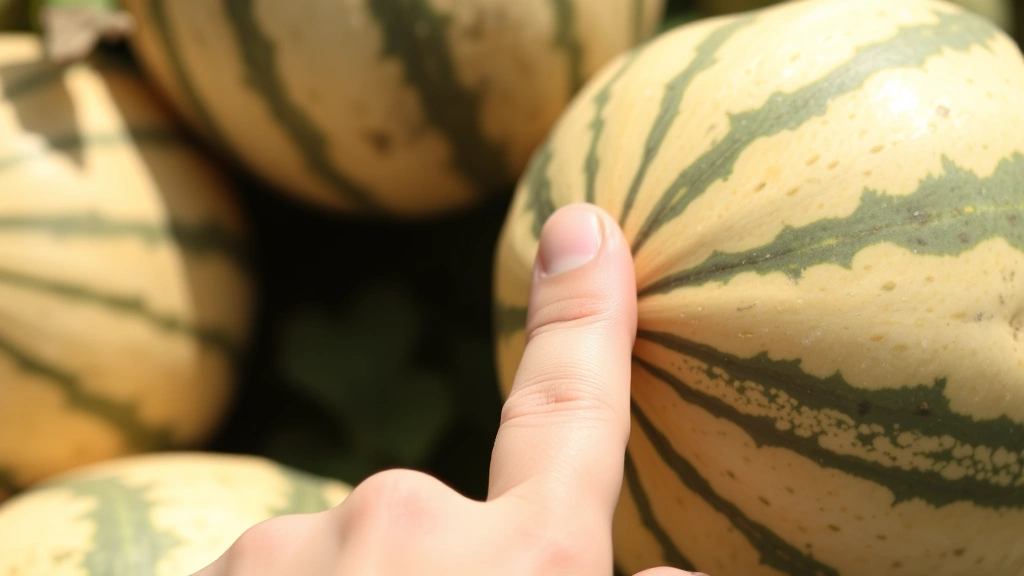
The stem end of the cantaloupe—the area where it was attached to the vine—provides valuable information about ripeness and harvest timing. A ripe cantaloupe will have a clean, well-defined circular scar at the stem end where the fruit naturally separated from the vine. This scar should be smooth and relatively flat, with no rough or jagged edges.
Feel the stem end with your thumb or finger. It should have a slight indentation or depression, and it should feel slightly soft to the touch. This softness indicates that the fruit was allowed to ripen fully on the vine before harvest. If the stem end feels hard and woody, or if there’s still a portion of the stem attached, the fruit was picked too early.
Avoid cantaloupes with a stem end that feels wet, mushy, or is showing signs of mold or decay. These are indicators of damage or disease that will compromise the quality of the fruit. Similarly, if the stem end has a large, rough, or jagged appearance, this suggests the fruit was forcibly removed from the vine rather than harvested at peak ripeness.
The stem end test is quick and easy to perform, and it provides immediate feedback about harvest timing. Combined with the other selection methods, checking the stem end gives you a complete picture of the cantaloupe’s ripeness and quality. This is an especially useful technique when the other indicators are ambiguous or when you’re trying to decide between two seemingly similar fruits.
Seasonal Considerations
Understanding the cantaloupe season in your region will help you make better selections throughout the year. In North America, peak cantaloupe season runs from June through September, with July and August typically offering the best quality and flavor. During these months, cantaloupes are locally grown, recently harvested, and at their peak ripeness.
During peak season, you’ll notice that cantaloupes are more fragrant, have better netting development, and generally taste superior. The selection process becomes easier because more of the available fruit will meet your quality standards. Prices are also typically lower during peak season, making it an ideal time to enjoy cantaloupes regularly.
Outside of peak season—particularly in winter and early spring—cantaloupes are typically imported from warmer climates. These fruits often have less developed flavor and may not develop the same level of aroma as locally grown, in-season fruit. You may need to be more selective during off-season months, and you should adjust your expectations accordingly.
If you’re shopping outside of peak season, focus especially on the weight and firmness tests, as these are more reliable indicators when the aroma test might be inconclusive. You might also consider exploring alternative fruit preservation methods to enjoy quality produce year-round.
Common Mistakes to Avoid
Many people make predictable errors when selecting cantaloupes, which leads to disappointment when they cut into the fruit at home. By understanding these common mistakes, you can avoid them and dramatically improve your success rate.
Mistake 1: Relying on color alone. While the golden-tan base color is important, some cantaloupes have good coloring but poor flavor development. Always combine the color test with the aroma and weight tests for better results.
Mistake 2: Squeezing too hard. Applying excessive pressure when testing firmness actually damages the fruit and can create bruises that lead to faster spoilage. Use a gentle touch and rely on subtle cues rather than aggressive squeezing.
Mistake 3: Ignoring the aroma completely. Many shoppers skip the smell test entirely, missing out on one of the most reliable ripeness indicators. Make the aroma test a standard part of your selection process.
Mistake 4: Choosing the largest fruit. Bigger isn’t always better with cantaloupes. A medium-sized cantaloupe with excellent netting, proper weight, and good aroma will taste better than a large, underripe fruit. Focus on quality indicators rather than size.
Mistake 5: Buying from the front of the display. Fruits at the front of the produce display often receive more handling and may have been exposed to temperature fluctuations. Reach toward the back of the pile to find fruits that have been better protected.
Mistake 6: Not checking multiple fruits. Always examine several cantaloupes before making your final selection. This gives you a basis for comparison and increases your chances of finding the best available option.
Storage and Ripening Tips
Once you’ve successfully selected a cantaloupe, proper storage and handling will maintain its quality until you’re ready to use it. If you’re planning to cut your cantaloupe within a day or two, store it at room temperature in a cool, dark location away from direct sunlight. The fruit will continue to ripen slightly during this time, and the flavors will continue to develop.
For longer storage, place the whole, uncut cantaloupe in the refrigerator’s crisper drawer. A properly selected, ripe cantaloupe will keep for up to 5-7 days in the refrigerator. If you’ve selected an underripe cantaloupe, leaving it at room temperature for a few days will allow it to continue ripening, though it may never develop the full flavor of a vine-ripened fruit.
Once you cut the cantaloupe, wrap the cut surfaces tightly with plastic wrap or store the cut pieces in an airtight container. Cut cantaloupe will keep in the refrigerator for 3-4 days. Never leave cut cantaloupe at room temperature for extended periods, as this creates an environment for bacterial growth.
If you find yourself with an overabundance of cantaloupes, consider exploring creative recipes and preservation methods to make the most of your harvest. Cantaloupe can be frozen, made into sorbet, or incorporated into various dishes.
FAQ
Can you ripen a cantaloupe after purchasing it?
A cantaloupe will continue to ripen slightly after harvest, but it won’t develop significant additional sweetness if it was picked too early. Leaving an underripe cantaloupe at room temperature for several days may soften it slightly, but the sugar content won’t increase substantially. This is why selecting a properly ripened fruit at the store is so important—you can’t truly fix an underripe cantaloupe at home.
What’s the best way to store cut cantaloupe?
Cut cantaloupe should be stored in an airtight container in the refrigerator, with the cut surfaces covered tightly with plastic wrap. This prevents the fruit from absorbing odors from other foods and slows moisture loss. Cut cantaloupe will keep for 3-4 days when properly stored.
Is it safe to eat cantaloupe with a soft spot?
A small, soft spot might be acceptable if it’s superficial, but large soft areas or mushy patches indicate overripeness or possible mold growth. When in doubt, it’s better to discard the fruit or cut away the affected area generously. Never eat cantaloupe that smells fermented or sour.
Why does my cantaloupe taste bland?
Bland flavor usually indicates the fruit was picked before it reached full ripeness and sugar development. This is why the aroma test and weight test are so important—they help you select fruits that have developed proper sweetness. Off-season cantaloupes are also more likely to be bland than peak-season fruit.
How do I know if a cantaloupe is overripe?
Overripe cantaloupes feel mushy when gently squeezed, have a fermented or sour smell, and may show soft spots or slight oozing at the stem end. The flesh inside may be discolored or have an unpleasant texture. If any of these signs are present, the fruit is past its prime and should not be purchased.
Should I wash a cantaloupe before cutting it?
Yes, always rinse the exterior of a cantaloupe under running water before cutting it. This removes any surface bacteria or dirt that could be transferred to the flesh when you cut through the skin. Use a soft brush to gently clean the textured surface, then pat dry with a clean cloth before cutting.

Related Posts

Superscript in Google Docs: Expert Tips

Strikethrough in Excel: Easy Steps for Beginners
