

How to Pick a Ripe Cantaloupe? Expert Tips
How to Pick a Ripe Cantaloupe: Expert Tips for Perfect Selection Every Time
Selecting a ripe cantaloupe can seem like a mystery, especially when you’re standing in the produce section surrounded by dozens of similar-looking melons. However, with the right knowledge and techniques, you can consistently choose cantaloupes that are perfectly ripe, sweet, and ready to eat. This comprehensive guide will teach you everything you need to know about identifying the best cantaloupes at the market or farmer’s stand.
Whether you’re planning a summer picnic, preparing a healthy breakfast, or adding fruit to a special dessert, picking the right cantaloupe makes all the difference. The good news is that determining ripeness doesn’t require any special equipment or expertise—just your senses and a bit of practice. By learning to evaluate cantaloupes using sight, smell, touch, and sound, you’ll become an expert at selecting melons that deliver maximum flavor and sweetness.
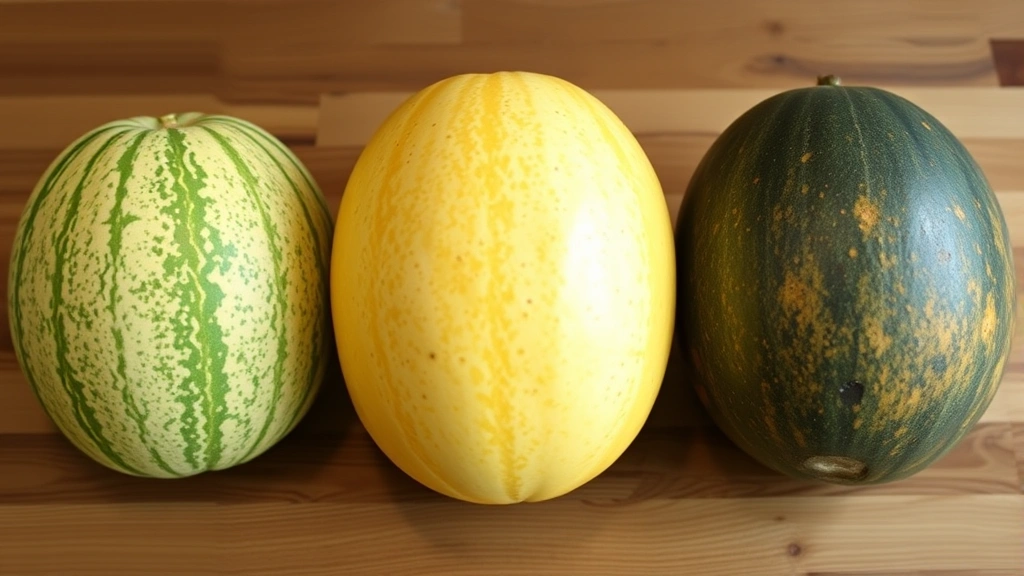
Understanding Cantaloupe Ripeness Indicators
Before you can pick a ripe cantaloupe, you need to understand what ripeness actually means for this type of melon. A ripe cantaloupe is one that has reached its peak sweetness and flavor development, with flesh that is tender but still firm enough to handle and slice. The ripening process involves several chemical changes that affect the melon’s color, aroma, texture, and overall quality.
Cantaloupes don’t continue to ripen significantly after they’re harvested, which is why selecting a ripe melon at the store is so important. Unlike some fruits that soften and sweeten over time, cantaloupes reach their optimal sweetness while still attached to the vine. This means you need to be strategic about your selection process, as you won’t be able to compensate for an underripe melon by storing it at home for a few days.
The ripeness of a cantaloupe is determined by several interconnected factors. These include the development of the netted skin pattern, the deepening of the background color, the production of aromatic compounds, and the softening of the flesh at specific pressure points. Understanding each of these elements will help you make informed decisions when shopping.
The Visual Inspection Method
Visual inspection is your first line of defense when evaluating cantaloupes. A ripe cantaloupe displays several distinctive visual characteristics that signal it’s ready to eat. Start by examining the overall color of the melon’s skin. The background color beneath the netted pattern should be a golden-tan or pale orange color, not green. A greenish tint indicates the melon was picked too early and won’t develop the sweetness you’re looking for.
The netted pattern on the cantaloupe’s skin is another crucial visual indicator. This raised, web-like pattern should be well-developed and prominent across the entire surface of the melon. The netting should appear thick and pronounced, with deep ridges that you can feel with your fingers. If the netting is shallow, thin, or barely visible, the melon likely isn’t ripe enough yet.
Look for a melon that has an even distribution of color and netting across its entire surface. Avoid cantaloupes with large flat spots, as these indicate the melon sat on the ground too long during growth. Similarly, check for any soft spots, dark bruises, or areas of decay. Small surface blemishes are usually fine, but significant damage compromises the quality of the fruit inside.
The shape of the cantaloupe can also provide clues about ripeness. A ripe melon should be relatively symmetrical and uniform in shape. Oddly shaped or lopsided cantaloupes may have developed unevenly and could have texture or flavor inconsistencies. The melon should feel substantial and solid, not hollow or lightweight for its size.
The Aroma Test: Smell Your Way to Sweetness
One of the most reliable indicators of cantaloupe ripeness is aroma. This is where many people make mistakes—they either don’t smell the melon at all, or they don’t know what to smell for. A ripe cantaloupe should have a sweet, musky, and distinctly pleasant fragrance that emanates from the blossom end (the end opposite the stem). This aroma is created by volatile compounds that develop as the melon ripens.
To properly smell a cantaloupe, hold it up to your nose and inhale deeply near the blossom end. You should detect a sweet, fruity, slightly musky smell that is unmistakably cantaloupe. This aroma should be noticeable but not overwhelming—if the smell is so strong that it’s almost unpleasant, the melon may be overripe and starting to ferment internally.
If the cantaloupe has no discernible aroma, or if it smells like nothing at all, it’s likely underripe. An underripe melon simply hasn’t developed the aromatic compounds yet, which means it also hasn’t developed its full sweetness. It’s better to pass on a melon with no smell and wait for one that has that characteristic cantaloupe fragrance.
Be cautious about melons that smell fermented, vinegary, or alcoholic. These odors suggest the melon is overripe or has started to spoil internally. Similarly, avoid any melon with a musty or moldy smell, as this indicates fungal growth or decay. The smell test is quick, easy, and incredibly effective when you know what to look for.
Texture and Touch Techniques
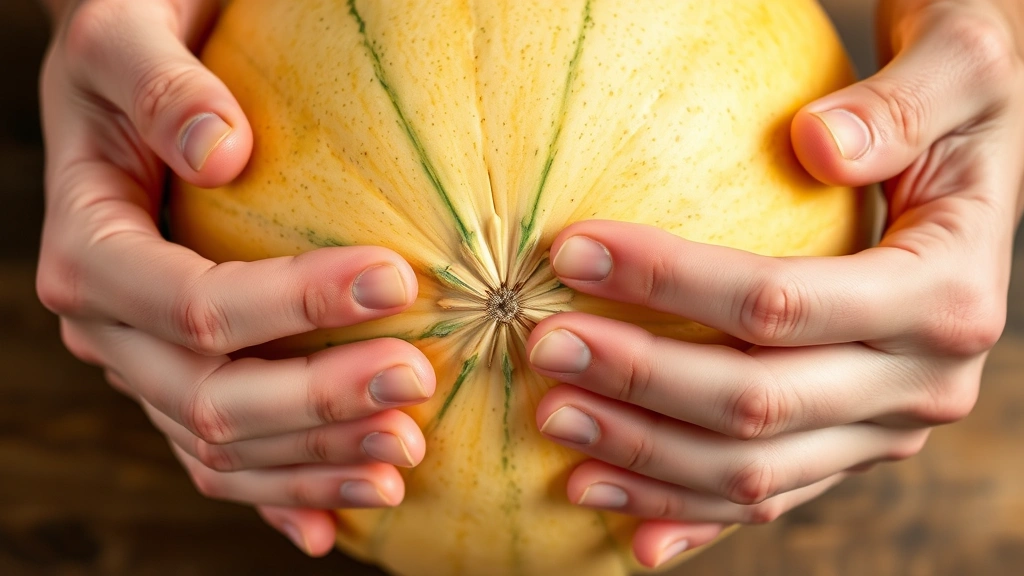
After visual inspection and the aroma test, it’s time to use your sense of touch to evaluate the cantaloupe. Hold the melon gently in both hands and apply moderate pressure to the skin. You’re checking for the right balance of firmness and slight give. A ripe cantaloupe should feel firm overall, but when you press gently on the blossom end, there should be a slight yield to the pressure—not rock hard, but not mushy either.
Press your thumb gently into the blossom end of the melon. If your thumb sinks in easily and deeply, the melon is likely overripe. If there’s absolutely no give whatsoever, the melon is probably underripe. You’re looking for that sweet spot where the melon has just enough softness to indicate ripeness without being soft enough to indicate deterioration.
Run your fingers across the netted surface of the melon to evaluate the texture. The netting should be raised and pronounced, creating a textured surface that you can feel distinctly. The skin between the netting lines should be smooth and firm. If the skin feels wrinkled, shriveled, or excessively soft, these are signs of an overripe or aging melon.
Pay attention to any mushy or soft spots on the melon’s surface. These indicate decay or damage and should be avoided. A small soft spot might just be surface damage, but if multiple spots exist, the internal quality is likely compromised. Trust your tactile sense—if something feels off about the texture, it probably is.
Weight and Density Evaluation
Density is an often-overlooked factor in selecting a ripe cantaloupe, but it’s actually quite important. A ripe cantaloupe should feel relatively heavy for its size. Pick up the melon and compare its weight to others of similar size. A denser melon indicates more developed flesh and higher water content, which typically correlates with better flavor and texture.
This is where comparing multiple melons becomes valuable. Hold two cantaloupes of approximately the same size in each hand and notice the difference in weight. The heavier one is likely the riper choice. This density test works because a ripe melon has fully developed its flesh structure and water content, making it denser than an underripe melon of similar size.
However, be aware that excessive weight combined with soft spots might indicate an overripe melon that has started to break down internally. Use the weight test in conjunction with your other observations. A melon that’s heavy, has good netting, smells sweet, and yields slightly to pressure at the blossom end is likely your best choice.
Common Mistakes to Avoid
Many people make predictable errors when selecting cantaloupes. One of the most common mistakes is relying solely on the stem. Some believe that if the stem is missing or if it comes off easily, the melon is ripe. However, stems can be removed or fall off for many reasons unrelated to ripeness. Don’t make the stem your primary indicator.
Another frequent error is judging ripeness based solely on size. Bigger doesn’t mean riper. A smaller cantaloupe can be perfectly ripe, while a large one might be underripe. Size is determined more by the growing conditions and melon variety than by ripeness level. Focus on the other indicators rather than assuming that larger melons are more mature.
Don’t rely exclusively on color either. While the background color should be golden rather than green, some cantaloupe varieties naturally have different color tones. What matters more is that the melon has an even color distribution and a well-developed netted pattern. Combining color observation with other tests gives you better accuracy.
Avoid purchasing pre-cut cantaloupe unless you plan to eat it immediately. Pre-cut melons oxidize quickly and lose flavor and texture quality. If you need convenience, consider selecting a whole melon using these techniques and cutting it yourself at home. The quality difference is significant.
Many people also make the mistake of being too timid with their touch test. You need to apply enough pressure to feel the melon’s firmness properly. A gentle tap or minimal pressure won’t give you accurate information. Use moderate, deliberate pressure to evaluate the texture and density accurately.
Storage Tips for Maximum Freshness
Once you’ve successfully selected a ripe cantaloupe using these expert techniques, proper storage ensures it remains fresh and delicious. If you plan to eat your cantaloupe within a day or two, you can leave it on the counter at room temperature. This allows any final flavor development to occur and keeps the melon at the ideal temperature for eating.
For longer storage, place the whole, uncut cantaloupe in the refrigerator. A ripe cantaloupe will keep in the refrigerator for about 5-7 days. Store it in the main compartment rather than in the crisper drawer, as the crisper can sometimes be too humid and promote mold growth. Make sure the melon isn’t touching other produce that might bruise it.
Once you’ve cut the cantaloupe, wrap the unused portion tightly in plastic wrap or store it in an airtight container. Cut cantaloupe will keep in the refrigerator for about 3-5 days. The exposed flesh will gradually oxidize and lose flavor, so it’s best to consume cut melon within a few days of preparation.
If you’ve selected an underripe cantaloupe by mistake, don’t despair. While it won’t become significantly sweeter, it will soften somewhat if left at room temperature for a few days. Place it in a paper bag with a ripe banana or apple, which releases ethylene gas that can accelerate ripening. However, this method has limited effectiveness with cantaloupes, which is why proper selection at the store is so important.
FAQ
Can you eat an underripe cantaloupe?
Yes, you can eat an underripe cantaloupe, but it won’t be as sweet or flavorful as a ripe one. The texture will be firmer and less juicy. If you accidentally purchase an underripe melon, you can still consume it, but you may be disappointed with the taste. It’s better to practice the selection techniques described in this guide to avoid this situation.
What’s the difference between a cantaloupe and a honeydew melon?
Cantaloupes have a netted, beige-tan skin and orange flesh, while honeydew melons have smooth, pale green or yellow skin and light green flesh. Cantaloupes are generally more fragrant when ripe, making them easier to select by smell. Both melons should yield slightly to pressure at the blossom end when ripe.
How do you know if a cantaloupe is overripe?
Signs of an overripe cantaloupe include a very soft blossom end that yields easily to pressure, a fermented or vinegary smell, visible soft spots or bruising, a shriveled or wrinkled appearance, and excessive weight loss. Overripe melons may have started to ferment internally and won’t taste good.
Should you wash a cantaloupe before cutting it?
Yes, you should always wash the outside of a cantaloupe under running water before cutting it. This removes dirt, bacteria, and pesticide residues from the skin. Use a clean produce brush to gently scrub the netted surface. Washing is especially important because any bacteria on the skin can transfer to the flesh when you cut through it.
Can you pick a cantaloupe by sound?
While some people claim that tapping a melon and listening for a hollow sound indicates ripeness, this method is unreliable and not recommended. The sound varies based on the melon’s internal structure and how you tap it. Stick with the visual, aroma, and touch methods for more consistent results.
What if the cantaloupe has a strong smell but feels hard?
This combination suggests the melon might be ready to ripen further or could be a variety with naturally firm flesh. Give it a day or two at room temperature and re-evaluate. If it softens slightly at the blossom end while maintaining its sweet aroma, it should be good to eat.

Related Posts

Superscript in Google Docs: Expert Tips

Strikethrough in Excel: Easy Steps for Beginners
