

Selecting a Ripe Cantaloupe: Expert Tips
Selecting a Ripe Cantaloupe: Expert Tips for Perfect Fruit Every Time
Choosing a ripe cantaloupe can seem intimidating if you’ve never done it before, but with the right knowledge and techniques, you’ll become an expert at spotting perfectly sweet melons in no time. Whether you’re shopping at a farmers market or your local grocery store, understanding how to evaluate a cantaloupe’s ripeness ensures you bring home fruit that’s delicious, juicy, and ready to enjoy. This comprehensive guide walks you through every method professionals use to select the best cantaloupes, from visual inspection to sensory cues that indicate peak ripeness.
The difference between a mediocre cantaloupe and an exceptional one comes down to timing and proper selection techniques. Many home cooks struggle with this task because they rely on outdated advice or incomplete information. By learning the science behind cantaloupe ripeness and applying practical testing methods, you’ll eliminate the guesswork and consistently choose melons that deliver maximum flavor and texture. This guide covers everything from understanding the fruit’s anatomy to recognizing warning signs of overripe or underripe specimens.
Understanding Cantaloupe Ripeness Indicators
Cantaloupes are climacteric fruits, meaning they continue ripening after harvest. This characteristic makes them different from non-climacteric fruits like berries. Understanding this biological fact helps explain why you can bring home a slightly underripe melon and successfully ripen it at home, similar to how you might prepare strawberries for storage to extend their shelf life. The ripening process involves complex chemical changes that transform starches into sugars and soften the flesh gradually.
A ripe cantaloupe exhibits several interconnected signs of maturity. The skin develops a golden-tan color beneath the netting, the fruit becomes fragrant, the flesh softens slightly, and the stem separates easily from the vine. These indicators don’t happen in isolation—they work together to signal peak ripeness. Professional produce managers at This Old House and similar resources often emphasize that no single test provides a complete picture, which is why combining multiple assessment methods yields the most reliable results.
Temperature affects how cantaloupes ripen, with room temperature accelerating the process. If you purchase a cantaloupe that’s not quite ripe, storing it at room temperature rather than refrigerating it will hasten ripeness development. The ideal ripening temperature ranges from 65-75°F, and the fruit typically reaches full maturity within 3-5 days under these conditions. This principle applies similarly to how you might maintain proper kitchen conditions for food preparation and storage.
The Weight Test Method
One of the most reliable indicators of cantaloupe ripeness is its weight relative to size. Hold a melon in your hand and compare it to others of similar diameter—a ripe cantaloupe should feel noticeably heavy, indicating high water content and sugar concentration. This heaviness comes from the fruit’s fully developed flesh being packed with juice and nutrients. Underripe melons feel light and hollow by comparison, while overripe ones may feel soft or mushy when pressed.
The weight test works because as cantaloupes ripen, the flesh becomes denser with sugars and more saturated with water. A cantaloupe that’s light for its size likely hasn’t developed sufficient sugar content and will taste bland or watery. Conversely, a melon that feels appropriately heavy has achieved the right balance of sweetness and moisture. This relationship between weight and ripeness is one reason farmers markets often offer better selections—vendors typically handle melons frequently and understand these weight differences intuitively.
When performing the weight test, use both hands and get a genuine sense of the fruit’s density. Don’t just pick it up briefly; cradle it and notice how substantial it feels. Compare it mentally to a softball or similar object you’re familiar with. A softball-sized cantaloupe should weigh approximately 3-5 pounds when ripe. If your test melon feels significantly lighter, it needs more time to ripen, either at the store or at home.
Examining Color and Netting
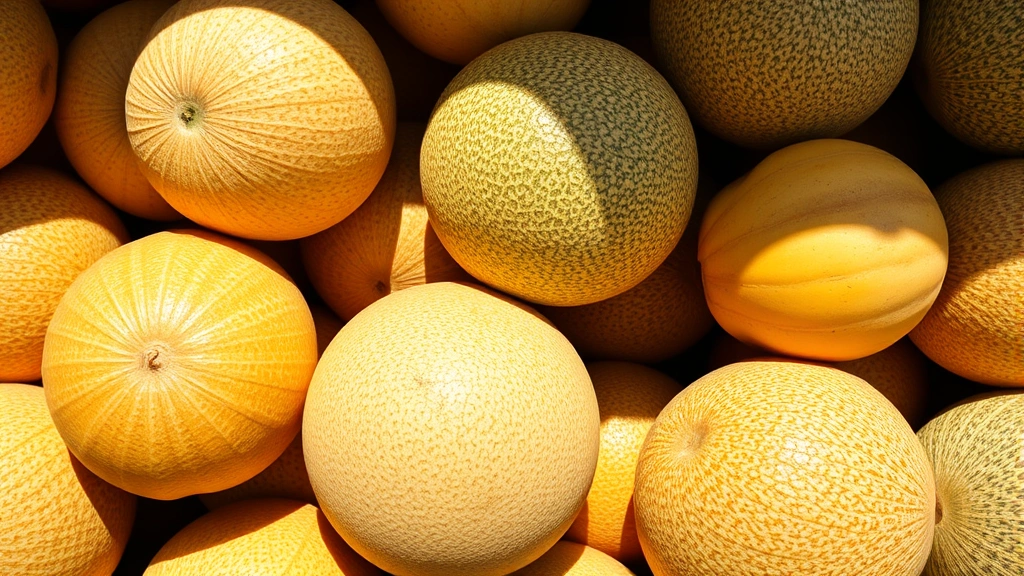
Visual assessment provides crucial information about cantaloupe ripeness, though color alone shouldn’t determine your selection. The skin should display a golden or tan background color beneath the characteristic tan netting pattern. The netting, called lacing, should be prominent and well-defined, creating a raised pattern across the entire surface. Underripe cantaloupes often show green undertones, while ripe ones display warm golden hues.
The netting pattern serves a practical purpose beyond aesthetics—it indicates the fruit’s skin thickness and maturity. As cantaloupes ripen, the netting becomes more pronounced and develops deeper color. A ripe cantaloupe’s netting should be thick and corky-textured, almost resembling a fine net cast across the fruit’s surface. The background color between the netting should be creamy-tan or golden, not green or pale yellow. This distinction helps you avoid underripe specimens that look appealing but lack flavor development.
Look for uniform coloring across the entire melon. A ripe cantaloupe shouldn’t have large patches of green or brown—these indicate either underripeness or decay. The melon should have a consistent appearance from top to bottom, with the netting distributed evenly. If one side appears significantly different in color or pattern from another, the melon may have ripened unevenly or have internal issues. Some slight variations are normal, but dramatic differences warrant choosing a different specimen.
The Aroma Test Explained
Perhaps the most distinctive indicator of cantaloupe ripeness is aroma. A ripe cantaloupe releases a sweet, musky fragrance that’s immediately recognizable. This smell comes from volatile organic compounds produced during the ripening process. Simply hold the melon near your nose and breathe deeply—if you detect a strong, sweet cantaloupe scent, the fruit has likely reached peak ripeness. An underripe melon will have little to no aroma, while an overripe one may smell slightly fermented or unpleasant.
The aroma test is particularly valuable because it’s difficult to fake or misinterpret. Unlike color, which can be subjective or affected by lighting conditions, a ripe cantaloupe’s smell is unmistakable to most people. However, some individuals have reduced olfactory sensitivity, so this test works best when combined with other assessment methods. If you’re shopping in a busy produce section, move to a quieter area where you can focus on the melon’s scent without competing odors from other produce.
The intensity of cantaloupe aroma increases as ripeness progresses. A moderately ripe melon might have a subtle sweetness, while a fully ripe one will be noticeably fragrant. However, a powerfully sweet or fermented smell can indicate overripeness, meaning the fruit is beginning to break down internally. You’re seeking a sweet, pleasant aroma that’s strong enough to detect easily but not overwhelming or unpleasant. This balance indicates the melon is at its peak.
Checking the Blossom End
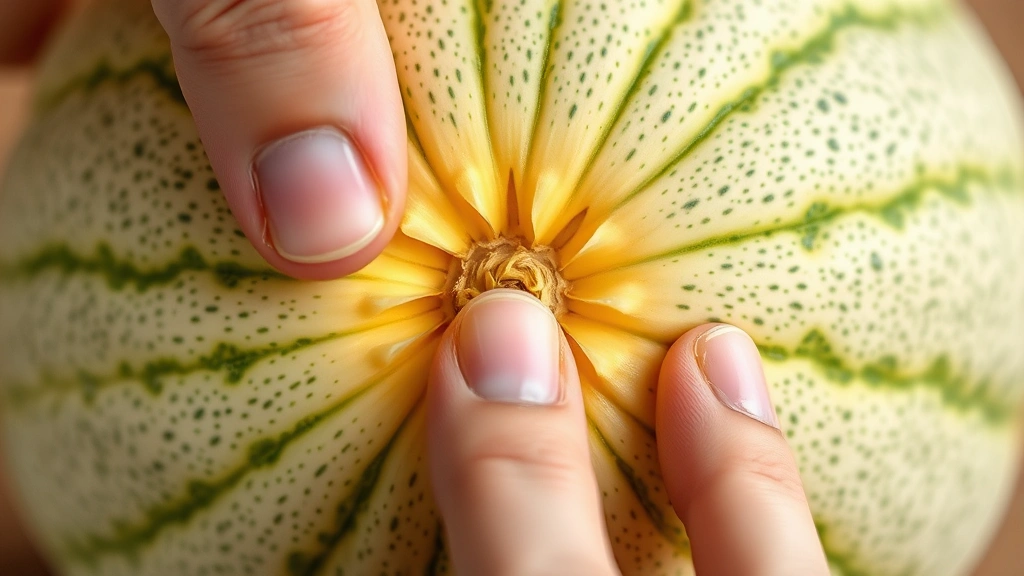
The blossom end—the bottom of the cantaloupe opposite the stem—provides valuable ripeness information. Gently press this area with your thumb; a ripe cantaloupe will yield slightly to pressure, feeling soft but not mushy. An underripe melon will be hard and unyielding, while an overripe one will feel too soft or have visible indentations. This tactile test complements the weight test and aroma assessment, giving you a three-point confirmation of ripeness.
The blossom end softens as the fruit ripens because the flesh develops and sugars accumulate in this region. However, the softness should be subtle—you’re looking for gentle give, not spongy texture. Press gently with your thumb or finger; if you can easily create an indentation that doesn’t spring back, the melon is likely overripe. If you feel almost no give at all, it needs more time. The ideal sensation is similar to pressing a ripe avocado—there’s definite softness, but the fruit maintains its structural integrity.
This test requires gentle touch and practice to master. Some people naturally apply too much pressure, crushing the flesh and damaging the melon for other shoppers. Use a light touch, and if you’re uncertain about your pressure level, practice on melons you plan to purchase. Never test a melon you don’t intend to buy, as your testing damages the fruit and makes it less appealing to other customers. Respect shared shopping spaces by being considerate of the produce you examine.
Storage and Ripening at Home
Sometimes you’ll purchase a cantaloupe that’s slightly underripe, and that’s perfectly acceptable. The fruit will continue ripening at room temperature, allowing you to control when it reaches peak ripeness. Store your cantaloupe on the counter away from direct sunlight, in a location where the temperature remains between 65-75°F. Check it daily for aroma development and softness at the blossom end. Most cantaloupes reach full ripeness within 3-5 days of purchase when stored properly.
Once your cantaloupe reaches desired ripeness, you can refrigerate it to slow further ripening and extend shelf life. Place it in the crisper drawer where it will keep for 5-7 days. If you’ve already cut the melon, wrap the remaining portion tightly in plastic wrap and store it on a shelf rather than in the crisper, where it may absorb odors from other foods. Cut cantaloupe should be consumed within 3-4 days for best quality and food safety. This storage approach mirrors how you might manage kitchen cleanliness and prevent pest issues by properly storing produce.
Never store a whole cantaloupe in the refrigerator if you want it to ripen further—cold temperatures halt the ripening process. However, if your kitchen is warm and you’re concerned the melon will become overripe before you can use it, refrigeration becomes acceptable. The fruit won’t ripen in the cold, but it will maintain its current ripeness level longer. This strategy proves useful when you purchase multiple melons and want them to reach peak ripeness at staggered intervals for extended enjoyment throughout the week.
Avoiding Common Selection Mistakes
Many people make predictable errors when selecting cantaloupes, leading to disappointing fruit. One common mistake is relying solely on color, assuming that a golden appearance guarantees ripeness. Color is important, but it’s just one factor—a melon can look perfect but taste bland if it hasn’t fully developed sugar content. Always combine color assessment with weight, aroma, and blossom-end softness testing for comprehensive evaluation.
Another frequent error involves applying too much pressure during the blossom-end test, inadvertently damaging the fruit. Some people also make the mistake of selecting based on size alone, assuming larger melons are better. In reality, size and ripeness are independent variables. A smaller, properly ripe cantaloupe will taste superior to a large underripe one. Focus on ripeness indicators rather than physical dimensions.
Avoid purchasing cantaloupes with visible cracks, dark soft spots, or mold. These signs indicate decay or damage that will worsen during storage. Similarly, be wary of melons with large flat spots on the bottom, which can indicate the fruit sat on hard ground too long and may have internal damage. A minor flat spot is normal, but significant flattening suggests problems. If you’re uncertain about a melon’s quality, choose a different one—there are usually plenty of options available.
People sometimes make the mistake of purchasing pre-cut cantaloupe from grocery store shelves without considering freshness. Pre-cut fruit has a shorter shelf life and may have been sitting for hours before purchase. If you must buy pre-cut cantaloupe, select packages with clear plastic allowing you to examine the flesh color and moisture level. The flesh should be vibrant orange without browning or excessive liquid in the package. Better yet, invest a few extra minutes in selecting and cutting your own whole melon—you’ll get superior quality and freshness.
For additional guidance on maintaining fresh produce quality, consult resources like Family Handyman, which often covers kitchen organization and food storage techniques. Understanding proper storage and handling extends the life of all your fresh produce, not just cantaloupes. Treat your purchases with care from selection through consumption.
FAQ
How can I tell if a cantaloupe is ripe without cutting it open?
Use multiple assessment methods: check the weight (should feel heavy for its size), examine the color and netting (golden-tan with prominent raised netting), smell the blossom end (should have sweet aroma), and gently press the blossom end (should yield slightly but not feel mushy). Combining these tests provides reliable ripeness confirmation without cutting.
Can I ripen a cantaloupe at home after purchase?
Yes, cantaloupes are climacteric fruits that continue ripening after harvest. Store an underripe melon at room temperature (65-75°F) away from direct sunlight. Most cantaloupes reach full ripeness within 3-5 days. Once ripe, refrigerate to slow further ripening and extend shelf life for up to a week.
What does an overripe cantaloupe look like?
An overripe cantaloupe exhibits soft or mushy texture when pressed, particularly at the blossom end. The aroma may smell slightly fermented or unpleasant rather than sweet. The skin might show dark soft spots, cracks, or mold. These melons should be avoided as the flesh quality has deteriorated.
Why doesn’t my cantaloupe smell sweet?
An unscented cantaloupe is likely underripe and needs more time to develop sugars and volatile compounds responsible for aroma. Store it at room temperature for several more days, then retest. If you purchased it from a cold display case, this may have slowed ripening—room temperature storage will accelerate the process.
Is a large cantaloupe better than a small one?
Size doesn’t correlate with quality or ripeness. A smaller, properly ripe cantaloupe will taste far superior to a large underripe one. Focus your selection on ripeness indicators rather than physical dimensions. Choose based on weight, aroma, color, and blossom-end softness rather than size.
Can I store cantaloupe in the refrigerator before it’s ripe?
Cold temperatures halt the ripening process, so refrigerating an underripe cantaloupe will prevent further development. Only refrigerate after the melon reaches desired ripeness. If your kitchen is very warm and you’re concerned about overripening, refrigeration becomes acceptable—the melon won’t ripen further but will maintain its current state longer.
What’s the best way to transport a cantaloupe home?
Place the melon in a sturdy produce bag or at the top of your shopping cart to prevent it from being crushed by heavier items. Avoid placing heavy products on top of it. Once home, store it on the counter at room temperature if it needs further ripening, or in the refrigerator if already ripe. Handle gently throughout transport and storage to prevent bruising.

Related Posts

Superscript in Google Docs: Expert Tips

Strikethrough in Excel: Easy Steps for Beginners
