
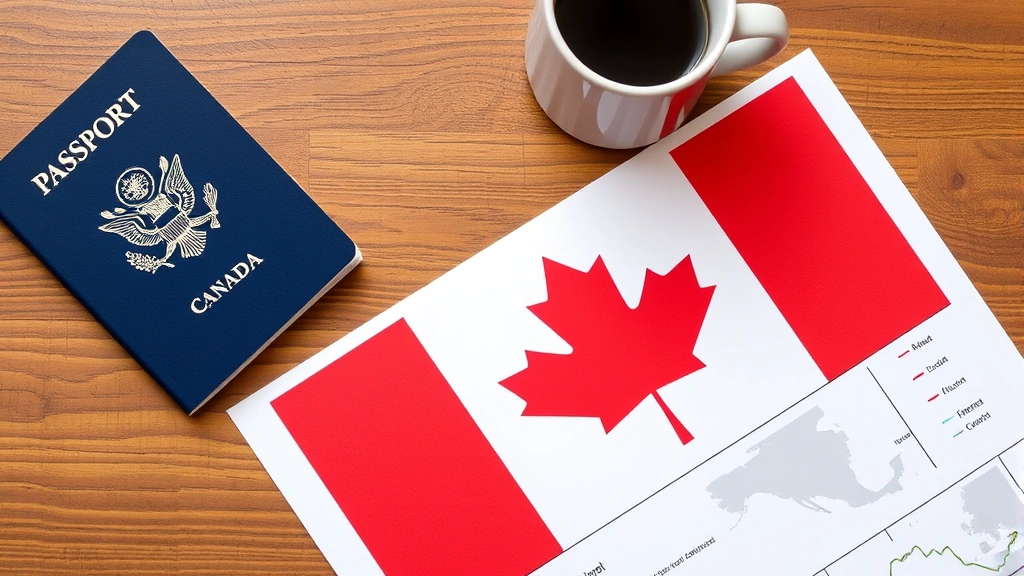
How to Move to Canada from the US: A Step-by-Step Guide
How to Move to Canada from the US: A Step-by-Step Guide
Making the leap from the United States to Canada is a significant life decision that requires careful planning, realistic expectations, and a solid understanding of the immigration process. Whether you’re drawn by career opportunities, quality of life, or simply a fresh start, moving north of the border involves navigating federal requirements, provincial regulations, and practical logistics that can feel overwhelming at first glance.
The good news? It’s entirely doable, and thousands of Americans successfully relocate to Canada each year. The key is approaching the process methodically, understanding your eligibility options, and preparing for both the bureaucratic and personal aspects of the move. This guide walks you through every major step, from determining your immigration pathway to settling into your new Canadian home.
Canada welcomes skilled workers, entrepreneurs, students, and families through various immigration programs. Your specific route depends on your age, education, work experience, language abilities, and financial resources. Let’s break down exactly what you need to know to make this transition smoothly.
Understand Your Immigration Pathways
Canada offers multiple immigration streams, and choosing the right one dramatically affects your timeline and approval likelihood. The three main categories are economic immigration (for workers and entrepreneurs), family sponsorship, and humanitarian and compassionate grounds.
Express Entry is the fastest pathway for skilled workers. This federal system manages applications for three programs: the Federal Skilled Worker Program, Federal Skilled Trades Program, and Canadian Experience Class. Express Entry uses a points-based system called the Comprehensive Ranking System (CRS), and processing typically takes six months or less. If you’re considering a career in healthcare, understanding credential requirements is important—many Americans explore how to become a pharmacist in Canada, which follows similar but distinct pathways compared to the US.
Provincial Nominee Programs (PNPs) offer another route. Each province has its own immigration streams targeting specific skills and professions. These programs can significantly boost your CRS score if nominated, and they’re excellent for those targeting specific regions within Canada.
For entrepreneurs and investors, the Start-up Visa Program allows you to launch a business in Canada with backing from designated organizations. Self-employed individuals and those with significant capital often find this pathway advantageous.
Family sponsorship is available if you have a Canadian citizen or permanent resident relative willing to sponsor you. Spouses and common-law partners have the shortest processing times, while sponsoring parents or grandparents takes considerably longer.

Assess Your Eligibility and Points
Before investing time and money into applications, honestly evaluate whether you meet basic eligibility criteria. Most economic immigration programs require you to be under 47 years old (though some exceptions exist), have at least high school education, and demonstrate language proficiency in English or French.
The CRS scoring system awards points for age, education, language abilities, and work experience. You receive additional points if you have a valid job offer in Canada or a provincial nomination. Understanding where you stand on the CRS scale helps determine realistic timelines. The cutoff scores for invitations to apply fluctuate monthly based on the pool of applicants, typically ranging between 430 and 470 points.
Language tests are crucial. You’ll need to take an approved test like the IELTS or CELPIP for English, or TEF for French. Many Americans underestimate how competitive language scores need to be—a score that felt solid on an American standardized test may not translate to high CRS points. It’s worth investing in preparation or tutoring to maximize this component.
Your educational credentials also matter significantly. If you completed your degree in the US, you’ll likely need a credential evaluation report (ECA) from an approved organization. This process typically costs $200-$400 and takes 4-8 weeks. Some programs like nursing or teaching have additional professional credential requirements beyond the ECA.
Work experience must be documented clearly with reference letters from employers. Ensure you can articulate your job duties, responsibilities, and timeline precisely. Vague or inconsistent descriptions can raise red flags during the application review process.
Gather Documentation and Credentials
The paperwork required for Canadian immigration is substantial. Start collecting documents well before you officially apply, as obtaining certified copies, translations, and credential evaluations takes time.
Essential documents include your passport (valid for the duration of your intended stay), birth certificate, marriage certificate (if applicable), divorce decrees (if applicable), police clearance certificates, and medical exam results from an approved panel physician. You’ll also need employment letters, educational transcripts, and language test results.
If you’re pursuing how long it takes to get a bachelor’s degree matters when calculating your education points—Canadian immigration weighs completed credentials, so ensure your transcripts clearly show degree conferral dates. Any documents not in English or French require certified translations.
Police clearance certificates must be obtained from every country where you’ve lived for more than six months since age 18. For Americans, this means your state police clearance plus FBI clearance. The FBI clearance typically takes 12-16 weeks, so request this early.
Medical exams must be completed by a panel physician designated by Immigration, Refugees and Citizenship Canada (IRCC). You cannot use your regular doctor. This exam is thorough and includes blood work, chest X-rays, and a detailed health history. Budget $500-$800 for this expense.

Navigate the Application Process
Once you’ve determined your pathway and gathered documents, it’s time to build your application. For Express Entry, you’ll create an online profile through the IRCC portal, entering detailed information about your work experience, education, language abilities, and family composition.
Your profile sits in the Express Entry pool for up to 12 months. If your CRS score is competitive, you’ll receive an Invitation to Apply (ITA) during a draw. You then have 60 days to submit a complete application with all supporting documents. Missing this deadline means your application is rejected, and you must reapply.
Accuracy is absolutely critical. Inconsistencies between your profile and supporting documents, discrepancies in dates, or inflated credentials can result in application rejection and potential bans from future applications. When describing your work experience, align your profile exactly with what your reference letters state.
If applying through a Provincial Nominee Program, research which province aligns with your skills and career goals. Some provinces prioritize certain professions or regions within their borders. The application process varies by province but generally involves a separate online application before you can receive a provincial nomination that boosts your Express Entry score.
Consider consulting with a licensed immigration lawyer or certified immigration consultant, especially if your situation is complex (previous visa refusals, criminal history, health concerns, or non-traditional work experience). Professional guidance costs $1,000-$3,000 but can prevent costly mistakes. When preparing for interviews, understanding how to answer tell me about yourself questions ensures you present your background coherently and compellingly to immigration officers.
Prepare for Your Move Logistics
Once you receive approval for permanent residency, the practical moving begins. You have a limited window to land in Canada and obtain your permanent resident card. Plan your move carefully to align with your job start date, housing arrangements, and personal readiness.
Hiring movers is a major consideration. International moves from the US to Canada are complex, involving customs clearance and cross-border logistics. Research companies experienced with US-Canada relocations, obtain multiple quotes, and verify credentials. If you’re unsure about gratuity expectations for your moving crew, knowing how much to tip movers helps you budget appropriately and show appreciation for their work.
Before moving, research your destination thoroughly. Understand the job market, housing costs, climate, healthcare system, and community resources. Many Americans move to major cities like Toronto, Vancouver, or Montreal, but mid-sized cities often offer better affordability and quality of life. Consider visiting beforehand if possible to get a genuine feel for the area.
Housing is one of your biggest immediate expenses. The Canadian rental market varies dramatically by region. Toronto and Vancouver have extremely tight, expensive markets, while Prairie provinces offer more affordability. Start your housing search 2-3 months before your intended move date. Many landlords require proof of employment, references, and credit checks similar to the US process.
Financial preparation is essential. Open a Canadian bank account before or immediately upon arrival. Bring documentation showing your Canadian address and employment. You’ll need a Social Insurance Number (SIN) for employment and taxes—apply immediately upon landing. Budget for initial setup costs including deposits for housing, utilities, phone plans, and furnishings.
Plan Your Arrival and Settlement
Your first few weeks in Canada set the tone for your transition. Have a concrete plan for your first week: accommodation arranged, employment start date confirmed, essential services identified, and a basic orientation to your new city planned.
Healthcare registration is important. Each province manages healthcare differently, and you may face a waiting period (typically 2-3 months) before provincial coverage begins. Some employers offer extended health benefits that bridge this gap. Register with a family doctor as soon as possible—physician shortages mean some areas have long waitlists.
If you own property or are considering real estate investments, understanding how to find out who owns a property helps you navigate the Canadian real estate market. Property ownership processes differ from the US, and having basic knowledge prevents costly oversights.
Explore your new community systematically. Visit the local library (excellent free resource for newcomers), join community groups, attend cultural events, and connect with other expats and locals. Canada is generally welcoming to Americans, but building genuine community connections takes intentional effort.
Understand Canadian taxes, employment standards, and labor laws. Your US tax obligations don’t disappear—you’ll file US taxes as a permanent resident. Consider hiring a cross-border tax professional to navigate both systems correctly. Employment standards regarding vacation days, statutory holidays, and parental leave differ from most US states.
Finally, give yourself grace during the adjustment period. Moving internationally is inherently stressful, and culture shock is real even when relocating to a country that feels familiar. Homesickness, bureaucratic frustrations, and adjustment challenges are normal. Most expats report that the first six months are the hardest, but by month 12, Canada feels genuinely like home.
Frequently Asked Questions
How long does the entire process take from start to approval?
Timeline varies significantly by pathway. Express Entry applications are processed within six months once you receive an Invitation to Apply, but getting into the pool and receiving an ITA can take months depending on your CRS score. Provincial Nominee Programs add 4-12 weeks. Overall, most people experience a 12-18 month timeline from initial application to approval, though some move faster if they have strong profiles or provincial nominations.
Can I work in Canada while my application is processing?
Not automatically, but options exist. If you have a valid job offer from a Canadian employer, you may qualify for an open work permit while your permanent residency application processes. Some applicants also pursue temporary work visas or student permits as intermediate steps. Consult with an immigration professional about your specific situation.
What’s the difference between permanent residency and citizenship?
Permanent residency grants you the right to live, work, and study in Canada, but you remain a US citizen. You must maintain your PR status by residing in Canada for at least two years in every five-year period. Citizenship is a separate application available after three years as a permanent resident (two years for some categories). You can hold dual citizenship.
How much does the entire immigration process cost?
Government fees alone run approximately $1,500-$2,000 per adult plus $500-$800 for medical exams and police clearances. Add credential evaluation reports ($200-$400), language tests ($250-$350), and potentially professional consulting fees ($1,000-$3,000). Many people spend $3,000-$5,000 total on the immigration process itself, not including moving costs.
Is it easier to move to Canada if I’m married to a Canadian?
Significantly easier. Spousal sponsorship has faster processing times (6-12 months typically) and lower point requirements. If your spouse is a Canadian citizen or permanent resident, they can sponsor you for permanent residency directly without competing in the general pool. This is one of the fastest pathways available.
What if my application is rejected?
Rejections are typically based on incomplete documentation, inconsistent information, or not meeting program requirements. You can request a detailed explanation and reapply. Some rejections are appealable through the Immigration Appeal Division. Consider professional consultation if your application is rejected—immigration lawyers can identify issues and strengthen future applications.
Do I need to speak French to move to Canada?
No, but it’s advantageous. English fluency is sufficient for most provinces and jobs. However, Quebec heavily prioritizes French speakers. If targeting Quebec, French language skills significantly improve your prospects. For other provinces, English proficiency is generally adequate, though bilingualism always strengthens applications.
Can I bring my family members with me?
Dependent children are included in your permanent residency application automatically. Spouses and common-law partners must be included. Adult children, parents, and siblings require separate applications or sponsorship. If you’re moving first, family members can join you later through family sponsorship programs, though this involves additional processing time and requirements.

Related Posts

How Long to Boil Lobster Tails: Cooking Guide

How Long to Fly from New York to London? Travel Times
