
How to Measure Hips: Expert Guide
How to Measure Hips: Expert Guide for Perfect Fit
Getting accurate hip measurements might seem straightforward, but there’s more nuance to it than simply wrapping a tape measure around the widest part of your body. Whether you’re ordering clothes online, tailoring a garment, or tracking fitness progress, knowing how to measure hips correctly can save you from the frustration of ill-fitting clothing and wasted returns.
The difference between a well-fitting pair of jeans and one that leaves you uncomfortable often comes down to precision. Most people either measure too high, too low, or forget to account for the natural curve of their body. This guide walks you through the exact technique professionals use, complete with troubleshooting tips and context for why accuracy matters.
Let’s dive into the methods that actually work, the common mistakes to avoid, and how to use your measurements effectively when shopping or creating custom pieces.
Why Accurate Hip Measurements Matter
Your hip measurement is one of the three fundamental body dimensions, alongside how to measure bust and how to measure waist. Together, these measurements form the basis of proper clothing fit and body proportion tracking.
When you have accurate hip measurements, you can confidently purchase clothing online without worrying about sizing discrepancies. Different brands use different sizing standards, and knowing your exact measurement gives you a reference point to compare against size charts. This is particularly important for fitted styles like skinny jeans, pencil skirts, and bodycon dresses where hip fit directly impacts comfort and appearance.
Beyond fashion, hip measurements serve practical purposes in fitness and health tracking. Personal trainers use hip measurements to monitor body composition changes, especially when combined with waist measurements to calculate the waist-to-hip ratio. This metric provides insights into overall health and fitness progress that scale weight alone cannot capture.
For tailoring and custom clothing, precise hip measurements ensure that garments are constructed to your exact specifications. A tailor working with even a quarter-inch discrepancy can create noticeable fit issues in the final garment.
Tools You’ll Need
Gathering the right tools before you start makes the measurement process smooth and accurate. You don’t need expensive equipment—most people have what they need at home already.
- Soft measuring tape: The flexible kind used for sewing and tailoring, typically fabric or plastic. Avoid rigid metal tape measures designed for construction work, as they won’t conform to your body’s curves and will give inaccurate readings.
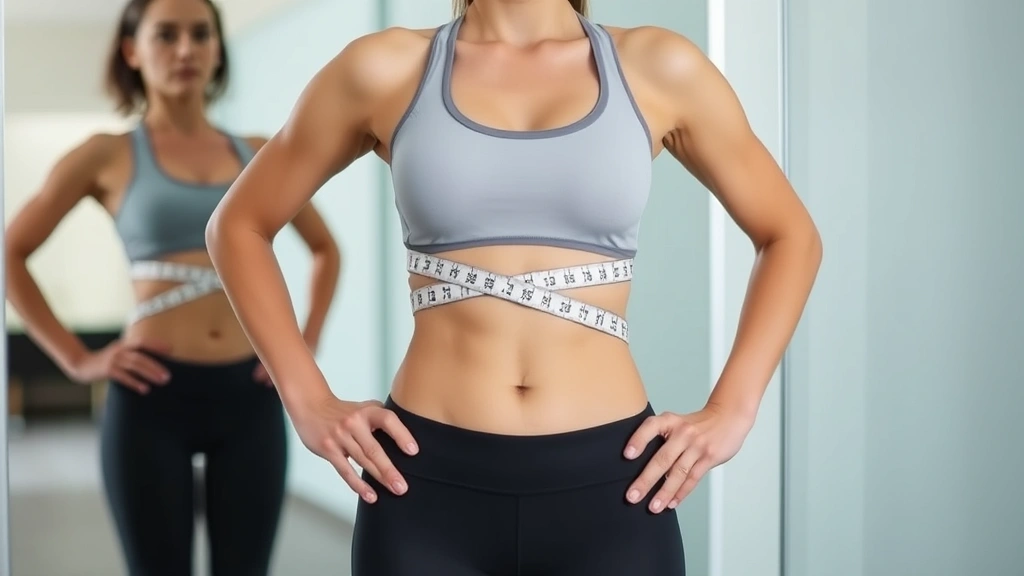
- Mirror: A full-length mirror helps you see the placement of the tape measure and ensure it’s positioned correctly. If you don’t have a full-length mirror, you can use a smaller mirror to check positioning at hip level.
- Comfortable, fitted clothing: Wear something that fits snugly but not restrictively—think fitted leggings or athletic wear. Avoid thick sweaters, loose clothing, or multiple layers that will add bulk and throw off your measurement.
- Pen and paper: Write down your measurement immediately after taking it. Your memory might fail you later, and having it documented helps you track changes over time.
- Helper (optional but recommended): While you can measure yourself, having another person take the measurement eliminates the awkwardness of twisting around and potentially misplacing the tape.

Step-by-Step Measurement Process
Follow these precise steps to get a measurement that’s consistent and accurate every time.
Step 1: Find Your Hip Bones
Stand in front of a mirror with your feet hip-width apart. Place your hands on your sides and locate your hip bones—the bony protrusions on the outside of your pelvis. These are your anatomical landmarks. Some people naturally have more prominent hip bones than others, but they’re always there. This is your starting reference point.
Step 2: Identify the Fullest Point
Move your hands down about 3-4 inches from your hip bones. This is typically where your hips have the most volume—the fullest part of your hip measurement. For most people, this falls roughly 7-9 inches below your natural waistline. The exact position varies based on individual body shape, so take a moment to feel where your body is widest at the hip level.
Step 3: Position the Tape Measure
Wrap the measuring tape horizontally around your body at the fullest part of your hips. Keep the tape parallel to the ground—not tilted up in front or back. The tape should sit flat against your skin without pinching or creating gaps. If you’re wearing fitted clothing, you can measure over the fabric, but make sure it’s not adding bulk.
Step 4: Ensure Proper Tension
This is where most people go wrong. The tape should be snug enough to stay in place but not so tight that it compresses your body. You should be able to fit one finger comfortably between the tape and your skin. This mimics how clothing will actually fit—not strangling you, but not loose either. If you can fit two fingers easily, the tape is too loose. If you can’t fit any fingers, it’s too tight.
Step 5: Read the Measurement
Look straight ahead at where the tape measure overlaps. Read the number where the end of the tape meets the rest of the tape. Round to the nearest half-inch for consistency. Most clothing sizes are based on half-inch increments anyway, so this level of precision is appropriate.
Step 6: Take Multiple Measurements
For the most reliable result, take your measurement three times. Write down all three numbers. If they’re all within a half-inch of each other, average them together. If one measurement is significantly different, you may have shifted position—repeat it. Consistency across multiple attempts gives you confidence in your final number.

Common Mistakes to Avoid
Learning what not to do is just as important as learning the correct technique. These are the pitfalls that throw off measurements.
Measuring at the Wrong Location
The most common error is measuring at your actual hip bone level rather than at the fullest part of your hips. Your hip bones are structural—they don’t move. But your hip measurement for clothing purposes is about the widest part of your body at hip level, which is typically several inches lower. If you measure at your hip bones, you’ll get a number that’s smaller than your actual hip measurement, leading to clothing that doesn’t fit.
Using the Wrong Type of Tape Measure
A rigid metal tape measure used for construction projects won’t conform to your body’s curves. It will either pull away from your body creating gaps or create uneven tension. Soft measuring tapes designed for sewing are specifically made to follow body contours and give accurate readings.
Inconsistent Tape Placement
If the tape measure is level in front but tilted up in back (or vice versa), you’re measuring at different heights around your body. Since your body isn’t a perfect cylinder, measuring at different heights gives different numbers. Always double-check that the tape is parallel to the ground all the way around.
Measuring While Holding Your Breath or Tensing
Your body changes slightly when you hold your breath or engage your core muscles. For an accurate measurement that reflects how clothes will actually fit, breathe normally and stand in a relaxed position. This is your true measurement.
Wearing Thick Clothing During Measurement
Measuring over a thick sweater or multiple layers adds inches that won’t be there when you’re wearing fitted clothing. Measure over thin, fitted clothing or directly against your skin for accuracy.
Forgetting to Document the Conditions
If you’re tracking measurements over time, note the time of day, what you’re wearing, and any other relevant factors. Body measurements can fluctuate slightly throughout the day and week. Taking measurements under consistent conditions makes it easier to track genuine changes versus natural variation.
How to Use Your Measurements
Once you have your hip measurement, knowing how to apply it practically ensures you get the results you’re after.
Online Shopping
When ordering clothes online, always check the size chart before purchasing. Compare your hip measurement to the chart’s hip measurement range for each size. If you’re between sizes, consider the style—fitted garments often need you to size up slightly, while relaxed styles can work at your exact measurement. Many brands include fit reviews from customers; read these to understand how that particular brand’s sizing runs.
Tailoring Reference
When working with a tailor, provide your exact hip measurement along with any fit preferences. If you prefer a little room for movement versus a skin-tight fit, communicate this. A good tailor can use your measurement as a starting point and adjust based on the specific garment and your preferences. This is also where measuring how to measure inseam becomes relevant for pants fitting.
Fitness Tracking
Record your hip measurement monthly to track changes over time. Calculate your waist-to-hip ratio by dividing your waist measurement by your hip measurement. This ratio provides insight into body composition and health metrics that weight alone doesn’t capture. Track it in a spreadsheet or fitness app to visualize trends.
Comparing Across Brands
Create a simple spreadsheet with your measurements and compare them to size charts from different brands you frequently purchase from. Over time, you’ll notice which brands tend to run large, small, or true to size. This becomes your personal reference guide for online shopping.
Hip Measurement and Body Composition
Your hip measurement relates to overall body composition and can be a useful metric when combined with other measurements. The waist-to-hip ratio has been studied extensively in health research. A lower ratio is generally associated with better health outcomes, though the ideal range varies by age, sex, and individual factors.
Hip measurement also helps identify your natural body shape. An hourglass shape typically has hip and bust measurements that are similar with a noticeably smaller waist. A pear shape has larger hips relative to the bust. An apple shape has a larger waist relative to hips. Understanding your body shape helps you choose flattering silhouettes and styles that work with your natural proportions rather than against them.
When combined with waist measurements, hip measurements help fitness professionals and nutritionists track body composition changes. Someone might maintain the same weight while losing inches at the waist and maintaining hip measurement—this indicates positive body composition change (more muscle, less fat) even though the scale hasn’t moved.
It’s worth noting that hip measurement can fluctuate slightly with water retention, hormonal cycles, bloating, and time of day. For the most meaningful tracking, take measurements under consistent conditions and focus on trends over weeks and months rather than day-to-day changes.
Frequently Asked Questions
Should I measure my hips over clothing or bare skin?
Measure over thin, fitted clothing for consistency and comfort. Bare skin is fine too, but many people find it easier to keep the tape in place over fitted pants or leggings. Avoid thick fabrics that add bulk. The key is consistency—measure the same way each time.
What if my hip measurement is between two sizes on a brand’s size chart?
When you’re between sizes, consider the garment type and your fit preference. For fitted styles like jeans or bodycon dresses, size up. For relaxed styles, you might size down. Read customer reviews for that specific item to see how others found the fit. When in doubt, size up—you can always tailor down, but you can’t add fabric.
How often should I remeasure my hips?
For fitness tracking, measure monthly to see meaningful changes in body composition. For clothing shopping, remeasure every 6-12 months or whenever you notice significant changes in how clothes fit. If you’re actively working on body composition goals, monthly measurements help you stay motivated by showing progress that the scale might not reflect.
Is my hip measurement the same as my pants size?
Not necessarily. Pants sizes vary widely by brand and style. Your hip measurement is the actual circumference of your body at the fullest part of your hips. Your pants size is a standardized number that brands use, and they often don’t align perfectly. Always compare your measurement to size charts rather than assuming a certain pants size will fit.
Why do my measurements change throughout the day?
Body measurements can fluctuate due to water retention, food intake, hormonal changes, and even posture. This is completely normal. For the most reliable tracking, measure at the same time of day, ideally in the morning before eating, and focus on trends over time rather than daily variations.
Should I include my measurement in the measurement guide when shopping with a stylist?
Absolutely. Providing your actual hip measurement to a personal stylist or clothing consultant gives them concrete data to work with. Combined with information about your fit preferences and style goals, your measurement helps them select options that will actually fit your body rather than guessing based on appearance.
How does hip measurement relate to knowing your ring size?
While hip measurement and ring size are completely different body measurements, both require accuracy for proper fit. Just as knowing your ring size ensures comfortable jewelry that won’t slip off, knowing your hip measurement ensures comfortable, well-fitting clothing. Both are simple measurements that have outsized impact on comfort and confidence.
Can hip measurement predict clothing fit in different countries?
International sizing varies significantly. A size 10 in the US, UK, and Europe are all different. The most reliable approach is to compare your actual hip measurement to the specific brand’s international size chart rather than relying on size numbers. Many online retailers now include international conversion guides for this reason.

Related Posts

How Long to Boil Lobster Tails: Cooking Guide

How Long to Fly from New York to London? Travel Times
