
How to Measure Hat Size: Simple Guide
How to Measure Hat Size: Simple Guide
Finding the perfect hat is like discovering the perfect pair of shoes—it’s deeply personal, and nothing ruins the experience quite like an ill-fitting crown. Whether you’re shopping for a baseball cap, beanie, fedora, or wide-brimmed sun hat, knowing your exact hat size takes the guesswork out of online purchases and saves you from the awkward return process. The good news? Measuring your hat size is straightforward, requires minimal tools, and takes less than five minutes.
Most people underestimate how important proper fit is when it comes to headwear. A hat that’s too tight causes headaches and leaves unsightly marks on your forehead. One that’s too loose slides around, feels unstable, and looks sloppy no matter how stylish the design. Just as you’d take time to know your ring size before buying jewelry, understanding your hat size prevents frustration and ensures you’re investing in pieces that actually fit your head properly.
This comprehensive guide walks you through every method of measuring hat size, from using simple household items to understanding hat sizing charts across different brands and regions. By the end, you’ll have the confidence to order hats online or shop in-store with precision.
Understanding Hat Sizes and Sizing Systems
Hat sizing isn’t as universal as you might think. Different countries use different measurements, and various hat manufacturers have their own sizing standards. The primary sizing systems you’ll encounter are based on head circumference measured in inches or centimeters.
In the United States, hat sizes typically range from 6⅝ to 8⅛ inches in quarter-inch increments. European sizing uses centimeters, usually ranging from 54 to 61 centimeters. Men’s hats generally start at size 6⅝ and go up to 8 or larger for oversized heads, while women’s hat sizes are often smaller, typically starting around 6⅜. Children’s hat sizes vary more widely depending on age and head development.
Understanding these systems helps you navigate shopping across different brands and regions. A size 7 hat in the US translates to approximately 55 centimeters in European sizing, though you should always verify with the specific manufacturer. Some luxury hat makers use their own proprietary sizing, so checking the brand’s specific size chart is essential.
Tools You’ll Need
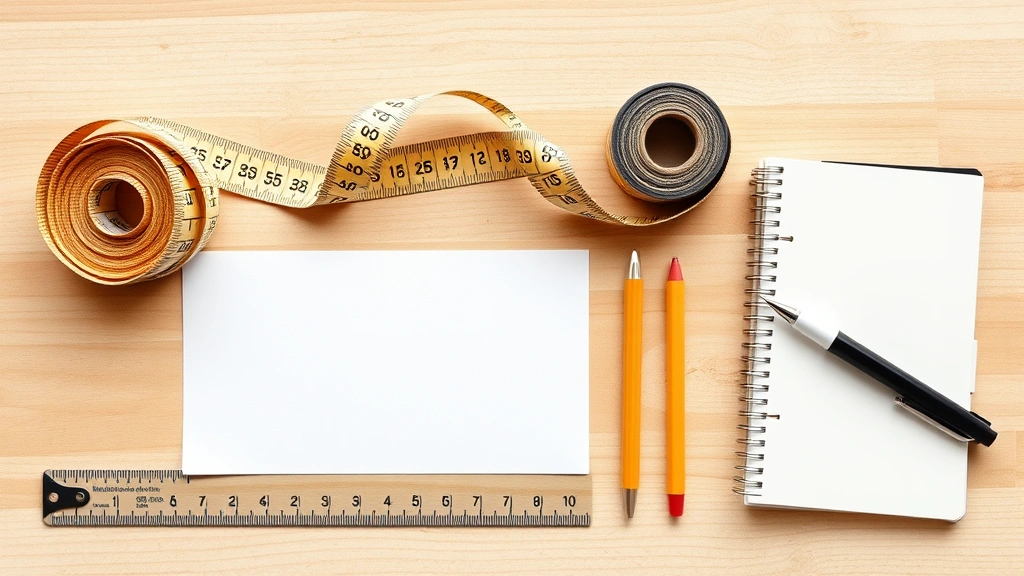
The beauty of measuring your hat size at home is that you probably already own everything necessary. Here’s what works best:
- Soft measuring tape—This is ideal because it’s flexible and conforms to your head’s shape. If you don’t have a sewing tape measure, a fabric measuring tape from any craft store costs just a few dollars.
- String or ribbon—If you can’t find a measuring tape, a piece of string works perfectly. You’ll simply wrap it around your head and then measure the length against a ruler.
- Ruler or measuring stick—A standard 12-inch ruler, yardstick, or even a measuring tape (the kind used for construction) works well for determining the length of your string.
- Pen and paper—Write down your measurement immediately to avoid forgetting the number.
- Mirror—While not strictly necessary, a mirror helps ensure you’re positioning the measuring tool correctly.
Avoid using rigid measuring tools like wooden rulers or metal yardsticks directly on your head, as they’re uncomfortable and give inaccurate readings. The measurement needs to be snug but not tight—think of it as the pressure a well-fitted hat would exert.
How to Measure Your Head Circumference
Now for the practical part. Follow these steps to get an accurate measurement:
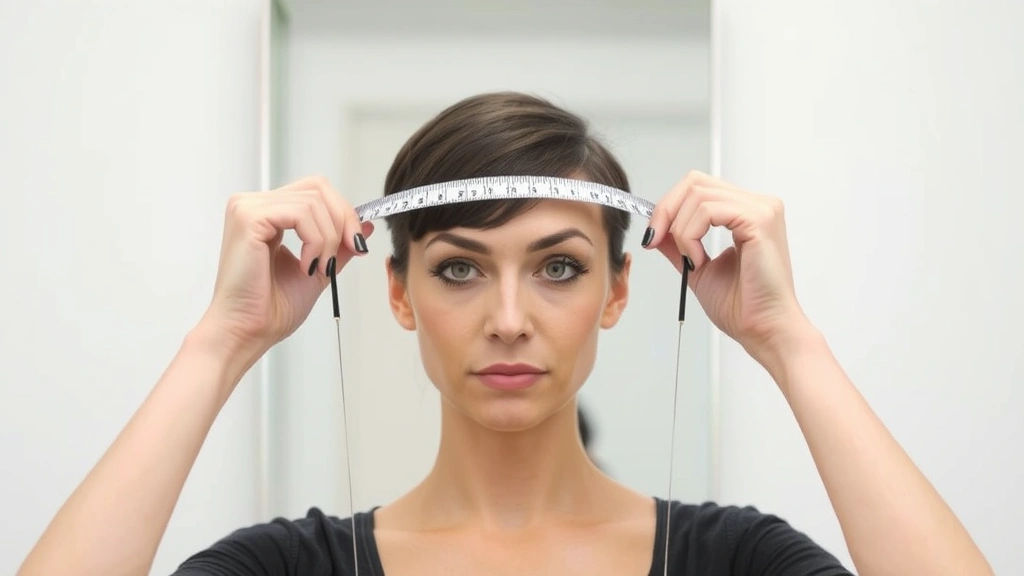
- Position yourself correctly—Stand in front of a mirror in good lighting. Wear your hair as you normally would, since your regular hairstyle affects how a hat sits on your head. If you typically wear your hair up, measure with it up. If you wear it down, measure with it down.
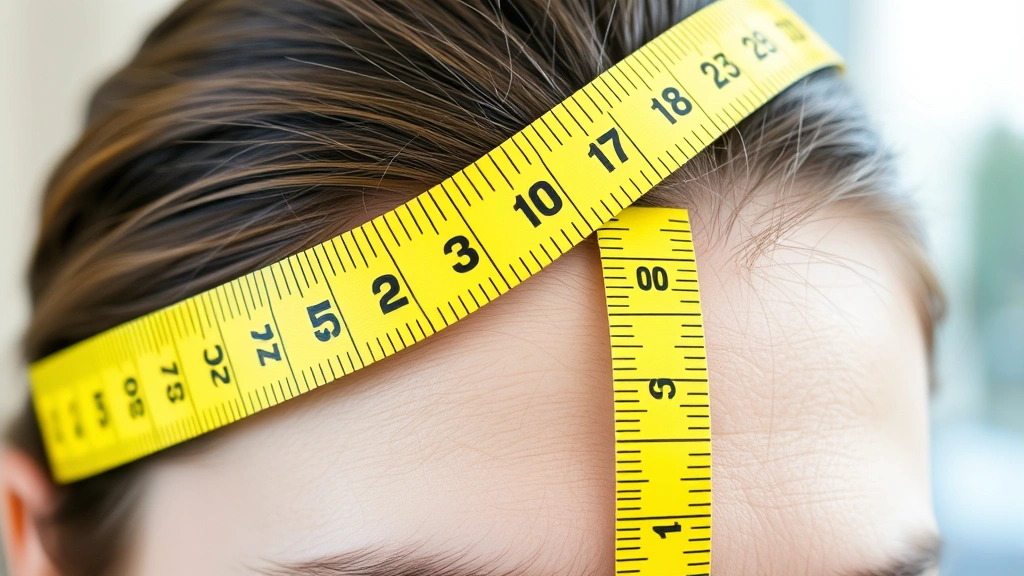
- Place the measuring tape—Start at your forehead, about one inch above your eyebrows. This is roughly where the front brim of most hats sits. If you’re using string, hold one end at this starting point.
- Wrap around your head—Gently wrap the measuring tape around your head, keeping it level and parallel to the ground. The tape should sit above your ears and around the fullest part of your head. If using string, continue wrapping it around your head at this same level until it meets the starting point.
- Ensure proper tension—The tape should be snug enough that you can’t easily move it up or down, but loose enough to fit a finger comfortably between the tape and your head. This mimics how a properly fitting hat should feel—secure without being restrictive.
- Mark and measure—If using a soft measuring tape, simply read the number where the tape meets itself. For string, mark where it overlaps using a pen, then lay the string flat against a ruler and measure the marked length.
- Double-check your work—Measure at least twice to ensure consistency. Slight variations (up to a quarter inch) are normal, so if you get 22 and 22¼ inches, that’s consistent enough. If you get significantly different measurements, try again and ensure the tape is positioned correctly.
Pro tip: measure your head at different times of day. Some people’s heads swell slightly in the afternoon or evening due to fluid retention and circulation, so measuring in the morning gives the most consistent baseline.
Converting Your Measurement to Hat Size
Once you have your head circumference in inches, converting to hat size is simple. Here’s the standard US sizing chart:
- 20¾ inches = Size 6⅝
- 21¼ inches = Size 6¾
- 21⅝ inches = Size 6⅞
- 22 inches = Size 7
- 22⅜ inches = Size 7⅛
- 22¾ inches = Size 7¼
- 23⅛ inches = Size 7⅜
- 23½ inches = Size 7½
- 23⅞ inches = Size 7⅝
- 24¼ inches = Size 7¾
- 24⅝ inches = Size 7⅞
- 25 inches = Size 8
If your measurement falls between two sizes, you have options. Some people prefer the slightly looser fit of the larger size, while others like the snugness of the smaller size. This depends on personal comfort preference and the hat type. For baseball caps and casual wear, many people prefer a slightly looser fit. For formal hats like dress fedoras, a snugger fit is often preferred.
For metric measurements, divide your centimeter measurement by π (3.14159) to get the diameter, then multiply by π again to verify your circumference. Most hat size charts provide both inches and centimeters, so you can simply match your measurement directly if you prefer working in metric.
Special Considerations for Different Hat Types
While head circumference is the primary measurement for all hats, different hat styles have additional considerations:
Baseball Caps and Casual Hats—Most adjustable baseball caps use one-size-fits-most design with a strap that accommodates a range of sizes (typically 6½ to 8). If you’re buying a structured baseball cap without an adjustable back, your exact size matters more. These hats often come in specific sizes, and knowing whether you’re a 7 or 7¼ prevents ordering something that won’t fit properly.
Beanies and Winter Hats—Knit beanies are generally one-size-fits-most since they’re stretchy. However, if you have a particularly large or small head, knowing your measurement helps determine if a standard beanie will work or if you need a specialty size. Thicker, structured beanies benefit from accurate sizing just like baseball caps.
Fedoras and Formal Hats—These structured hats require precise sizing. Unlike casual hats, a fedora that’s too large looks sloppy and won’t maintain its shape properly. When measuring at home for formal headwear, ensure your tape is positioned exactly where the hat’s sweatband will sit, typically about one inch above your eyebrows.
Bucket Hats and Wide-Brimmed Styles—These hats need accurate sizing around the crown, though the brim doesn’t factor into sizing. The circumference measurement remains your primary concern, but also consider how the hat’s style complements your face shape and personal style.
Children’s Hats—Kids’ heads grow quickly, so consider measuring every six months to a year if you’re buying hats frequently. Children’s hat sizes typically range from 18 to 22 inches in circumference, depending on age. Always check the manufacturer’s age and size recommendations, as these can vary between brands.
Tips for Buying Hats Online
Armed with your accurate hat size, online shopping becomes much more reliable. Here are strategies to ensure successful purchases:
Always check the size chart—Even with your measurement, verify the specific brand’s sizing. Some luxury hatmakers use slightly different standards. A chart might show that their size 7 is actually 22.25 inches instead of the standard 22 inches, so cross-reference your measurement against their specific guide.
Read customer reviews for fit feedback—Real customers often mention whether a hat runs large, small, or true to size. Comments like “I’m usually a 7 but this runs small, so I got a 7¼” are incredibly valuable. This crowdsourced information helps you make informed decisions beyond just the official sizing.
Look for return policies—Even with accurate measurements, sometimes a hat doesn’t feel right once you try it on. Retailers with flexible return policies reduce your risk. Many online hat retailers offer free returns, which is a huge advantage when you can’t try before buying.
Consider hat material and construction—Different materials behave differently. Wool felt hats may shrink slightly if washed, so knowing how to wash a hat properly helps preserve sizing. Cotton canvas hats may stretch slightly with wear. Understanding these properties helps you anticipate any changes in fit over time.
Account for padding and linings—Some hats have thicker sweatbands or interior padding than others. This affects how snugly the hat sits. A hat with a ½-inch thick sweatband might feel tighter than one with minimal padding, even if they’re the same size. Reading product descriptions helps you understand these details.
Just as you’d carefully verify details like how to measure ring size before making a jewelry purchase, taking time to understand the specific hat’s sizing prevents disappointment and unnecessary returns.
Contact customer service for clarification—If you’re between sizes or unsure about fit, many hat retailers have customer service teams happy to help. They can recommend whether to size up or down based on your preferences and the specific hat’s characteristics.
Frequently Asked Questions
What if my head size falls exactly between two hat sizes?
If your measurement is exactly halfway between sizes (for example, 22.125 inches, which falls between size 7 and 7⅛), consider your personal preference. Do you prefer snug or slightly loose-fitting hats? For casual wear, many people prefer a slightly roomier fit. For formal occasions, a snugger fit is often preferred. You can also try both sizes if ordering online with a flexible return policy.
Does hair thickness affect hat size?
Yes, significantly. Thick or voluminous hair requires slightly more room inside the hat. This is why measuring with your hair in its normal state is crucial. If you have very thick hair and measure while wearing it up, then wear the hat with your hair down, it might feel too tight. Conversely, if you measure with very full hair and then wear the hat with your hair up, it might feel loose.
Can my hat size change over time?
Yes, head size can change due to several factors. Weight gain or loss affects head circumference. Age-related changes, particularly in older adults, can cause slight changes. Swelling from medical conditions or medications can temporarily increase head size. If you haven’t measured in several years and your hats feel different than they used to, it’s worth remeasuring.
Is there a difference between men’s and women’s hat sizing?
The measurement system is the same—both use head circumference in inches or centimeters. However, women’s hat sizes typically start smaller (around 6⅜) and may have different style cuts and proportions. Men’s hats usually start at 6⅝. Beyond these ranges, the sizing is identical. Some hats are unisex and use the same sizing regardless of style.
How do I measure a hat size if I wear glasses or headphones?
Remove them before measuring. Glasses and headphones affect where the measuring tape sits and can give inaccurate readings. However, if you wear glasses daily and they affect how a hat feels, you might consider this when deciding between sizes. A hat that feels perfect without glasses might feel slightly different when you put them on.
What’s the difference between hat size and hat fit?
Size refers to the circumference measurement, while fit encompasses overall comfort, shape, and how the hat sits on your head. Two hats of the same size might fit differently because of different crown heights, brim widths, or interior construction. Size is standardized; fit is personal and depends on head shape, hair style, and personal preference.
Should I measure my head when it’s wet or dry?
Measure when your head is dry. Wet hair adds volume and changes your head’s apparent circumference. Dry hair in its normal state gives the most accurate baseline for how a hat will actually fit during regular wear.
Can I use an old hat to determine my size?
Possibly, but it’s not ideal. If you have a hat that fits perfectly and you know its size, you have a reference point. However, if the hat is old, it may have stretched or shrunk, so it might not be reliable. Measuring your head directly gives more accurate information than relying on an old hat’s size.
What if I’m between sizes and can’t decide?
Order both sizes if the retailer offers free returns. Try both on and see which feels more comfortable. Many people find that after wearing a hat for 20-30 minutes, they notice whether it’s too tight (causes discomfort or leaves marks) or too loose (shifts around). Personal preference matters more than following a strict sizing chart.
Understanding how to measure body dimensions extends beyond just hats—it’s a valuable skill for any garment or accessory purchase. Taking these extra minutes to get accurate measurements saves time, money, and frustration in the long run.

Related Posts

How Long to Boil Lobster Tails: Cooking Guide

How Long to Fly from New York to London? Travel Times
