
Can You Make Yourself Squirt? Expert Tips Here
Can You Make Yourself Squirt? Expert Tips Here
Female ejaculation, commonly referred to as squirting, is a natural physiological response that many people are curious about. Whether you’re exploring your own body or seeking to understand this phenomenon better, knowledge and patience are essential. This comprehensive guide provides expert-backed information, practical techniques, and evidence-based strategies to help you achieve this goal safely and comfortably.
Understanding your body’s responses, knowing what to expect, and creating the right environment are fundamental steps in this journey. We’ll explore the anatomy involved, debunk common myths, and provide actionable tips from sexual health professionals to help you explore this aspect of your sexuality with confidence.
Understanding Female Ejaculation Anatomy
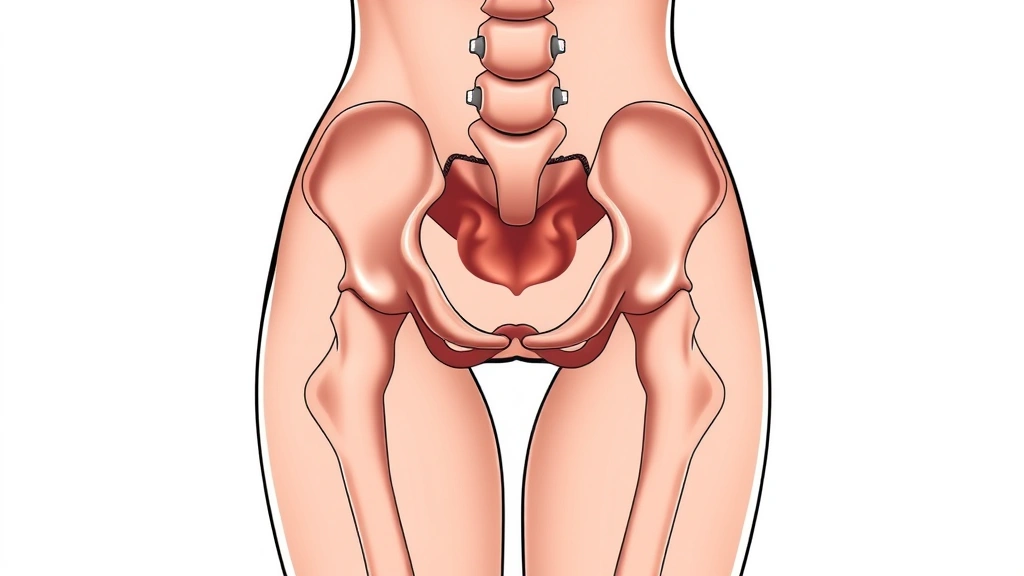
To successfully achieve squirting, it’s crucial to understand the anatomical structures involved. The female body contains several key components that work together during sexual arousal and response. The Skene’s glands, often called the female prostate, are located around the urethra and play a significant role in female ejaculation. These glands are analogous to the male prostate and can produce fluid during sexual stimulation.
The G-spot, technically known as the Gräfenberg spot, is an area of sensitive tissue located on the anterior (front) wall of the vagina, roughly one to three inches inside the vaginal opening. This area becomes more pronounced and sensitive during arousal. Understanding its location and how to stimulate it is fundamental to learning step-by-step techniques for achieving squirting.
The clitoris is far more extensive than most people realize. What you see externally is only the tip of a much larger structure that extends internally. During arousal, the clitoral tissue engorges with blood, becoming more sensitive and responsive to stimulation. The combination of clitoral and internal G-spot stimulation often creates the conditions necessary for squirting.
The Science Behind Squirting
Research on female ejaculation has evolved significantly over recent decades. Studies have shown that the fluid released during squirting comes primarily from the Skene’s glands and may contain some fluid from the bladder as well. This is completely normal and not a sign of incontinence. The fluid composition varies from person to person and can change based on hydration levels, diet, and individual physiology.
According to health and wellness resources, not all women ejaculate, and that’s completely normal. The ability to squirt is not a measure of sexual satisfaction or capability. Some people may experience it regularly, others occasionally, and some never at all. This variation is entirely natural and doesn’t indicate any problem with sexual function.
The physiological response involves increased blood flow to the genital area, elevated heart rate, muscle tension, and neurological stimulation. The brain releases various neurotransmitters including dopamine and oxytocin, which intensify pleasure and create the conditions for ejaculation. Understanding that squirting is a complex interaction of physical and psychological factors helps remove pressure and allows for a more relaxed approach.
Mental and Physical Preparation
Before attempting to achieve squirting, proper mental preparation is essential. Anxiety, stress, and self-consciousness can significantly inhibit your body’s natural responses. Creating a judgment-free mental space where you allow yourself to explore without expectations is crucial. Many experts recommend beginning with mindfulness and relaxation techniques to calm the mind and reduce performance pressure.
Physical preparation involves several important steps. First, ensure you’re well-hydrated, as this affects fluid production and overall bodily functions. Avoid consuming excessive alcohol, which can numb sensations and make arousal more difficult. Wear comfortable clothing in a private space where you won’t be interrupted. Some people find it helpful to create a pleasant environment with calming scents and soft lighting.
Pelvic floor exercises, also known as Kegel exercises, strengthen the muscles involved in sexual response and can enhance sensation and control. Perform these exercises regularly by contracting your pelvic floor muscles (the ones you use to stop urination mid-stream) for five seconds, then relaxing for five seconds. Repeat this cycle ten to twenty times, several times daily. Stronger pelvic floor muscles can intensify sensations and may facilitate squirting.
Foreplay and extended arousal are critical components of physical preparation. Spend adequate time on activities that feel pleasurable to you, whether that’s self-massage, reading erotic content, or fantasizing. The more aroused you become before direct stimulation, the easier it may be to achieve squirting. Aim to spend at least fifteen to twenty minutes in foreplay before attempting G-spot or squirting techniques.
Step-by-Step Techniques
Once you’re mentally and physically prepared, you can begin exploring specific techniques. Start by locating your G-spot. Insert one or two fingers into your vagina with your palm facing upward. Slowly curve your fingers in a “come here” motion along the front wall of your vagina. You’re looking for an area that feels slightly different—often described as having a bumpy or ridged texture. When you find it, you may feel a slight urge to urinate, which is normal.
Begin with gentle pressure and gradually increase intensity as you become more aroused. The G-spot becomes more pronounced and responsive the more aroused you are, so don’t rush this stage. Experiment with different pressures, speeds, and patterns. Some people respond well to a consistent rhythmic motion, while others prefer varied patterns. Pay attention to what feels good and adjust accordingly.
Combine G-spot stimulation with clitoral stimulation for maximum effect. While stimulating your G-spot with your fingers or a toy, simultaneously massage your clitoris with your other hand or use a dual-stimulation toy. This combined approach often creates the intense arousal necessary for squirting. The increased blood flow and nerve stimulation from both areas working together can trigger the response.
As you approach orgasm, you may feel increased pressure in your pelvic area and an intensified urge to urinate. This is normal and not something to fear. Instead of tensing up, try to relax and allow your body to respond naturally. Some people find it helpful to use breathing techniques—deep, slow breaths can help you stay relaxed and present during this process.
Increase the intensity and speed of your stimulation as arousal builds. Many people find that a “come here” motion combined with rapid, firm pressure on the G-spot works well. Continue stimulating both your G-spot and clitoris simultaneously, maintaining the rhythm that feels best for you. As you approach the peak of arousal, your body may naturally begin to release fluid.
Positioning and Angles
Your positioning during self-stimulation can significantly impact your ability to achieve squirting. Lying on your back with a pillow under your hips elevates your pelvis and makes G-spot stimulation easier. This position allows gravity to work with you and provides good access to both the G-spot and clitoris. You can easily adjust the angle of your fingers or toy to find the most sensitive areas.
Sitting upright with your legs spread provides a different angle and allows you to control depth and pressure more easily. Some people find this position more comfortable for extended sessions and like the ability to see what they’re doing. The seated position also engages your pelvic floor muscles differently, which can enhance sensation.
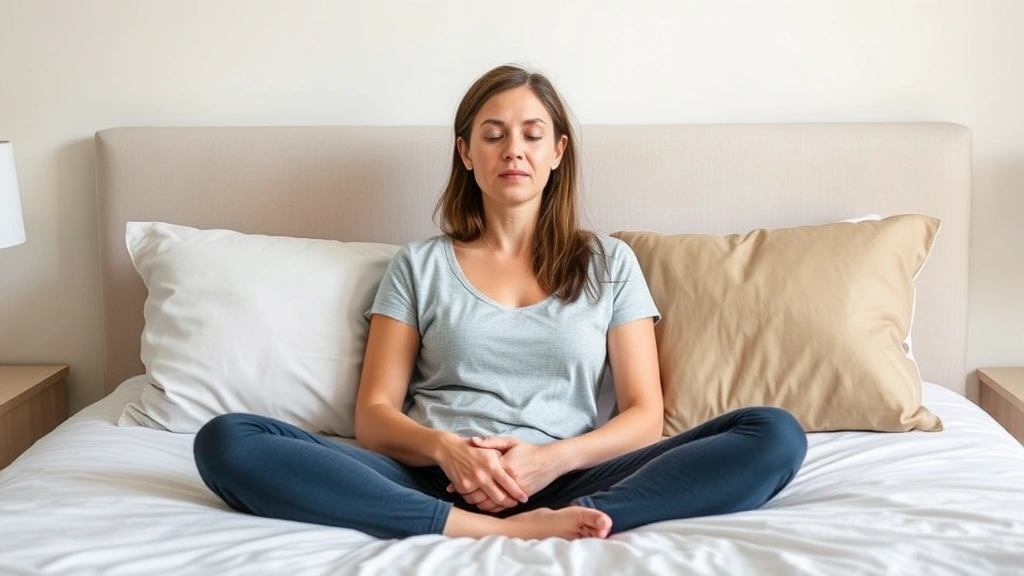
The semi-reclined position, propped up on pillows or against a headboard, combines benefits of both lying and sitting positions. This angle provides good access while allowing you to observe your body’s responses. Many people find this position allows for longer, more comfortable stimulation sessions.
Experiment with different positions to find what works best for your body. Factors like leg flexibility, comfort level, and access to the areas you want to stimulate all play a role. Some positions may feel more natural or pleasurable than others. Don’t hesitate to try various angles and configurations until you find your optimal positioning.
Common Obstacles and Solutions
One of the most common obstacles is performance anxiety and the pressure to achieve squirting. Remember that not everyone squirts, and that’s completely okay. Removing the expectation and approaching exploration with curiosity rather than a specific goal often makes success more likely. Focus on pleasure and sensation rather than achieving a particular outcome.
Difficulty locating the G-spot is another frequent challenge. Keep in mind that the G-spot’s location and sensitivity vary significantly between individuals. Some women may need to explore extensively to find it, while others may find it responds better at certain points in their cycle. Be patient with yourself and view exploration as a learning process rather than a task to complete.
Pelvic tension and difficulty relaxing can inhibit squirting. If you find yourself tensing up, pause and use relaxation techniques. Deep breathing, progressive muscle relaxation, and meditation can help calm your nervous system. Some people benefit from creating a calming routine before intimate exploration to establish a relaxed mental state.
Insufficient arousal is another common issue. If you’re not becoming sufficiently aroused, spend more time on foreplay and activities that feel pleasurable. Engage your mind through fantasy or erotic content. Allow yourself adequate time for arousal to build naturally. Rushing the process typically decreases the likelihood of success.
Some people experience bladder sensitivity that makes them uncomfortable with the sensation of fullness associated with squirting. This can be addressed by using the bathroom beforehand and practicing relaxation techniques. The sensation of needing to urinate during G-spot stimulation is normal and doesn’t mean you’ll actually urinate if you’re relaxed.
Safety Considerations
Safety should always be a priority when exploring your sexuality. If using any toys or objects for internal stimulation, ensure they’re body-safe, made from non-porous materials like silicone or glass, and properly cleaned before and after use. Wash your hands thoroughly before touching your genitals, and keep your fingernails trimmed and smooth to avoid internal irritation or injury.
Be aware of your body’s signals and stop immediately if you experience pain. Discomfort is your body’s way of communicating that something isn’t right. Pleasure should never involve pain. If you experience persistent pain or unusual symptoms, consult a healthcare provider to rule out any underlying conditions.
Maintain good hygiene practices throughout your exploration. Change positions if you feel discomfort, and listen to your body’s cues about what feels good and what doesn’t. If you’re using lubricant, choose a high-quality option that’s compatible with your body and any toys you might use. Water-based lubricants are generally safe and work well with most materials.
Be mindful of the duration of your sessions. Extended stimulation can sometimes lead to irritation or discomfort. If you’ve been exploring for an extended period without success, it’s perfectly fine to stop and try again another time. Your body may respond better on different days depending on your cycle, stress levels, and overall health.
If you’re exploring with a partner, clear communication is essential. Discuss boundaries, comfort levels, and what you’d like to try. A supportive partner who respects your pace and preferences significantly enhances the experience. Many couples find that open communication about sexual exploration strengthens their relationship.
FAQ
Is squirting the same as female orgasm?
No, squirting and orgasm are not the same thing, though they can occur together. Some people experience squirting without orgasm, while others experience orgasm without squirting. They involve different physiological responses and can happen independently of each other.
Is it normal if I don’t squirt?
Yes, absolutely. Not all women squirt, and that’s completely normal. Sexual satisfaction and pleasure don’t depend on whether you squirt. Every body is different, and individual variation in sexual response is natural and healthy.
How long does it typically take to achieve squirting?
There’s no standard timeline. For some people, it may happen relatively quickly once they learn their body’s responses. For others, it may take weeks or months of exploration. Some people may never experience it, and that’s also normal. Patience and consistent exploration are key.
Can I squirt during partnered sex?
Yes, many people can squirt during partnered sexual activity. Communication with your partner about what techniques feel good and what you’d like to try is essential. Your partner’s willingness to learn your body’s responses and adapt their approach increases the likelihood of success.
Is the fluid released during squirting urine?
Research suggests that while the fluid may contain some fluid from the bladder, it’s primarily produced by the Skene’s glands. The fluid is different in composition from urine and is a natural part of sexual response. This is not incontinence and is a normal physiological response.
What should I do if I’m not having success?
First, remove the pressure and expectation. Approach exploration with curiosity rather than a goal. Ensure you’re adequately aroused before attempting stimulation techniques. Consider consulting with a sex therapist or healthcare provider if you have concerns about your sexual response. Remember that success isn’t guaranteed, and that’s okay.
Are there toys that can help with squirting?
Yes, certain toys are specifically designed to stimulate the G-spot. Look for toys with a curved shape, firm construction, and adequate length to reach the G-spot. Dual-stimulation toys that target both the G-spot and clitoris simultaneously can be particularly helpful. Ensure any toy you use is made from body-safe materials and is properly cleaned.
Does hydration affect squirting ability?
Yes, hydration plays a role in fluid production. Being well-hydrated supports overall bodily functions and may increase the amount of fluid produced. However, excessive hydration immediately before exploration can create uncomfortable fullness. Maintain normal hydration levels throughout the day for best results.

Related Posts

Superscript in Google Docs: Expert Tips

Strikethrough in Excel: Easy Steps for Beginners
