
How to Make Villagers Breed? Expert Tips
How to Make Villagers Breed: Expert Tips for Minecraft Success
Villager breeding is one of the most valuable mechanics in Minecraft, allowing you to create custom trading hubs, expand your community, and ensure a steady supply of rare items and enchantments. Whether you’re building your first village or optimizing an existing one, understanding the breeding mechanics is essential for long-term gameplay success. This comprehensive guide will walk you through every aspect of villager reproduction, from basic requirements to advanced breeding farm designs.
Successful villager breeding requires more than just placing two villagers in a room together. You’ll need to understand their happiness mechanics, provide adequate housing, maintain proper food supplies, and create the right environmental conditions. With the right setup, you can breed villagers efficiently and create thriving communities that supply everything from emeralds to rare enchanted books.
Understanding Villager Breeding Mechanics
Villager breeding in Minecraft operates on a happiness and housing system. When two villagers are in love mode, indicated by red heart particles floating above their heads, they will seek each other out and produce a baby villager. The baby inherits a profession based on available job site blocks nearby, making this system incredibly flexible for creating specialized trading communities.
The breeding mechanics changed significantly in version 1.14, introducing the concept of “willingness.” Villagers must be willing to breed, which happens when they have consumed enough food. Each villager has an internal counter that tracks their willingness level, and this counter increases when they eat bread, carrots, potatoes, or beetroot. Understanding this system is crucial because many players fail at breeding simply because their villagers aren’t willing.
Baby villagers take approximately 20 minutes to mature into adults. During this time, they cannot breed and will wander around aimlessly. Once they mature, they’ll seek out an available job site block and claim it as their profession. This allows you to control what trades your villagers offer by strategically placing different job site blocks throughout your village.
Essential Requirements for Breeding
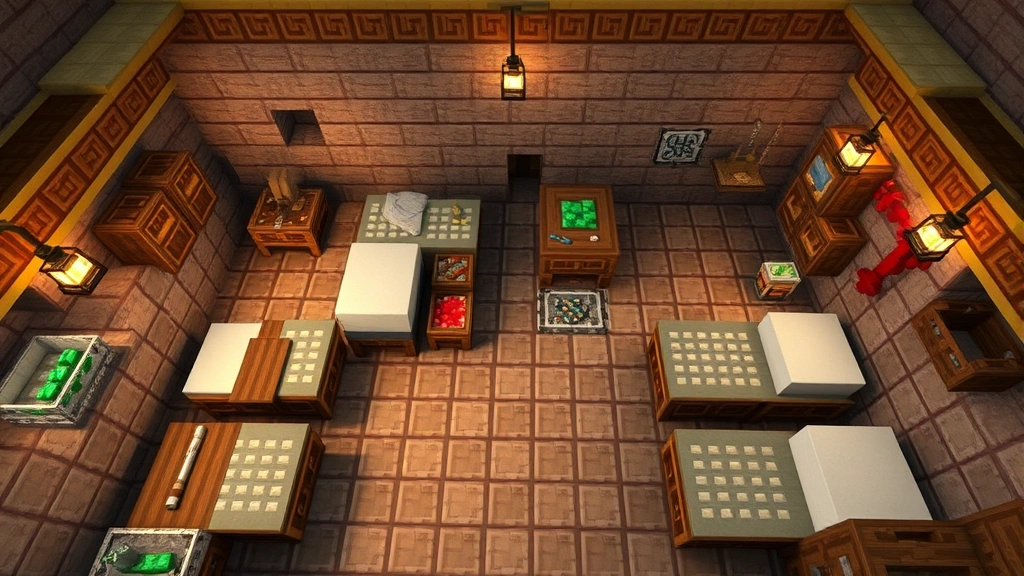
Before attempting to breed villagers, you must meet several fundamental requirements. First, you need at least two adult villagers in close proximity to each other. These villagers must be willing to breed, which requires them to have consumed sufficient food recently. Second, you need available beds for the baby villager that will be produced. Villagers check for bed availability before entering love mode, so insufficient housing will prevent breeding entirely.
Each baby villager requires its own bed with at least two blocks of space above it. The beds must be accessible and not occupied by other villagers. A common mistake is placing beds too close together or not providing enough vertical clearance. Additionally, the area where breeding occurs should be well-lit to prevent hostile mobs from spawning and interrupting the process. Aim for light level 8 or higher throughout your breeding area.
Villagers also need access to their job site blocks. If you want specific professions in your breeding area, place the corresponding job site blocks nearby. Librarians are particularly valuable for obtaining rare enchanted books, while clerics provide access to redstone, glowstone, and other magical items. Visit your FixWiseHub Blog for more how-to guides on Minecraft building techniques.
Key Requirements Summary:
- Minimum two adult villagers
- Willingness to breed (achieved through food consumption)
- Available beds for baby villagers
- Proper lighting (level 8 or higher)
- Job site blocks for profession selection
- Safe enclosed space away from threats
Creating the Ideal Breeding Environment
The physical space where you breed villagers significantly impacts breeding efficiency. A dedicated breeding chamber should be at least 9×9 blocks to provide adequate space for villagers to move around and find each other. Walls should be solid to prevent mobs from entering, and the floor should be solid blocks rather than slabs or stairs, which can cause pathfinding issues.
Lighting is absolutely critical. Use torches, lanterns, or glow berries to maintain a light level of at least 8 throughout the entire breeding area. Dark areas will spawn hostile mobs that can kill your villagers or disrupt the breeding process. Many advanced breeders use soul lanterns or other aesthetic lighting while maintaining proper light levels. Consider installing This Old House lighting guides principles adapted for Minecraft spaces.
The breeding chamber should be isolated from your main base to prevent baby villagers from wandering off and getting lost. However, it shouldn’t be so isolated that you can’t easily access it for maintenance. Design your chamber with an entrance that you can seal off with doors or gates. Some builders create observation windows using glass blocks so they can monitor breeding progress without entering the chamber.
Flooring material matters more than most players realize. Use solid blocks like dirt, grass, or stone. Avoid using slabs or carpet, as villagers sometimes have difficulty navigating these blocks. The simplest design is a flat, well-lit room with beds against the walls and job site blocks placed strategically. This minimalist approach often outperforms complex designs because it reduces pathfinding confusion.
Food and Resource Management
Feeding your villagers is the foundation of successful breeding. The four foods that increase villager willingness are bread, carrots, potatoes, and beetroot. Bread is the most efficient option because it can be crafted from wheat at a 3:1 ratio, meaning you get more food value per crop harvested. A single piece of bread increases willingness by 4 points, while carrots, potatoes, and beetroot each increase it by only 1 point.
You need to provide food to your villagers before they’ll enter love mode. The exact amount varies, but generally, each villager needs to consume at least 3-4 pieces of bread to become willing. Some sources recommend providing 20-30 pieces of bread per villager to ensure reliable breeding. The most efficient approach is to use an automatic farm that drops food items directly into the breeding chamber.
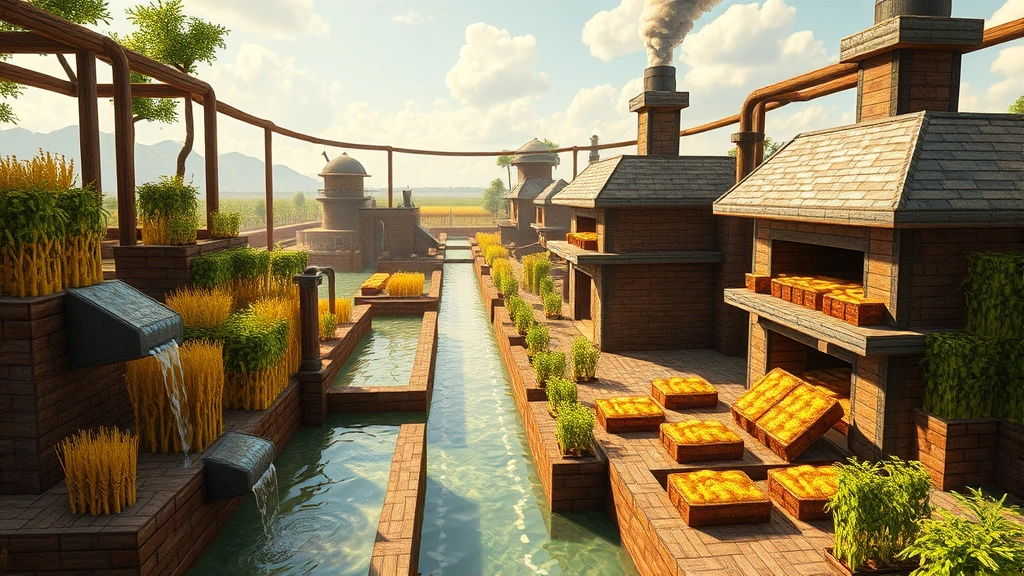
Setting up a food production system is essential for large-scale breeding. A simple wheat farm with a water channel and hopper system can supply unlimited bread. Plant wheat in rows with water channels running through them for easy harvesting. Use a hopper to collect drops and feed them into a furnace with a hopper on top to automatically smelt the wheat into bread. This system requires minimal maintenance while providing consistent food supplies.
For larger operations, consider creating separate production areas for different foods. Carrot and potato farms are easier to set up than wheat farms because you can simply plant them and harvest them without needing to replant seeds. However, wheat farms produce more food overall. The best approach is combining multiple food sources to ensure you always have enough supply for your breeding program.
Building an Efficient Breeding Farm
An efficient breeding farm automates much of the process, allowing you to breed villagers with minimal effort. The basic design includes a breeding chamber where villagers eat and reproduce, a collection area where baby villagers are sorted, and a maturation chamber where babies grow into adults. Each section serves a specific purpose in the breeding pipeline.
The breeding chamber is where the magic happens. Place two adult villagers in a well-lit, enclosed space with beds and a food source. Using hoppers connected to a dispenser, you can automatically supply food without manually throwing items. When villagers breed, the baby appears near the parents. Many designs use water channels to push babies toward a collection point where they can be sorted by profession.
Baby villagers can be separated from adults using various methods. One effective technique involves creating a small room accessible only to babies. Place a 1.5-block-high doorway—tall enough for babies to pass through but not adults. Babies will wander through this opening while adults remain in the breeding chamber. This separation allows you to manage populations more effectively and prevents overcrowding.
The maturation chamber houses baby villagers while they grow. This area should have job site blocks corresponding to the professions you want. Place multiple of each block type so babies can claim different professions. After 20 minutes, babies mature and claim nearby job site blocks. Once matured, you can move them to your main trading hub or use them for further breeding.
Basic Breeding Farm Layout:
- Breeding chamber: 9×9 area with beds, food source, and job site blocks
- Collection point: Water channel directing babies away from adults
- Separation mechanism: 1.5-block doorway or similar barrier
- Maturation area: Enclosed space with job site blocks and beds
- Trading hub: Final destination for mature, profession-assigned villagers
Troubleshooting Common Breeding Issues
Many players encounter problems when attempting to breed villagers. The most common issue is villagers not entering love mode despite having food available. This usually indicates that either the villagers aren’t willing (insufficient food consumption), there aren’t enough beds, or the beds are inaccessible. Double-check that each baby villager will have its own available bed before attempting breeding.
Another frequent problem is villagers refusing to breed even after meeting all apparent requirements. Sometimes this happens because the beds are on different levels or behind obstacles that make them difficult for villagers to access. Ensure beds are on the same level as your villagers and have at least two blocks of clearance above them. Remove any fences, gates, or obstacles that might impede pathfinding.
If babies aren’t spawning despite villagers being in love mode, you likely have insufficient bed capacity. Remember that each baby requires its own bed, and that bed must be registered as available by the game. Place more beds than you think you need—typically 1.5 times the number of adult villagers. This ensures that if babies spawn, there will always be a bed available.
Villagers sometimes refuse to eat food even when it’s directly in front of them. This can happen if they’re pathfinding toward other areas or if the food is falling in a location they can’t easily access. Try placing food on the ground in a central location rather than dispensing it from hoppers. Manual feeding often works better when troubleshooting breeding issues.
Population limits can also prevent breeding. Each chunk can only support a limited number of villagers. If you’re reaching the population cap, no new babies will spawn. Move excess villagers to different chunks or areas to make room for new babies. This is especially important in large breeding operations.
Advanced Breeding Strategies
Once you’ve mastered basic breeding, you can implement advanced strategies to maximize efficiency. One powerful technique involves creating separate breeding lines for different professions. By controlling which job site blocks are available in each breeding area, you can produce villagers with specific trades. This allows you to build specialized trading hubs where each villager offers exactly what you need.
Librarians are the most valuable profession because they offer enchanted books. Create a dedicated librarian breeding area and place lecterns (librarian job site blocks) throughout the space. As baby librarians mature, they’ll claim lecterns and develop random trades. You can then rotate through librarians, checking their trades until you find ones offering mending, silk touch, or other rare enchantments. Once found, move them to your main trading hub.
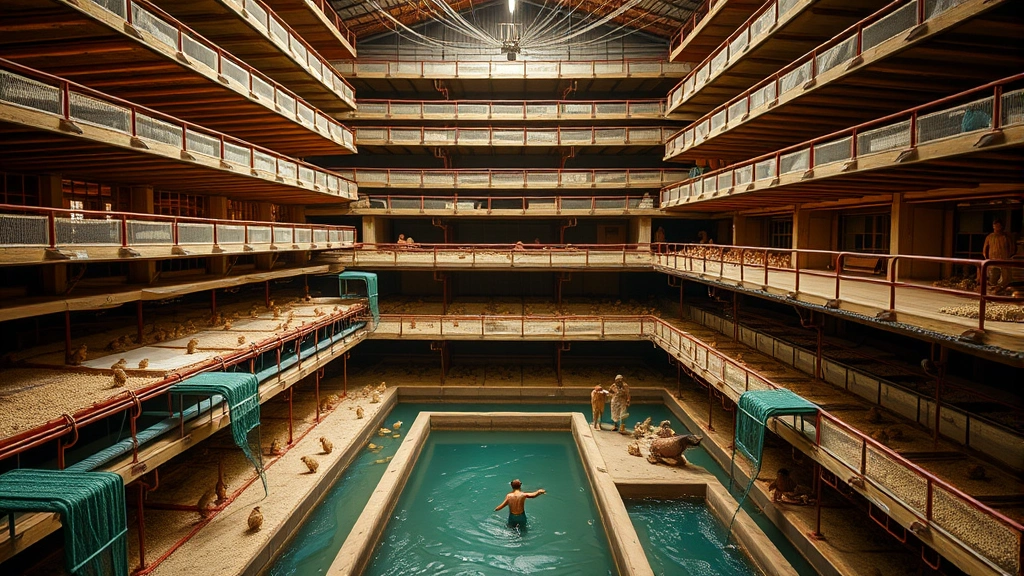
Another advanced strategy involves creating multi-level breeding farms that operate simultaneously. By stacking breeding chambers vertically and connecting them with water channels, you can breed dozens of villagers in the space that would normally accommodate only a few. This requires more complex redstone but dramatically increases production capacity.
Some players implement selective breeding by removing villagers with unwanted trades. This artificial selection gradually improves the overall quality of your trading hub. While it requires more management, it ensures you’re always working with the best possible villagers. Document which trades each villager offers so you can make informed decisions about which ones to keep.
For maximum efficiency, integrate your breeding farm with an automatic trading system. Use hoppers and dispensers to automatically trade with villagers, purchasing items they have in abundance and selling them items you want to farm. This creates a self-sustaining economy where your villagers generate resources automatically. Consider consulting Family Handyman’s automation guides for inspiration on system design principles.
Creating a dedicated mob farm nearby your breeding area provides an additional benefit. Villagers will trade rotten flesh for emeralds, allowing you to convert mob drops into currency. This creates a closed-loop economy where mob farming directly supports your breeding operation and trading hub. The more you integrate these systems, the more self-sufficient your village becomes.
FAQ
How long does it take for villagers to breed?
After entering love mode, villagers will produce a baby within a few seconds. The baby villager then takes approximately 20 minutes to mature into an adult. During this time, they cannot breed or claim job site blocks. Once matured, they’re ready to breed again or claim a profession.
What’s the best food to use for breeding villagers?
Bread is the most efficient food because it increases willingness by 4 points per piece, compared to 1 point for carrots, potatoes, and beetroot. However, any of these four foods will work for breeding. A combination of multiple food types ensures you always have a reliable supply.
Can villagers breed without beds?
No. Villagers must have access to available beds before entering love mode. Without sufficient beds, breeding will not occur. Each baby villager requires its own bed, so you need at least as many beds as you have adult villagers plus anticipated babies.
Why won’t my villagers breed despite having food and beds?
This usually indicates insufficient willingness. Villagers need to consume a significant amount of food before becoming willing to breed. Try providing 20-30 pieces of bread per villager. Additionally, check that beds are accessible and on the same level as your villagers. Beds on different heights or behind obstacles won’t register as available.
How many villagers do I need to breed?
You need at least two adult villagers to start breeding. However, creating a larger initial population of 4-6 villagers allows for faster breeding and provides backup in case villagers die. More villagers also means more job site blocks and more diverse trades available in your trading hub.
Can I breed villagers from different biomes?
Yes. Villager profession is determined by job site blocks, not biome origin. A plains villager and a desert villager can breed together without issues. The resulting baby will inherit a profession based on available job site blocks, regardless of parent biomes.
What happens if I don’t have enough beds for all the babies?
If there aren’t enough beds for new babies, the breeding will fail. Villagers will not enter love mode if they detect insufficient bed availability. Always ensure you have at least as many beds as you anticipate needing for your breeding program.
How do I make librarians with specific enchanted books?
Place lecterns (librarian job site blocks) throughout your breeding area. As baby librarians mature, they’ll claim lecterns and develop random trades. Check each librarian’s trades and keep those offering the enchantments you want. Move unwanted librarians elsewhere or remove them to make room for new breeding attempts.

Related Posts

Superscript in Google Docs: Expert Tips

Strikethrough in Excel: Easy Steps for Beginners
