

Master the Art of Making Powdered Sugar at Home
Have you ever found yourself in the middle of baking a delicious cake or preparing frosting, only to discover you’re out of powdered sugar? This common kitchen dilemma doesn’t have to derail your culinary plans. Learning how to make powdered sugar at home is not only a valuable skill but also incredibly simple and cost-effective.
Powdered sugar, also known as confectioner’s sugar or icing sugar, is nothing more than granulated sugar that has been ground into an ultra-fine powder and mixed with a small amount of cornstarch to prevent clumping. With just a few basic kitchen tools and regular granulated sugar, you can create this essential baking ingredient in minutes, ensuring your recipes turn out perfectly every time.
What is Powdered Sugar
Powdered sugar is essentially granulated sugar that has been processed into an extremely fine powder. Commercial powdered sugar typically contains about 3% cornstarch, which serves as an anti-caking agent to prevent the fine particles from clumping together. This addition helps maintain the sugar’s smooth, flowing texture and extends its shelf life.
The fineness of powdered sugar makes it ideal for applications where regular granulated sugar would be too coarse or gritty. Its ability to dissolve quickly and completely makes it perfect for icings, frostings, and glazes. According to the FDA, cornstarch is recognized as safe for food use and is commonly used in many commercial food products.
Understanding the composition of powdered sugar helps explain why homemade versions work so well. When you grind granulated sugar at home, you’re essentially replicating the industrial process on a smaller scale. The key difference is that you have complete control over the fineness and can adjust the texture to suit your specific needs.
Equipment You’ll Need
Creating powdered sugar at home requires minimal equipment, and chances are you already have everything necessary in your kitchen. The most important tool is a high-powered blender or food processor. A coffee grinder dedicated to spices can also work excellently for smaller batches.
Here’s what you’ll need:
- High-powered blender, food processor, or spice grinder
- Granulated white sugar
- Cornstarch (optional but recommended)
- Fine-mesh sieve or sifter
- Airtight storage container
- Measuring cups and spoons
The quality of your equipment will significantly impact the final result. A powerful blender with sharp blades will produce finer, more consistent powder than a weaker machine. If you’re using a food processor, ensure the blade is sharp and the bowl is completely clean and dry before starting.
Step-by-Step Guide to Making Powdered Sugar
Making powdered sugar at home is remarkably straightforward. The process involves grinding granulated sugar until it reaches the desired fineness, then optionally adding cornstarch for improved texture and storage properties.
Basic Method
Start with one cup of granulated white sugar. Pour it into your blender or food processor, ensuring the container is completely clean and dry. Any moisture can cause the sugar to clump or stick to the sides of the container.
Process the sugar on high speed for 1-3 minutes, depending on your equipment’s power. Stop occasionally to scrape down the sides and check the consistency. The sugar should transform from coarse granules to an ultra-fine powder that resembles commercial powdered sugar.
Enhanced Method with Cornstarch
For results that closely mimic store-bought powdered sugar, add one tablespoon of cornstarch per cup of granulated sugar. Add the cornstarch after the sugar has been ground to prevent it from coating the container walls and interfering with the grinding process.
Pulse the mixture a few times to distribute the cornstarch evenly. This addition will help prevent clumping and improve the powder’s flow characteristics, making it easier to work with in recipes.
Sifting for Smoothness
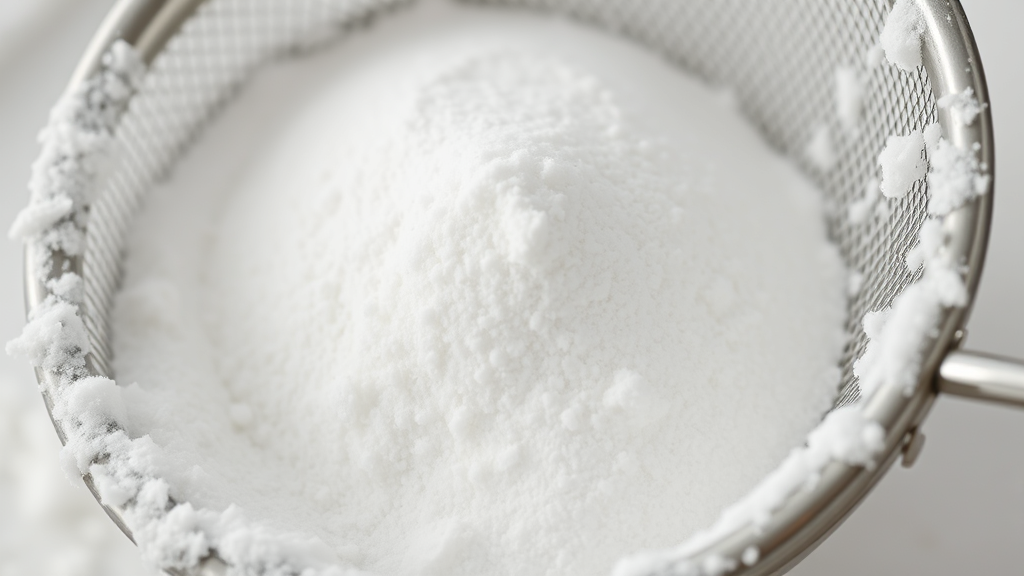
After grinding, sift the powdered sugar through a fine-mesh sieve to remove any remaining larger particles and ensure uniform consistency. This step is particularly important if your equipment isn’t powerful enough to achieve an ultra-fine grind initially.
Similar to how precision matters when learning how long to boil chicken breast, timing and technique are crucial for achieving the perfect powdered sugar consistency.
Tips for Perfect Results
Achieving professional-quality powdered sugar at home requires attention to several key factors. Temperature plays a crucial role in the process. Cold sugar grinds more effectively than warm sugar, so consider refrigerating your granulated sugar for 30 minutes before grinding, especially in hot weather.
The moisture content in your kitchen can significantly affect the outcome. High humidity can cause the sugar to clump during grinding or storage. If you live in a humid climate, consider adding a bit more cornstarch or storing your finished product with a small packet of food-safe desiccant.
Batch size matters when grinding sugar. Smaller batches typically yield better results because they allow for more even grinding and better heat dissipation. If you need large quantities, work in multiple small batches rather than overloading your equipment.
Equipment maintenance is also important. Ensure your blender or food processor blades are sharp, as dull blades will struggle to achieve the fine consistency needed. Clean your equipment thoroughly between uses to prevent any flavor transfer or contamination.
Storage and Shelf Life
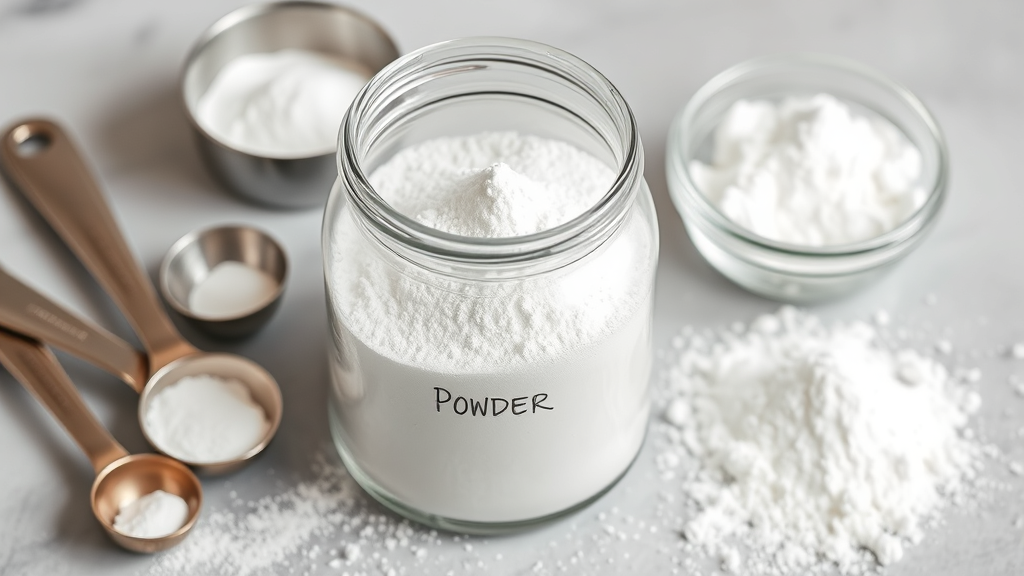
Proper storage is essential for maintaining the quality and usability of homemade powdered sugar. Store your finished product in an airtight container in a cool, dry place. Glass jars, plastic containers with tight-fitting lids, or vacuum-sealed bags all work well.
Homemade powdered sugar can last indefinitely when stored properly, similar to regular granulated sugar. However, the cornstarch component may cause slight changes in texture over extended periods. For best results, use homemade powdered sugar within six months of preparation.
Avoid storing powdered sugar in areas prone to temperature fluctuations or high humidity, such as above the stove or near the dishwasher. These conditions can cause clumping and make the sugar difficult to use.
If your stored powdered sugar develops clumps, simply sift it again before use. A few pulses in a food processor can also help break up any stubborn clumps that may have formed during storage.
Troubleshooting Common Issues
Even with careful preparation, you might encounter some challenges when making powdered sugar at home. Understanding common issues and their solutions will help you achieve consistent results every time.
Sugar Not Getting Fine Enough
If your sugar remains too coarse after grinding, your equipment may lack sufficient power, or you may need to process it longer. Try grinding in smaller batches or letting your machine rest between intervals to prevent overheating. Some lower-powered blenders require multiple processing cycles to achieve the desired fineness.
Clumping During Grinding
Clumping usually occurs due to moisture in the air or on your equipment. Ensure everything is completely dry before starting. If clumping occurs during grinding, stop and break up the clumps manually, then continue processing. Adding a small amount of cornstarch can help prevent this issue.
Overheating Equipment
Extended grinding can cause your blender or food processor to overheat. If this happens, turn off the machine and let it cool completely before continuing. Working in shorter intervals with rest periods can prevent overheating and extend your equipment’s life.
Just as timing is crucial when learning techniques like how long to steam broccoli, patience and proper timing are essential for successful powdered sugar preparation.
Uses and Applications
Homemade powdered sugar works identically to store-bought versions in virtually all applications. It’s perfect for making buttercream frosting, royal icing, and glazes for donuts and pastries. The fine texture dissolves quickly and completely, creating smooth, professional-looking finishes.
Beyond traditional baking applications, powdered sugar is excellent for dusting finished desserts, creating decorative patterns on cakes, and sweetening whipped cream. When making how to make heavy cream into whipped cream, powdered sugar dissolves more readily than granulated sugar, preventing grittiness.
Powdered sugar is also essential for making fondant, marzipan, and other sugar-based confections. Its fine texture allows these mixtures to achieve the smooth, pliable consistency required for cake decorating and candy making.
According to Iowa State University Extension, the different forms of sugar each serve specific purposes in baking, with powdered sugar being particularly valuable for its quick dissolution and smooth texture properties.
For creative applications, try flavoring your homemade powdered sugar with vanilla powder, freeze-dried fruit powders, or other flavorings. This customization is impossible with store-bought versions and can add unique touches to your baking projects.
Frequently Asked Questions
Can I make powdered sugar without cornstarch?
Yes, you can absolutely make powdered sugar without cornstarch. The cornstarch serves as an anti-caking agent and helps prevent clumping, but it’s not essential for the basic function. Pure powdered sugar works perfectly in most recipes, though it may clump more easily during storage. If you choose to omit cornstarch, use your homemade powdered sugar more quickly and store it in very dry conditions.
How much powdered sugar does one cup of granulated sugar make?
One cup of granulated sugar typically yields approximately 1 and 3/4 cups of powdered sugar. This increase in volume occurs because the grinding process incorporates air between the fine particles, making the sugar less dense. The exact yield may vary slightly depending on how finely you grind the sugar and whether you add cornstarch.
Can I use brown sugar to make powdered sugar?
While it’s technically possible to grind brown sugar into a powder, the results won’t be the same as traditional powdered sugar. Brown sugar contains molasses, which adds moisture and can cause clumping issues during grinding and storage. The resulting powder will have a different flavor profile and may not work well in recipes specifically calling for powdered sugar. For best results, stick with granulated white sugar.
Why does my homemade powdered sugar taste different from store-bought?
Homemade powdered sugar may taste slightly different due to the absence or reduced amount of cornstarch compared to commercial versions. Some people notice a purer, more intense sweetness in homemade versions. The difference is usually subtle and doesn’t affect most recipes. If you prefer the exact taste of store-bought powdered sugar, ensure you add the recommended amount of cornstarch (about 1 tablespoon per cup of sugar).
How long should I blend the sugar?
The blending time depends on your equipment’s power and the desired fineness. Most high-powered blenders require 1-3 minutes of continuous blending. Less powerful equipment may need 5-10 minutes with breaks to prevent overheating. Stop periodically to check the consistency and scrape down the sides. The sugar is ready when it resembles the texture of commercial powdered sugar and feels smooth when rubbed between your fingers.
Can I double or triple the recipe?
While you can make larger batches, it’s generally better to work in smaller quantities for more consistent results. Most home blenders and food processors work most effectively with 1-2 cups of sugar at a time. If you need large quantities, process multiple small batches rather than overloading your equipment. This approach ensures even grinding and prevents overheating your machine.
Is homemade powdered sugar safe for people with corn allergies?
If you omit the cornstarch, homemade powdered sugar is safe for people with corn allergies. Many commercial powdered sugars contain cornstarch, making homemade versions an excellent alternative for those with corn sensitivities. Always check that your granulated sugar doesn’t contain any corn-derived anti-caking agents, though this is rare in pure granulated sugar. When in doubt, consult with healthcare providers about specific dietary restrictions, just as you would when determining how to tell if eggs are bad for food safety purposes.

Related Posts

How Long to Boil Lobster Tails: Cooking Guide

How Long to Fly from New York to London? Travel Times
