
How to Make Mozzarella Sticks: Step-by-Step Guide
How to Make Mozzarella Sticks: Step-by-Step Guide
There’s something undeniably satisfying about biting into a perfectly fried mozzarella stick—that crispy, golden exterior giving way to a molten cheese center that stretches just right. Whether you’re hosting a game day gathering, preparing appetizers for a dinner party, or simply craving a nostalgic snack, homemade mozzarella sticks beat the frozen supermarket variety by a mile. The good news? Making them from scratch is easier than you’d think, and you likely have most of the ingredients already in your kitchen.
The beauty of crafting mozzarella sticks at home lies in the control you have over every element. You choose the quality of the cheese, the crispness of the breading, and the cooking method that works best for your kitchen setup. Plus, there’s a certain pride that comes with serving something you’ve made yourself—especially when your guests are dipping them in marinara sauce and asking for your secret recipe.
This comprehensive guide walks you through everything you need to know, from ingredient selection to frying techniques, ensuring your homemade mozzarella sticks rival any restaurant or takeout version.
What You’ll Need: Ingredients and Equipment
Before you dive into the process, let’s gather everything you’ll need. The ingredient list is refreshingly simple, which is part of what makes this project so approachable. You’ll need whole milk mozzarella cheese (avoid pre-shredded varieties), bread crumbs, eggs, and seasonings. The exact measurements depend on how many mozzarella sticks you’re planning to make, but as a general rule, one pound of mozzarella cheese yields approximately 16-20 sticks.
For the breading components, you’ll want panko bread crumbs for that extra crunch, though regular bread crumbs work fine in a pinch. When preparing your coating, creating a proper egg wash is essential for adhesion. This simple mixture of beaten eggs and a splash of water acts as the glue between your cheese and breading.
On the equipment side, you’ll need a sharp knife for cutting, a cutting board, three shallow bowls for your breading station, a slotted spoon or spider strainer for frying, and either a deep-fry thermometer or instant-read thermometer to monitor oil temperature. A baking sheet lined with parchment paper serves as your staging area, and you’ll want paper towels nearby for draining excess oil after frying.
Selecting the Right Mozzarella
The foundation of exceptional mozzarella sticks starts with selecting quality cheese. Fresh mozzarella—the kind you find near the ricotta and goat cheese—is your best bet. Look for whole milk varieties, as they have a higher fat content that creates that luxurious melting quality you’re after. Some specialty grocery stores carry buffalo mozzarella, which produces an even creamier result, though it’s pricier.
Avoid low-fat mozzarella and definitely skip the pre-shredded varieties packed with anti-caking agents. These alternatives won’t melt properly and will produce disappointing results. A one-pound ball of fresh mozzarella typically costs between $4-8, depending on your location and the quality level. When you get home, pat the mozzarella dry with paper towels—excess moisture is the enemy of a crispy coating.
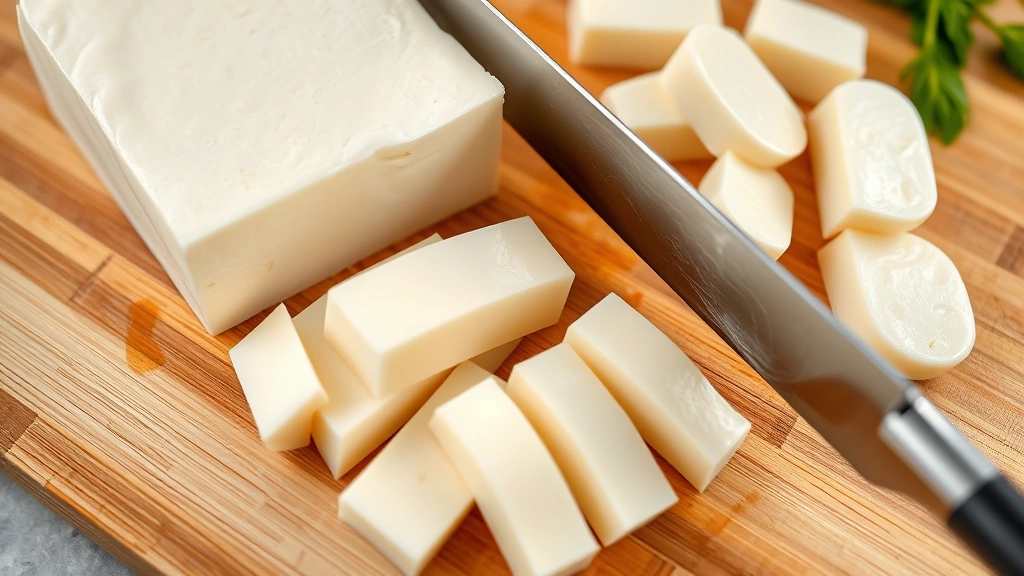
The cheese should be cold but not rock-hard when you cut it. If it’s been sitting in your refrigerator for a while and has hardened significantly, let it sit at room temperature for 10-15 minutes before slicing. This makes cutting cleaner, straighter sticks without the cheese crumbling or tearing.
Preparing Your Breading Station
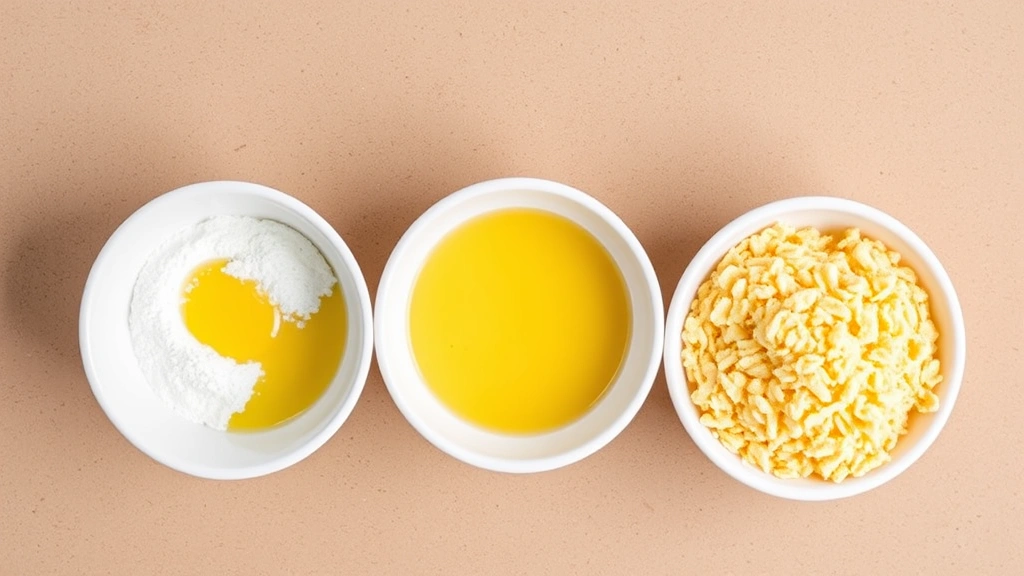
A well-organized breading station is the difference between a smooth process and a messy, frustrating experience. Set up three shallow bowls in a row. The first bowl gets your flour—you can use all-purpose flour or self-rising flour if you prefer extra lift and crispness. Add a teaspoon of salt and half a teaspoon of black pepper to this flour mixture.
The second bowl contains your egg wash. Crack two or three eggs into the bowl, add a tablespoon of water, and whisk until well combined. This mixture needs to be smooth and uniform for even coating.
The third bowl holds your bread crumbs. Panko bread crumbs are ideal because they’re larger and create an airier, crunchier crust. You can enhance the flavor by mixing in garlic powder, Italian seasoning, dried oregano, and a pinch of cayenne pepper if you like a slight heat. Some home cooks even add finely grated Parmesan cheese to the bread crumbs for extra flavor dimension.
Arrange these three bowls from left to right along your work surface, with a clean plate at the end for your breaded mozzarella sticks. Having everything positioned before you start prevents scrambling mid-process and keeps your workspace organized.
The Freezing Process: Your Secret Weapon
Here’s where patience becomes your greatest ally. Freezing is the critical step that prevents your mozzarella from leaking out during cooking. Cut your mozzarella into sticks approximately 3-4 inches long and half an inch thick. Don’t worry about perfection—slight variations add to the homemade charm. Place these sticks on a parchment-lined baking sheet and freeze for at least 4 hours, though overnight is even better.
This extended freezing period is non-negotiable. A few hours in the freezer isn’t sufficient; you need the cheese to be thoroughly frozen solid. When the mozzarella is completely frozen, it won’t leak out when you fry it, ensuring that perfect contrast between the crispy exterior and creamy interior.
Once frozen, you can transfer the mozzarella sticks to a freezer bag for storage, but keep them frozen until you’re ready to bread and cook them. Some advanced home cooks employ a double-breading technique: they coat the frozen sticks once, freeze them again for 30 minutes, then apply a second layer of breading. This extra step creates an even thicker, crunchier crust, though it’s optional.
Coating Your Mozzarella Sticks
Now comes the fun part—transforming your frozen mozzarella into breaded masterpieces. Work quickly so the mozzarella doesn’t thaw. Take one frozen mozzarella stick and roll it in the flour mixture, coating all sides lightly. This thin flour layer helps the egg wash adhere properly.
Next, dip the floured stick into your egg wash, ensuring complete coverage. Let any excess drip off for a moment, then roll it in the bread crumb mixture, pressing gently so the crumbs adhere firmly. The pressure helps create a cohesive crust that won’t fall off during frying.
For a more robust crust, repeat the egg wash and bread crumb steps a second time. This double-coating technique is what separates good homemade mozzarella sticks from truly exceptional ones. Place each breaded stick on your clean plate and work through your entire batch. If the mozzarella starts thawing—you’ll notice it becoming soft—pop everything back in the freezer for 15-20 minutes before continuing.
Many recipes call for cake flour in place of all-purpose flour for an even lighter, more delicate crust. Experiment with this substitution if you want a slightly different texture profile.
Frying vs. Baking: Which Method Works Best
The traditional approach—deep frying—produces the most authentic results. Heat oil (vegetable, canola, or peanut oil all work well) to 350°F in a heavy-bottomed pot or deep fryer. The temperature is crucial; too cool and your mozzarella sticks will absorb excess oil and become greasy; too hot and the exterior will burn before the cheese inside has a chance to warm through.
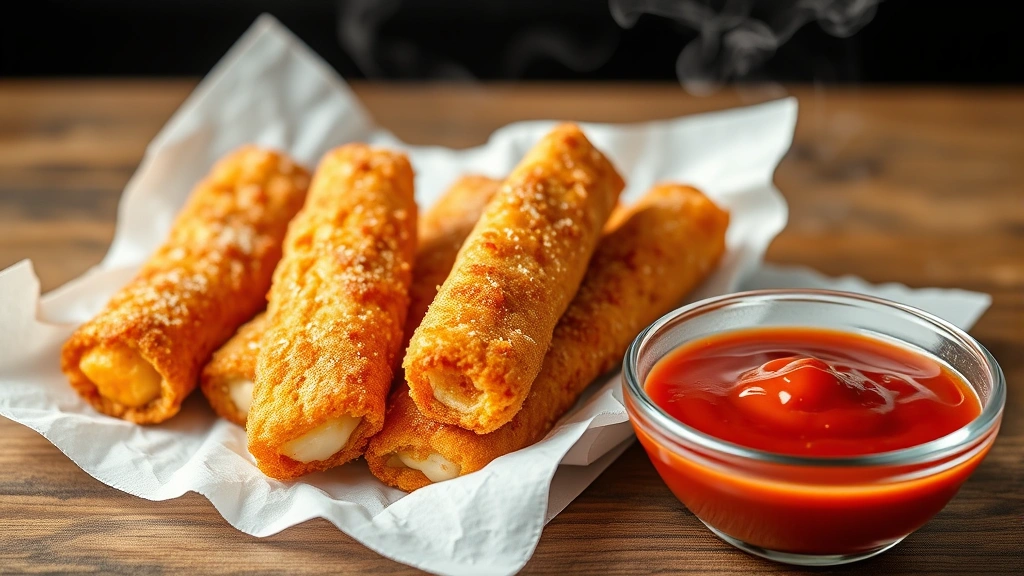
Use a slotted spoon or spider strainer to gently lower your breaded mozzarella sticks into the hot oil, working in small batches to avoid crowding the pan. Fry for 45-60 seconds per side—yes, this is quick. You’re not trying to cook the mozzarella; it’s already ready. You’re simply creating a golden, crispy shell. The moment the coating turns golden brown, remove the sticks and place them on a paper towel-lined plate to drain.
For a healthier alternative, air frying has emerged as a legitimate option. Preheat your air fryer to 380°F, lightly spray the basket with cooking spray, and arrange your breaded mozzarella sticks in a single layer. Air fry for 6-8 minutes, shaking the basket halfway through. The result is slightly less crispy than deep-fried versions but still quite satisfactory, with a fraction of the oil.
Baking is another option, though it produces different results. Place your breaded sticks on a greased baking sheet and bake at 400°F for 8-10 minutes. The exterior won’t achieve that signature crunch of fried mozzarella sticks, but it’s a lighter option that still delivers decent flavor. For best results with baking, lightly spray the sticks with cooking spray before baking to encourage browning.
For reference on other cooking techniques and precision, check out this guide on how to grill burgers which demonstrates temperature control principles applicable to many cooking methods.
Achieving the Perfect Golden Exterior
The hallmark of well-made mozzarella sticks is that beautiful golden-brown coating. Several factors contribute to this ideal result. First, maintain consistent oil temperature—this is where your thermometer becomes invaluable. Fluctuating temperatures produce inconsistent results, with some sticks turning dark while others remain pale.
Second, don’t overcrowd your frying vessel. Whether using a pot or deep fryer, work in batches of 4-6 sticks at a time. Overcrowding drops the oil temperature and prevents proper browning. Each stick needs space to develop that crispy exterior.
Third, the quality of your breading mixture matters. Fresh bread crumbs produce better color and texture than stale ones. If your panko has been sitting in your pantry for months, consider purchasing a fresh box. The difference is noticeable.
For extra golden color and flavor, some cooks add a tablespoon of cornstarch to their bread crumb mixture. This creates an exceptionally crispy exterior with enhanced browning. Alternatively, mixing a small amount of nutritional yeast into your bread crumbs adds color and a subtle umami note.
Watch your mozzarella sticks closely during frying. The moment they turn golden brown—not dark brown—remove them. They’ll continue cooking slightly from residual heat even after leaving the oil. Overdoing it results in a thick, tough crust and potential cheese leakage.
Serving and Storage Tips
Fresh mozzarella sticks are best enjoyed immediately while the exterior is still crispy and the interior is maximally gooey. Have your dipping sauce ready before you start frying. Marinara sauce is the classic choice, but consider branching out to ranch dressing, garlic aioli, or even a spicy sriracha mayo for variety.
Allow your mozzarella sticks to cool for just 2-3 minutes before serving. They’ll be extremely hot inside, and biting into one immediately might result in a mouthful of molten cheese. This brief cooling period also allows the exterior to set slightly, making them less likely to burst apart when bitten.
Leftovers can be refrigerated in an airtight container for up to three days. Reheat them in a 350°F oven for 5-7 minutes or in an air fryer at 350°F for 3-4 minutes. Avoid microwaving, which makes the exterior soggy and the cheese overly hot. The oven or air fryer restores some of the original crispness.
Uncooked, breaded mozzarella sticks freeze beautifully for up to two months. Store them in a freezer bag with parchment paper between layers to prevent sticking. When ready to cook, you don’t need to thaw them—simply increase frying time to 90 seconds per side or extend air fryer time to 10-12 minutes.
For a complete appetizer spread, pair your mozzarella sticks with complementary items. If you’re making a breakfast version, serve them alongside French press coffee for an interesting brunch experience. For afternoon snacking, complement them with almond milk for a lighter beverage option.
Frequently Asked Questions
Can I use string cheese instead of fresh mozzarella?
String cheese is primarily low-moisture mozzarella with additives that prevent it from melting properly. While technically possible, the results are disappointing. Fresh mozzarella produces superior flavor and that desirable stretchy melting quality. Stick with whole milk fresh mozzarella for best results.
Why did my mozzarella leak out during frying?
Leaking mozzarella typically indicates insufficient freezing time or oil temperature that’s too low. Ensure your mozzarella sticks are completely frozen solid before breading, and maintain oil temperature at exactly 350°F. If the oil is cooler, the cheese warms and leaks before the exterior crisps.
Can I make mozzarella sticks without eggs?
Eggs serve as the adhesive binding your flour and bread crumbs to the cheese. Without them, your coating will fall off during frying. If you’re vegan or egg-free, substitute with aquafaba (chickpea liquid) or a plant-based egg replacer mixed with water. The results won’t be identical, but they’re respectable alternatives.
What’s the best oil for frying mozzarella sticks?
Vegetable oil, canola oil, and peanut oil all work well. They have high smoke points (above 400°F) and neutral flavors that don’t interfere with your mozzarella sticks. Avoid olive oil, which has a lower smoke point and will impart strong flavor. For best results, use fresh oil; recycled oil can affect taste and browning.
How can I prevent the breading from falling off?
The key is proper egg wash coverage. Ensure your mozzarella stick is completely coated with egg wash before rolling in bread crumbs, and press the bread crumbs gently but firmly so they adhere. Many home cooks employ a double-breading technique: coating twice with egg wash and bread crumbs creates a much more durable crust.
Can I use seasoned bread crumbs?
Absolutely. Seasoned bread crumbs save time and add extra flavor dimension. However, watch the salt content—you don’t want to over-salt your mozzarella sticks. If using highly seasoned bread crumbs, reduce additional salt in your flour mixture.
What’s the ideal size for mozzarella sticks?
Aim for sticks about 3-4 inches long and half an inch thick. Thicker sticks are harder to cook evenly, while thinner ones cook too quickly and can leak. Consistency in size ensures even cooking across your entire batch.

Related Posts

How Long to Boil Lobster Tails: Cooking Guide

How Long to Fly from New York to London? Travel Times
