

Cinnamon Roll Icing Recipe: Easy Steps
Cinnamon Roll Icing Recipe: Easy Steps to Perfect Frosting
Cinnamon rolls are a beloved treat, but what truly elevates them from good to unforgettable is the icing. Whether you’re baking homemade rolls or doctoring up store-bought versions, mastering how to make cinnamon roll icing is essential for any baker. The right frosting should be creamy, spreadable, and packed with just enough sweetness to complement the warm spices without overwhelming the palate.
This comprehensive guide walks you through everything you need to know about creating restaurant-quality cinnamon roll icing at home. From basic cream cheese frosting to creative variations, you’ll discover multiple recipes and techniques that guarantee delicious results every single time. Whether you’re preparing breakfast for a special occasion or simply satisfying a weekend craving, these methods are foolproof and require minimal baking experience.
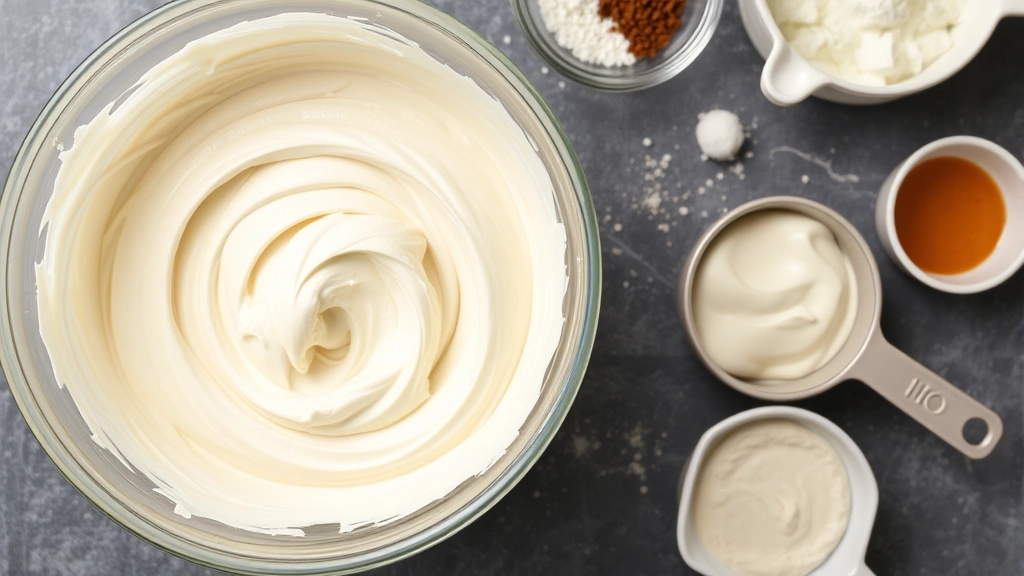
Classic Cream Cheese Icing Recipe
The most popular and reliable cinnamon roll icing recipe starts with cream cheese, butter, and powdered sugar. This combination creates a silky, luxurious frosting that adheres beautifully to warm rolls while maintaining its shape on cooler pastries. The tanginess of cream cheese perfectly balances the sweetness, creating depth of flavor that simple butter icing cannot achieve.
This classic version has been perfected over decades and appears in countless professional bakeries and home kitchens. The beauty of cream cheese frosting lies in its versatility—it works equally well on cinnamon rolls fresh from the oven or at room temperature. The texture becomes slightly firmer as it cools, making it ideal for serving throughout the day.
The basic ratio is straightforward: combine softened cream cheese with butter, gradually add powdered sugar, and finish with vanilla extract. This foundational technique serves as the basis for countless variations and modifications. Once you master this method, you can easily adjust sweetness levels, consistency, and flavoring to match your preferences.
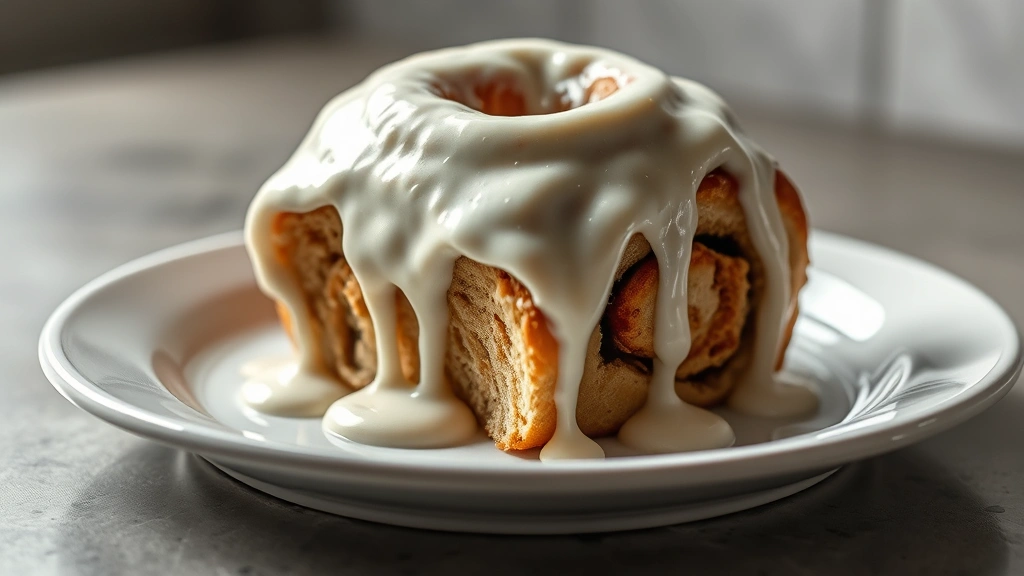
Ingredients and Equipment You’ll Need
For the Classic Cream Cheese Icing:
- 8 ounces cream cheese, softened to room temperature
- 4 tablespoons unsalted butter, softened
- 2 cups powdered sugar, sifted
- 1 teaspoon vanilla extract
- Pinch of salt
- Optional: 1/2 teaspoon cinnamon for extra warmth
Equipment Required:
- Electric mixer or whisk
- Medium mixing bowl
- Measuring cups and spoons
- Rubber spatula
- Offset spatula for spreading
- Sifter for powdered sugar
Having all ingredients at room temperature is crucial for success. Cold cream cheese and butter create lumpy frosting that’s difficult to spread smoothly. Remove them from the refrigerator 30-45 minutes before mixing. Sifting powdered sugar eliminates clumps that can create a grainy texture in your finished frosting.
When selecting cream cheese, choose full-fat varieties for the richest flavor and smoothest consistency. Whipped or low-fat versions contain additives that can affect texture. Butter should be unsalted so you can control the overall saltiness of your icing.
Step-by-Step Instructions
Step 1: Prepare Your Ingredients
Start by ensuring your cream cheese and butter are completely softened. They should be soft enough to easily press your finger into them but not melting or greasy. Sift your powdered sugar into a separate bowl to remove any lumps that developed during storage. This prevents gritty texture in your final frosting.
Step 2: Beat Cream Cheese and Butter Together
Place softened cream cheese in your mixing bowl and beat on medium speed for 1-2 minutes until it becomes light and fluffy. This incorporates air into the mixture, creating a lighter texture. Add softened butter and continue beating for another 2-3 minutes until the combination is pale and creamy. Scrape down the bowl sides with a rubber spatula to ensure even mixing.
Step 3: Gradually Add Powdered Sugar
Add powdered sugar in three additions, beating on low speed after each addition. This prevents powdered sugar from flying around your kitchen and ensures even distribution throughout the frosting. Beat for about 30 seconds between each addition. After incorporating all the sugar, increase speed to medium and beat for 1-2 minutes until the frosting is light and fluffy.
Step 4: Add Vanilla and Final Touches
Pour in vanilla extract and add a pinch of salt. Beat on medium speed for another 30 seconds to incorporate. The salt enhances the overall flavor profile without making the frosting taste salty. At this point, you can add optional cinnamon for a more integrated spice flavor.
Step 5: Adjust Consistency if Needed
Your frosting should be spreadable but hold its shape. If it’s too thick, add 1 tablespoon of milk or heavy cream at a time while beating. If it’s too thin, add more powdered sugar in 1/4 cup increments. The perfect consistency spreads easily with an offset spatula but doesn’t run off warm rolls.
Step 6: Apply to Warm or Cool Rolls
Spread frosting generously over warm cinnamon rolls immediately after they come from the oven. The warmth helps the frosting melt slightly, creating a luxurious coating. For cooler rolls, the frosting will maintain more defined peaks and swirls. Either approach works beautifully depending on your preference.
Troubleshooting Common Issues
Lumpy Frosting
Lumpy texture usually results from cold cream cheese or unsifted powdered sugar. Ensure both ingredients reach room temperature before mixing. If lumps develop, strain the frosting through a fine-mesh sieve or blend it briefly with an immersion blender on low speed. Always sift powdered sugar before measuring to eliminate pre-existing clumps.
Too Thin or Runny
If your frosting is too thin, you likely added too much liquid or didn’t beat it enough. Add more powdered sugar in small increments while beating. Each tablespoon of additional sugar thickens the frosting significantly. Alternatively, refrigerate the frosting for 15-20 minutes to help it firm up naturally.
Too Thick or Stiff
Overly thick frosting is difficult to spread and creates an unpleasant texture. Add milk or heavy cream one tablespoon at a time while beating. Start with whole milk, but heavy cream creates richer flavor. Beat well between additions to ensure even incorporation.
Separating or Breaking
Frosting separates when ingredients are at different temperatures or when you overmix. Ensure everything starts at room temperature and don’t beat for excessive periods. If separation occurs, stop mixing, let it rest for 5 minutes, then resume beating on low speed until it comes back together.
Not Sweet Enough
If your frosting tastes too tangy from the cream cheese, add more powdered sugar gradually. Some people prefer less tangy frosting and can increase sugar by up to 1/2 cup without negatively affecting texture. Add it in 1/4 cup increments to maintain consistency.
Creative Icing Variations
Brown Butter Cinnamon Icing
Brown the butter before mixing for deeper, nuttier flavor. Melt 4 tablespoons butter in a small saucepan over medium heat, stirring occasionally until it turns golden brown and develops a nutty aroma. Cool completely before beating with cream cheese. This variation adds sophisticated complexity to traditional cinnamon rolls.
Maple Cream Cheese Icing
Replace 1/4 cup powdered sugar with pure maple syrup for autumn-inspired rolls. The maple flavor complements cinnamon beautifully and creates a slightly softer frosting. This works particularly well on rolls served for fall brunches or holiday gatherings.
Salted Caramel Drizzle
Make your classic frosting, then drizzle warm rolls with a simple salted caramel sauce. Combine 1/2 cup caramel sauce with 1/4 teaspoon sea salt and drizzle over the cream cheese frosting. The combination of sweet, salty, and tangy creates an extraordinary flavor experience.
Eggnog Frosting (Holiday Variation)
Substitute vanilla extract with 1 teaspoon rum extract and add 1/4 teaspoon nutmeg to classic frosting. Use eggnog instead of milk if you need to thin the frosting. This festive version transforms cinnamon rolls into a holiday centerpiece.
Lighter Whipped Version
For a less rich option, fold whipped heavy cream into your finished cream cheese frosting in equal proportions. This creates an airier texture and reduces the tanginess. The whipped cream variation works beautifully on cooler rolls where you want frosting to hold its shape.
Simple Butter Icing Alternative
If you don’t have cream cheese, combine 1/2 cup softened butter with 2 cups powdered sugar, 1 teaspoon vanilla, and 2-3 tablespoons milk. This simpler version works well and costs less, though it lacks the tanginess that makes cream cheese frosting special. This is also a great option for those with dairy allergies when using dairy-free alternatives.
Storage and Make-Ahead Tips
Refrigerator Storage
Store finished frosting in an airtight container in the refrigerator for up to 5 days. The frosting will firm up when cold. Remove it 30 minutes before use and let it come to room temperature, then beat briefly to restore the creamy texture. This make-ahead option saves significant time on busy mornings.
Freezer Storage
Cream cheese frosting freezes well for up to 3 months when stored in an airtight container. Thaw overnight in the refrigerator, then beat on medium speed for 1-2 minutes to restore texture. Freezing is ideal if you want to prepare frosting weeks in advance for special occasions.
Frosting Cinnamon Rolls in Advance
For best results, frost rolls while they’re still warm from the oven. However, you can prepare unfrosted rolls, refrigerate them overnight, and frost them after warming the next morning. This approach works wonderfully for holiday breakfasts or weekend entertaining.
Batch Preparation Strategy
Make a double or triple batch of frosting and freeze it in portions. Thaw what you need throughout the week or month. This strategy is perfect if you’re exploring various baking tutorials and guides and want to streamline your workflow. Having frosting ready eliminates one step from the baking process.
Room Temperature Frosting
Frosting left at room temperature for more than 2 hours may become too soft. Keep it refrigerated until the last moment, then spread immediately. In warm kitchens, work quickly to prevent the frosting from melting off the rolls.
Combining with Other Recipes
This frosting pairs wonderfully with other homemade foods. Consider serving your cinnamon rolls alongside homemade apple sauce for a complete breakfast spread. The tartness of apple sauce complements the rich frosting beautifully. You might also explore homemade almond milk as a dairy-free option for thinning frosting if needed.
FAQ
Can I make cinnamon roll icing without cream cheese?
Yes, absolutely. A simple butter frosting using 1/2 cup softened butter, 2 cups powdered sugar, 1 teaspoon vanilla, and 2-3 tablespoons milk creates a delicious alternative. While it lacks the tangy complexity of cream cheese frosting, many people prefer its sweeter, simpler profile. Dairy-free butter works equally well for those with allergies.
How long does homemade cinnamon roll icing last?
Properly stored frosting lasts 5 days in the refrigerator and up to 3 months in the freezer. Always use airtight containers to prevent drying and absorption of refrigerator odors. Thaw frozen frosting overnight in the refrigerator before using.
Why is my frosting grainy or gritty?
Graininess typically results from unsifted powdered sugar or cold cream cheese. Always sift powdered sugar before measuring and ensure cream cheese reaches room temperature before mixing. If graininess occurs, strain the frosting through a fine-mesh sieve.
Can I thin frosting with water instead of milk?
While water technically works, milk creates better flavor and texture. Water can make frosting taste slightly flat. Use whole milk for richness or heavy cream for even more decadent results. Add liquid gradually while beating to achieve desired consistency.
What’s the best way to apply frosting to warm rolls?
Use an offset spatula or butter knife to spread frosting directly onto warm rolls fresh from the oven. The warmth helps frosting melt slightly for a luxurious appearance. Work quickly but gently to avoid tearing the delicate rolls.
Can I make this frosting with dairy-free alternatives?
Yes, use dairy-free cream cheese and butter alternatives in equal proportions. Results vary depending on the brand, so you may need to adjust liquid slightly. Coconut cream can replace some or all of the dairy-free cream cheese for richer flavor.
How do I store frosted cinnamon rolls?
Store frosted rolls in an airtight container at room temperature for up to 2 days or in the refrigerator for up to 5 days. Reheat gently before serving to restore softness. Unfrosted rolls keep longer and can be frozen for up to 3 months.
What if my frosting is too soft to hold its shape?
Refrigerate the frosting for 15-30 minutes until it firms up. If it remains too soft, add more powdered sugar in 1/4 cup increments while beating. Ensure your kitchen isn’t too warm, as heat causes frosting to soften quickly.
Can I use salted butter instead of unsalted?
You can, but reduce the salt called for in the recipe to 1/4 teaspoon. Salted butter’s salt content varies by brand, making it difficult to control overall saltiness. Unsalted butter gives you complete control over the final flavor.
Is it better to frost rolls warm or cold?
Both approaches work beautifully but create different results. Warm rolls allow frosting to melt slightly for a glossy, luxurious appearance. Cold rolls showcase frosting texture with defined peaks and swirls. Choose based on your preferred presentation.

Related Posts

Superscript in Google Docs: Expert Tips

Strikethrough in Excel: Easy Steps for Beginners
