
Make Au Jus at Home: Chef’s Expert Tips
Make Au Jus at Home: Chef’s Expert Tips
Au jus, the luxurious French dipping sauce, transforms simple roasted meats into restaurant-quality dishes. This savory, deeply flavored sauce requires no cream or flour thickeners—just pure, concentrated beef essence that elevates your home cooking instantly. Whether you’re preparing prime rib for a special occasion or simply want to impress your family with a classic French technique, mastering au jus is easier than you might think.
The magic of au jus lies in its simplicity and technique rather than exotic ingredients. By understanding how to properly extract and concentrate flavors from meat drippings, you’ll create a sauce that rivals any steakhouse. This guide walks you through every step, from preparing your roast to achieving that perfect glossy, flavorful sauce that makes every bite memorable.
What Is Au Jus and Why Make It at Home
Au jus translates from French as “with juice,” referring to meat served in its own natural juices and drippings. Unlike gravy, which uses a roux to thicken, authentic au jus remains thin and intensely flavored. This distinction makes it the perfect complement to prime rib, beef tenderloin, and roasted lamb, where diners want to taste the pure essence of the meat rather than a heavy sauce.
Making au jus at home offers several advantages over store-bought versions. Commercial sauces often contain preservatives, excessive sodium, and artificial flavoring that mask the delicate beef essence. When you make your own au jus, you control every ingredient, resulting in a cleaner, more authentic flavor profile. Additionally, homemade versions are significantly more cost-effective, especially when you’re already roasting meat and have drippings available.
The restaurant quality you achieve at home comes from understanding that au jus is fundamentally about layering flavors and proper deglazing technique. By building on the caramelized bits stuck to your pan—called fond—you extract maximum umami and create depth that simple broth cannot match.
Essential Ingredients for Homemade Au Jus
The beauty of au jus lies in its minimal ingredient list. You likely have everything in your kitchen already:
- Beef drippings and fond – The foundation of your sauce, created during roasting
- Beef broth or stock – High-quality stock makes a noticeable difference; look for low-sodium varieties to control saltiness
- Red wine – Adds complexity and acidity; use something you’d drink
- Worcestershire sauce – Provides umami depth and subtle tanginess
- Fresh thyme and rosemary – Aromatic herbs that complement beef naturally
- Garlic cloves – Minced or smashed for gentle flavor infusion
- Black pepper – Freshly ground for better flavor than pre-ground
- Salt – For seasoning to taste
- Cornstarch (optional) – Only if you prefer a slightly thicker consistency
Quality matters most with beef broth. Choose brands with recognizable ingredients and minimal additives. Alternatively, homemade bone broth creates superior results if you have time to prepare it in advance.
Step-by-Step Recipe and Instructions
Preparation Phase
Begin by removing your roasted meat from the oven when it reaches target temperature. Transfer it to a cutting board and tent loosely with foil to keep it warm while resting. This resting period—typically 15-20 minutes for large roasts—allows carryover cooking to finish and juices to redistribute throughout the meat.
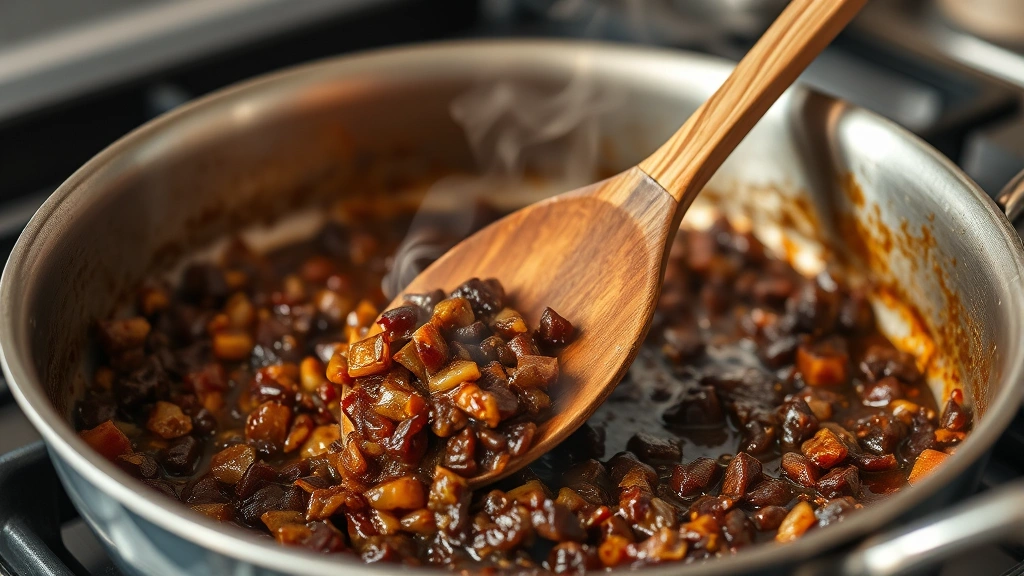
While the meat rests, assess your roasting pan. You should see a layer of rendered fat and caramelized meat drippings stuck to the bottom. This fond is liquid gold for au jus flavor. Place your roasting pan directly over medium-high heat on the stovetop.
Deglazing Process
Pour approximately one cup of red wine into the hot pan, using a wooden spoon to scrape and dissolve the stuck-on fond. This deglazing step is crucial—you’re extracting concentrated flavors that have caramelized at high heat. Continue scraping for 2-3 minutes until the fond dissolves completely and the wine reduces by about half, intensifying its flavor.
If you prefer to skip alcohol, substitute with an additional cup of beef broth or water, though wine adds complexity you won’t replicate otherwise.
Building Flavor Layers
Add 3-4 cups of quality beef broth to the pan, stirring to combine with the wine reduction. Bring the mixture to a gentle simmer. Add 2-3 minced garlic cloves, one bay leaf, 3-4 fresh thyme sprigs, and 2 rosemary sprigs. These herbs infuse gradually without overwhelming the sauce.
Simmer uncovered for 8-10 minutes, allowing flavors to meld and the sauce to reduce slightly. You’re aiming for a sauce that coats the back of a spoon lightly but remains pourable. Add 1-2 tablespoons of Worcestershire sauce, which provides savory depth and subtle tang that balances the richness of beef.
Straining and Final Seasoning
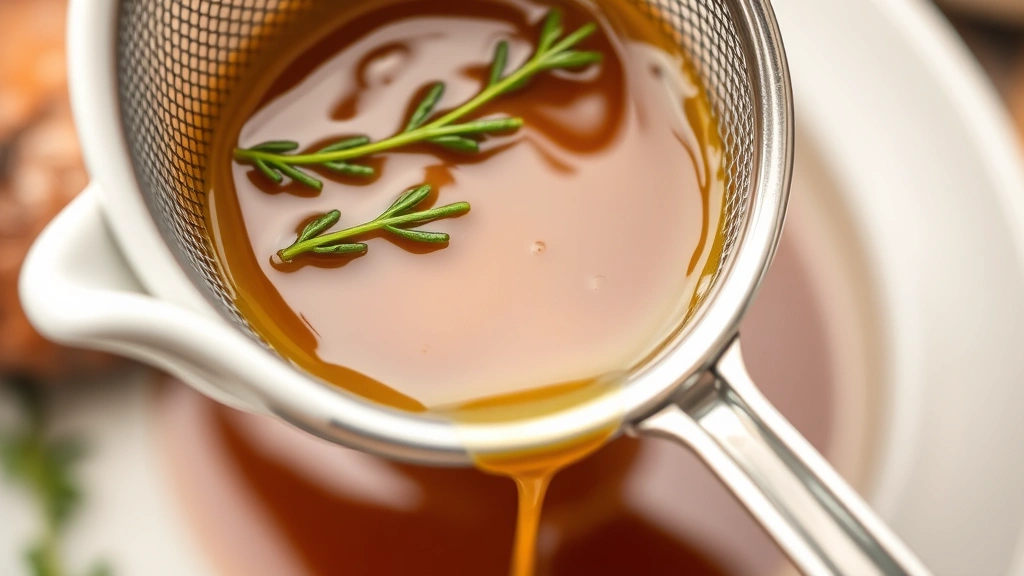
Pour the sauce through a fine-mesh strainer into a clean saucepan, pressing gently on the herbs to extract their essence before discarding. Taste your sauce and adjust seasoning with salt and freshly ground black pepper. Remember that the sauce will concentrate slightly as it sits, so season conservatively at first.
If you prefer a slightly thicker consistency, mix one tablespoon of cornstarch with two tablespoons of cold water, creating a slurry. Whisk this into your simmering sauce and cook for 1-2 minutes until it reaches desired thickness. Most traditionalists prefer au jus thin and glossy, so many skip this step entirely.
Keep the finished sauce warm in a small saucepan over low heat until serving, or transfer to a gravy boat for tableside presentation.
Pro Tips from Professional Chefs
Temperature Control Matters
Professional chefs emphasize that maintaining proper heat throughout the process prevents harsh, burnt flavors. When deglazing, use medium-high heat to activate the fond without scorching. Once you add broth and herbs, reduce to a gentle simmer—aggressive boiling concentrates flavors too intensely and can make the sauce bitter.
Double-Strain for Elegance
For restaurant-quality presentation, strain your finished sauce twice. The first straining removes herbs and solids. The second straining, through cheesecloth or a very fine mesh, removes any remaining particles, resulting in a crystal-clear sauce that looks as impressive as it tastes.
Make Stock in Advance
Creating au jus becomes even easier when you have homemade beef stock prepared beforehand. Save beef bones, vegetable scraps, and meat trimmings in your freezer. When you accumulate enough, simmer them with water, aromatics, and herbs for 12-24 hours. This advance preparation means you’re always ready to create exceptional au jus whenever you roast meat.
Leverage Your Meat Thermometer
Removing meat at the precise target temperature prevents overcooking and ensures maximum juices remain in the meat rather than evaporating. This means more flavorful drippings for your sauce. Use an instant-read thermometer to hit 130-135°F for medium-rare beef, which is the sweet spot for most applications.
Taste and Adjust Methodology
Rather than guessing at seasoning amounts, chefs recommend tasting as you go. Keep a spoon dedicated to tasting and clean it between samples. This prevents contamination and allows you to make gradual adjustments rather than overshooting salt or Worcestershire sauce.
Common Mistakes to Avoid
Using Low-Quality Broth
This is the most common mistake home cooks make. Thin, salty commercial broths create thin, salty au jus. Invest in better broth, or better yet, make your own beef stock using bones and aromatics. The difference in final sauce quality justifies the minimal extra effort.
Skipping the Resting Period
Cutting into meat immediately after roasting releases juices that should stay in the meat. These juices also contain flavor compounds that would enhance your sauce. Always rest roasted meat for 15-20 minutes before serving, allowing carryover cooking to finish and juices to redistribute.
Over-Reducing the Sauce
Aggressive reduction concentrates flavors to the point of harshness. Aim for a sauce that coats a spoon lightly but flows freely. If you reduce too far, you can always add more broth to adjust.
Forgetting to Deglaze Properly
Many home cooks pour liquid into the pan without scraping the fond. This wastes the most flavorful component of the sauce. Spend 2-3 minutes actively scraping with a wooden spoon to dissolve every bit of caramelized meat and vegetable residue.
Adding Too Much Salt Too Early
As your sauce reduces, salt concentration increases. Season conservatively during cooking and adjust after reduction is complete. It’s easy to add salt but impossible to remove it.
Storage and Make-Ahead Strategies
Au jus stores beautifully in the refrigerator for up to 4 days in an airtight container. The sauce may gel slightly as it cools due to rendered fat solidifying—this is normal and actually indicates quality. Simply reheat gently over low heat, stirring occasionally until it returns to pourable consistency.
For longer storage, freeze au jus in ice cube trays for convenient portions. Once frozen, transfer cubes to a freezer bag and label with the date. Frozen au jus keeps for up to 3 months. Thaw overnight in the refrigerator before reheating, or add frozen cubes directly to simmering dishes.
Consider making au jus concentrate by reducing your finished sauce further, creating a more intensely flavored version. Store this concentrate in small containers—just a tablespoon or two mixed with warm broth recreates full-strength sauce whenever needed. This strategy is particularly useful if you frequently roast meat and want quick sauce options.
Make-Ahead for Entertaining
When hosting dinner parties, prepare au jus up to one day in advance. Strain, cool completely, and refrigerate. About 30 minutes before serving, reheat gently over low heat while you plate and present your roasted meat. This advance preparation eliminates last-minute stress and ensures your sauce is perfectly seasoned and ready.
Pairing Au Jus with Different Meats
Prime Rib and Beef Tenderloin
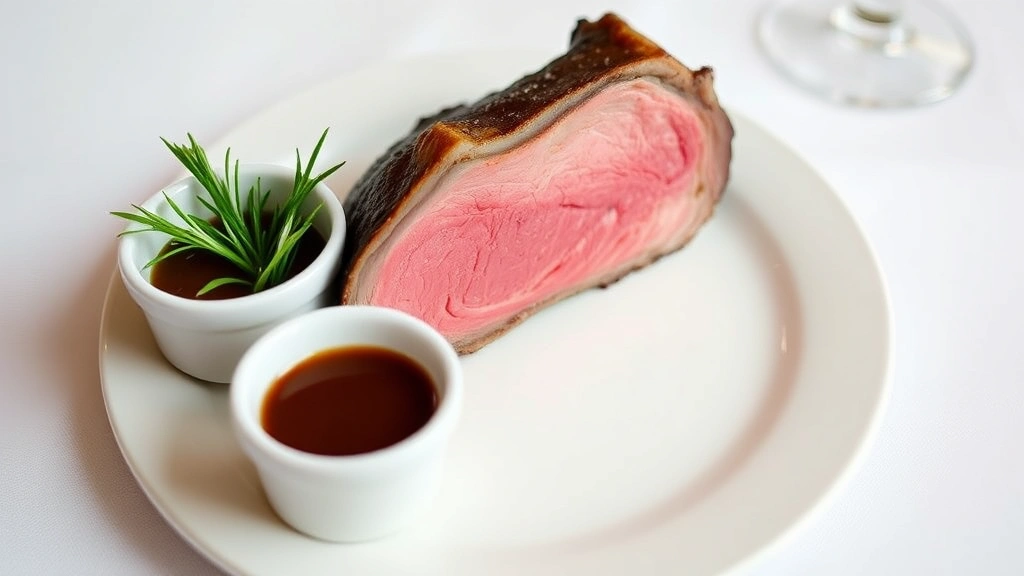
These premium cuts benefit most from traditional au jus. The sauce’s clarity allows the meat’s natural flavor to shine while adding savory complement. Serve in a separate gravy boat so diners can control how much sauce they use.
Roasted Lamb
Substitute half the beef broth with lamb or chicken broth for lamb roasts. Add fresh mint instead of thyme, creating a complementary flavor profile. This variation works beautifully with leg of lamb or lamb shoulder roasts.
Pork Roasts
Use chicken or pork broth as your base for pork roasts. Add apple cider or apple juice to your wine reduction for a slightly sweet element that pairs naturally with pork. A touch of fresh sage complements pork beautifully.
Beef Brisket
Brisket develops incredible fond due to its long cooking time and fat content. Create a richer au jus by using the full amount of brisket drippings and reducing slightly less than for tenderloin. The deeper, meatier sauce matches brisket’s bold flavor.
Venison and Game Meats
Game meats benefit from au jus made with game or beef broth, enhanced with juniper berries or a touch of red currant jelly. This creates a more sophisticated sauce that complements venison’s distinctive flavor without masking it.
For any roasted meat, remember that au jus should enhance rather than overshadow. Adjust herb quantities and broth types based on the meat’s natural flavor intensity and your personal preferences.
FAQ
Can I make au jus without red wine?
Yes, absolutely. Replace red wine with additional beef broth, water, or even apple cider. You’ll lose some complexity, but the sauce remains delicious. Some cooks substitute dry sherry or brandy for wine to create different flavor profiles.
What’s the difference between au jus and beef gravy?
Au jus remains thin and clear, made from meat drippings and broth without thickening agents. Beef gravy uses a roux (flour and fat) or cornstarch to create a thicker, more substantial sauce. Au jus highlights pure beef flavor; gravy creates a heavier coating.
How do I fix overly salty au jus?
Add more unsalted broth or water to dilute the salt concentration. Simmer for a few minutes to allow flavors to rebalance. If you’re using store-bought broth, always choose low-sodium varieties to maintain control over final salt levels.
Can I make au jus from a roasted chicken instead of beef?
Yes, creating chicken jus uses the same technique with chicken broth and drippings. The result is lighter and more delicate, perfect for roasted poultry. Use white wine instead of red, and add fresh tarragon or sage instead of thyme and rosemary.
What pan is best for making au jus?
Use the roasting pan itself if it’s stovetop-safe, as it contains all the precious fond. If your roasting pan isn’t stovetop-compatible, transfer drippings and fond to a saucepan. Stainless steel or cast iron works best; avoid nonstick surfaces that prevent proper fond development.
How long does au jus take to make?
From start to finish, expect 15-20 minutes. This includes 2-3 minutes deglazing, 8-10 minutes simmering with herbs, and a few minutes straining and seasoning. The quick timeline makes au jus perfect for busy weeknight dinners when you’re already roasting meat.
Can I make au jus without fresh herbs?
Fresh herbs create superior flavor, but dried herbs work in a pinch. Use one-third the amount of dried herbs as fresh, since drying concentrates flavors. Add them during the simmering phase and strain before serving. Alternatively, skip herbs entirely and let the meat drippings shine.

Related Posts

Superscript in Google Docs: Expert Tips

Strikethrough in Excel: Easy Steps for Beginners
