
How to Layer Lasagna: Expert Guide
How to Layer Lasagna: Expert Guide to Perfect Every Time
There’s something genuinely satisfying about assembling a lasagna from scratch. It’s not complicated, but it demands a certain intentionality—each layer matters, and the order you build them in determines whether you’ll end up with a masterpiece or a soggy mess. Whether you’re making a traditional meat lasagna, a vegetarian version, or experimenting with white sauce variations, understanding the layering technique transforms the entire dish.
The beauty of lasagna lies in its architecture. Unlike many other dishes where ingredients blend together during cooking, lasagna’s layers remain distinct yet harmonious. The pasta sheets provide structure, the sauce coats and flavors, and the cheese creates those golden, bubbly pockets of richness we all crave. Get the layering wrong, and you’re left with something that slides around your plate. Get it right, and you’ve created something genuinely impressive.
This guide walks you through everything you need to know about layering lasagna properly, from sauce consistency to the strategic placement of each component. We’ll cover the classics, explore variations, and answer the questions that trip up even experienced home cooks.
Understanding the Foundation: Sauce and Preparation
Before you even think about layering, you need to understand what you’re working with. Your sauce is the glue that holds everything together—literally and figuratively. A thin, watery sauce will cause your lasagna to become soupy and fall apart. A sauce that’s too thick won’t distribute evenly between layers, leaving some parts dry and others overly saturated.
The ideal sauce consistency resembles thick gravy. If you’ve mastered how to make brown gravy, you understand this principle already. You want something that coats a spoon and flows slowly. When you’re making a traditional meat sauce, simmer it for at least 30-45 minutes to allow the flavors to meld and the liquid to reduce slightly. This isn’t just about flavor—it’s about achieving the right texture for layering.
Your ricotta or béchamel base also needs attention. Many home cooks make ricotta too wet by not draining it properly. If you’re using store-bought ricotta, place it in a fine-mesh strainer lined with cheesecloth for 15-20 minutes before mixing. This removes excess whey and prevents your lasagna from becoming watery.
If you’re incorporating how to make shredded chicken into a white lasagna or chicken variation, ensure the chicken is completely dry before adding it to your ricotta mixture. Any excess moisture will compromise your layers.
Don’t skip the prep work. Have all your components ready before you start assembling—your pasta sheets cooked and slightly cooled, your meat sauce at room temperature, your cheese mixture prepared, and your grated mozzarella and parmesan measured out. This prevents rushing and ensures even distribution.
The Classic Meat Lasagna Layering Method
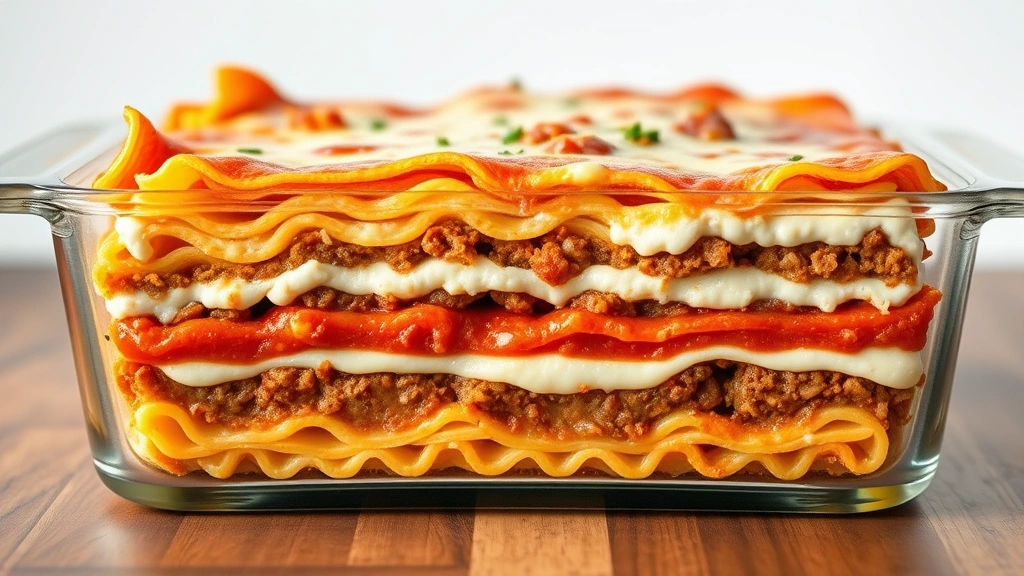
The traditional approach to layering meat lasagna follows a proven pattern that works because it addresses moisture distribution and structural integrity. Here’s exactly how professionals do it:
Start with sauce on the bottom. Spread a thin layer of meat sauce directly on the bottom of your 9×13 baking dish—roughly 1/4 inch thick. This prevents the bottom noodles from sticking and creates a foundation. This layer should be thinner than the others; you’re not trying to create a sauce lake at the bottom.
Layer one: Pasta sheets. Place your cooked lasagna noodles in a single layer, overlapping them slightly. You’ll typically need 3-4 noodles depending on your dish size. Trim them to fit if necessary rather than forcing them into awkward positions. They should cover the sauce completely with minimal gaps.
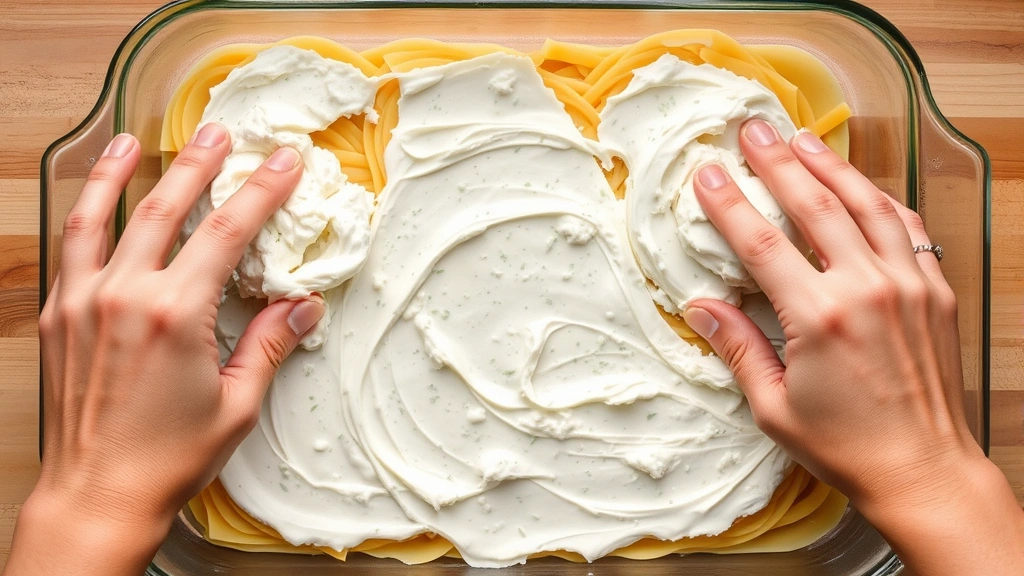
Layer two: Ricotta mixture. Spread 1/3 of your ricotta mixture over the pasta layer. This should be roughly 1/2 inch thick. Use an offset spatula or the back of a spoon to distribute it evenly. Don’t skip this step even if you’re tempted—ricotta provides moisture distribution and creaminess that pure sauce can’t achieve.
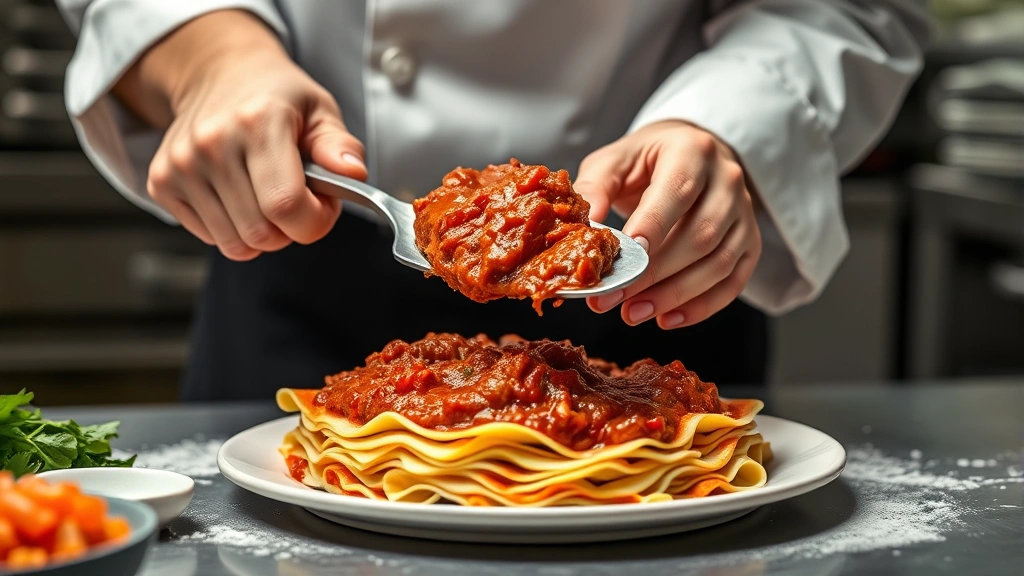
Layer three: Meat sauce. Add 1/3 of your remaining meat sauce over the ricotta. Spread it to create an even layer about 1/2 inch thick. This is where your sauce consistency matters—it should flow slightly but not pool excessively.
Layer four: Mozzarella cheese. Sprinkle 1/3 of your shredded mozzarella over the sauce. Don’t be shy here—cheese is what creates those delicious golden spots and helps bind layers together. Use about 1/2 cup per layer for a standard 9×13 dish.
Then repeat this four-layer cycle twice more. Your final top layer should be sauce followed by a generous amount of mozzarella mixed with parmesan (about 1/2 cup mozzarella and 1/4 cup parmesan for the top). This creates that gorgeous golden crust everyone loves.
If you’re making this with how long to boil chicken instead of ground beef, the same layering principle applies perfectly. The structure remains identical—the only variable is your protein choice.
Vegetarian and Variation Approaches
Vegetarian lasagna requires slightly different thinking because you’re relying more heavily on vegetables for both moisture and structure. The principle remains the same, but your execution needs adjustment.
For vegetable-based lasagna, consider roasting your vegetables first. Zucchini, eggplant, and bell peppers release moisture during cooking, which can make your lasagna watery if you don’t account for it. Roast them at 400°F for 15-20 minutes until they’re tender but not falling apart. This concentrates their flavor and removes excess water.
Your layering sequence for vegetarian lasagna might look like this: sauce, pasta, ricotta mixture, roasted vegetables, sauce, mozzarella, then repeat. The vegetables act as an additional flavor and texture layer rather than replacing the ricotta or sauce.
Consider using how to make heavy cream if you’re making a white sauce vegetarian version. A proper béchamel or cream sauce adds richness that compensates for the absence of meat, creating a more luxurious texture. Use this instead of or in addition to ricotta for variety.
Spinach lasagna follows a similar pattern but requires one crucial step: thoroughly wring out your spinach. Frozen spinach especially contains surprising amounts of water. Place thawed spinach in a clean kitchen towel and squeeze it hard until it’s genuinely dry. Mix it with your ricotta and a bit of nutmeg for classic flavor.
White Sauce Lasagna Layering Technique
White lasagna (lasagna bianca) uses béchamel sauce instead of tomato-based meat sauce, creating a completely different experience. The layering approach shifts slightly because you’re working with a creamier, more delicate sauce.
Béchamel should be made with equal parts butter and flour (a roux) combined with warm milk, seasoned with salt, white pepper, and nutmeg. It should coat a spoon similarly to meat sauce—thick enough to hold layers together but fluid enough to distribute evenly. If it’s too thick, thin it slightly with additional warm milk; if it’s too thin, simmer it longer to reduce.
For white lasagna layering: Start with a thin béchamel base, then alternate pasta, ricotta mixture, béchamel, mozzarella. The ricotta layer is particularly important in white lasagna because it provides structure and creaminess that prevents the dish from becoming one-dimensional. Many people make white lasagna too heavy by using only béchamel and cheese—the ricotta layer breaks that monotony and adds crucial flavor contrast.
Typically, you’ll use about 1 cup béchamel per layer. It should coat the ricotta and pasta without pooling excessively. Your final top layer should be béchamel covered generously with mozzarella and parmesan for that beautiful golden finish.
White lasagna pairs exceptionally well with chicken, mushrooms, or a combination of both. The cream sauce complements these proteins beautifully and creates a more refined dish than traditional meat sauce versions.
Common Mistakes and How to Avoid Them
Using wet ricotta. This is the number-one culprit behind watery, falling-apart lasagna. Always drain your ricotta beforehand. If you’re making ricotta from scratch or buying fresh, strain it for at least 15 minutes before using.
Skipping the bottom sauce layer. Some people try to save sauce by going straight to pasta on the bottom. This creates a sticky, difficult-to-serve situation. That initial sauce layer is essential for both flavor and functionality.
Not cooking noodles enough. Undercooked noodles stay firm and create a chewy, unpleasant texture. Cook them until they’re tender but still slightly al dente—they’ll continue cooking in the oven. Overcooked noodles become mushy, but undercooked ones ruin the entire dish.
Uneven layer distribution. Taking time to spread each layer evenly matters more than you’d think. Thin spots dry out while thick spots become soggy. Use an offset spatula and take your time.
Too much cheese on intermediate layers. While cheese is wonderful, using too much between layers prevents proper adhesion and creates greasy pockets. Save the generous cheese application for the top layer.
Assembling while components are too hot. Let your meat sauce cool to room temperature before layering. Hot sauce will wilt the ricotta and create an uneven texture throughout. Similarly, let cooked noodles cool slightly so they’re easier to handle.
Not leaving space at the top. Fill your baking dish only to about 1.5 inches from the top. Lasagna expands and bubbles during cooking, and you don’t want sauce overflowing into your oven.
Assembly Tips for Success
Invest in a quality 9×13 baking dish with straight sides—this makes layering and serving significantly easier. Glass dishes are ideal because you can see the layers building, which helps ensure even distribution.
Use an offset spatula for spreading ricotta and sauce. It gives you far better control than a spoon and creates more even layers. The slight angle of the blade lets you apply consistent pressure without tearing through delicate layers.
If your noodles keep sliding around, you’re using too much sauce or ricotta. Adjust the thickness of each layer downward slightly. Each component should be distinct but not excessive.
Cover your assembled lasagna with foil before baking—this prevents the top from browning too quickly while the interior cooks through. Typically, bake covered at 375°F for about 40 minutes, then remove foil and bake an additional 15-20 minutes until the top is golden and bubbly.
Let your finished lasagna rest for 10-15 minutes after removing from the oven before cutting. This allows everything to set slightly, making serving cleaner and more elegant. If you cut into it immediately, you’ll get a sliding, messy situation regardless of how perfectly you layered it.
If you’re concerned about the bottom browning too quickly, place your baking dish on a preheated baking sheet before putting it in the oven. This provides insulation and ensures even cooking throughout.
Frequently Asked Questions
Can I use no-boil noodles for layering lasagna?
Absolutely. No-boil noodles are specifically designed for this purpose. They absorb moisture from your sauce as the lasagna bakes, so you may need slightly saucier layers than with traditional noodles. Add an extra 1/4 cup of sauce per layer when using no-boil noodles. Some people find them more convenient, though traditional boiled noodles give slightly better texture control.
How many layers should my lasagna have?
The standard approach is three complete layers (pasta, ricotta, sauce, cheese repeated three times), which fits perfectly in a 9×13 dish. This creates the ideal balance between structure and creaminess. You could do four thinner layers if you prefer more distinct layers, but this requires a deeper dish.
Can I prepare lasagna the day before baking?
Yes, and many people find this helpful for managing their cooking schedule. Assemble your lasagna completely, cover it tightly with plastic wrap, and refrigerate for up to 24 hours. Add 10-15 minutes to your baking time since it’ll start from a cold temperature. Some people actually prefer this approach because the flavors meld overnight.
What’s the best way to store leftover lasagna?
Cool it completely, then cut into individual portions and store in airtight containers in the refrigerator for up to 4 days. Lasagna actually improves slightly after a day as flavors continue developing. Reheat individual portions in the microwave or in a 350°F oven until warmed through. You can also freeze lasagna for up to 3 months—freeze individual portions for easier reheating.
Why is my lasagna watery?
This typically comes from wet ricotta, too-thin sauce, or excess moisture from vegetables. Start by draining your ricotta thoroughly. Ensure your sauce has simmered long enough to reduce properly. If using vegetables, roast them first to remove moisture. Finally, verify you’re not using too much sauce per layer—it should coat but not pool.
Can I make lasagna in a different shaped dish?
You can, but it affects serving and layering dynamics. Round dishes create different cutting patterns. Deep dishes require thinner sauce layers to prevent the bottom from becoming soggy. The 9×13 rectangular dish is standard because it’s proportioned perfectly for the classic layering method. If using a different dish, adjust your sauce thickness accordingly.
Should I add eggs to my ricotta mixture?
Many traditional recipes include one egg per pound of ricotta, which helps bind the mixture and creates a slightly firmer texture. This is optional but recommended if you prefer a more structured lasagna. Mix the egg thoroughly into your ricotta before layering.
What’s the difference between using fresh and dried oregano?
Dried oregano is more concentrated and should be used at about 1/3 the amount of fresh. If your sauce tastes flat, you likely need more seasoning. Add dried oregano, basil, or Italian seasoning gradually to your sauce while tasting—it’s easier to add more than to remove it.

Related Posts

How Long to Boil Lobster Tails: Cooking Guide

How Long to Fly from New York to London? Travel Times
