
How to Insert a Tampon: Step-by-Step Guide
How to Insert a Tampon: Step-by-Step Guide
Let’s be real—the first time you use a tampon can feel intimidating. There’s a lot of conflicting advice out there, plus the general awkwardness of figuring out something so personal on your own. But here’s the truth: inserting a tampon is actually straightforward once you understand the anatomy involved and what you’re actually doing. It’s not complicated, and it definitely gets easier with practice.
Whether you’re a first-timer or someone who’s been using tampons for years but wants to refine your technique, this guide breaks down everything you need to know. We’ll walk through the mechanics, address common concerns, and help you find what works best for your body. Everyone’s different, so what works perfectly for your friend might need tweaking for you—and that’s completely normal.
Think of this as your practical reference guide. No judgment, no embarrassment, just clear information to help you feel confident and comfortable.
Understanding Tampon Basics
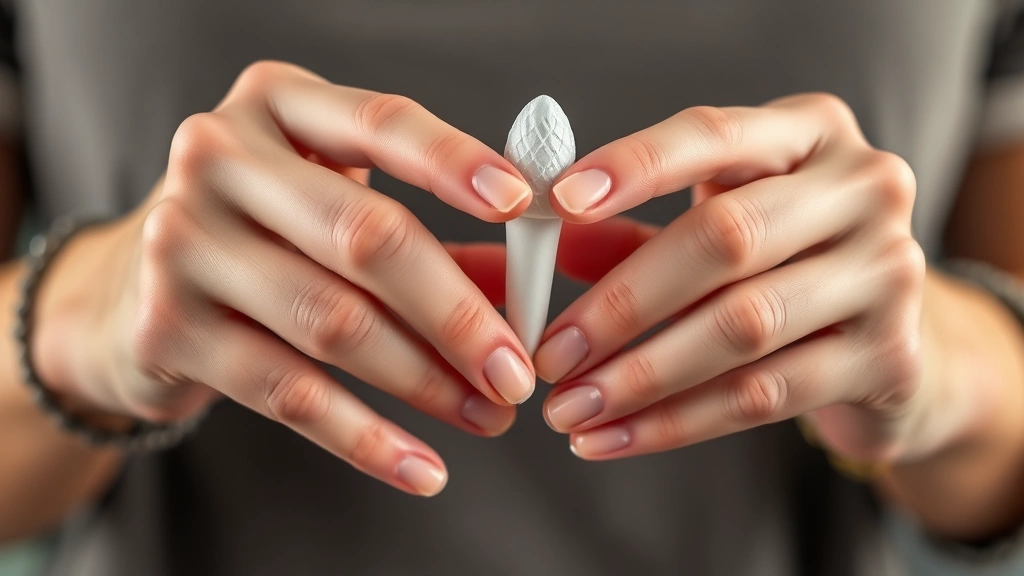
Before diving into insertion, let’s cover what a tampon actually is and how it works. A tampon is an absorbent cylinder made of compressed cotton and rayon that you insert into your vagina to absorb menstrual fluid. It sits in your vaginal canal, held in place by your vaginal muscles. The string attached to the end hangs outside your body so you can remove it easily.
Tampons come in different absorbency levels: light, regular, super, and super plus. The absorbency you need depends on your flow. Start with regular absorbency if you’re unsure—it’s versatile enough for most situations. There are also different applicator styles: plastic applicators, cardboard applicators, or no applicator at all (digital tampons). Many people find plastic applicators smoother and easier to use, especially when learning.
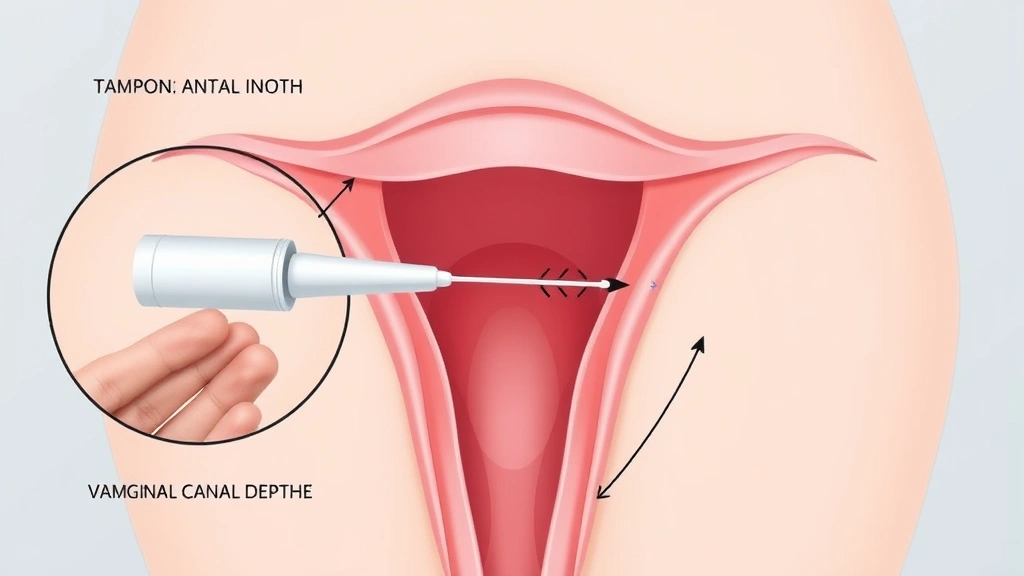
Understanding your own anatomy helps tremendously. Your vagina is a muscular canal that angles slightly backward and upward. It’s not a straight vertical tunnel, which is why angle matters during insertion. Your cervix sits at the top, and the vaginal opening is at the bottom. When you insert a tampon, you’re placing it in this canal, not pushing it toward your cervix.
Preparation and Setup
Getting ready properly makes the actual insertion much easier and more comfortable. Here’s what to do before you even open the tampon wrapper:
- Wash your hands thoroughly. Use soap and warm water to clean your hands completely. You’re about to touch a sensitive area, so hygiene matters.
- Use the bathroom first. Empty your bladder before insertion. A full bladder can make the process uncomfortable and affect your positioning.
- Find a comfortable position. You can stand with one foot elevated on the toilet seat, squat slightly over the toilet, or sit on the toilet. Experiment to find what feels natural for you. Some people prefer standing, others prefer sitting. There’s no single correct position—it’s whatever allows you to relax and access the area comfortably.
- Relax your muscles. This is crucial. Tension makes everything harder. Take a few deep breaths. If you’re nervous or anxious, your muscles will tense up, making insertion more difficult and uncomfortable. Give yourself a moment to settle in mentally.
- Gather your supplies. Have your tampon, a fresh one as backup, and maybe some toilet paper nearby. You don’t want to scramble for things mid-process.
The mental preparation is just as important as the physical setup. If you’re tense or worried, your body will respond by tensing up too. Remind yourself that this is a normal bodily function and that your body is designed to do this comfortably.
Step-by-Step Insertion Instructions
Now for the actual process. Follow these steps carefully, and remember that it might take a few tries to find your rhythm:
Step 1: Open the Wrapper Unwrap your tampon completely. If you’re using an applicator tampon, make sure the tampon is fully extended into the applicator barrel. You should see the string hanging out the bottom. Check that everything looks intact.
Step 2: Position the Applicator Hold the applicator with your thumb and middle finger on the grip portion (the wider section). Your index finger should rest on the plunger (the smaller rod inside). The applicator should be at a slight angle—about 45 degrees—pointing toward the back and slightly upward into your vagina, not straight up.
Step 3: Locate Your Vaginal Opening Using your other hand, gently spread your labia (the outer folds). This helps you see and access the vaginal opening more easily. Many people skip this step and regret it. Taking a second to visualize what you’re doing makes insertion significantly easier.
Step 4: Insert the Applicator Slowly push the applicator into your vaginal opening. You should feel it slide in fairly easily if you’re relaxed. Push it in about two to three inches—roughly to where your fingers meet the grip section. The applicator should feel comfortable, not painful. If you feel resistance or pain, stop and try again. You might be tense, or your angle might be off.
Step 5: Deploy the Tampon Once the applicator is positioned, push the plunger all the way in with your index finger. This pushes the tampon out of the applicator and into your vaginal canal. You’ll feel a slight sensation of pressure or movement. The tampon should slide up naturally into place.
Step 6: Remove the Applicator Gently pull the applicator out. The tampon stays inside, held in place by your vaginal muscles. The string should hang outside your body. If the string feels too tight or uncomfortable, you might not have inserted the tampon far enough. Try removing it and reinserting it slightly higher.
Step 7: Verify Placement Once inserted, you shouldn’t feel the tampon at all. This is the key test. If you feel it, it’s probably not inserted far enough. Remove it and try again, pushing it a bit higher. Many first-timers insert tampons too shallowly. Remember, your vagina is longer than you might think, and the tampon needs to sit comfortably inside.
Common Mistakes to Avoid
Learning from others’ mistakes can save you frustration. Here are the most common errors people make:
Inserting at the Wrong Angle The biggest mistake is pushing straight up. Your vagina angles backward and upward, so aim toward your lower back, not straight up toward your belly button. A 45-degree angle usually works best.
Not Inserting Far Enough This is the second most common issue. If you feel the tampon after insertion, it’s not in far enough. Push it higher. The tampon should sit comfortably in your vaginal canal, not near the opening. When you learn how to properly put in a tampon, depth becomes intuitive.
Tensing Your Muscles Anxiety and tension are the enemy here. The more you tense up, the harder insertion becomes. If you’re struggling, take a break, breathe, and try again when you’re calmer.
Using the Wrong Absorbency Using super absorbency when you have a light flow can cause discomfort and dryness. Match the absorbency to your actual flow. You should need to change your tampon every 4-8 hours, depending on your flow.
Forgetting About the String Make sure the string is positioned so you can easily reach it for removal. If it’s tucked inside, you’ll have trouble getting it out later.
Not Washing Your Hands Skipping hand hygiene increases your risk of bacterial infections. Always wash your hands before and after insertion.
Troubleshooting Tips
If you’re experiencing difficulties, don’t give up. Most issues have simple solutions:
If Insertion is Painful: Stop immediately. Pain means something’s wrong—either your angle is off, you’re too tense, or you’re not far enough along in your cycle for comfortable insertion. Try again with better relaxation and angle adjustment. If pain persists with every tampon use, consult a healthcare provider.
If You Can’t Find the Opening: Use a mirror if needed. There’s no shame in visual confirmation, especially when learning. Spread your labia gently and locate the vaginal opening before attempting insertion.
If you’re still struggling with technique, resources like Mayo Clinic’s guide on feminine hygiene provide additional perspectives.
If You Feel the Tampon After Insertion: It’s not in far enough. Remove it and reinsert, pushing higher. Your vaginal canal is longer than the applicator, so there’s plenty of room.
If the String Breaks: Stay calm. The tampon is still retrievable. Wash your hands, relax, and gently insert your fingers into your vagina to locate and remove the tampon. If you can’t retrieve it comfortably, contact a healthcare provider. Tampons cannot get lost inside you—your cervix prevents that.
If You’re Leaking: You might need higher absorbency, or you might need to change your tampon more frequently. You might also be inserting it too shallowly. Try reinserting it higher.
Tampon Safety and Health
Using tampons safely is essential for your health and comfort. Here are critical safety guidelines:
Change Your Tampon Regularly: Change your tampon every 4-8 hours, depending on your flow. Never leave a tampon in for more than 8 hours. Leaving tampons in too long increases your risk of toxic shock syndrome (TSS), a rare but serious bacterial infection.
Use the Lowest Absorbency Needed: Using higher absorbency than necessary can increase TSS risk and cause vaginal dryness. Match absorbency to your actual flow.
Alternate with Other Products: Consider using pads during light flow days or overnight. Alternating products reduces TSS risk.
Know the Signs of TSS: Symptoms include sudden high fever, rash, dizziness, nausea, and muscle aches. If you experience these while using a tampon, remove it immediately and seek medical attention. TSS is rare, but it’s serious.
Never Use Tampons for Non-Menstrual Discharge: Tampons are designed specifically for menstrual flow. Using them for other purposes increases infection risk.
For comprehensive safety information, check FDA guidance on tampon safety.
Store Tampons Properly: Keep tampons in a cool, dry place. Don’t store them in humid environments like bathrooms for extended periods, as moisture can compromise the product.
Just like maintaining personal hygiene items, it’s important to understand proper care practices. You might also find it helpful to know about how to clean retainers to understand the importance of proper hygiene with personal items.
Frequently Asked Questions
Can a tampon get lost inside my body?
No. Your cervix prevents anything from going deeper than your vaginal canal. A tampon cannot travel into your uterus or get lost inside you. If you can’t locate the string, simply insert your fingers and retrieve it gently. If you’re uncomfortable doing this, contact a healthcare provider.
Will using a tampon affect my virginity?
No. Using a tampon has nothing to do with virginity. Virginity is a social concept related to sexual experience, not tampon use. Your hymen (if you have one) is elastic and flexible and can accommodate a tampon without tearing. Tampons are a normal, healthy menstrual product.
Is it normal to feel uncomfortable the first time?
Yes, absolutely. Discomfort or awkwardness during your first attempt is completely normal. Your body is adjusting to something new. Most people find it gets easier with each use as they become more familiar with the process and more relaxed about it.
What if I’m a virgin and want to use tampons?
You can absolutely use tampons as a virgin. There’s no connection between tampon use and virginity. Insert it the same way as anyone else. You might find it helpful to choose a tampon with a plastic applicator, which many people find easier to use.
How do I know if my tampon is inserted correctly?
If you can’t feel it after insertion, it’s in correctly. You should be able to go about your day without noticing it’s there. If you feel it, it needs to go higher. The only thing you should feel is the string outside your body.
Can I use a tampon if I have a heavy flow?
Yes. Choose a super or super plus absorbency tampon for heavy flow days. Just remember to change it more frequently—possibly every 4 hours instead of every 8 hours. If you’re soaking through a super plus tampon in less than 2 hours, contact your healthcare provider, as this might indicate a medical condition requiring attention.
Is it okay to sleep with a tampon in?
Technically yes, but only if you’re sleeping for 8 hours or less and you have an appropriate absorbency level for your flow. However, many healthcare providers recommend using pads overnight to reduce TSS risk. It’s a personal choice based on your comfort and flow.
What should I do if the tampon applicator breaks?
If the applicator breaks during insertion, stop and remove it. Use a fresh tampon. If you’ve already inserted part of a broken applicator, remove it gently. If you’re having trouble, contact a healthcare provider. Applicators breaking is rare, but it happens occasionally with defective products.
Can I use a tampon during my first period?
Yes. There’s no reason to wait. If you’re comfortable with tampons, you can use them from your first period. Some people prefer pads initially and switch to tampons later—it’s entirely your choice.
How do I remove a tampon?
Sit on the toilet and gently pull the string downward and outward. The tampon will slide out easily. Wrap it in toilet paper and dispose of it in the trash. Never flush tampons, as they can clog plumbing. If removal feels difficult, relax, take a breath, and try again. If the string breaks, see the troubleshooting section above.

Related Posts

How Long to Boil Lobster Tails: Cooking Guide

How Long to Fly from New York to London? Travel Times
