
Boost Grip Strength: Expert-Approved Techniques
Boost Grip Strength: Expert-Approved Techniques for Maximum Hand Power
Grip strength is one of the most underestimated aspects of physical fitness and functionality. Whether you’re a tradesperson handling tools all day, an athlete pursuing peak performance, or simply someone who wants to maintain independence and vitality as you age, developing powerful hands matters more than you might think. A strong grip isn’t just about shaking hands with confidence—it’s a measurable indicator of overall hand health, upper body strength, and even longevity.
The good news is that improving grip strength doesn’t require expensive equipment or hours at the gym. With the right techniques, consistent practice, and a strategic approach, you can dramatically increase your hand and forearm power within weeks. This guide walks you through expert-approved methods that actually work, whether you’re starting from scratch or looking to push past a plateau.
Understanding Grip Strength and Why It Matters
Grip strength refers to the maximum force your hand can exert when squeezing or holding objects. It’s produced by muscles in your forearm (flexors and extensors), hand, and fingers working in coordinated harmony. Medical professionals use grip strength testing as a clinical assessment tool because research consistently shows it correlates with overall health, muscle mass, cardiovascular fitness, and even cognitive function.
For DIYers and home improvement enthusiasts, strong grip translates directly to better tool control, reduced hand fatigue during long projects, and decreased injury risk. Professional tradespeople know that grip strength determines how long they can work effectively with power tools, hand tools, and materials. Athletes in climbing, weightlifting, martial arts, and combat sports depend on grip strength as a foundational element of their performance.
Beyond functionality, grip strength naturally declines with age—typically dropping 3-4% per decade after age 30. The encouraging part is that this decline isn’t inevitable. Regular grip strength training can maintain or even increase grip power well into your senior years, directly supporting independence, quality of life, and injury prevention.
Grip Strength Training Fundamentals
Before diving into specific exercises, understand the physiological principles that make grip training effective. Your forearms contain approximately 35 muscles distributed between the flexor compartment (palm side) and extensor compartment (back of hand). Building grip strength requires targeting both compartments through varied movements and resistance levels.
The training principles that work for grip strength mirror those for any muscle group: progressive overload, consistency, adequate recovery, and variation. Progressive overload means gradually increasing resistance, duration, or difficulty. Consistency means training regularly—ideally 3-4 times weekly with rest days between sessions. Variation prevents adaptation plateaus and develops well-rounded strength across different grip types.
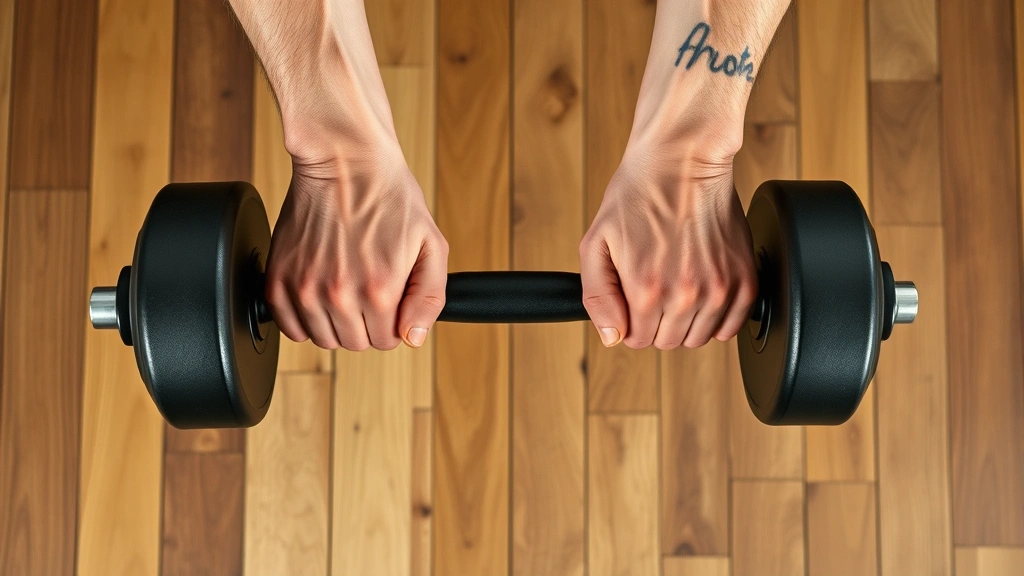
There are four primary grip types to develop: crush grip (squeezing force), pinch grip (thumb-to-finger pressure), support grip (holding weight), and wrist grip (wrist flexion and extension). A comprehensive program addresses all four types.
Beginner Techniques to Build Foundation Strength
Hand Gripper Exercises are the most accessible starting point. A basic adjustable hand gripper costs $10-25 and provides instant resistance for crush grip development. Begin with a gripper set to a resistance you can fully close 10-15 times with effort but not complete exhaustion. Perform 3 sets of 8-12 repetitions, three times weekly. Focus on controlled squeezing—take 2 seconds to close, hold for 1 second, then release over 2 seconds. This tempo builds strength more effectively than explosive, rapid squeezing.
Towel Wrapping is a zero-cost technique. Wrap a hand towel around a broomstick handle or PVC pipe. Squeeze and hold for 30-45 seconds, rest 30 seconds, and repeat for 5 sets. This creates significant crushing pressure while being joint-friendly. You can also twist wet towels to engage rotational grip strength—a practical skill for household maintenance tasks.
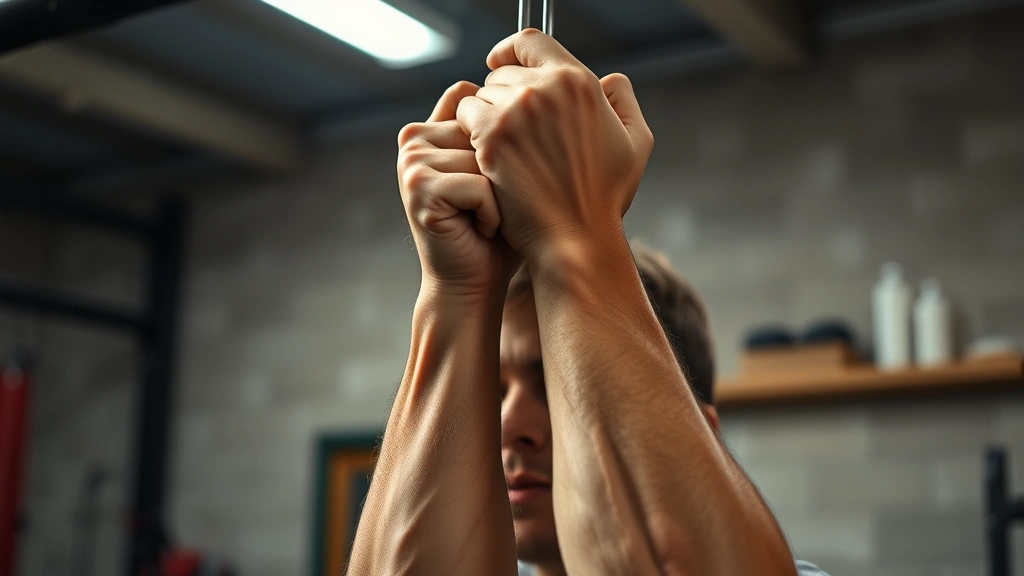
Dead Hangs develop support grip and build grip endurance. Simply hang from a pull-up bar with straight arms for as long as possible. Start with 15-20 seconds and gradually extend duration. Perform 3-5 sets with 60-90 seconds rest between attempts. Dead hangs also decompress your spine and improve shoulder health.
Farmer’s Carries combine support grip with functional strength. Hold heavy dumbbells, kettlebells, or even tool bags from home projects at your sides and walk for 30-60 seconds. Rest 90 seconds and repeat for 3-4 sets. Start with weights you can carry comfortably and gradually increase load or duration.
Reverse Wrist Curls strengthen the extensor muscles on the back of your forearms, which are often neglected. Sit with your forearm resting on a table, palm facing down, holding a light dumbbell (2-5 pounds). Lower your hand downward, then curl it back upward using only your wrist. Perform 3 sets of 12-15 repetitions. This prevents muscle imbalances that can lead to injury.
Intermediate Exercises for Progressive Gains
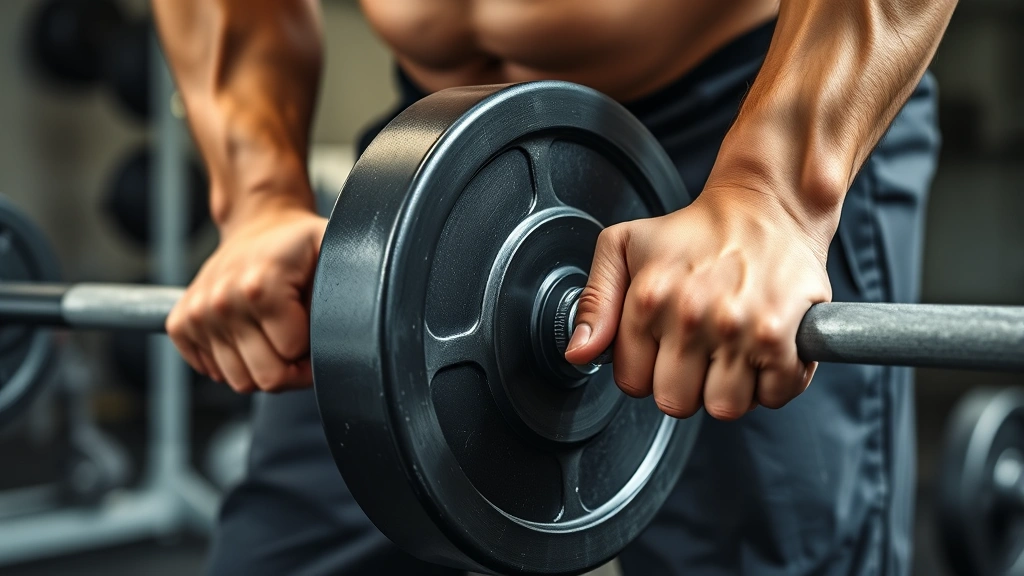
Once you’ve built foundational strength over 4-6 weeks, progress to more demanding techniques. Plate Pinches
Thick Bar Training
Wrist Roller Exercises
Finger Isolation Exercises
Gripper Progression Ladder
Advanced Methods for Peak Performance
Serious grip athletes employ several advanced techniques. Captains of Crush Challenge
One-Handed Dead Hangs
Rope Climbing
Heavy Plate Pinches
Sledgehammer Holds and Levering
Nutrition and Recovery for Optimal Results
Training stimulus is only half the equation. Your forearms and hands need proper nutrition and recovery to adapt and grow stronger. Protein intake supports muscle protein synthesis—aim for 0.7-1 gram per pound of body weight daily. Include protein at every meal to maintain consistent amino acid availability for muscle repair.
Micronutrients matter significantly. Zinc supports muscle function and recovery; magnesium aids muscle relaxation and reduces cramping; vitamin C supports collagen synthesis in tendons and ligaments. Eat varied whole foods: beef, poultry, fish, eggs, dairy, legumes, nuts, seeds, colorful vegetables, and fruits.
Hydration isn’t glamorous but it’s essential. Dehydration reduces muscle performance and increases injury risk. Drink water consistently throughout the day—generally half your body weight in ounces as a baseline, more if training intensely.
Sleep and recovery days are when adaptation happens. Aim for 7-9 hours nightly. Schedule 1-2 complete rest days weekly from grip training. Active recovery like light walking or foam rolling enhances blood flow without additional stress. Overtraining leads to tendonitis and plateau, so respect recovery as seriously as training.
Common Mistakes to Avoid
Training too frequently without recovery is the most common error. Your forearms and hands contain tendons and connective tissue that require recovery time. Training grip strength daily, especially intensely, invites tendonitis and overuse injury. Three to four sessions weekly with proper rest is optimal.
Neglecting wrist and extensor strength creates imbalances. The flexor muscles (palm side) are naturally stronger, but over-training them without balancing extensor work leads to injury and postural issues. Always include reverse wrist curls and extensor-focused exercises.
Progressing too quickly overwhelms tissues before they adapt. If you jump to heavy grippers or advanced exercises too soon, you risk tendon strain. Progress gradually—increase resistance or difficulty by 5-10% weekly, not dramatically.
Ignoring pain signals is dangerous. Sharp pain, particularly on the inside of your elbow or forearm, signals potential tendonitis. Dull soreness from training is normal; sharp or shooting pain isn’t. Back off immediately if you experience sharp pain and consider consulting a physical therapist.
Training with poor form reduces effectiveness and increases injury risk. Whether performing wrist curls or dead hangs, maintain controlled movements through full range of motion. Jerky, explosive movements sacrifice form and risk injury.
Neglecting grip diversity limits development. Training only crush grip, for example, leaves you with imbalanced strength. Comprehensive grip training addresses crush, pinch, support, and wrist grips. Visit FixwiseHub’s comprehensive how-to guides for complete fitness programming approaches.
FAQ
How long does it take to notice grip strength improvements?
Most people notice measurable improvements within 2-3 weeks of consistent training. Significant strength gains typically appear within 6-8 weeks. Remember that adaptation is progressive—initial gains come quickly, then slow as you advance.
Can I train grip strength daily?
While some athletes train grip daily, this increases injury risk for most people. Three to four sessions weekly with rest days between is optimal. If you choose to train more frequently, vary intensity—combine heavy training days with lighter, endurance-focused sessions.
Do I need expensive equipment to build grip strength?
Absolutely not. A basic hand gripper ($15-25) and pull-up bar provide 80% of what you need. Farmer’s carries use dumbbells you likely have. Towel exercises cost nothing. Expensive equipment helps but isn’t necessary for substantial improvements.
Will grip training make my hands look bigger?
Your forearms will develop visible muscle definition and likely increase slightly in size with dedicated training. Hands themselves don’t change much aesthetically, but they’ll look more muscular due to forearm development visible on the back of your hands.
Is grip strength training safe for older adults?
Yes, grip strength training is particularly beneficial for older adults. It maintains independence, prevents age-related decline, and improves overall health markers. Start conservatively with light resistance and progress gradually. Consult your physician before beginning any new exercise program, especially if you have existing joint issues.
Can I combine grip training with other workouts?
Yes, grip training complements most training programs. Add 10-15 minutes of focused grip work 3-4 times weekly after your main workout. Since you’re not training grip on heavy deadlift days, you can perform grip work before or after your primary session without interference.
What’s the difference between grip strength and grip endurance?
Grip strength refers to maximum force production in a single maximal effort. Grip endurance refers to sustained force over time. Both are important—strength training uses heavy resistance for fewer repetitions; endurance training uses lighter resistance for more repetitions or longer durations. Comprehensive training develops both.

Related Posts

Superscript in Google Docs: Expert Tips

Strikethrough in Excel: Easy Steps for Beginners
