

How to Get Slime Out of Hair: Expert Tips
How to Get Slime Out of Hair: Expert Tips and Proven Methods
If you’ve ever watched a child’s face light up while playing with slime, only to have that joy quickly turn to panic when a glob ends up tangled in their hair, you understand the unique stress this situation creates. Slime is designed to be sticky and stretchy—qualities that make it fun to play with but absolutely maddening when it’s woven into strands of hair. The good news? This is entirely fixable, and you probably already have the solution sitting in your kitchen or bathroom cabinet.
Getting slime out of hair doesn’t require expensive salon treatments or drastic measures like cutting it all off. With the right approach and a bit of patience, you can remove slime completely while keeping your hair healthy and intact. We’ve compiled expert-tested methods that actually work, along with preventative tips to help you avoid this sticky situation in the future.
Whether you’re dealing with homemade slime, store-bought varieties, or those glittery concoctions that seem to multiply in difficulty, this guide walks you through every proven technique to restore your hair to its normal, slime-free state.
Why Slime Sticks to Hair So Effectively
Understanding why slime clings so stubbornly to hair helps you choose the most effective removal method. Most slimes contain polymers—typically polyvinyl acetate or sodium borate compounds—that create a stretchy, adhesive texture. These polymers bond with the keratin protein in your hair strands, creating an almost molecular-level grip that simple water washing can’t break.
The more you try to pull slime out with your fingers, the more it works its way deeper into the hair shaft and potentially damages the cuticle layer. This is why aggressive removal attempts often backfire, leading to matted, damaged hair that looks worse than the original slime situation. The key is using solvents that break down the polymer bonds without harming your hair’s protective outer layer.
Different slime recipes stick differently too. Homemade slimes made with borax tend to be more stubborn, while store-bought varieties might respond better to certain treatments. Glitter slimes present an additional challenge because the particles can catch on hair and make removal messier.
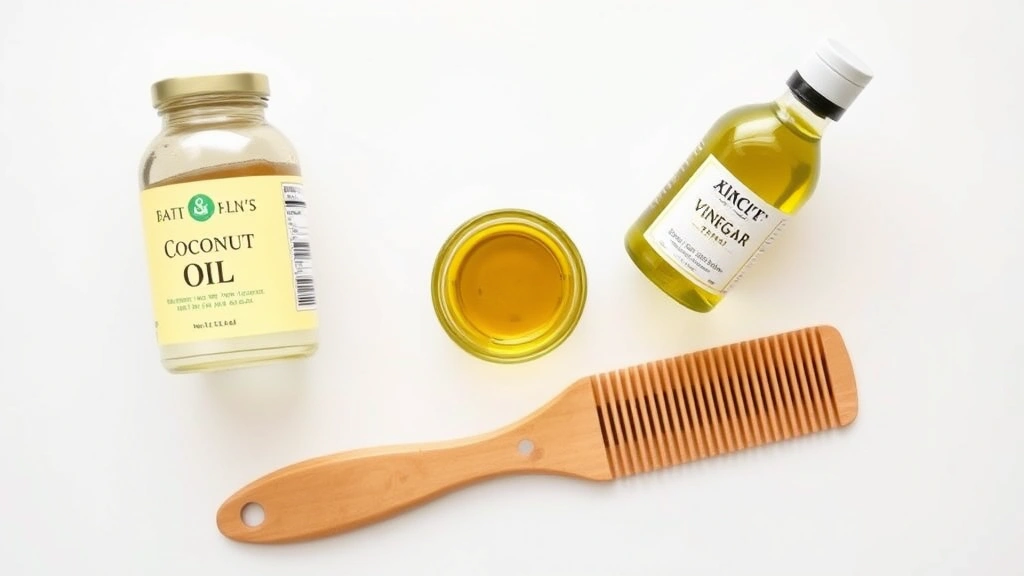
The Oil Method: Your First Line of Defense
Start with oil—it’s gentle, effective, and works on most slime types. Oils break down the polymer structure while conditioning your hair simultaneously. This method should be your first attempt because it’s the least damaging and surprisingly successful.
What You’ll Need:
- Coconut oil, olive oil, or baby oil
- Plastic comb with wide teeth
- Warm water
- Gentle shampoo
- Towel
Step-by-Step Process:
- Generously apply oil directly to the slime-affected area. Don’t skimp—use enough that the hair feels saturated but not dripping.
- Gently massage the oil into the slime and surrounding hair for 2-3 minutes. Let the oil sit for at least 5 minutes, longer if possible. Some people leave it overnight for particularly stubborn slime.
- Use your wide-toothed comb to gently work through the affected area. Start at the ends and work upward, never pulling hard.
- As you comb, you’ll notice the slime beginning to ball up and separate from individual hair strands. This is exactly what you want to see.
- Once most of the slime has been removed, wash the hair thoroughly with warm water and gentle shampoo. You may need two or three wash cycles to remove all the oil.
- Rinse completely with cool water to seal the hair cuticles.
Pro tip: If the slime is particularly thick, apply oil and cover the area with a shower cap. This creates a warm, moist environment that helps the oil penetrate more effectively. Thirty minutes to an hour under a cap can make significantly stubborn slime much easier to comb out.
Vinegar Solution for Stubborn Slime
White vinegar is acidic enough to dissolve certain polymer bonds without being harsh on hair. This method works especially well on borax-based homemade slimes that resist oil treatment.
Application Method:
- Mix equal parts white vinegar and warm water in a spray bottle or bowl.
- Apply the solution liberally to the slime, saturating the affected strands completely.
- Let it sit for 5-10 minutes. The vinegar will begin breaking down the slime’s structure.
- Gently comb through with a wide-toothed comb, working slowly and deliberately.
- Rinse with warm water, then follow with a gentle shampoo and conditioner to neutralize any vinegar smell.
The vinegar smell dissipates quickly once hair is dry, but if you’re concerned about the odor, a light misting of your favorite hair spray or a few drops of essential oil in your rinse water helps. Some parents swear by adding a drop of lemon essential oil to the vinegar solution, which also helps cut through slime while making the process smell more pleasant.

Peanut Butter Technique That Actually Works
This might sound unusual, but peanut butter is surprisingly effective for slime removal. The oils in peanut butter work similarly to coconut oil, but the slightly thicker consistency helps it stay in place longer and work more thoroughly through tangled slime.
How to Use Peanut Butter:
- Use creamy peanut butter—not the chunky variety, which can be harder to remove.
- Apply a generous amount directly to the slimed area and work it in gently with your fingers.
- Let it sit for 10-15 minutes. The peanut butter’s oils will gradually break down the polymer bonds.
- Gently comb through the hair, working in small sections.
- Wash thoroughly with warm water and shampoo—you’ll need at least two washes to remove all the peanut butter residue.
While this method is effective, the cleanup requires more shampoo cycles than oil methods. However, for particularly stubborn slime that hasn’t responded to gentler approaches, the extra wash cycles are worth it. The peanut butter’s natural conditioning properties actually leave hair feeling quite soft afterward.
Rubbing Alcohol Approach
Rubbing alcohol (isopropyl alcohol) is a stronger solvent that works on slime types resistant to oil and vinegar. It’s more aggressive than previous methods, so use it when gentler options haven’t fully worked.
Safety Considerations:
- Use in a well-ventilated area
- Keep away from eyes and mouth
- Don’t use on very young children without adult supervision
- Test on a small, inconspicuous section first
Application Steps:
- Dampen a clean cloth or cotton pad with rubbing alcohol.
- Gently dab and rub the alcohol-soaked cloth on the slime, working it into the affected strands.
- Let it air dry for a few minutes—the alcohol will evaporate while working on the slime.
- Gently comb through with a wide-toothed comb.
- Wash hair thoroughly with shampoo and water to remove any alcohol residue.
The alcohol smell is strong initially but disappears once hair is dry. This method is particularly effective on glitter slimes and specialty slimes that contain additional ingredients beyond basic polymer compounds.
Specialized Hair Products and Conditioners
Sometimes the best solution is already in your shower. Heavy-duty hair conditioners and specialized treatments can sometimes dissolve slime through their conditioning agents and emollients.
Products That Work Well:
- Deep conditioning masks designed for dry or damaged hair
- Leave-in conditioners with high oil content
- Hair treatments with silicone-based formulas
- Clarifying shampoos combined with conditioner
Apply your chosen product generously to the slime, let it sit for 10-15 minutes, then gently comb through. This method is particularly good for children with sensitive scalps since these products are specifically formulated to be gentle on hair while still being effective.
If you’ve already tried oil and vinegar without complete success, combining a deep conditioning mask with gentle combing often finishes the job. The conditioning agents work synergistically with the previous treatments to fully dissolve remaining slime particles.
When to Consider Professional Help
Most slime situations resolve with home treatments, but occasionally you might need professional assistance. A salon can often remove stubborn slime without damaging hair, though this should be a last resort given the cost and time involved.
Consider professional help if:
- The slime affects a large portion of the hair
- Home methods have failed after multiple attempts
- The hair shows signs of damage or breakage from removal attempts
- Your child has extremely sensitive skin or scalp conditions
A professional stylist has access to stronger solvents and specialized techniques that home remedies can’t match. They can also assess whether any hair damage occurred during removal and recommend appropriate treatments. Before resorting to this option, though, try the combination approach: oil, followed by vinegar, followed by alcohol if needed. This progression handles nearly every slime situation.
Prevention: Keeping Slime Off Hair
The best slime removal strategy is prevention. While you can’t eliminate all slime play—nor should you, since it’s genuinely fun and educational—you can reduce the likelihood of hair disasters.
Preventative Measures:
- Hair protection: Have kids wear a hat or headband when playing with slime. Even a simple baseball cap prevents most slime contact.
- Designated slime zones: Establish slime-free areas of your home. Keeping slime play confined to a specific table or room reduces accidental hair contact.
- Hair styling: Put longer hair in braids, buns, or tight ponytails before slime activities. Contained hair is harder for slime to grab.
- Controlled ingredients: If making homemade slime, consider using recipes that create less sticky, more putty-like textures that don’t cling to hair as aggressively.
- Supervision: Watch younger children during slime play. Quick intervention when slime gets near hair prevents it from working its way in deeply.
- Clean hands policy: Have kids wash their hands immediately after slime play. This prevents them from absentmindedly touching their hair with slime-covered fingers.
If your child frequently plays with slime and you want to make removal easier should accidents happen, apply a light leave-in conditioner or hair oil before slime play. This creates a protective barrier that makes slime less likely to stick and easier to remove if contact occurs.
Interestingly, the same prevention techniques work well for other sticky situations. If you’re dealing with gum stuck in hair, similar protective strategies help minimize damage. Learning to manage one sticky substance prepares you for others.
Frequently Asked Questions
Does cutting out the slime damage hair less than removal attempts?
In almost all cases, no. Cutting hair should be an absolute last resort. Modern slime removal methods are effective enough that you can successfully remove slime without resorting to scissors. Even after multiple removal attempts, you’ll typically still have better results than cutting. Only consider cutting if the slime is so deeply matted that it’s creating painful tangles or if professional help isn’t available and the situation has gone days without improvement.
How long does slime removal typically take?
Simple cases resolve in 20-30 minutes with the oil method. More stubborn slime might require 1-2 hours of treatment and combing. Particularly difficult situations could take an entire day if you’re letting treatments sit overnight. The key is patience—rushing the process and pulling hard causes more damage than taking time to gently work the slime out.
Will the removal methods damage or dry out hair?
When done properly, these methods shouldn’t damage hair. In fact, many of them (especially oil and conditioner treatments) actually condition hair. However, excessive combing or using very hot water can cause damage. Keep water warm but not hot, use gentle pressure while combing, and follow up with a good conditioner after removal.
Can I use dish soap to remove slime?
While some sources recommend dish soap, it’s not ideal for hair. Dish soap is designed to break down grease on dishes and can be too harsh for hair, potentially causing dryness or irritation. Stick with hair-specific products or the gentler household options like oil and vinegar. If you must use dish soap, dilute it heavily with water and follow up with intensive conditioning.
What about using ice to freeze the slime?
Freezing slime with ice makes it brittle, which some people think will help it crumble out. In reality, frozen slime often shatters into tiny pieces that are harder to remove than one cohesive blob. Plus, the cold can damage hair and scalp. Skip this method and stick with the proven approaches.
Is there a specific slime type that’s harder to remove?
Borax-based homemade slimes tend to be the stickiest and most resistant to removal. Glitter slimes are challenging because glitter particles catch on hair. Clear slimes often respond well to oil treatments. If you know what type of slime caused the problem, you can adjust your approach accordingly—vinegar for borax slimes, alcohol for glitter varieties.
Can I prevent slime from sticking by applying anything to hair beforehand?
Yes! Applying a light coat of oil, leave-in conditioner, or even silicone-based hair serum before slime play creates a protective barrier. This makes accidental contact less likely to result in tangling and makes removal significantly easier if contact does occur. It’s a smart preventative strategy for frequent slime players.
Should I wash hair with hot or cold water?
Warm water is ideal—not hot. Hot water can damage hair and open the cuticle too much, potentially making slime removal harder. Warm water helps oils and other treatments penetrate effectively while being gentler than hot water. Finish with a cool water rinse to seal the hair cuticles and add shine.
How do I know if I’ve removed all the slime?
Run your fingers gently through the treated area. You shouldn’t feel any sticky residue or slime particles. If you do, continue treatment and combing. After shampooing, the hair should feel completely normal—no tackiness, no stiffness. If it still feels slightly off, do another treatment cycle.
Can these methods be used on all hair types?
These methods work on straight, curly, coily, and textured hair. However, curly and coily hair requires extra gentleness during combing to avoid frizz and damage. Take smaller sections, use a wide-toothed comb or fingers to work through tangles, and ensure thorough conditioning afterward. The principles remain the same; the execution just requires more patience with textured hair.
What if the slime has been in hair for several days?
Older slime is actually sometimes easier to remove because it’s partially dried. However, it may have bonded more thoroughly with the hair. Start with oil treatments and let them sit longer—even overnight. The extended contact time helps break down the bonds. Follow up with vinegar if needed. Don’t panic; even week-old slime typically comes out with persistence.
Is there any truth to using mayonnaise?
Mayonnaise contains oil and eggs, which could theoretically help, but it’s messier than using pure oil and doesn’t offer additional benefits. You’d still need to wash out all the mayo residue, which requires multiple shampoo cycles. Stick with cleaner options like coconut or olive oil.

Related Posts

How Long to Boil Lobster Tails: Cooking Guide

How Long to Fly from New York to London? Travel Times
