
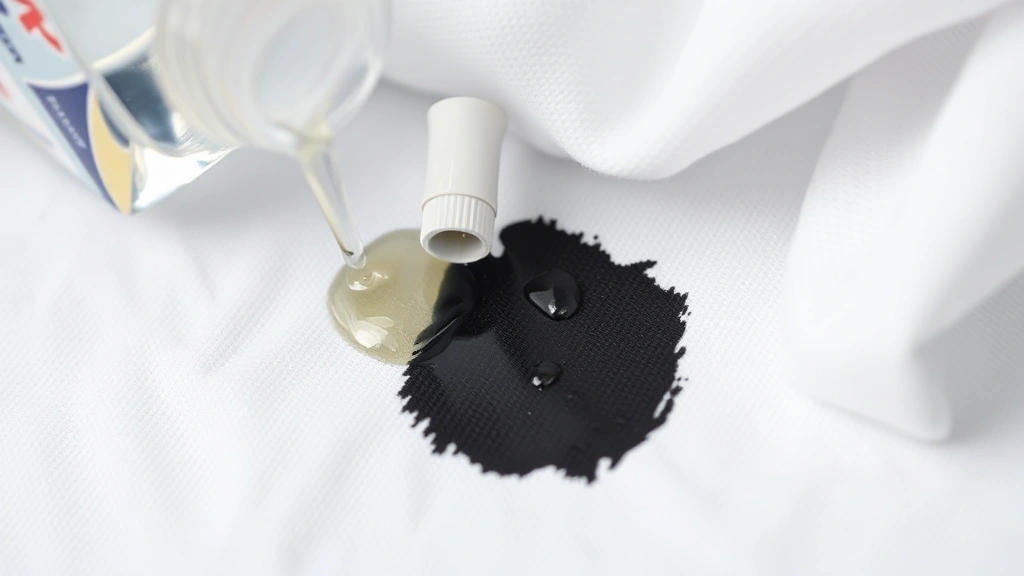
How to Remove Sharpie from Clothes: Expert Tips
How to Remove Sharpie from Clothes: Expert Tips
That moment when you reach for what you thought was a regular pen and accidentally draw a permanent line across your favorite shirt? Yeah, we’ve all been there. Sharpies are fantastic for labeling storage bins and creating art projects, but they’re absolutely terrible when they end up where they shouldn’t be. The good news? That stain doesn’t have to be permanent.
Permanent markers might seem like they live up to their name, but with the right approach, you can get Sharpie out of clothes before it becomes a permanent fixture in your wardrobe. The key is acting quickly and using the right techniques—and we’re going to walk you through all of them.
Whether you’re dealing with a fresh mark or discovered an old stain while doing laundry, this guide will give you multiple strategies to tackle the problem. We’ll cover everything from household items you already have to specialized stain removers, plus preventative tips to keep your clothes marker-free going forward.
Why Speed Matters: The First 24 Hours
The difference between a stain you can remove and one that becomes permanent comes down to timing. Sharpie markers use alcohol-based ink that bonds with fabric fibers over time. The longer the marker sits on your clothing, the deeper that ink penetrates, making it exponentially harder to remove. Think of it like a race against chemistry—the faster you move, the better your odds of winning.
The first 24 hours are absolutely critical. If you catch the stain within the first few hours, you’re working with fresh ink that hasn’t fully set into the fabric. This is when you’ll see the most dramatic results with virtually any removal method. If the stain has been sitting for days or weeks, you’ll need more aggressive techniques and possibly multiple treatment rounds.
Don’t make the mistake of tossing the garment in the washing machine immediately. Heat and agitation from a regular wash cycle can actually set the stain permanently. Instead, treat the spot first using one of the methods below, then wash according to the fabric’s care instructions. This two-step approach gives you the best chance of success.
Rubbing Alcohol Method: The Gold Standard
This is the most reliable method for removing Sharpie stains, and it works because Sharpie ink is alcohol-soluble. You’re essentially using like to dissolve like—alcohol breaks down the alcohol-based ink and releases it from the fabric fibers.
What You’ll Need:
- Rubbing alcohol (70% isopropyl alcohol works best)
- Clean white cloth or paper towels
- A small bowl or container
- Mild detergent
- Water
Step-by-Step Process:
- Place the stained garment on a flat surface with the stain facing up. Put a clean white cloth underneath to catch any excess liquid and prevent the stain from transferring to other areas.
- Pour rubbing alcohol into a small bowl. Don’t dilute it—use it straight from the bottle for maximum effectiveness.
- Dip a clean cloth into the alcohol and blot the stain gently. Don’t rub vigorously, as this can push the ink deeper into the fabric or spread it around.
- Work from the outside edges of the stain toward the center. This prevents the stain from expanding.
- As the cloth becomes saturated with ink, switch to a fresh section or grab a new cloth entirely. You want to be lifting ink out, not just moving it around.
- Repeat this blotting process until the stain stops transferring to your cloth. This might take 10-15 minutes depending on how fresh the stain is.
- Once the visible ink is gone, rinse the area with cool water and a tiny bit of mild detergent to remove any remaining alcohol residue.
- Rinse again with plain water until the soap is completely gone.
- Air dry the garment. Do not put it in the dryer until you’re certain the stain is completely removed.
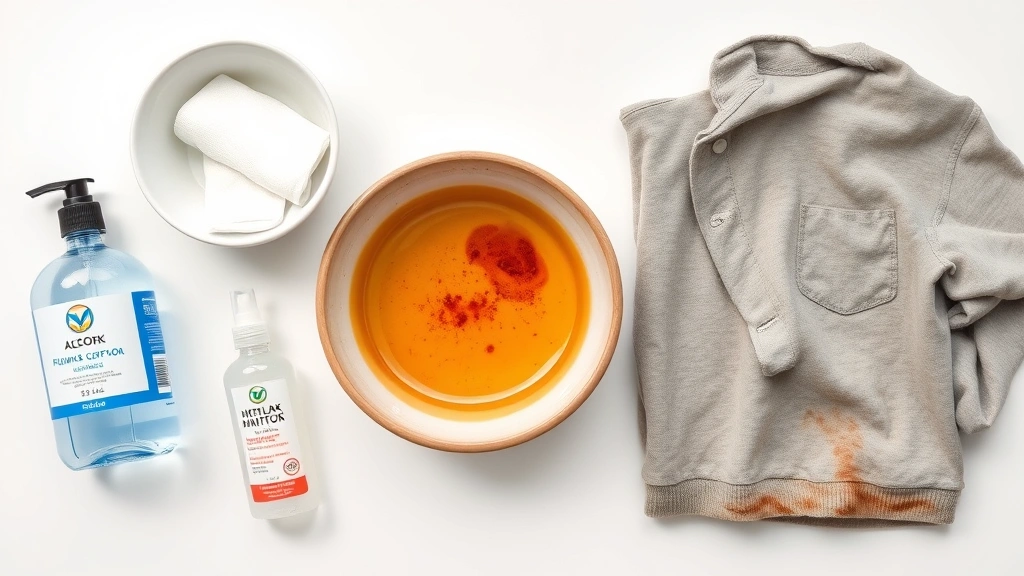
The beauty of this method is its simplicity and effectiveness. Rubbing alcohol is inexpensive, readily available at any drugstore, and works on most fabric types. Many people keep a bottle on hand specifically for stain emergencies.
Hairspray Technique: A Common Household Solution
Before you dismiss this as an old wives’ tale, hear us out. Many hairsprays contain alcohol as a primary ingredient, which means they can work similarly to rubbing alcohol. This makes hairspray a viable option if you don’t have rubbing alcohol on hand.
Important Note: Not all hairsprays are created equal. You need an alcohol-based hairspray—check the ingredient list to confirm alcohol is listed near the top. Modern gel-based or alcohol-free formulas won’t work for stain removal.
How to Use It:
- Spray the hairspray directly onto the Sharpie stain, saturating the affected area.
- Let it sit for 2-3 minutes while the alcohol begins breaking down the ink.
- Use a clean cloth to blot the stain, working from the edges inward.
- Repeat spraying and blotting until the stain fades.
- Rinse thoroughly with water and wash the garment in cool water with mild detergent.
This method works best on fresh stains. Older stains might require the more concentrated rubbing alcohol approach instead. Also be aware that hairspray can sometimes leave a sticky residue, so thorough rinsing is essential.
Hand Sanitizer and Other Alcohol-Based Options
Any product with a high alcohol content can potentially work on Sharpie stains. Hand sanitizer, cologne, perfume, and even mouthwash contain alcohol and can serve as emergency removal tools.
Effectiveness Ranking:
- Most Effective: Rubbing alcohol and hand sanitizer (typically 60-70% alcohol)
- Moderately Effective: Cologne and perfume (usually 70-90% alcohol)
- Less Effective: Mouthwash (typically only 15-27% alcohol)
The higher the alcohol content, the better it will work. If you’re using hand sanitizer, apply it generously and give it a few minutes to work before blotting. The same blotting technique applies—work from the edges inward and switch to clean cloth sections frequently.
One advantage of using hand sanitizer is that it’s antimicrobial, so you’re simultaneously disinfecting the area. The downside is that hand sanitizers often contain thickening agents that can leave residue, requiring extra thorough rinsing.
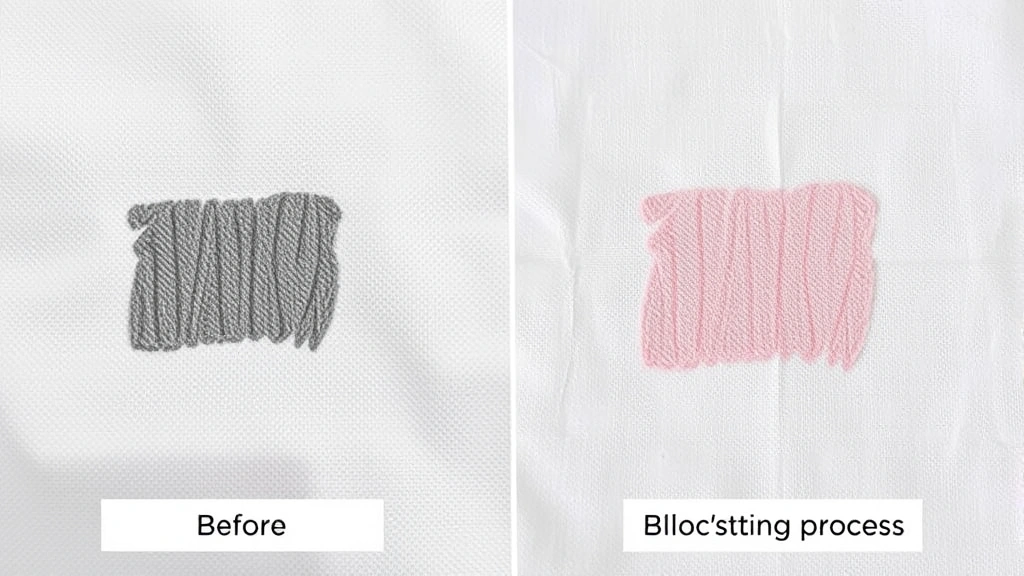
Alternative Methods Worth Trying
If you’ve exhausted the alcohol options or prefer to use products you already have at home, these alternative methods can work, though they’re generally less effective than alcohol-based approaches.
Acetone (Nail Polish Remover)
Acetone is a powerful solvent that can dissolve Sharpie ink. However, it’s quite harsh and can damage some fabrics, particularly synthetics and delicate materials. Test it on an inconspicuous area first. Apply it with a cloth, blot gently, and rinse immediately with water and detergent.
Milk Soak Method
Surprisingly, milk contains lactic acid that can help break down certain inks. Soak the stained area in a bowl of milk for 30 minutes to an hour, then blot with a cloth. While less aggressive than alcohol, it’s gentler on delicate fabrics and worth trying before moving to stronger solvents.
Baking Soda Paste
Mix baking soda with a small amount of water to create a thick paste. Apply it to the stain and let it sit for 15-20 minutes. The slight abrasiveness can help lift the ink. Gently rub with a soft cloth, then rinse thoroughly. This method works better for lighter stains and newer fabrics.
Vinegar and Detergent Combination
Mix equal parts white vinegar and liquid detergent. Apply to the stain and let sit for 10 minutes. Blot with a clean cloth, then rinse. The acidity of vinegar combined with the cleaning power of detergent can tackle some stains, though results are inconsistent.
Rubbing with Toothpaste
Regular (not gel) toothpaste contains mild abrasives that can sometimes help lift ink stains. Apply toothpaste to the stain, gently rub with a soft cloth, and rinse well. This is a gentle option but less reliable than alcohol-based methods.
Tackling Different Fabric Types
Not all fabrics are created equal, and some require more delicate handling than others. Understanding your fabric type ensures you remove the stain without damaging the garment.
Cotton and Cotton Blends
Cotton is forgiving and can handle rubbing alcohol and acetone without issue. These are your most straightforward stains to treat. Cotton’s durability means you can be more aggressive with your blotting technique if needed.
Delicate Fabrics (Silk, Satin, Lace)
These materials require a gentler touch. Use diluted rubbing alcohol (50/50 with water) instead of straight alcohol. Apply with dabbing motions rather than rubbing, and consider testing on a hidden seam first. The milk soak method might be your best bet for these delicate pieces.
Polyester and Synthetic Blends
Be cautious with acetone on these fabrics, as it can damage synthetics. Stick with rubbing alcohol, which is safer for most polyester garments. Test in an inconspicuous area first to ensure the alcohol doesn’t affect the fabric’s finish or color.
Wool
Wool is protein-based and can be sensitive to harsh chemicals. Use diluted rubbing alcohol and blot gently. The milk soak method is an excellent alternative for wool garments, as it’s gentler and less likely to cause damage.
Denim
Denim is durable and can handle full-strength rubbing alcohol without issue. In fact, denim’s texture can sometimes make Sharpie stains easier to remove since the ink doesn’t penetrate as deeply as it might in smoother fabrics.
For any fabric type, always check the care label first and test your chosen removal method on a hidden area. This takes two minutes and could save your garment from accidental damage.
Prevention and Storage Tips
The best stain is the one that never happens. While accidents will happen, you can significantly reduce the risk with smart storage and handling practices.
Storage Solutions
- Keep Sharpies in a designated drawer or container away from clothing
- Store markers with caps securely fastened to prevent leaks
- Use a marker organizer or caddy to keep them contained
- Consider storing markers in a separate room from where you keep clothes
Handling Practices
- Don’t carry loose markers in pockets or bags with clothing
- Be extra careful when using Sharpies near children’s clothing
- Wash your hands after using markers before handling fabrics
- Use marker-free alternatives (like fabric paint pens) when labeling clothing items
If you do use Sharpies for labeling clothes (like for camp or sports), consider using a permanent fabric marker designed specifically for clothing, or write on a label that’s been sewn into the garment rather than directly on the fabric.
Related stain removal challenges include learning how to get pen ink out of clothes, which uses similar alcohol-based techniques. You might also encounter how to get grease out of clothes or need to tackle how to get oil out of clothes, which require different approaches. For creative messes, you might need strategies for how to get slime out of clothes. And if you’re dealing with accidents on bedding, our guide on how to get blood out of sheets covers emergency stain removal for larger items.
Even if you’re careful with your clothing care, you’ll want to maintain proper washing practices. If you’re wondering about broader laundry care, you might find it helpful to understand how to wash shoes in washing machine for delicate items that need special handling.
Frequently Asked Questions
Can you remove Sharpie from clothes after it’s been washed?
Yes, but it’s significantly harder. Heat from the dryer can set the stain permanently, so if you discover a Sharpie mark after washing, treat it immediately before drying. Use rubbing alcohol and repeat the blotting process several times. You might need to do multiple treatment rounds, but it’s still possible to remove it.
Will rubbing alcohol damage my clothes?
Rubbing alcohol is generally safe for most fabrics when used properly. However, it can fade certain colors or damage delicate materials like silk. Always test on an inconspicuous area first. For valuable or delicate garments, consider consulting a professional dry cleaner instead of experimenting at home.
What’s the difference between permanent and washable Sharpies?
Permanent Sharpies use alcohol-based ink that bonds strongly with fabric, while washable markers use water-based ink that’s much easier to remove. If you’re dealing with a washable marker stain, simply rinse with cool water and wash normally—no special treatment needed.
Can I use bleach to remove Sharpie stains?
Bleach is not recommended for Sharpie removal. It won’t effectively dissolve the marker ink, and it can damage or discolor your clothing. Stick with alcohol-based methods, which are specifically effective against permanent marker ink.
How long does it take to remove a Sharpie stain?
Fresh stains can be removed in 10-15 minutes using rubbing alcohol. Older stains might require 30-60 minutes of repeated treatment. The age of the stain is the biggest factor in removal time.
Is it possible to completely remove old Sharpie stains?
It depends on how long the stain has been set. Stains that have been on clothing for weeks or months are much harder to remove completely. You might reduce the visibility significantly, but complete removal becomes increasingly unlikely as time passes. This is why acting quickly is so important.
Should I use hot or cold water when treating Sharpie stains?
Always use cool or cold water. Hot water can help set stains permanently, while cold water prevents the ink from bonding deeper into the fabric. After treating with alcohol, rinse with cold water and wash in the coolest water appropriate for the fabric type.
Can dry cleaners remove Sharpie stains?
Yes, professional dry cleaners have access to industrial-strength solvents and specialized equipment that can tackle stubborn Sharpie stains. If your DIY attempts aren’t working, especially on valuable or delicate garments, a professional dry cleaner is worth the investment.

Related Posts

How Long to Boil Lobster Tails: Cooking Guide

How Long to Fly from New York to London? Travel Times
