
How to Get Rid of Wasps: Expert Guide
How to Get Rid of Wasps: Expert Guide
There’s nothing quite like the panic that sets in when a wasp buzzes past your head during a summer barbecue. These stinging insects have a reputation for aggression, and honestly, they’ve earned it. Unlike bees, which are generally docile and crucial pollinators, wasps are territorial hunters that’ll chase you down if they feel threatened. The good news? You don’t have to surrender your outdoor spaces to these winged menaces. With the right approach, you can reclaim your patio, garden, and deck without resorting to hiring an exterminator.
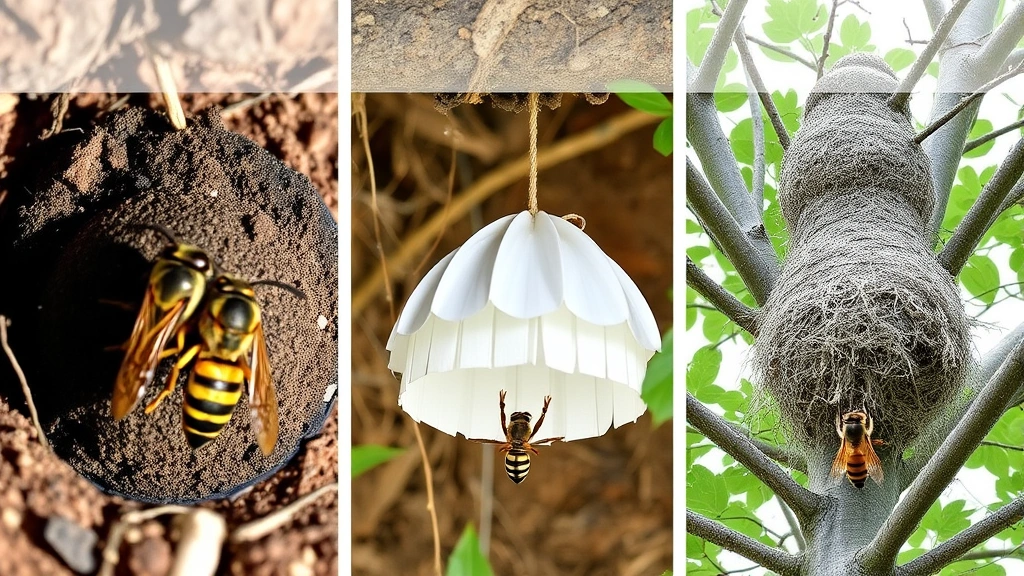
The challenge with wasps is that they’re incredibly adaptable. Paper wasps build their distinctive umbrella-shaped nests under eaves. Yellow jackets nest underground and are scavengers drawn to your food and drinks. Bald-faced hornets (technically wasps) create massive gray paper nests in trees. Each species requires a slightly different strategy, but the core principles remain the same: remove attractions, eliminate nesting sites, and use targeted removal methods when necessary.
This guide walks you through everything from identifying what you’re dealing with to implementing humane and effective removal strategies. Whether you’re facing a single nest or an invasion, you’ll find practical solutions that actually work.
Identifying Your Wasp Problem
Before you can effectively tackle your wasp situation, you need to know exactly what you’re dealing with. Not all stinging insects are created equal, and misidentifying them could lead to ineffective treatment strategies. The three main culprits are paper wasps, yellow jackets, and bald-faced hornets.
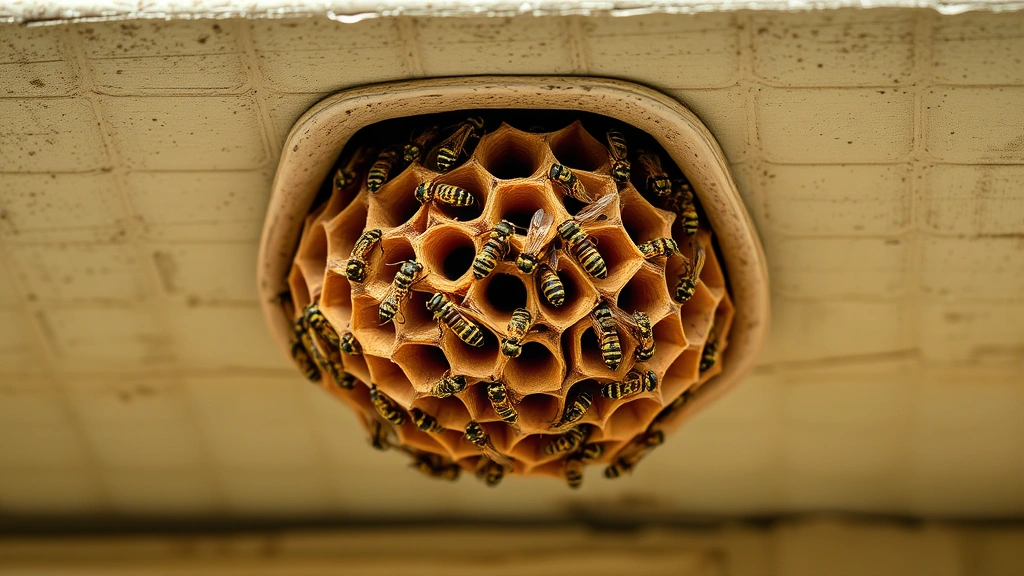
Paper wasps are slender, reddish-brown insects about three-quarters of an inch long. They build distinctive open-comb nests that look like upside-down umbrellas, typically found under eaves, deck railings, or in tree branches. These wasps are generally less aggressive than their cousins and will only sting if their nest is directly threatened. You’ll usually find just one nest per area, and they’re relatively easy to spot.
Yellow jackets are the troublemakers of the wasp world. These black and yellow striped insects are about half an inch long and incredibly aggressive, especially in late summer when their colonies are largest. They’re scavengers, which means they’re attracted to your picnics, trash cans, and sugary drinks. Unlike paper wasps, yellow jackets build their nests underground, in wall cavities, or in attics, making them harder to locate. A single colony can contain hundreds of workers.
Bald-faced hornets are actually wasps despite their name. They’re larger than yellow jackets (about five-eighths of an inch) and distinctly black with white facial markings. They’re highly aggressive and will defend their large, gray, football-shaped nests vigorously. These nests are often built high in trees or on building exteriors and can reach the size of a basketball.
Prevention Strategies That Work
The best way to handle a wasp problem is to prevent one from developing in the first place. Prevention is significantly easier and safer than removal, and it protects your family from unnecessary stings. Here are the most effective prevention tactics.
Eliminate food and water sources. Wasps are attracted to protein, sugar, and moisture. Keep your trash cans tightly sealed and positioned away from seating areas. Don’t leave pet food outside overnight. Clean up spills immediately, particularly sugary drinks and sauces. Cover food and drinks during outdoor meals, and consider using mesh food covers. Remove standing water from birdbaths, gutters, and containers, as wasps drink from these sources.
Seal entry points. Check your home’s exterior for cracks, gaps, and holes where wasps might nest or build tunnels. Seal gaps around windows and doors with caulk or weatherstripping. Inspect soffit vents and ensure they’re properly screened. Cover chimney openings with caps. Pay special attention to areas where utility lines enter your home, as these are common entry points.
Remove potential nesting sites. Trim tree branches away from your house, as this eliminates convenient nesting locations. Remove old wasp nests (when empty) to discourage new colonies from establishing in the same spot. Keep decorative planters, hanging baskets, and other structures at least six feet away from main entrances and seating areas. If you have open structures like pergolas or gazebos, consider enclosing them partially to make them less attractive to nest-builders.
Use deterrent plants. Certain plants naturally repel wasps due to their strong scents. Plant mint, clove, lemongrass, or citronella around your patio. These plants won’t eliminate a wasp problem, but they can reduce attraction to your outdoor living spaces. Similarly, avoid planting flowering plants that attract pollinators near seating areas, as wasps will follow the bees.
If you’re dealing with other pest issues alongside wasps, addressing them holistically helps. For instance, if you’re also battling how to get rid of ants, the food management strategies overlap significantly. Both pests are attracted to similar food sources, so eliminating those removes multiple problems simultaneously.
Proven Removal Methods
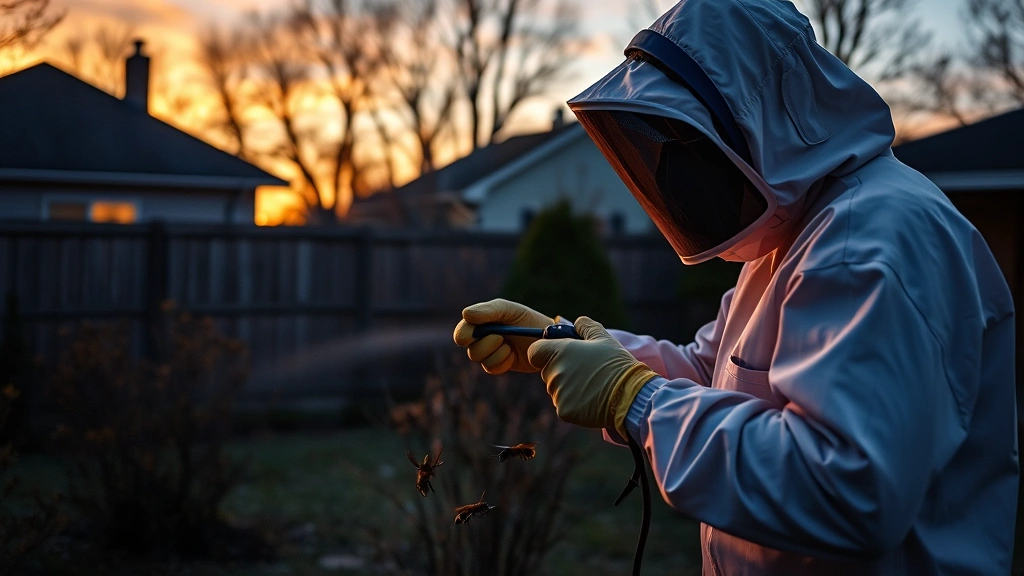
Removing paper wasp nests. Paper wasp nests are the most manageable to remove yourself because the wasps are relatively docile. The best time to remove a nest is at dawn or dusk when activity is lowest, or during cool weather when wasps are sluggish. Wear long sleeves, pants, gloves, and consider wearing a veil or protective headgear.
You have two options: remove the nest physically or use a pesticide spray. For physical removal, use a strong stream of water to knock the nest into a bucket of soapy water, or use a broom to sweep it down. Alternatively, spray the nest with an aerosol wasp killer designed for direct application. Wait several minutes before removing the nest to ensure all wasps are dead. Place the nest in a sealed bag for disposal.
Eliminating yellow jacket nests. Yellow jackets are more challenging because their nests are often hidden. If you’ve located an underground nest, you can treat it with a dust or liquid pesticide specifically formulated for ground-nesting wasps. Follow the product instructions carefully. Apply treatments in the evening when activity is minimal. Wear protective clothing and keep children and pets away from the area for at least 24 hours after treatment.
For wall or attic nests, the situation becomes more complex. You’ll need to identify the exact location, which might require following wasps as they enter your home. Once located, treat the area with pesticide foam or dust. Some people prefer to seal the entrance hole after treatment to prevent wasps from escaping into living spaces. This is where professional help often becomes worthwhile, as improper handling can result in wasps entering your home.
Dealing with bald-faced hornet nests. These large nests warrant professional removal in most cases. Bald-faced hornets are extremely aggressive and will attack en masse if their nest is threatened. If you absolutely must remove one yourself, do so at night when it’s cool and wasps are less active. Wear full protective gear and keep an escape route clear. Spray the nest thoroughly with an aerosol hornet killer, then wait several hours before attempting removal. Given the danger, professional removal is genuinely recommended here.
When using any chemical treatments, always follow safety guidelines for pesticide application. Wear protective equipment, keep children and pets away, and never apply more than the recommended amount. Store pesticides safely and dispose of empty containers according to local regulations.
Natural and DIY Solutions
Smoke and heat methods. Wasps dislike smoke and heat. If you’re dealing with a nest in an accessible location, you can use a smoker (like those used in beekeeping) to drive wasps away. This works better as a deterrent than a permanent solution, but it can buy you time to implement other strategies. Never use open flames near your home’s exterior, as this creates fire hazards.
Decoy nests. Hanging fake wasp nests can deter paper wasps from establishing colonies, as wasps are territorial and avoid areas with existing nests. You can purchase realistic decoy nests or make them from paper bags stuffed with newspaper. Hang them in areas where you want to prevent nesting. This works best before wasps establish actual nests, so install decoys in spring. Be aware that this method is only effective for paper wasps; yellow jackets and hornets won’t be fooled.
Vinegar and essential oil traps. Create a simple trap by filling a jar with apple cider vinegar and a few drops of dish soap. The vinegar attracts wasps, and the soap breaks the surface tension, causing them to drown. Place these traps away from seating areas but within your yard. This method captures individual wasps but won’t eliminate an established nest. It’s more useful for managing occasional wasps during peak season.
Homemade wasp repellent spray. Mix equal parts water and white vinegar in a spray bottle, then add ten drops of peppermint or clove essential oil. Spray this mixture around areas where wasps congregate, such as patio edges and deck railings. Reapply every few days or after rain. While not as effective as commercial deterrents, it’s a safe option if you have children or pets and prefer to avoid chemical sprays.
Cucumber peels. Wasps dislike the smell of cucumber. Scatter fresh cucumber peels around your patio or garden. This is a mild deterrent at best and works better as part of a multi-layered prevention approach rather than a standalone solution. Change the peels every few days as they decompose.
If you’re implementing a comprehensive pest management approach, you might also consider strategies for how to get rid of carpenter bees, as these can sometimes share similar nesting preferences on your property. Additionally, addressing other pest issues like how to get rid of spiders creates a more holistic pest management strategy.
When to Call a Professional
There are situations where professional pest control is genuinely the best choice. If you have multiple nests, a bald-faced hornet nest, or a nest in a dangerous location (near electrical wires, on your roof, inside walls), hire a professional. They have specialized equipment, protective gear, and experience handling aggressive wasps safely.
Professional exterminators can also identify hidden nests and treat wall or attic cavities without causing structural damage. They understand local regulations regarding pesticide use and can ensure proper disposal of nests and dead wasps. The cost typically ranges from $300 to $1,500 depending on nest size and location, but it’s a worthwhile investment for safety and peace of mind.
When hiring a professional, verify they’re licensed and insured. Ask about their methods and whether they use environmentally friendly treatments if that’s important to you. Request a warranty on their work, and clarify whether they’ll remove the nest or just treat it. Get quotes from at least two companies before making a decision.
For comprehensive pest management that extends beyond wasps, professionals can also address related issues. Some companies specialize in broader wildlife management, handling everything from how to get rid of skunks to how to get rid of drain flies. If you’re dealing with multiple pest problems, a comprehensive assessment might be more cost-effective than treating each issue separately.
Frequently Asked Questions
How long does it take for wasps to build a nest?
Paper wasps can build a visible nest in as little as three to five days during warm weather. Yellow jackets take a bit longer, typically one to two weeks. The exact timeline depends on temperature, weather conditions, and the number of workers in the colony. This is why early intervention is crucial—addressing a small nest is far easier than dealing with a fully established colony.
Will wasps return to the same location after the nest is removed?
Yes, they often will, especially if you simply remove the nest without treating the area. This is why it’s important to either treat the location with pesticide after removal or to install a decoy nest as a deterrent. Even after treatment, some wasps may investigate the area in subsequent years. Continuing prevention efforts year-round yields the best results.
Are wasps beneficial despite being dangerous?
Absolutely. While wasps are aggressive and dangerous to humans, they’re actually beneficial for the ecosystem. Adult wasps feed on nectar and are pollinators. More importantly, wasps are predators of many garden pests including flies, mosquitoes, and caterpillars. They help control pest populations naturally. This is why tolerating wasps far from your living spaces, or using removal methods rather than wholesale extermination, is often the best approach.
What’s the difference between wasps and hornets?
Technically, hornets are a type of wasp. The common distinction is that true hornets (like the European hornet) are generally larger and less aggressive than yellow jackets and paper wasps. Bald-faced hornets, despite their name, are actually wasps. For practical purposes, all of these stinging insects can be managed using similar strategies, though hornets typically warrant professional removal due to their size and aggression.
Can I prevent wasps by removing all flowering plants?
While removing all flowering plants would technically reduce wasp attraction, it’s an extreme and unnecessary approach. Wasps are attracted to flowers because they feed on nectar, but they’re also attracted to protein sources like meat and garbage. A better strategy is to maintain flowering plants away from main living areas and focus on eliminating food and water sources near patios and gathering spaces.
Is it safe to remove a wasp nest myself?
It depends on the species and your comfort level. Paper wasp nests can be safely removed by most people with proper precautions and protective gear. Yellow jacket nests are riskier, especially if underground or in walls. Bald-faced hornet nests should almost always be left to professionals. Always wear protective clothing, work during cool periods when wasps are sluggish, and have an escape route planned. If you’re allergic to wasp venom or uncomfortable with the task, professional removal is always the safer option.
What should I do if I get stung by a wasp?
Remove the stinger if present (though wasps rarely leave their stinger). Wash the area with soap and water, apply ice to reduce swelling, and take an antihistamine or anti-inflammatory medication if needed. Most stings cause minor irritation that resolves within hours. However, if you experience severe swelling, difficulty breathing, or anaphylactic symptoms, seek emergency medical attention immediately. People with known wasp allergies should carry an epinephrine auto-injector and seek professional nest removal rather than attempting DIY removal.
How can I tell if a wasp nest is active?
Active nests have wasps constantly entering and exiting. Inactive or abandoned nests appear empty and may have a weathered appearance. Paper wasp nests that are greyish and papery-looking are likely abandoned, while bright-colored or fresh-looking nests are active. Never assume a nest is inactive based on appearance alone. If you’re unsure, observe from a safe distance during the day when wasps are most active. This determines whether treatment is necessary and what time of day is safest for removal.

Related Posts

How Long to Boil Lobster Tails: Cooking Guide

How Long to Fly from New York to London? Travel Times
