
Banish Termites for Good: Proven Methods for a Pest-Free Home
Termites represent one of the most destructive pests that can infiltrate your home, causing billions of dollars in property damage annually across the United States. These silent destroyers work tirelessly behind walls, under floors, and within wooden structures, often going undetected until significant damage has already occurred. Understanding how to identify, prevent, and eliminate termite infestations is crucial for protecting your most valuable investment – your home.
The key to successful termite control lies in early detection and comprehensive treatment strategies that address both existing colonies and prevent future invasions. Whether you’re dealing with subterranean termites tunneling through soil or drywood termites boring directly into wooden structures, this guide will provide you with proven methods to banish these destructive pests for good and maintain a pest-free home environment.
Understanding Termites and Their Behavior
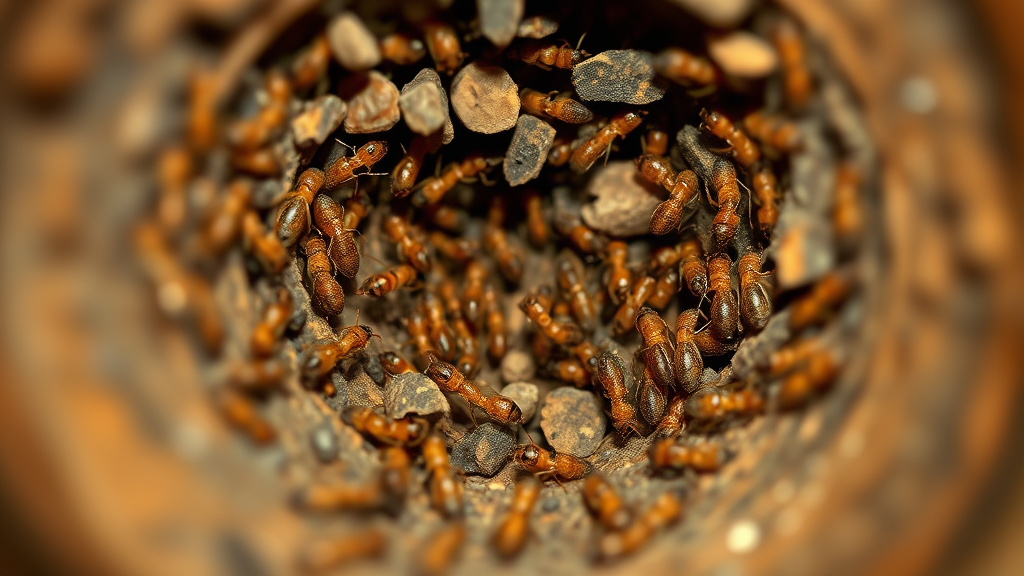
Termites are social insects that live in colonies containing thousands to millions of individuals, organized into distinct castes including workers, soldiers, and reproductive members. Unlike ants, termites feed primarily on cellulose found in wood, paper, and other plant materials. The most common species affecting homes are subterranean termites, which build their colonies in soil and construct mud tubes to access food sources above ground, and drywood termites, which live entirely within the wood they consume.
Subterranean termites require constant moisture and maintain contact with soil, making them particularly problematic in areas with high humidity or moisture issues. They can travel up to 100 feet from their colony to find food sources, making early detection challenging. Drywood termites, conversely, obtain moisture from the wood they consume and can survive in drier conditions, often infesting furniture, flooring, and structural timber without any ground contact.
Understanding termite behavior patterns is essential for effective control. These insects are most active during warmer months and swarm during specific seasons to establish new colonies. Recognizing these patterns helps homeowners implement targeted prevention and treatment strategies at optimal times.
Identifying Signs of Termite Infestation
Early detection of termite activity can save thousands of dollars in repair costs and prevent extensive structural damage. The most obvious signs include the presence of winged termites or discarded wings near windows, doors, and light sources, particularly during spring and fall swarming seasons. These reproductive termites leave their colonies to establish new ones, and finding them indicates an active infestation nearby.
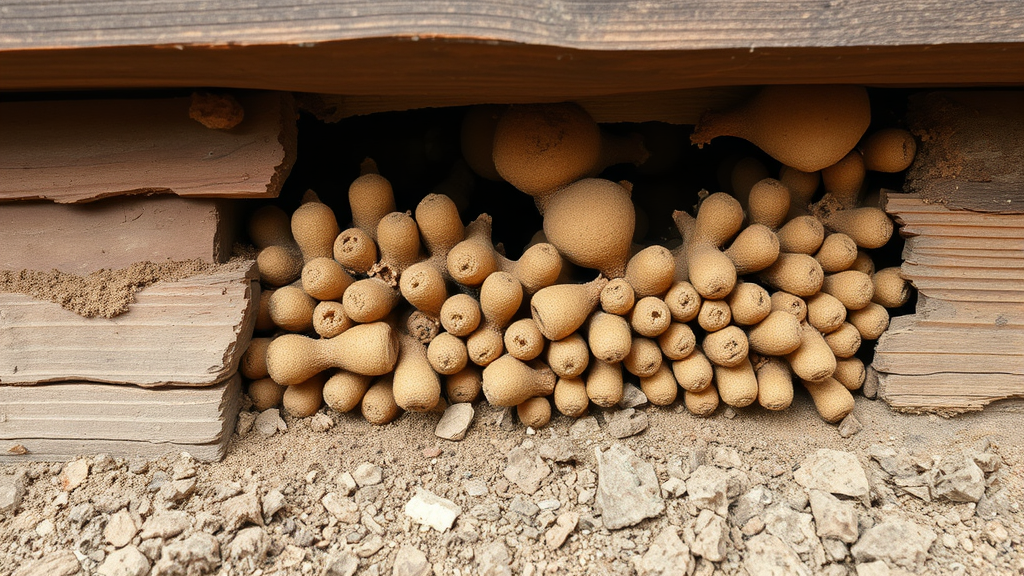
Mud tubes are another telltale sign of subterranean termite activity. These pencil-thick tunnels appear along foundation walls, in crawl spaces, and on other surfaces, providing protected pathways for termites to travel between their soil-based colonies and food sources. Breaking open these tubes may reveal live termites, confirming active infestation.
Wood damage presents differently depending on the termite species. Subterranean termites create galleries that follow the grain of the wood, leaving behind a honeycomb-like pattern filled with soil and debris. Drywood termites create smooth galleries across the grain, producing distinctive pellet-like droppings called frass. Hollow-sounding wood when tapped, sagging floors, tight-fitting doors and windows, and small holes in drywall can all indicate termite damage.
Professional inspections using specialized tools like moisture meters and acoustic detection devices can identify termite activity that might not be visible to the untrained eye. The Environmental Protection Agency recommends annual inspections in areas with high termite activity.
Prevention Methods and Home Maintenance
Effective termite prevention begins with eliminating conditions that attract these pests to your property. Moisture control stands as the most critical prevention strategy, as termites require water to survive and thrive. Ensure proper drainage around your home’s foundation by maintaining gutters, downspouts, and grading that directs water away from the structure. Fix leaky pipes, faucets, and air conditioning units promptly, and use dehumidifiers in basements and crawl spaces to maintain humidity levels below 50 percent.
Wood-to-soil contact provides direct access routes for subterranean termites. Maintain at least six inches of clearance between wooden siding, decking, and soil. Remove wooden debris, firewood, and lumber from areas adjacent to your home, storing firewood at least 20 feet away and elevated off the ground. Tree stumps, roots, and other cellulose materials in the soil near your foundation should be removed completely.
Seal potential entry points by caulking cracks in your foundation, around utility penetrations, and in concrete slabs. Install proper ventilation in crawl spaces and attics to reduce moisture buildup. Consider using termite-resistant materials like pressure-treated lumber, steel framing, or concrete alternatives when building or renovating. Just as you might address other pest issues like carpenter ants or carpenter bees, maintaining your home’s structural integrity is essential for comprehensive pest prevention.
DIY Treatment Options
Several do-it-yourself treatment options can effectively address minor termite problems or serve as supplementary measures alongside professional treatments. Boric acid, a naturally occurring mineral, acts as both a stomach and contact poison for termites. Create bait stations by mixing boric acid with cellulose materials like cardboard or wood pulp, placing them near suspected termite activity. This method works slowly but can eliminate entire colonies as worker termites carry the poisoned material back to feed others.
Beneficial nematodes offer an environmentally friendly biological control option. These microscopic worms parasitize and kill termites and other soil-dwelling pests. Purchase them from garden centers or online suppliers, then release them into moist soil around your home’s perimeter according to package instructions. Nematodes work best in temperatures between 60-90°F and require consistent soil moisture.
Diatomaceous earth, composed of fossilized algae, damages termite exoskeletons and causes dehydration. Apply food-grade diatomaceous earth around your home’s foundation and in areas where termites might enter. Reapply after rain or irrigation, as moisture reduces its effectiveness.
Essential oil treatments using orange oil or neem oil can kill termites on contact and may have some repellent properties. However, these treatments typically only affect termites that come into direct contact with the oils and may not reach entire colonies. While DIY methods can be helpful for minor issues, they often lack the comprehensive coverage and long-term effectiveness of professional treatments.
Professional Treatment Solutions
Professional pest control services offer the most comprehensive and reliable solutions for significant termite infestations. Liquid termiticides create chemical barriers in soil around your home’s foundation, killing termites that attempt to cross treated areas. Modern non-repellent termiticides like fipronil and imidacloprid are undetectable to termites, allowing them to pass through treated soil and carry the active ingredient back to their colonies, ultimately eliminating entire populations.
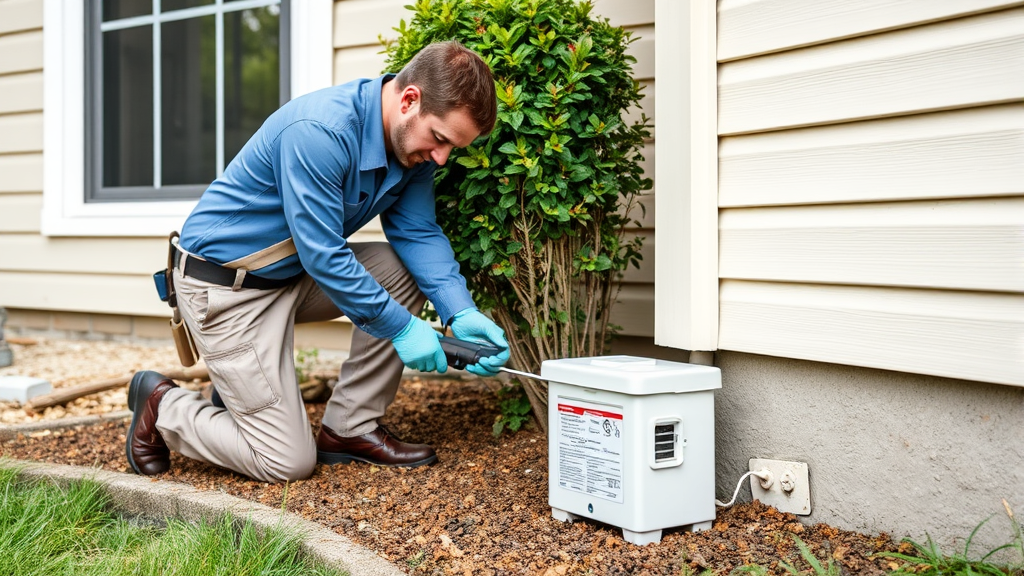
Termite bait systems represent another highly effective professional treatment option. Pest control technicians install bait stations containing cellulose materials laced with slow-acting toxins around your property’s perimeter. Worker termites feed on the bait and share it with colony members through normal food-sharing behaviors, gradually eliminating the entire colony over several months. These systems require regular monitoring and bait replacement by trained professionals.
Heat treatment offers a chemical-free option for drywood termite infestations. Professionals use specialized heating equipment to raise the temperature in infested structures to 120-140°F for several hours, killing all termite life stages. This method works quickly and doesn’t leave chemical residues, but requires careful preparation to protect heat-sensitive items and may not prevent reinfestation.
Fumigation provides the most thorough treatment for extensive drywood termite infestations. The process involves sealing the entire structure under tarps and introducing lethal gas that penetrates all wood surfaces. According to the Centers for Disease Control, fumigation requires temporary evacuation and professional oversight to ensure safety.
Long-term Monitoring and Maintenance
Successful termite control requires ongoing vigilance and regular monitoring to prevent reinfestation and detect new termite activity early. Establish a routine inspection schedule, examining your property quarterly for signs of termite activity, moisture problems, and structural changes. Pay particular attention to areas where previous infestations occurred, as these locations may remain vulnerable to future attacks.
Maintain detailed records of all termite treatments, inspections, and preventive measures implemented on your property. This documentation helps track the effectiveness of different strategies and provides valuable information for pest control professionals during future visits. Photograph any suspicious damage or activity to monitor changes over time.
Professional monitoring services often include annual inspections and bait station maintenance as part of comprehensive termite management programs. These services typically come with treatment guarantees and can identify emerging problems before they cause significant damage. The University of Minnesota Extension emphasizes that consistent monitoring is more cost-effective than addressing major infestations after they become established.
Consider upgrading your home’s termite resistance during renovations or repairs by incorporating physical barriers, resistant materials, and improved moisture control systems. Modern construction techniques and materials can significantly reduce termite susceptibility when properly implemented. Just as with other household pests like spiders or drain flies, maintaining a clean, well-maintained environment supports long-term pest prevention efforts.
Regular maintenance of landscaping, drainage systems, and structural elements continues to play a crucial role in termite prevention. Schedule annual inspections of your home’s foundation, roof, and plumbing systems to identify and address moisture issues promptly. Keep vegetation trimmed away from your home’s exterior and maintain proper soil grading to ensure water flows away from the foundation.
Frequently Asked Questions
How much does professional termite treatment cost?
Professional termite treatment costs vary significantly based on the treatment method, property size, and infestation severity. Liquid termiticide treatments typically range from $1,200 to $2,500 for average-sized homes, while bait systems cost $2,000 to $3,500 including monitoring services. Fumigation for drywood termites can cost $10,000 to $20,000 or more for whole-house treatment. Most companies offer warranties ranging from one to five years, making professional treatment a worthwhile investment considering the potential damage costs.
Can I treat termites myself without calling professionals?
DIY termite treatment can be effective for minor, localized infestations, particularly with drywood termites in accessible areas. However, subterranean termite colonies often extend far beyond visible damage, requiring comprehensive soil treatment that’s difficult to achieve without professional equipment. Additionally, misapplied treatments may temporarily suppress visible activity while allowing the colony to survive and continue causing damage. For significant infestations or when structural damage is evident, professional treatment provides more reliable results.
How long does it take to eliminate a termite colony?
Treatment timelines depend on the method used and colony size. Liquid termiticide treatments typically begin showing results within days to weeks, with complete colony elimination occurring within 90 days. Bait systems work more slowly, requiring three to six months or longer to eliminate entire colonies. Heat treatment and fumigation provide immediate results, killing all termites present during treatment, though these methods don’t prevent reinfestation from external colonies.
What’s the difference between termites and flying ants?
Flying termites and ants are often confused during swarming seasons, but several key differences help distinguish them. Termites have straight antennae, uniform wing lengths, and thick waists, while flying ants have elbowed antennae, longer front wings than back wings, and pinched waists. Termite wings are milky or translucent and easily detach, often found in piles near windows and doors. Flying ant wings are clearer and remain attached longer. Proper identification is crucial since treatment strategies differ significantly between these pests.
How often should I have my home inspected for termites?
Annual termite inspections are recommended for most homes, with more frequent inspections in areas with high termite activity or homes with previous infestations. Properties with ongoing moisture issues, extensive wood construction, or landscapes that attract termites may benefit from semi-annual inspections. New construction should be inspected before the warranty expires, typically within the first year. Professional pest control companies often include annual inspections as part of their treatment warranties.
Do termite treatments harm pets or family members?
Modern termite treatments are designed with safety in mind, but precautions are still necessary. Liquid termiticides are applied primarily in soil around the home’s exterior, minimizing indoor exposure. Bait systems contain active ingredients in secure stations, reducing contact risks. Heat treatment involves no chemicals but requires temporary evacuation during the heating process. Fumigation requires complete evacuation for 24-72 hours and thorough aeration before reoccupancy. Always follow professional recommendations and ask about specific safety measures for your situation.
Can termites return after professional treatment?
While professional treatments are highly effective at eliminating existing colonies, termites can potentially return from neighboring properties or new colonies that establish in the area. This is why most professional treatments include warranties and ongoing monitoring services. Liquid barrier treatments typically last 5-10 years, while bait systems require ongoing maintenance to remain effective. Maintaining proper prevention measures and regular inspections significantly reduces the likelihood of reinfestation, and warranty programs often provide retreatment at no additional cost if termites return.

Related Posts

How Long to Boil Lobster Tails: Cooking Guide

How Long to Fly from New York to London? Travel Times
