
How to Get Rid of Static on Clothes: Expert Tips
How to Get Rid of Static on Clothes: Expert Tips
There’s nothing quite like that moment when you pull a sweater over your head and your hair stands on end like you’ve stuck your finger in an electrical socket. Static cling is one of those annoying laundry problems that catches us all off guard, especially during dry winter months. Whether it’s your clothes sticking to your body, clinging to each other in the dryer, or creating that embarrassing crackling sound when you move, static electricity can turn a perfectly good outfit into an uncomfortable mess.
The good news? Getting rid of static on clothes doesn’t require expensive solutions or complicated procedures. With a few simple techniques and preventative measures, you can keep your wardrobe static-free and looking sharp all day long. We’ve gathered expert tips and practical methods that actually work, so you can stop battling your clothes and start enjoying them.
Understanding Static Electricity in Fabrics
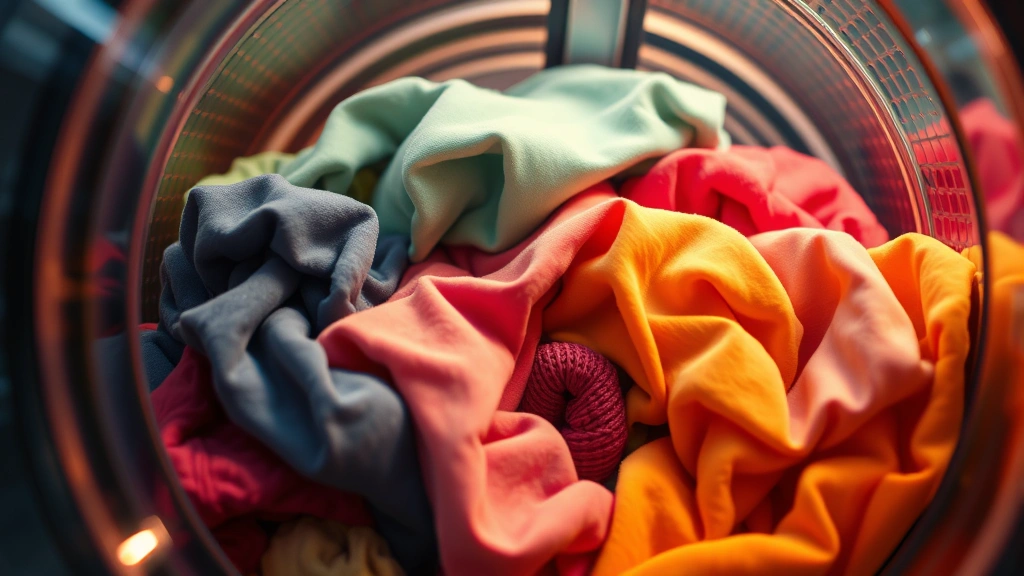
Before we dive into solutions, let’s understand what’s actually happening when your clothes spark and cling. Static electricity builds up when two materials rub together and electrons transfer from one to the other, creating an imbalance of charge. In the dryer, clothes tumble against each other constantly, creating the perfect environment for static buildup.
Certain fabrics are more prone to static than others. Synthetic materials like polyester, acrylic, and nylon hold onto static charges more readily than natural fibers. When these fabrics dry in the heat of your dryer, moisture evaporates from them, which actually increases static buildup. That’s why your favorite synthetic blend sweater seems to attract everything in sight when it comes fresh from the dryer.
Humidity also plays a crucial role. In dry climates or during winter months when heating systems run constantly, the air contains less moisture, making static electricity worse. Conversely, humid environments naturally dissipate static charges, which is why you rarely experience static problems during summer or in coastal areas.
Dryer Sheets and Wool Dryer Balls
The classic solution that’s been around for decades, dryer sheets work by coating your clothes with a thin layer of lubricant that reduces friction between fabrics. This friction reduction directly decreases static buildup. Simply toss one or two sheets into your dryer with your load, and you’ll notice a significant difference in static cling.
The downside? Dryer sheets create buildup on your fabrics over time, which can reduce absorbency in towels and athletic wear. They’re also single-use, creating unnecessary waste if you’re environmentally conscious. Plus, synthetic dryer sheets can leave residue that some people find irritating.
Enter wool dryer balls—a reusable, eco-friendly alternative that’s gaining popularity. These tennis ball-sized spheres made from felted wool work differently than dryer sheets. As they bounce around the dryer, they separate your clothes, allowing hot air to circulate more evenly. This better airflow actually reduces the friction that causes static in the first place. You can reuse wool dryer balls for hundreds of loads, making them a smart investment. For extra benefit, add a few drops of essential oil to the wool balls for a subtle scent boost without chemical fragrances.

Fabric Softener Solutions
Liquid fabric softener works similarly to dryer sheets by coating fabrics with conditioning agents that reduce friction. Add it to the designated compartment in your washing machine during the rinse cycle, following package directions for your load size. The result is softer clothes with noticeably less static.
However, fabric softener has the same buildup problem as dryer sheets and can actually reduce the effectiveness of your detergent over time. It’s also not ideal for certain fabrics—towels treated with fabric softener become less absorbent, and athletic wear loses moisture-wicking properties.
If you prefer a gentler approach, consider using vinegar as a natural fabric softener alternative. Add half a cup of white vinegar to the rinse cycle. It neutralizes detergent residue, which reduces static, and leaves no chemical buildup. The vinegar smell dissipates completely once clothes dry. This method works particularly well for those with sensitive skin or chemical sensitivities.
Adding Moisture to Your Laundry
Since static electricity thrives in dry environments, adding moisture is one of the most effective ways to combat it. Here are several practical methods:
- Damp cloth in the dryer: Toss a damp washcloth or hand towel into your dryer with your load. This adds moisture to the air inside the dryer, which helps dissipate static charges. You can also use a spray bottle to lightly mist your clothes before drying.
- Lower dryer temperature: High heat accelerates moisture evaporation from fabrics. By using a lower temperature setting, your clothes retain more natural moisture, reducing static buildup. Your clothes will also last longer and colors won’t fade as quickly.
- Remove clothes promptly: The moment your dryer cycle ends, take your clothes out. Leaving them in the warm dryer allows them to cool and charge with static. Folding them immediately while still slightly warm helps prevent static from developing.
- Air drying: The ultimate moisture-retaining method. Hanging clothes to dry eliminates static almost entirely since they’re not tumbling in dry heat. This works best for delicate items and is incredibly energy-efficient.
Alternative Static-Fighting Hacks
Beyond traditional methods, there are several creative and effective ways to combat static cling. A piece of aluminum foil crumpled into a ball works surprisingly well in the dryer. As it tumbles, the foil releases ions that neutralize static charges. It’s reusable for dozens of loads and costs just pennies.
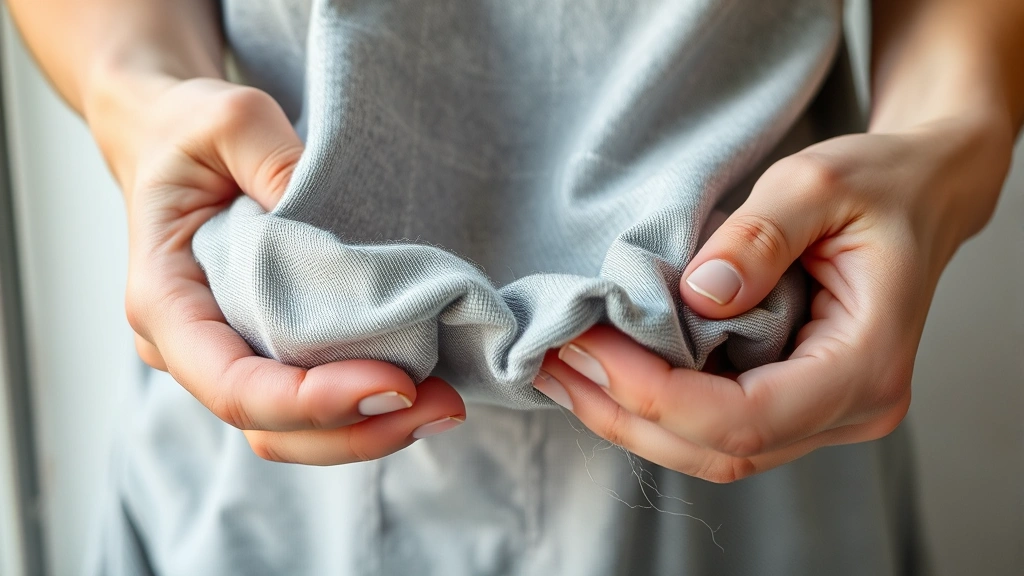
For immediate relief when you’re already wearing static-prone clothing, rub a metal hanger over your garment. The metal conducts static electricity away safely. You can also rub dryer sheets on your clothes while wearing them, or keep a small fabric softener sheet in your purse for quick touch-ups throughout the day.
Hairspray might sound unconventional, but it works in a pinch. A light spray on the inside of your garment helps reduce static cling. Use sparingly to avoid staining or making clothes feel stiff. Similarly, a light misting of water from a spray bottle on the inside of your garment before wearing it can eliminate static instantly.
If you’re dealing with stubborn static on specific items, try this trick: lightly dampen your hands and run them over the affected areas of your clothing. The moisture transfers to the fabric and dissipates the charge. This works especially well for flyaway hair caused by static.
Prevention Tips for Long-Term Success
The best approach to static problems is prevention. Start by separating synthetic fabrics from natural fibers when washing. Wash your clothes in cold water when possible—hot water can increase static buildup in certain materials. When you need to use hot water for heavily soiled items, consider washing synthetics separately in cold water.
Pay attention to your laundry detergent choice. Some detergents create more static than others. If you’re experiencing excessive static despite using other methods, try switching brands or using less detergent than recommended. Excess detergent residue can actually increase static cling.
Clean your dryer regularly to ensure optimal airflow. Lint buildup restricts air circulation, which can actually increase static problems. Learn how to clean your washing machine and dryer as part of your regular home maintenance routine. A clean dryer operates more efficiently and produces better results.
Consider your dryer’s humidity level. If you live in a very dry climate, using a humidifier in your laundry room during winter can make a significant difference. Even a small humidifier running while you do laundry helps reduce static throughout your home.
Why Material Matters
Understanding fabric composition helps you choose the right static-fighting strategy. One hundred percent cotton and other natural fibers rarely develop static problems, even when dried on high heat. If you’re tired of battling static, gradually replacing synthetic-heavy wardrobes with natural fiber alternatives like cotton, linen, and wool is a long-term solution.
However, we realize that’s not practical for everyone. Synthetic fabrics offer benefits like durability, stretch, and easy care. The key is knowing which items in your wardrobe are most problematic and treating them accordingly.
Blended fabrics present an interesting challenge. A 50/50 cotton-polyester blend might not have as much static as pure polyester, but it’s still more prone than 100% cotton. When shopping for new clothes, checking fabric content labels helps you make informed decisions about what static issues you might face.
Interestingly, the order in which you handle similar fabrics matters too. If you’re shrinking jeans or treating other items, remember that certain washing and drying methods can affect static buildup. Always consider the full care process when evaluating your options.
When dealing with stain removal on synthetic fabrics, remember that the cleaning process itself can introduce static problems. If you’re learning how to get grease out of clothes, how to get blood out of sheets, or how to get slime out of clothes, be aware that extra washing and drying cycles increase static buildup. Use the methods mentioned above when handling these situations.
Similarly, when removing oil out of clothes, the solvents and extra drying can create static problems. Plan your static-fighting strategy accordingly when treating stubborn stains.
Frequently Asked Questions
Can I use dryer sheets on all fabric types?
While dryer sheets are generally safe for most fabrics, they’re not ideal for towels, athletic wear, or moisture-wicking fabrics. The coating reduces absorbency and performance. For these items, use wool dryer balls, a damp cloth, or lower heat settings instead.
Is it safe to use aluminum foil in the dryer?
Yes, aluminum foil crumpled into a ball is completely safe and effective. It doesn’t damage your dryer or clothes. The foil releases ions that help neutralize static charges. Just remember to remove it before storing your dryer.
Why does static get worse in winter?
Winter heating systems reduce indoor humidity levels dramatically. Static electricity thrives in dry air, so winter months naturally bring increased static problems. Using a humidifier or the moisture methods mentioned above helps counteract this seasonal issue.
Can fabric softener damage my washing machine?
Liquid fabric softener can accumulate on your washing machine’s components over time, potentially causing buildup or residue issues. If you use fabric softener regularly, periodically run a cleaning cycle with white vinegar to prevent accumulation.
Does air drying completely eliminate static?
Air drying is the most effective method for preventing static since clothes maintain natural moisture and don’t experience the friction of tumbling in a dryer. However, you might still experience minor static from handling, especially with synthetic fabrics in very dry environments.
What’s the difference between dryer sheets and wool dryer balls?
Dryer sheets coat fabrics with lubricants to reduce friction, while wool dryer balls physically separate clothes to improve airflow. Wool balls are reusable, eco-friendly, and don’t create buildup. Dryer sheets are convenient but single-use and create residue over time.
Can I combine multiple static-fighting methods?
Absolutely. Using wool dryer balls plus a damp cloth, or combining vinegar in the wash with lower dryer heat creates a multi-layered approach that’s highly effective. Experiment to find what works best for your situation.
Are there any health concerns with dryer sheets?
Some people experience skin irritation from dryer sheet chemicals or fragrances. If you have sensitive skin, try wool dryer balls, vinegar rinses, or fragrance-free alternatives. Natural methods like aluminum foil or damp cloths avoid chemical exposure entirely.

Related Posts

How Long to Boil Lobster Tails: Cooking Guide

How Long to Fly from New York to London? Travel Times
