
How to Get Rid of Squirrels: Expert Tips
How to Get Rid of Squirrels: Expert Tips for Reclaiming Your Property
Squirrels are charming from a distance—until they’re nesting in your attic, raiding your bird feeders, or turning your garden into their personal buffet. These bushy-tailed acrobats can cause surprisingly significant damage to homes and landscaping, and once they’ve claimed your property as their territory, they’re notoriously difficult to evict. The good news? You don’t need to wage an endless war. With the right combination of strategies, you can effectively discourage squirrels and protect your home without resorting to harmful measures.
This comprehensive guide walks you through proven methods to eliminate squirrel problems, from immediate deterrents to long-term prevention strategies. Whether you’re dealing with a single curious visitor or a full-blown invasion, these expert-backed solutions will help you reclaim your space and keep these persistent rodents at bay.
Why Squirrels Target Your Home
Understanding what attracts squirrels in the first place is your first line of defense. Squirrels aren’t randomly destructive—they’re strategic foragers looking for food, shelter, and nesting sites. Your property likely offers all three, which is why these clever creatures keep returning.
The primary attraction is food. Unsecured garbage cans, fallen fruit from trees, pet food left outside, and bird feeders are like all-you-can-eat buffets for squirrels. They also love nuts, seeds, and the tender shoots of plants. During fall, squirrels become especially aggressive foragers, frantically gathering supplies for winter—this is when most homeowners notice increased activity and damage.
Shelter is the second major draw. Attics, soffits, chimney chases, and spaces between walls provide warm, dry nesting areas perfect for raising litters. A female squirrel will work tirelessly to access these spaces, chewing through wood, drywall, and insulation to create her nest.
Additionally, squirrels establish territories and return to familiar areas. If your neighbors don’t address their squirrel problems, you’re essentially next in line. This is why community-wide prevention efforts work better than isolated attempts.
Identifying Squirrel Damage and Infestation
Before implementing solutions, confirm you actually have a squirrel problem. Several signs indicate active squirrel activity on your property:
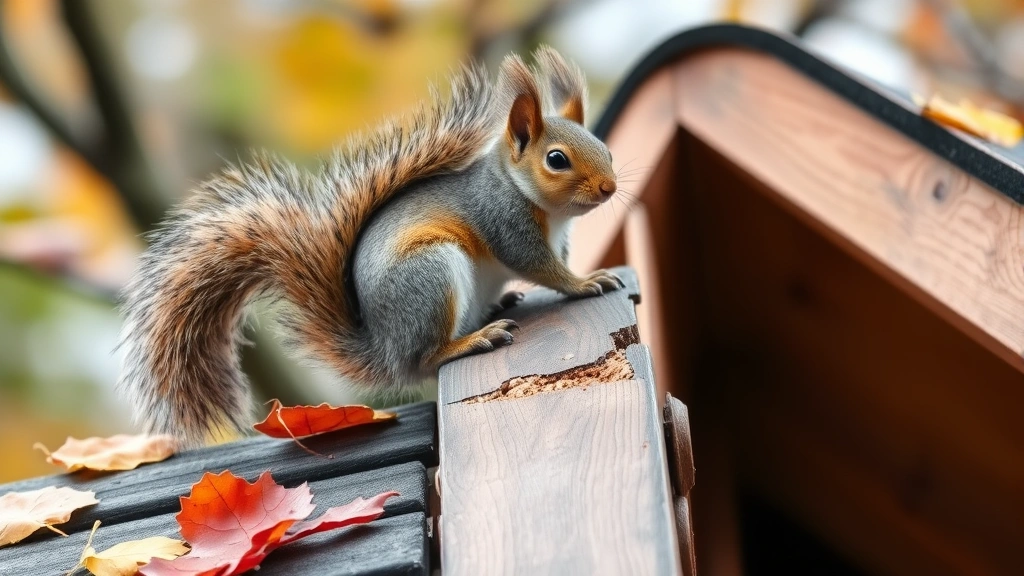
- Visible damage: Look for chewed wood on siding, fascia boards, and roof edges. Squirrels gnaw constantly to keep their teeth sharp, and they don’t discriminate between wood types.
- Droppings: Squirrel feces are roughly the size of a grain of rice, dark brown, and often found in concentrated piles. Check your attic, basement, and areas near entry points.
- Noise: Scratching, scurrying, and chirping sounds in walls or attics, particularly in early morning or evening, indicate active squirrels.
- Nesting material: Shredded insulation, leaves, and plant material in corners or cavities suggest nesting activity.
- Damaged landscaping: Stripped bark on young trees, dug-up bulbs, and partially eaten vegetables point to squirrel foraging.
- Chewed entry points: Look for enlarged holes or gnaw marks around utility lines, vents, and roof penetrations.
Immediate Solutions to Deter Squirrels
Once you’ve confirmed squirrel activity, implement these quick-win strategies to discourage them from your property.
Secure Your Garbage and Food Sources
Start with the easiest fix: eliminate easy food access. Use heavy-duty, locking garbage cans and store them in a garage or shed until collection day. Bring pet food inside after meals rather than leaving it out. If you have outdoor food storage, invest in metal containers with secure latches—squirrels can’t chew through steel.
Remove or Protect Bird Feeders
Bird feeders are irresistible to squirrels, and they’ll perform acrobatic feats to reach them. Your options: remove feeders entirely, switch to safflower seeds (which squirrels dislike), or install specialized squirrel-proof feeders with weight-activated mechanisms that close access when squirrels climb on. Position feeders at least 12 feet away from trees, fences, or structures to prevent jumping access.
Install Physical Barriers
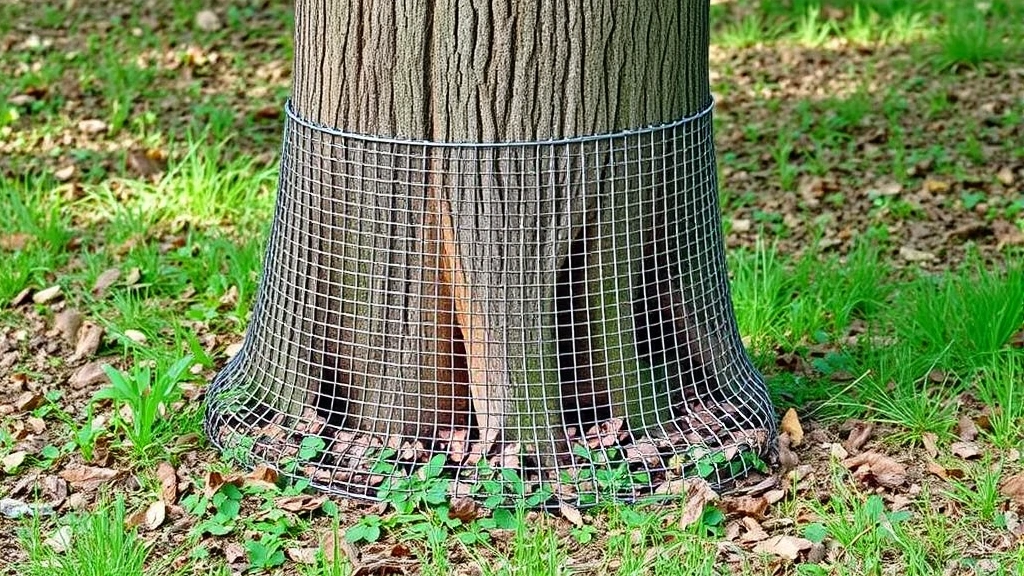
Wrap tree trunks with smooth metal guards at least 6 feet high—squirrels can’t grip smooth surfaces. For garden beds, use wire mesh or hardware cloth barriers buried 6 inches deep and extending above ground level. These prevent digging and protect vulnerable plants.
Apply Taste and Scent Deterrents
Commercial squirrel repellents containing capsaicin (the compound that makes peppers spicy) create an unpleasant taste experience. Apply these to plants, bulbs, and areas where squirrels forage. Reapply after rain and follow label instructions. Predator urine (coyote or fox) sold in garden stores can also deter squirrels, though effectiveness varies. Repeat applications are necessary as scents fade.
Create Motion and Sound Deterrents
Motion-activated sprinklers startle squirrels and train them to avoid areas. Similarly, ultrasonic devices emit frequencies meant to irritate rodents. While some homeowners report success, results are mixed—squirrels are intelligent and may eventually realize these devices pose no real threat. Use them in combination with other methods for better results.
Humane Removal Methods
If deterrents aren’t enough, humane removal traps allow you to relocate squirrels without causing harm. This approach requires patience and follow-through, but it’s effective when done properly.
Live Trapping and Relocation
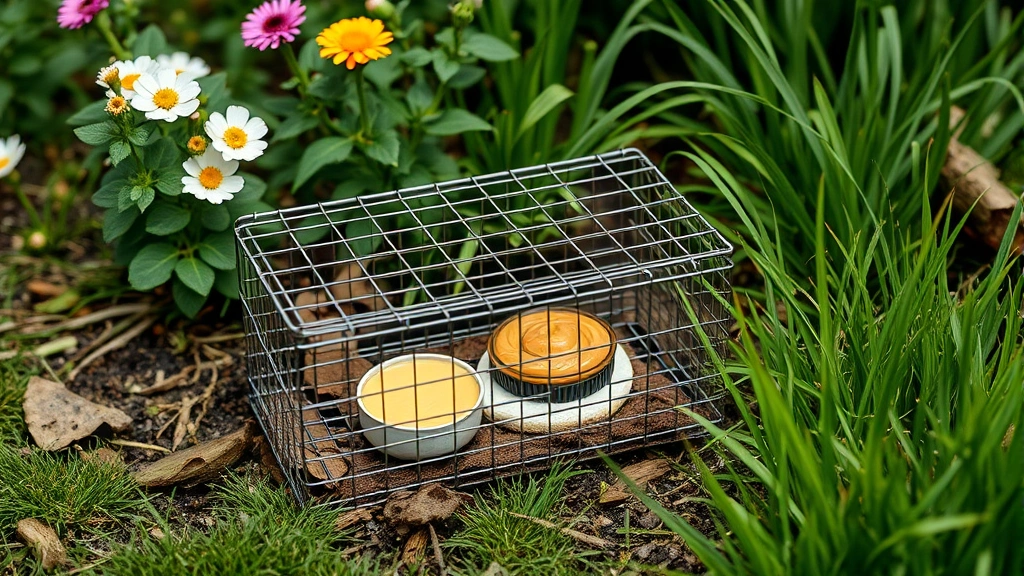
Acquire live traps designed for squirrels (typically 12x5x5 inches) from hardware stores or online retailers. Bait them with peanut butter, nuts, or fruit. Place traps along squirrel pathways, near entry points, or where you’ve observed activity. Check traps daily—squirrels can become stressed if confined too long.
Before trapping, verify local regulations. Many areas require permits for trapping and relocation, and some prohibit releasing squirrels on public land. Contact your local wildlife management office or review similar wildlife removal guidance to understand your legal obligations. Improper relocation can spread disease and create problems for wildlife elsewhere.
Once trapped, transport the squirrel at least 5-10 miles away in a secure container. Release it in wooded areas far from residential zones. Wear gloves when handling traps and never touch a trapped squirrel directly—they bite defensively.
Exclusion Techniques
For squirrels already inside your home, create one-way exit doors. Install a one-way valve or tube over entry holes that allows squirrels to exit but prevents re-entry. Once all squirrels have left (typically 2-3 days), seal the hole permanently with hardware cloth, steel mesh, or wood. This method requires identifying all entry points, which is why many homeowners hire professionals for this step.
Long-Term Prevention Strategies
Permanent squirrel control requires addressing the conditions that attract them in the first place.
Seal Your Home’s Exterior
Inspect your roof, soffits, fascia, and foundation quarterly. Seal any gaps larger than ¼ inch with hardware cloth or caulk. Pay special attention to areas where utilities enter your home. Trim tree branches within 6-8 feet of your roof to eliminate jumping routes. This single step prevents most squirrel entry into attics and walls.
Maintain Your Yard and Landscaping
Remove fallen fruit and nuts promptly. Trim dead or diseased branches that squirrels use as highways. If you’re growing vegetables, consider installing raised beds with protective fencing. For those planning vegetable gardens, protecting crops from squirrels requires the same vigilance as other garden pests. Similarly, if you’re concerned about storage, understanding proper food storage methods helps prevent attracting rodents to your home.
Consider Companion Planting and Natural Deterrents
Squirrels dislike certain plants. Incorporating daffodils, alliums, and fritillaria into landscaping can deter foraging. However, highly motivated squirrels may ignore these defenses, so combine them with physical barriers for best results.
Manage Your Neighborhood Ecosystem
Squirrel problems often extend to neighbors dealing with groundhog invasions, raccoon problems, or persistent ant issues. Community-wide prevention is more effective than isolated efforts. Encourage neighbors to secure garbage, remove food sources, and seal their homes. When multiple properties implement these measures simultaneously, squirrel populations naturally shift to areas with easier resources.
Professional-Grade Solutions
For severe infestations, consider professional wildlife removal services. They have access to specialized equipment, expertise in identifying all entry points, and knowledge of local regulations. Many offer guarantees on their work, which provides peace of mind.
When to Call a Professional
DIY methods work well for minor squirrel activity, but certain situations warrant professional help:
- Multiple entry points you can’t identify
- Squirrels already inside your walls or attic
- Extensive damage to your home’s structure
- Allergies or health concerns about handling traps or droppings
- Local regulations requiring licensed removal
- Previous DIY attempts that failed
Professional wildlife removal companies handle everything from trapping and removal to exclusion and cleanup. They can also assess damage and recommend repairs. Request multiple quotes and verify licensing and insurance before hiring.
Expert Resources
For comprehensive guidance on wildlife removal, consult This Old House’s pest control resources, which provide detailed removal strategies. Family Handyman offers step-by-step squirrel removal instructions for DIY enthusiasts. Home Depot’s pest control section includes product recommendations and application guides. Your local animal control office can also provide region-specific advice and referrals to licensed professionals.
Frequently Asked Questions
Is it legal to trap and relocate squirrels?
Regulations vary significantly by location. Some areas require permits, others prohibit relocation entirely, and some mandate euthanasia for trapped wildlife. Contact your state’s Department of Natural Resources or local animal control before trapping to understand your specific obligations.
What’s the best bait for squirrel traps?
Peanut butter is highly effective, as is a mixture of peanut butter and nuts. Some trappers have success with apple pieces or sunflower seeds. Experiment to find what works in your area, as squirrel preferences can vary.
How long does squirrel removal take?
Simple deterrent methods can show results within days, though squirrels may return if food sources remain available. Live trapping typically requires 3-7 days to catch active squirrels. Permanent exclusion and prevention is ongoing—you’ll need to maintain barriers and remove attractants continuously.
Can I use poison to kill squirrels?
While rodenticides exist for squirrels, they’re not recommended for residential areas. Poison causes suffering, may poison pets or wildlife that eat the dead squirrel, and creates cleanup hazards. Humane removal or professional services are safer alternatives.
Why do squirrels keep returning to my property?
Squirrels have excellent memory and return to areas where they’ve previously found food or shelter. Until you eliminate these attractants and seal all entry points, they’ll keep trying to access your property. Consistency is key—one open food source or unsealed hole undoes all your other efforts.
Are squirrels dangerous?
Squirrels rarely attack humans, but they can bite if cornered or protecting young. They can also carry diseases like rabies or fleas, making direct contact inadvisable. Always wear gloves when handling traps or any equipment squirrels have contacted.
What’s the difference between fox squirrels and eastern gray squirrels?
Fox squirrels are larger and tend to be solitary, while eastern gray squirrels are smaller and more social. Both cause similar property damage, so removal methods are essentially identical regardless of species.

Related Posts

How Long to Boil Lobster Tails: Cooking Guide

How Long to Fly from New York to London? Travel Times
