Eliminate Springtails? Expert Solutions Inside
How to Get Rid of Springtails: Expert Solutions to Eliminate These Pests
Springtails are tiny, jumping insects that often appear in homes during damp conditions, creating an unsettling pest problem that many homeowners struggle to identify and eliminate. These small arthropods, typically measuring 1-3mm in length, are attracted to moisture and organic debris, making bathrooms, basements, and kitchens their preferred habitats. While springtails aren’t dangerous to humans and don’t bite or carry diseases, their presence indicates underlying moisture issues and can become a significant nuisance when populations explode.
Understanding how to get rid of springtails requires a multi-faceted approach that combines moisture control, environmental modification, and targeted treatments. This comprehensive guide will walk you through proven expert solutions to eliminate springtails from your home and prevent future infestations. Whether you’re dealing with a minor springtail problem or a full-blown invasion, the strategies outlined here will help you regain control of your living space.
Understanding Springtails and Why They Invade
Springtails belong to the order Collembola and are ancient arthropods that have existed for over 400 million years. These primitive creatures thrive in moist environments where they feed on decaying organic matter, fungi, and mold. Unlike many household pests, springtails don’t seek to invade your home maliciously—they’re simply following moisture and food sources. When your home provides ideal conditions with high humidity and abundant organic debris, springtails naturally congregate in these spaces.
The key characteristic that gives springtails their name is their unique jumping mechanism. Beneath their abdomen, they possess a specialized appendage called a furca that’s held under tension. When threatened or seeking to move quickly, they release this mechanism like a spring, allowing them to jump distances up to 150 times their body length. This jumping ability often startles homeowners who first encounter these pests, though it’s purely a defensive or exploratory behavior.
Springtails reproduce rapidly in favorable conditions, with females capable of producing hundreds of offspring throughout the year. This reproductive capacity means that a small springtail problem can quickly escalate into a serious infestation if left unaddressed. Understanding their lifecycle and environmental preferences is crucial for developing an effective elimination strategy.
Identifying a Springtail Infestation
Before implementing elimination strategies, you need to confirm you’re actually dealing with springtails rather than other household pests. Springtails are extremely small, typically appearing as tiny black, white, or gray specks moving across wet surfaces. They’re most active in damp areas and tend to congregate near moisture sources. You might notice them clustering around sink drains, in shower stalls, around potted plants, or in basement corners.
Common signs of springtail infestation include:
- Visible jumping insects in bathrooms and kitchens, particularly near water sources
- Clusters of tiny creatures in soil around houseplants
- Activity in basement areas with moisture problems or high humidity
- Presence near decomposing organic matter such as mulch or compost
- Increased sightings after heavy rain or when outdoor soil becomes saturated
If you suspect a springtail infestation but aren’t certain, place a white paper towel on a damp surface overnight. Springtails will be attracted to the moisture and will appear as tiny black specks on the paper by morning. This simple test can confirm their presence and help you determine the severity of your problem.
Moisture Control: The Foundation of Elimination
Addressing moisture is the most critical step in how to get rid of springtails effectively. Since springtails cannot survive in dry environments, eliminating excess moisture is your primary weapon against these pests. This approach is far more effective than relying solely on pesticides, as it addresses the root cause rather than just the symptoms.
Identify and Fix Moisture Sources
Begin by conducting a thorough inspection of your home to locate moisture sources. Check for:
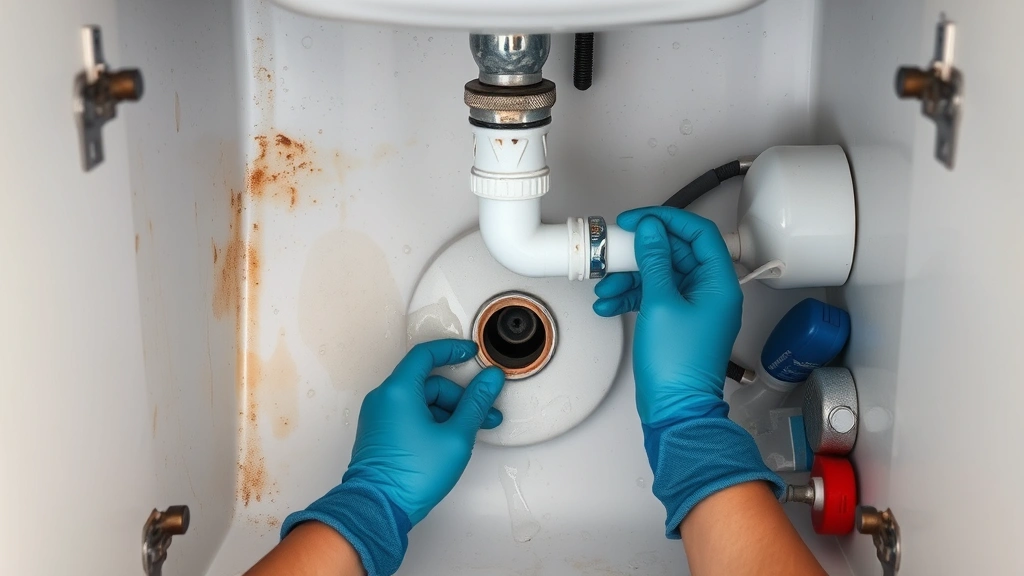
- Leaking pipes under sinks and in walls
- Poor drainage around your home’s foundation
- Inadequate ventilation in bathrooms and kitchens
- Condensation on windows and walls
- Damp basement or crawlspace conditions
- Water intrusion through cracks in foundation
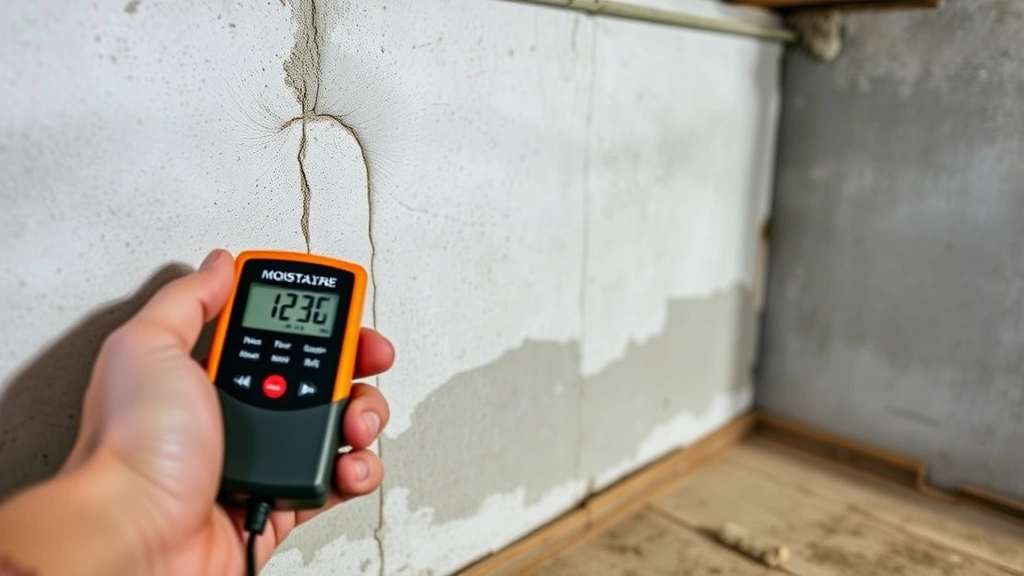
Use a moisture meter to measure humidity levels in affected areas. Springtails thrive when relative humidity exceeds 60-70%. Ideally, maintain indoor humidity between 30-50% to create an inhospitable environment for these pests. If you’re dealing with pest problems similar to how to get rid of German cockroaches, moisture control is equally important since many household pests require damp conditions.
Improve Ventilation Systems
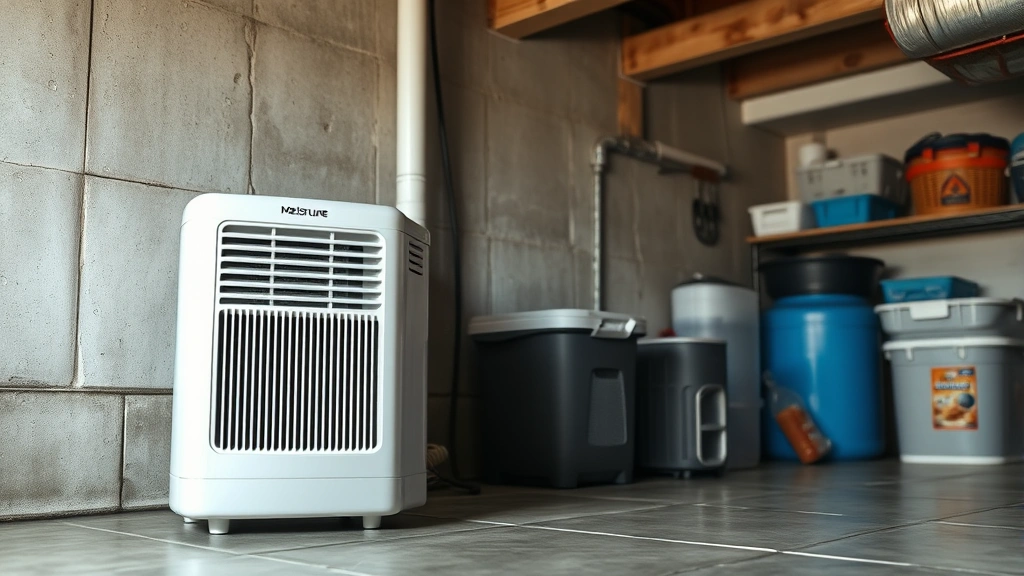
Proper ventilation is essential for moisture reduction. Install or repair exhaust fans in bathrooms and kitchens, ensuring they vent directly outside rather than into attics or walls. Run exhaust fans during and for 20-30 minutes after showers to remove excess humidity. In basements, consider installing a dehumidifier to maintain appropriate moisture levels year-round.
Address Drainage Issues
Ensure gutters and downspouts direct water at least 4-6 feet away from your home’s foundation. Grade soil away from the foundation to prevent water pooling. If you have a sump pump, ensure it’s functioning properly and that its discharge line directs water well away from the home.
Environmental Modifications to Deter Springtails
Beyond moisture control, modifying the environment makes your home less attractive to springtails. These creatures rely on specific conditions to survive and reproduce, so removing these conditions forces them to relocate or perish.
Remove Organic Debris and Decaying Matter
Springtails feed on decaying organic material, mold, and fungi. Eliminate these food sources by:
- Removing dead leaves and plant material from basement areas
- Cleaning gutters regularly to prevent leaf accumulation
- Disposing of mulch piled against foundation walls
- Removing decomposing wood or bark in crawlspaces
- Cleaning up food debris and spills promptly
Reduce Mold and Fungal Growth
Since springtails feed on mold and fungi, controlling these growths is essential. Clean affected surfaces with a solution of one part white vinegar to one part water. This natural solution effectively kills mold and fungi without harsh chemicals. For severe mold problems, use a commercial mold killer following manufacturer instructions. Improve air circulation to prevent mold formation in damp areas.
Manage Houseplants Strategically
Potted plants create ideal springtail habitats due to consistently moist soil. To protect your plants while eliminating springtails:
- Allow soil surface to dry between waterings
- Use well-draining potting soil
- Ensure pots have drainage holes
- Remove dead leaves and organic debris from soil surface
- Consider repotting with fresh, sterile soil if infestation is severe
If you’re concerned about maintaining plant health while treating springtails, the same principles of cleaning and moisture management apply as when cleaning appliances for mold prevention.
Chemical and Natural Treatment Options
While environmental modification is primary, targeted treatments can accelerate springtail elimination. Multiple options exist, ranging from natural solutions to chemical pesticides.
Natural Treatment Methods
Diatomaceous Earth: Food-grade diatomaceous earth (DE) is a natural powder that damages the exoskeletons of springtails, causing dehydration and death. Apply DE to affected areas including around baseboards, in crawlspaces, and near moisture sources. Reapply after vacuuming or after moisture has been introduced. Wear a dust mask when applying DE to avoid inhalation.
Cinnamon and Essential Oils: Some essential oils, particularly cinnamon, cedarwood, and peppermint, repel springtails. Mix 10-15 drops of essential oil with water in a spray bottle and apply to affected areas. While less effective than other methods, these natural options provide an additional deterrent without chemical residues.
Vinegar Solutions: A mixture of equal parts white vinegar and water sprayed directly on springtails kills them on contact. This method works well for small infestations but is less practical for widespread problems. Vinegar also addresses the mold and fungi that springtails feed on, making it a multi-purpose solution.
Chemical Treatment Options
Insecticidal Sprays: Commercial insecticides containing pyrethrin or permethrin effectively kill springtails on contact. Apply these products to baseboards, cracks, crevices, and areas where springtails congregate. Always follow label instructions carefully and ensure adequate ventilation during application. These treatments work best when combined with moisture reduction for maximum effectiveness.
Residual Insecticides: Products like boric acid powder create a residual barrier that kills springtails crossing treated surfaces. Apply thin layers in areas where springtails are active, being careful to keep these products away from children and pets. Boric acid is particularly effective in crawlspaces and basement areas.
Springtail-Specific Treatments: Some manufacturers produce springtail-specific products formulated to address these pests’ unique biology. These specialized treatments often contain ingredients specifically chosen for effectiveness against Collembola while minimizing harm to beneficial insects.
Targeted Solutions for Different Areas
Different areas of your home require tailored approaches based on their unique conditions and characteristics.
Bathrooms and Kitchens
These moisture-rich environments are springtail hotspots. Focus on:
- Fixing leaking pipes under sinks and behind walls
- Caulking gaps and cracks where pipes enter walls
- Installing or repairing exhaust fans
- Removing standing water from sink cabinets
- Cleaning drain lines with a drain cleaner to remove organic debris
- Sealing gaps around baseboards where springtails hide
Basements and Crawlspaces
Basements provide ideal springtail conditions with high moisture and abundant organic material. Treatment strategies include:
- Installing a dehumidifier to maintain humidity below 60%
- Sealing cracks in foundation walls
- Installing a sump pump if water intrusion occurs
- Removing stored items that create moisture pockets
- Installing vapor barriers in crawlspaces
- Applying diatomaceous earth in affected areas
Around Houseplants
Indoor plants frequently harbor springtails. Combat this by:
- Allowing soil to dry more completely between waterings
- Removing dead leaves and organic debris immediately
- Repotting with fresh, sterile potting soil
- Using pots with adequate drainage
- Treating soil surface with diatomaceous earth if infestation persists
Similar to addressing moisture issues in other household maintenance tasks, proper plant care involves understanding water management principles as detailed in our guide to cleaning appliances.
Prevention Strategies for Long-Term Success
Once you’ve successfully eliminated springtails, implementing prevention strategies ensures they don’t return. These proactive measures maintain the conditions that make your home inhospitable to these pests.
Maintain Consistent Humidity Control
The most important long-term prevention strategy is maintaining indoor humidity between 30-50%. Invest in quality dehumidifiers for problem areas and ensure exhaust fans function properly. Monitor humidity levels regularly using inexpensive humidity meters available at hardware stores.
Establish Regular Cleaning Routines
Consistent cleaning removes organic debris that springtails feed on. Vacuum regularly, especially in damp areas and around baseboards. Dust surfaces to remove dead skin cells and organic material. Clean kitchen and bathroom areas thoroughly, paying special attention to under-sink cabinets and around drain areas.
Address Water Issues Immediately
Respond quickly to any signs of water intrusion, leaking pipes, or condensation problems. Small moisture issues can rapidly escalate into springtail infestations if left unaddressed. Inspect your home seasonally for new moisture sources and address them promptly.
Seal Entry Points
Caulk cracks and gaps in foundation walls, around pipes, and along baseboards. While springtails may originate from outdoor soil, sealing entry points reduces the likelihood of indoor populations establishing. Pay particular attention to areas where utilities enter your home.
Monitor Outdoor Conditions
After heavy rain or during wet seasons, springtails may attempt to enter homes seeking drier conditions. Maintain gutters and downspouts to direct water away from your foundation. Grade soil away from your home’s perimeter to prevent water pooling near entry points.
For comprehensive home maintenance guidance, visit FixWiseHub Blog for additional how-to guides and tips on maintaining your home’s integrity and preventing pest-related issues.
Professional Assistance
If your springtail infestation persists despite your efforts, consider consulting a professional pest control service. Exterminators have access to stronger treatments and specialized knowledge for addressing severe infestations. They can also identify moisture sources you might have missed and recommend structural solutions.
When seeking professional help, ensure the service addresses both treatment and the underlying moisture conditions. A reputable pest control company will focus on elimination strategies rather than simply applying pesticides without addressing root causes.
FAQ
Are springtails dangerous to humans?
No, springtails do not bite, sting, or transmit diseases to humans. While their presence is unsettling and indicates moisture problems, they pose no direct health threat. However, their presence suggests conditions favorable for other pests and mold growth, which can affect indoor air quality.
How long does it take to eliminate a springtail infestation?
The timeline for elimination depends on infestation severity and how thoroughly you address moisture issues. Minor infestations may resolve within 2-4 weeks with proper treatment and moisture control. Severe infestations may require 6-8 weeks or longer, particularly if structural moisture issues require professional remediation.
Can I use pesticides alone to get rid of springtails?
While pesticides kill springtails on contact, they won’t eliminate infestations long-term without addressing moisture. Springtails will continue reproducing in damp conditions even after pesticide application. Combining moisture control with targeted treatments yields the best results.
What humidity level kills springtails?
Springtails cannot survive in environments with relative humidity below 60%, though they thrive at higher levels. Maintaining humidity between 30-50% creates conditions where springtails cannot reproduce or survive long-term.
Do springtails come from outside or originate indoors?
Springtails typically originate from outdoor soil and enter homes seeking moisture and food sources. Once inside, they can establish indoor populations if conditions remain favorable. However, some springtails may be introduced through potting soil or other materials brought indoors.
Can I prevent springtails from returning?
Yes, preventing springtail return involves maintaining low humidity, eliminating organic debris, fixing moisture problems promptly, and sealing entry points. Consistent home maintenance and humidity control create an environment where springtails cannot establish populations.
Should I be concerned about springtails in my garden?
Outdoor springtails are generally beneficial, aerating soil and breaking down organic matter. They only become problematic when they enter homes in large numbers. Outdoor springtail populations are normal and don’t require treatment unless they’re actively invading your home.
For additional pest management information, explore our comprehensive guide on eliminating household pests and maintaining a pest-free home environment.

Related Posts

Recall Outlook Email? Expert Tips Revealed

How to Read a Check? Easy Guide for Beginners