

Banish Spiders for Good: Tips for a Pest-Free Blog Space
Spiders are among the most common household pests that can turn your comfortable living space into a source of constant anxiety. While these eight-legged creatures play important roles in controlling other insects, most homeowners prefer to keep them outside where they belong. Understanding how to get rid of spiders effectively requires a comprehensive approach that combines prevention, natural deterrents, and targeted treatments.
Creating a spider-free environment isn’t just about eliminating the spiders you can see – it’s about addressing the underlying conditions that attract them in the first place. From sealing entry points to removing their food sources, successful spider control involves multiple strategies working together. Whether you’re dealing with common house spiders, wolf spiders, or more concerning species, the right combination of techniques can help you reclaim your space and maintain long-term pest control.
Understanding Spider Behavior and Attraction Factors
To effectively eliminate spiders from your home, you must first understand what attracts them and how they behave. Spiders are primarily drawn to areas that provide three essential elements: food, water, and shelter. The presence of other insects serves as a primary food source, which is why addressing pest control holistically is crucial. If your home harbors flies, gnats, ants, or other small insects, you’re essentially maintaining a spider buffet.
According to research from the Environmental Protection Agency, most spiders prefer dark, undisturbed areas where they can build webs or hunt undisturbed. Common hiding spots include basements, attics, closets, and areas behind furniture. Understanding these preferences helps you target your control efforts more effectively.
Spiders also require moisture to survive, making bathrooms, laundry rooms, and poorly ventilated areas particularly attractive. Seasonal patterns play a significant role too – many species become more active during fall months as they seek warm indoor spaces for overwintering. This knowledge allows you to time your prevention efforts strategically, implementing stronger measures before peak spider season begins.

Prevention Strategies: Sealing and Cleaning
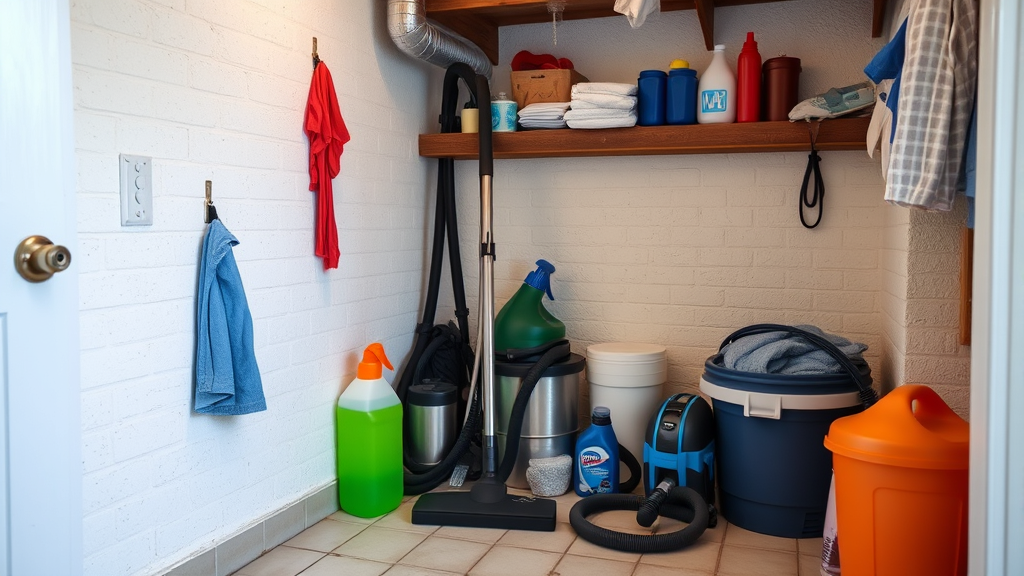
The foundation of effective spider control lies in prevention through thorough cleaning and structural modifications. Regular vacuuming removes not only visible spiders but also their egg sacs, webs, and the small insects they feed upon. Pay special attention to corners, behind furniture, and along baseboards where spiders commonly establish territories.
Sealing entry points represents one of the most effective long-term strategies. Inspect your home’s exterior for cracks in the foundation, gaps around windows and doors, and openings where utilities enter the structure. Use caulk, weatherstripping, or steel wool to close these access points. Don’t overlook seemingly minor gaps – spiders can squeeze through surprisingly small spaces.
Decluttering plays a crucial role in spider prevention. Remove unnecessary items from storage areas, organize belongings in sealed containers, and maintain clear spaces around your home’s perimeter. Woodpiles, leaf litter, and overgrown vegetation provide ideal spider habitats, so keep these materials away from your home’s foundation. Similar to strategies used for controlling ants, maintaining a clean perimeter significantly reduces spider populations.
Indoor humidity control also impacts spider populations. Use dehumidifiers in damp areas, ensure proper ventilation in bathrooms and kitchens, and repair any water leaks promptly. Spiders need moisture to survive, and reducing humidity levels makes your home less hospitable to these pests.
Natural Deterrents and Home Remedies
Many homeowners prefer natural methods for spider control, and several proven options can effectively deter these pests without harsh chemicals. Essential oils represent one of the most popular and effective natural deterrents. Peppermint oil, in particular, has shown remarkable success in repelling spiders when applied around entry points, corners, and areas where spiders commonly appear.
To create an effective peppermint oil spray, combine 10-15 drops of pure peppermint oil with water in a spray bottle. Apply this mixture weekly around windows, doors, and other potential entry points. Other effective essential oils include tea tree, eucalyptus, and citrus oils, which can be used individually or in combination for enhanced effectiveness.
Diatomaceous earth (food grade) provides another natural option that works by damaging spiders’ exoskeletons when they crawl across it. Sprinkle thin lines of diatomaceous earth around areas where spiders commonly travel, such as along baseboards and around entry points. This method requires patience, as it works gradually, but it’s completely safe for pets and humans when using food-grade products.
White vinegar serves as both a cleaning agent and spider deterrent. The strong smell repels spiders while simultaneously removing the chemical trails that attract them. Mix equal parts white vinegar and water in a spray bottle and apply to areas where spiders have been spotted. This method works particularly well for addressing the same moisture-loving insects that attract spiders, similar to techniques used for eliminating drain flies.
Cedar blocks and chips provide long-lasting natural deterrence. Place cedar items in closets, storage areas, and other spaces where spiders might hide. The natural oils in cedar repel many insects, including spiders, while providing a pleasant, natural scent to your storage areas.
Chemical Treatments and Professional Solutions
When natural methods prove insufficient, chemical treatments offer more aggressive spider control options. Residual insecticides designed specifically for spiders provide longer-lasting protection than contact sprays. These products create treated zones that continue killing spiders for weeks or months after application, making them particularly effective for persistent infestations.
The National Pesticide Information Center recommends focusing chemical treatments on areas where spiders commonly travel rather than attempting to spray every potential hiding spot. Apply residual insecticides along baseboards, around entry points, and in corners where webs frequently appear. Always follow label directions carefully and ensure proper ventilation during application.
Dust formulations work exceptionally well in hard-to-reach areas like wall voids, attics, and crawl spaces. These products remain effective longer than liquid sprays in dry environments and can reach areas where spiders hide but that are difficult to treat with other methods. Professional pest control technicians often use dust formulations as part of comprehensive treatment programs.
For severe infestations or dangerous spider species, professional pest control services provide the expertise and specialized products necessary for effective elimination. Professionals can identify specific spider species, locate breeding areas, and implement targeted treatment strategies that address both current populations and long-term prevention. They also have access to professional-grade products not available to consumers and can safely handle treatments in sensitive areas.
Integrated Pest Management (IPM) approaches combine chemical treatments with prevention strategies for maximum effectiveness. This holistic method, endorsed by universities like Penn State Extension, focuses on long-term solutions rather than quick fixes, addressing root causes while providing immediate relief.
Long-term Maintenance and Monitoring
Successful spider control requires ongoing maintenance and monitoring to prevent re-infestation. Establish a regular inspection schedule, checking common spider areas monthly for signs of new activity. Look for webs, egg sacs, and live spiders, paying particular attention to areas that were previously problematic.
Seasonal maintenance plays a crucial role in long-term success. Implement stronger prevention measures before fall when many spider species seek indoor shelter. This includes refreshing essential oil treatments, checking and repairing seals around entry points, and intensifying cleaning efforts in areas where spiders commonly appear.
Documentation helps track the effectiveness of your control efforts. Keep records of where spiders are found, what methods you’ve used, and how successful different approaches have been. This information proves invaluable for adjusting your strategy and identifying patterns that might indicate new problem areas or seasonal variations in spider activity.
Address related pest issues promptly, as they directly impact spider populations. The presence of other insects provides food sources that attract and sustain spider populations. Implementing comprehensive pest control that addresses gnats, carpenter ants, and carpenter bees creates an environment less conducive to spider establishment.
Regular maintenance of your home’s exterior also supports long-term spider control. Trim vegetation away from the house, remove debris that might harbor spiders, and maintain proper drainage to reduce moisture levels. These efforts create less attractive conditions for spiders while supporting overall pest prevention strategies.
Consider seasonal professional inspections, especially if you’ve had persistent spider problems. Professional technicians can identify potential issues before they become major infestations and provide updated recommendations based on changing conditions around your property.
Frequently Asked Questions
What attracts spiders to my house in the first place?
Spiders are primarily attracted to homes by the presence of other insects that serve as food sources, along with suitable shelter and moisture. Common attractants include flies, gnats, ants, and other small insects that may be present due to food crumbs, standing water, or entry through cracks and gaps. Dark, undisturbed areas like basements, attics, and behind furniture provide ideal hiding spots, while moisture from leaky pipes, poor ventilation, or high humidity creates favorable living conditions.
Are natural spider repellents as effective as chemical treatments?
Natural repellents can be quite effective for prevention and light infestations, particularly essential oils like peppermint, which have scientifically documented repellent properties. However, for severe infestations or certain spider species, chemical treatments typically provide faster and more complete elimination. The best approach often combines natural prevention methods with targeted chemical treatments when necessary, creating a comprehensive strategy that addresses both immediate problems and long-term prevention.
How often should I apply spider control treatments?
The frequency of treatment depends on the method used and the severity of your spider problem. Essential oil sprays should be reapplied weekly, while residual chemical treatments may last 4-8 weeks depending on the product and environmental conditions. Natural deterrents like diatomaceous earth need refreshing after cleaning or when they become displaced. Establish a monthly inspection routine to assess the need for retreatment and adjust frequency based on spider activity levels and seasonal patterns.
Is it safe to use spider control methods around pets and children?
Many natural methods, including essential oils (when properly diluted), food-grade diatomaceous earth, and vinegar solutions, are generally safe around pets and children. However, always research specific essential oils, as some can be toxic to certain pets. Chemical treatments require more caution – always read labels carefully, ensure proper ventilation during application, and keep treated areas inaccessible until products have dried completely. When in doubt, consult with pest control professionals who can recommend pet and child-safe options.
What’s the difference between treating for spiders versus other pests?
Spider control differs from other pest control because spiders are predators rather than scavengers, so they’re attracted by the presence of other insects rather than food sources directly. This means effective spider control often requires addressing underlying pest issues first. Additionally, spiders don’t typically follow trails like ants or breed in specific locations like flies, so treatments focus more on creating barriers and eliminating hiding places rather than targeting breeding sites or food sources.
When should I call a professional pest control service?
Consider professional help when dealing with dangerous spider species (like black widows or brown recluses), when DIY methods have failed after consistent application for 4-6 weeks, or when you’re finding multiple spiders daily despite control efforts. Professionals are also recommended for treating hard-to-reach areas like wall voids or attics, when you’re unsure about spider identification, or if you have specific health concerns that make chemical exposure risky. Professional services can provide species identification, targeted treatments, and long-term prevention strategies.
How can I tell if my spider control efforts are working?
Success indicators include a noticeable decrease in live spider sightings, fewer new webs appearing, and reduced signs of spider activity like egg sacs or shed skins. You should see improvement within 1-2 weeks for most methods, though complete elimination may take 4-6 weeks. Keep a simple log of spider sightings to track progress objectively. If you’re not seeing improvement after a month of consistent treatment, reassess your methods and consider trying different approaches or consulting professionals for more targeted solutions.

Related Posts

How Long to Boil Lobster Tails: Cooking Guide

How Long to Fly from New York to London? Travel Times
