
How to Get Rid of Skunks: Effective Solutions
How to Get Rid of Skunks: Effective Solutions for Your Property
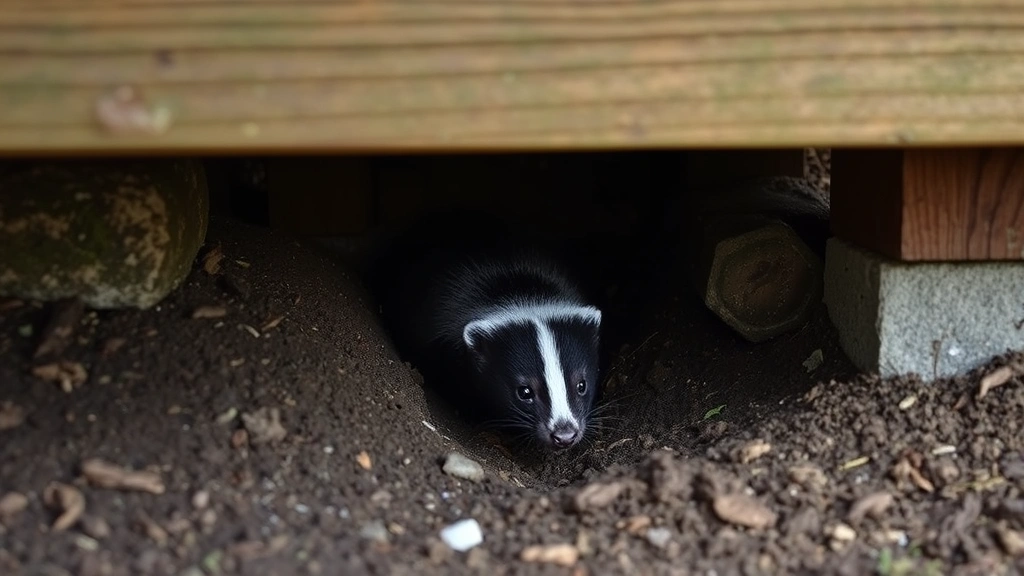
There’s nothing quite like the moment you realize a skunk has taken residence under your porch or in your yard. That distinctive odor—which can linger for weeks—is just the beginning of your troubles. Skunks are surprisingly persistent creatures, and once they’ve identified your property as a viable home base, they’re unlikely to leave voluntarily. The good news? You don’t need to live with these striped visitors permanently, and there are several humane, practical approaches to reclaim your space.
Unlike dealing with other wildlife issues such as how to get rid of groundhogs or similar burrowing animals, skunk removal requires patience and strategy. These animals aren’t aggressive by nature—they’ll only spray when they feel cornered or threatened—but their defensive mechanism makes them particularly challenging neighbors. Understanding skunk behavior and employing the right removal tactics will save you time, money, and countless nose-holding moments.
This comprehensive guide walks you through everything from identifying why skunks are attracted to your property to implementing long-term prevention strategies. Whether you’re dealing with a single skunk or a small family, you’ll find practical solutions that work.
Why Skunks Are Attracted to Your Property
Before tackling removal, it helps to understand what’s drawing skunks to your home in the first place. Skunks are opportunistic foragers searching for easy meals and safe shelter. Your yard likely offers one or both of these attractions.
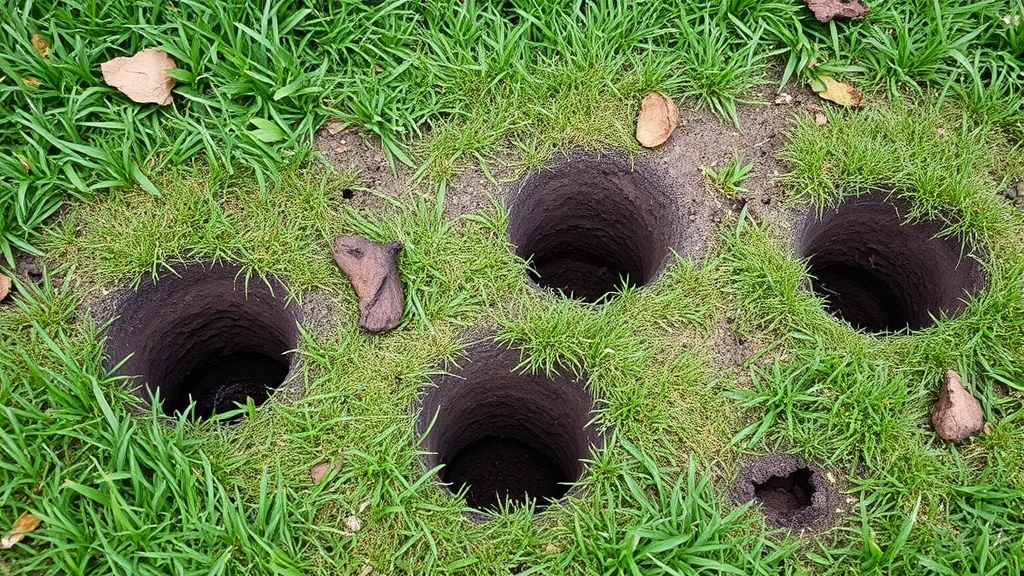
Food sources are the primary culprit. Skunks love grubs, earthworms, and insects hiding in your lawn—they’ll dig small conical holes while searching for these protein-rich snacks. If you’ve got exposed garbage, pet food left outside, or unsecured compost bins, you’re essentially running an all-you-can-eat buffet. Fallen fruit from trees and accessible bird seed also top their menu.
Shelter is equally important. Skunks seek denning sites under decks, porches, sheds, and crawl spaces where they can raise their young safely. A skunk family can cause significant property damage while burrowing and establishing their den, and once they’ve settled in, evicting them becomes exponentially harder.
Unlike other wildlife concerns—such as how to get rid of carpenter bees that damage wood structures—skunks primarily cause issues through their presence and odor. However, their burrowing can undermine foundations and create unsightly holes throughout your landscape.
Identifying Skunk Activity
Knowing the signs of skunk presence helps you confirm you’re actually dealing with skunks rather than other wildlife. Misidentifying your problem means wasting time on ineffective solutions.
Visible damage patterns are telltale indicators. Skunks dig small, cone-shaped holes about two to four inches deep in search of grubs and insects. These holes appear scattered across your lawn in damaged patches. You might also notice torn-up sod that’s been rolled back like a carpet—this is classic skunk foraging behavior.
The unmistakable odor is perhaps the most obvious sign. Even if you haven’t seen a skunk, that pungent, sulfurous smell is a dead giveaway. The odor intensifies during mating season (late winter through spring) when males are more active and territorial.
Droppings and tracks provide additional confirmation. Skunk scat resembles cat feces but often contains insect parts and seeds. Their tracks show five toes on hind feet and four on front feet, with distinctive claw marks. You might spot these along fence lines or near potential den sites.
If you’re seeing multiple animal problems, you’re not alone. Many properties attract various wildlife simultaneously. Just as you might need strategies for how to get rid of drain flies in your home’s interior spaces, outdoor areas can host multiple unwanted visitors.
Humane Removal Methods
Once you’ve confirmed skunk activity, it’s time to implement removal strategies. The key is using humane methods that don’t harm the animals while effectively encouraging them to relocate.
One-Way Door Exclusion
This method is highly effective for established dens. Install a one-way door over the skunk’s entrance hole. The door allows skunks to exit but prevents re-entry. After a few nights, the skunk will leave in search of food and won’t be able to return. Once you’re confident the skunk has departed (typically 3-7 days), seal the hole permanently.
Important: Only use this method when you’re certain no babies are in the den. If you remove a mother during denning season, orphaned young will starve inside, creating a worse odor problem. Spring and early summer require caution—wait until late summer or fall when families have dispersed.
Live Trapping
Live trapping works when exclusion isn’t viable. Use a cage trap baited with peanut butter, cat food, or marshmallows. Place the trap near the den entrance or along known travel routes. Check traps daily—leaving an animal confined causes unnecessary stress.
Before trapping, check local regulations. Many areas require specific permits for wildlife trapping, and some mandate that trapped animals be released immediately or euthanized. Contact your local animal control or wildlife agency for legal requirements in your area.
When handling a trapped skunk, move slowly and speak softly. Sudden movements or loud noises increase spray risk. Cover the trap with a blanket to keep the skunk calm during transport.
Ammonia-Soaked Rags
Skunks dislike strong ammonia smells, which mimic predator urine. Soak rags in ammonia and place them near den entrances or throughout areas where skunks frequent. Replace rags every few days as the ammonia evaporates. This method works best as a deterrent for prevention rather than removing established residents.
Exclusion and Prevention Techniques
Prevention is always easier than removal. Implementing exclusion measures stops skunks from establishing dens in the first place.
Secure Your Foundation
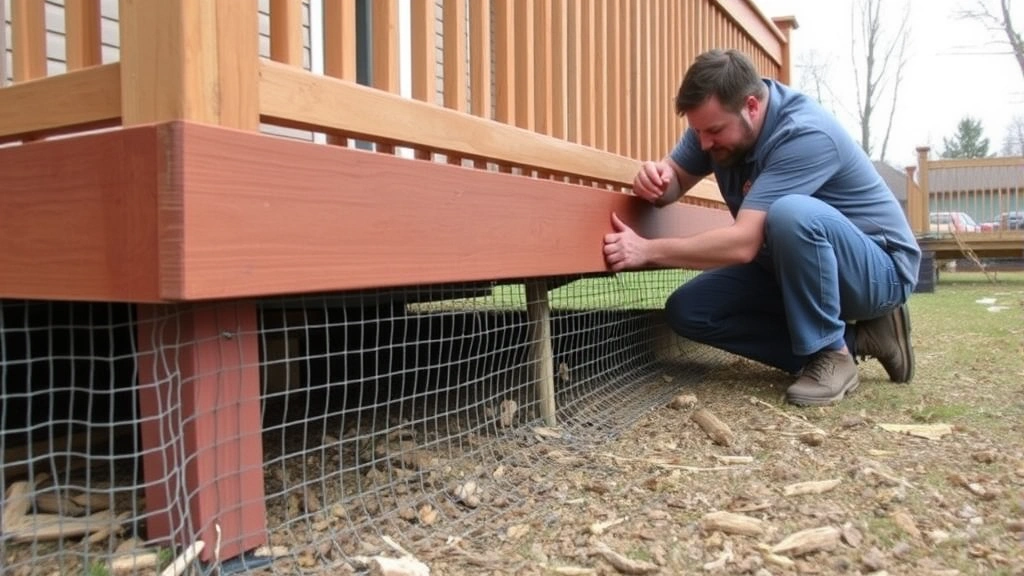
Install one-quarter-inch hardware cloth or heavy gauge screening around deck skirts, under porches, and around shed foundations. Bury the material at least six inches deep and extend it outward six inches along the ground. This prevents skunks from burrowing underneath while allowing water drainage. Make sure all gaps larger than half an inch are sealed.
Remove Food Sources
This is the single most effective prevention strategy. Store garbage in sealed, animal-proof containers kept in a garage or shed until collection day. Never leave pet food outside—feed pets indoors or remove uneaten food immediately. Bring bird feeders in at night, and rake up fallen fruit from trees. Secure compost bins with tight-fitting lids, and avoid composting meat or dairy products that attract wildlife.
For those managing multiple pest problems, comprehensive yard maintenance addresses many issues simultaneously. The same practices that prevent skunks also deter how to get rid of ants and other unwanted visitors.
Modify Your Landscape
Reduce grub populations by applying beneficial nematodes or milky spore to your lawn. These biological controls target grub larvae without harming beneficial insects or pets. Fewer grubs mean less reason for skunks to visit.
Keep your yard well-maintained. Skunks prefer areas with dense vegetation and hiding spots. Trim bushes away from your home’s foundation, keep grass cut short, and remove brush piles and debris.
Install Motion-Activated Lights and Sprinklers
Skunks are primarily nocturnal and prefer quiet, undisturbed areas. Motion-activated lights and sprinklers startle them and make your property feel unsafe. These devices work best as part of a comprehensive prevention strategy rather than standalone solutions.
Managing Skunk Odor
Despite your best efforts, you might still encounter skunk spray. Knowing how to neutralize the odor saves you from weeks of unpleasantness.
For Pets
The old tomato juice remedy is largely ineffective. Instead, use this proven formula: mix one quart of three-percent hydrogen peroxide, one-quarter cup of baking soda, and one teaspoon of dish soap. Apply to your pet’s fur (avoiding eyes), let sit for five minutes, then rinse thoroughly. This mixture chemically breaks down skunk spray compounds rather than just masking the odor.
For Your Home and Yard
If spray enters your home, open windows immediately for ventilation. The same hydrogen peroxide mixture works on furniture and fabrics—test on a hidden area first. For outdoor areas, time is your ally. Fresh air circulation gradually dissipates the odor over several weeks. Activated charcoal or coffee grounds placed strategically can absorb some smell.
Professional Odor Removal
Severe skunk spray incidents sometimes warrant professional odor removal services. They use specialized equipment and industrial-strength treatments unavailable to homeowners. While costly, this option is worthwhile when spray damage is extensive.
When to Call the Professionals
Some situations demand professional wildlife removal expertise. If you’re uncomfortable handling traps, dealing with multiple skunks, or concerned about den locations near your living spaces, hiring professionals is the smart choice.
Licensed wildlife removal companies have proper equipment, legal permits, and experience handling trapped animals safely. They understand local regulations and can ensure humane treatment while effectively solving your problem. The investment typically ranges from $300 to $800 depending on complexity, but it’s worth the peace of mind.
Professional services also handle exclusion work, ensuring your property remains skunk-free long-term. They’ll identify vulnerabilities you might miss and implement comprehensive prevention strategies.
For comprehensive property maintenance guidance, consider consulting resources like This Old House, which offers detailed wildlife prevention advice. Additionally, Family Handyman provides step-by-step exclusion techniques, and Home Depot’s pest control guides offer product recommendations and installation instructions.
If you’re also managing other property concerns—such as needing to how to disconnect car battery for maintenance projects in your garage, or properly how to dispose of old gas from equipment—having reliable resources helps you maintain your entire property professionally.
Frequently Asked Questions
Will a skunk spray if I encounter it during the day?
Skunks are primarily nocturnal, so daytime encounters are unusual. If you do meet one during daylight, the skunk is likely disoriented or sick. Give it plenty of space—skunks typically provide warning signs before spraying, including stamping their feet and raising their tail. Slow, deliberate movements away from the animal are your best bet.
How long does skunk odor last?
Fresh skunk spray typically fades significantly within 2-3 weeks, though traces may linger for months. The duration depends on exposure intensity, ventilation, and treatment methods. Using enzymatic cleaners and hydrogen peroxide solutions accelerates the process considerably.
Are skunks dangerous besides their spray?
Skunks rarely bite or attack humans. They’re generally docile creatures that only defend themselves when cornered. However, skunks can carry rabies and other diseases, so avoid direct contact. If bitten, seek medical attention immediately.
Can I use poison to kill skunks?
Poisoning skunks is inhumane, often illegal, and ineffective as a long-term solution. Dead skunks under your home create severe odor problems and attract other wildlife. Professional removal or humane exclusion methods are far superior approaches.
What’s the best time of year to remove skunks?
Late summer through fall is ideal for removal. During spring and early summer, mothers are protecting dependent young, making removal ethically problematic and potentially illegal. Fall removal prevents skunks from establishing winter dens on your property.
Will removing one skunk prevent others from moving in?
Removing a skunk addresses the immediate problem, but without exclusion and prevention measures, other skunks will eventually move in. Focus on eliminating food sources and sealing potential den sites to make your property permanently unattractive to skunks.
Do skunk repellents actually work?
Commercial repellents have limited effectiveness. Ammonia-soaked rags, predator urine, and capsaicin sprays provide temporary deterrence at best. They work best as part of comprehensive prevention strategies rather than standalone solutions. Removing food sources and securing shelter options are far more reliable.

Related Posts

How Long to Boil Lobster Tails: Cooking Guide

How Long to Fly from New York to London? Travel Times
