
How to Get Rid of Razor Burn: Expert Tips
How to Get Rid of Razor Burn: Expert Tips for Smooth, Irritation-Free Skin
Razor burn is one of those annoying beauty mishaps that can turn a quick grooming session into days of regret. That uncomfortable red irritation, itching, and sometimes even small bumps appear right after shaving, leaving your skin looking raw and feeling tender. Whether you’re dealing with it on your legs, face, underarms, or bikini line, razor burn is frustrating—but the good news is that it’s entirely preventable and treatable.
The reason razor burn happens comes down to friction, heat, and micro-cuts. When you drag a blade across your skin without proper preparation or lubrication, you’re essentially creating tiny abrasions that your skin perceives as injury. Add in the fact that many people shave too quickly or with dull blades, and you’ve got the perfect recipe for irritation. But don’t worry—we’re going to walk you through exactly how to get rid of razor burn and, more importantly, how to prevent it from happening in the first place.
If you’re also dealing with related skin concerns like bumpy texture after shaving, many of the same principles apply. Let’s dive into the solutions that actually work.
Immediate Relief: First Steps to Take
The moment you notice razor burn, your first instinct might be to slather on moisturizer or apply heat. Resist that urge. Instead, focus on cooling and calming your skin immediately after shaving.
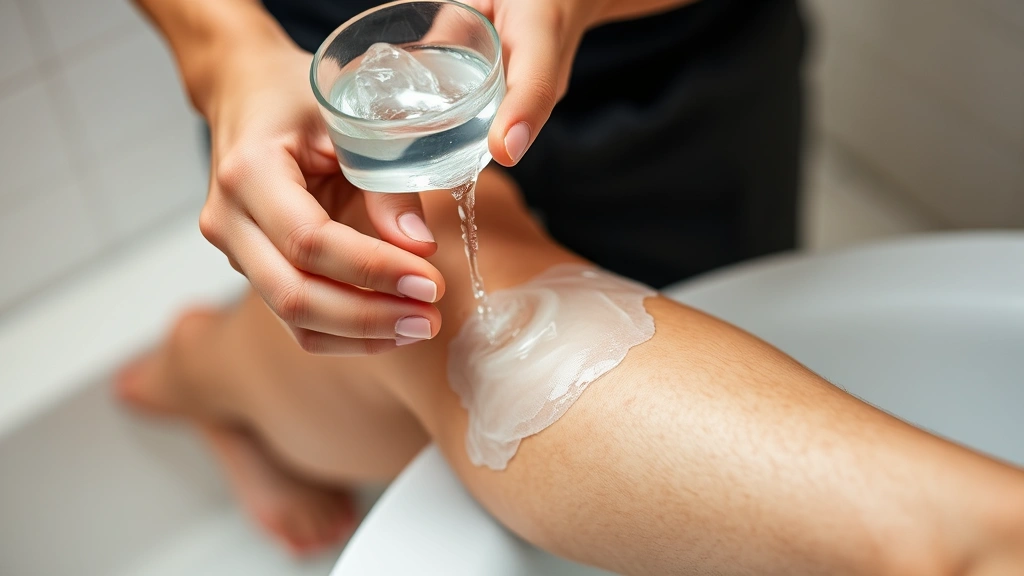
Cool the area down. The heat from shaving and the friction itself cause inflammation, so cooling your skin is your first line of defense. Splash the affected area with cool (not cold) water to reduce inflammation and close your pores. You can also apply a cool, damp washcloth for a few minutes. Some people swear by ice packs wrapped in a soft cloth, but be careful not to apply ice directly to skin, as this can cause additional irritation.
Pat, don’t rub. This seems obvious, but it’s crucial. Use a soft, clean towel and gently pat the area dry. Any rubbing motion will aggravate the already-irritated skin and make razor burn worse. Think of your skin as delicate right now—because it is.
Avoid additional irritants immediately. Don’t apply deodorant, perfume, cologne, or any products with alcohol, fragrance, or strong actives to the affected area for at least 24 hours. These will sting and prolong the irritation. Similarly, avoid tight clothing that might rub against the razor-burned skin.
Skip the gym and hot showers. Sweat and heat are your enemies right now. Give your skin at least 24 hours to recover before exposing it to intense heat, sweat, or friction. This means postponing workouts, hot baths, and even hot showers on the affected area.
Soothing Treatments That Work
Once you’ve taken immediate cooling measures, it’s time to introduce healing treatments. These remedies have genuine science behind them and will speed up your skin’s recovery.
Hydrocortisone cream (1%). Over-the-counter hydrocortisone cream is one of the most effective treatments for razor burn. It reduces inflammation and itching quickly. Apply a thin layer to the affected area 1-2 times daily. You don’t need much—a little goes a long way. Most people see improvement within 24-48 hours with regular application.
Aloe vera gel. Aloe has natural anti-inflammatory and soothing properties, making it perfect for razor burn. Use pure aloe vera gel (check the ingredient list to make sure it doesn’t have added alcohol or dyes) and apply it generously to the affected area. You can refrigerate the aloe for extra cooling relief. Apply as often as needed throughout the day.
Witch hazel. This astringent is excellent for reducing inflammation and has antimicrobial properties that help prevent infection from any micro-cuts. Apply it with a cotton pad to the affected area 2-3 times daily. Look for alcohol-free versions if your skin is sensitive, as alcohol can cause additional stinging.
Moisturizing products with ceramides. Once the initial inflammation starts to subside (usually after 24 hours), introduce gentle moisturizers that contain ceramides. These help repair your skin barrier and reduce itching. Products like CeraVe or Cetaphil are dermatologist favorites for sensitive, irritated skin.
Fragrance-free moisturizer or facial oil. Jojoba oil, squalane, or lightweight ceramide-based moisturizers will help your skin recover without adding irritation. Apply while your skin is still slightly damp to lock in hydration.
Prevention Techniques for Future Shaves
The best treatment for razor burn is preventing it in the first place. These techniques will dramatically reduce your chances of experiencing irritation after shaving.
Exfoliate before shaving. Gently exfoliating 1-2 days before you shave removes dead skin cells and helps prevent ingrown hairs. Use a soft exfoliating glove, chemical exfoliant, or gentle scrub. This creates a smoother surface for your blade to glide over, reducing friction and irritation. Just don’t exfoliate on the same day you shave—that’s overkill and will irritate your skin.
Use a fresh, sharp blade. A dull blade is your worst enemy. It requires more pressure and multiple passes, both of which increase friction and irritation. Replace your razor blade every 5-10 shaves, depending on how often you shave and the area you’re shaving. Dull blades also increase your risk of nicks and cuts, which can lead to infection or scarring. If you’re using a safety razor, keep replacement blades on hand. If you prefer disposable razors, don’t be cheap—invest in quality brands that stay sharp longer.
Hydrate your skin beforehand. Shave after showering when your skin is warm and hydrated. Warm water opens your pores and softens your hair, making it easier to cut and reducing the blade’s resistance. Hydrated skin is also less prone to irritation. Aim to shave within 10 minutes of finishing your shower for optimal results.
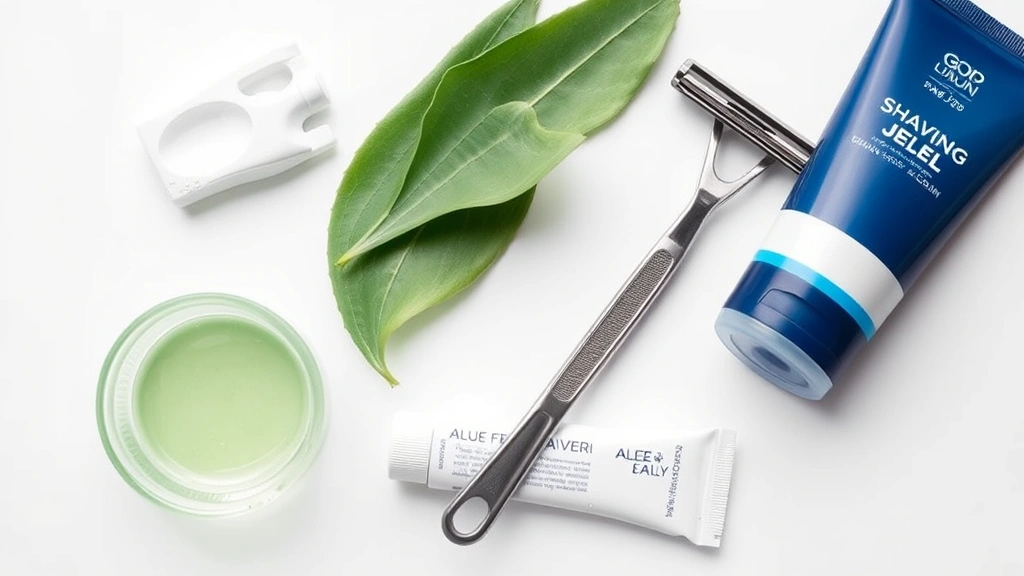
Apply a quality shaving cream or gel. This is non-negotiable. Shaving cream or gel provides lubrication that allows your blade to glide smoothly without excessive friction. Look for products specifically formulated for sensitive skin if you’re prone to razor burn. Avoid canned shaving cream with alcohol—opt for creams, gels, or foams designed to be gentle. Just as proper care matters in other grooming tasks, using the right shaving product makes all the difference.
Shave in the direction of hair growth. Shaving against the grain gives a closer shave but significantly increases irritation and ingrown hairs. Shave with the grain (in the direction your hair naturally grows) for a gentler experience. Yes, you might need to make more passes, but your skin will thank you.
Use light pressure. Let the blade do the work. You shouldn’t need to press hard at all. In fact, pressing hard increases friction and causes micro-cuts. Use gentle, light strokes and let the weight of the razor handle provide sufficient pressure. This is one of the biggest mistakes people make when shaving.
Don’t make multiple passes over the same area. If you miss a spot, that’s okay. Going over the same area multiple times dramatically increases irritation. One pass with the grain is ideal; two passes is acceptable if necessary, but beyond that, you’re just asking for razor burn.
Best Products to Keep on Hand
Having the right products on standby will help you manage razor burn quickly and prevent it from happening in the first place.
Shaving products: Invest in a quality shaving cream or gel designed for sensitive skin. Brands like This Old House’s recommended shaving creams offer excellent options. For razors, consider a safety razor with high-quality blades or premium disposable razors that maintain sharpness longer.
Cooling and soothing: Keep a bottle of pure aloe vera gel in your refrigerator. Alcohol-free witch hazel is also essential. For immediate cooling, a soft cloth that you can dampen with cool water works perfectly.
Anti-inflammatory: Have 1% hydrocortisone cream on hand. It’s inexpensive, widely available at any pharmacy, and genuinely effective for razor burn and other minor skin irritations.
Moisturizers: Stock a fragrance-free, ceramide-rich moisturizer like CeraVe Moisturizing Cream or Cetaphil Daily Facial Moisturizer. These are gentle enough for irritated skin and support your skin barrier.
Exfoliants: A soft exfoliating glove or a gentle chemical exfoliant with salicylic acid or lactic acid will help prevent ingrown hairs and prepare your skin for shaving. Use these 1-2 days before you shave, not on shaving day.
If you’re dealing with other grooming-related skin issues, similar product principles apply. For instance, when addressing concerns like fabric friction on sensitive skin, choosing soft, breathable materials matters just as much as choosing the right shaving products.
When to Worry and Seek Help
Most razor burn resolves on its own within 2-3 days with proper care. However, there are situations where you should consult a dermatologist.
Signs to monitor: If razor burn is accompanied by pus, increasing warmth, or spreading redness beyond the shaved area, you may have an infection. Infected razor burn requires professional medical attention. Additionally, if the irritation doesn’t improve after a week or if you develop severe blistering, see a dermatologist.
Persistent folliculitis: If you repeatedly experience razor burn in the same areas despite following prevention techniques, you might have folliculitis (inflamed hair follicles). A dermatologist can recommend prescription treatments or alternative hair removal methods.
Allergic reactions: If you’ve recently switched shaving products and developed severe itching, hives, or swelling, you may be having an allergic reaction. Stop using the product immediately and consult a healthcare provider if symptoms worsen.
For severe or recurring issues, Family Handyman’s skin care guidance and professional dermatological advice can help you explore alternative hair removal methods like waxing, laser hair removal, or depilatory creams if shaving consistently causes problems.
Frequently Asked Questions
How long does razor burn last?
Mild razor burn typically resolves within 24-48 hours with proper care. More severe cases might take 3-5 days. If your razor burn hasn’t improved after a week, consult a dermatologist.
Can I use makeup to cover razor burn?
While it’s tempting, applying makeup to fresh razor burn can trap bacteria and delay healing. Wait at least 24 hours before applying any makeup to the affected area, and use only fragrance-free, hypoallergenic products.
Is razor burn the same as razor bumps?
No. Razor burn is immediate inflammation and irritation from shaving, while razor bumps (pseudofolliculitis barbae) are ingrown hairs that develop after shaving, usually within 24-72 hours. They require different treatment approaches, though prevention methods overlap significantly.
What’s the difference between shaving with and against the grain?
Shaving with the grain means shaving in the direction your hair naturally grows. Shaving against the grain means shaving in the opposite direction. Against-the-grain shaving gives a closer shave but causes more irritation and ingrown hairs. With-the-grain shaving is gentler but requires more passes.
Can I prevent razor burn if I have sensitive skin?
Absolutely. People with sensitive skin should shave less frequently, use sharp blades, apply quality shaving cream, and shave with the grain. Consider Home Depot’s selection of gentle shaving tools designed for sensitive skin. If traditional shaving consistently causes problems, explore alternative hair removal methods.
Should I moisturize immediately after shaving?
Wait at least 15-30 minutes after shaving before applying heavy moisturizer. Your pores are still open and your skin is warm. Start with a cool water rinse, then apply a lightweight, fragrance-free moisturizer. Heavy moisturizers applied too soon can trap heat and bacteria.
Why does my razor burn itch so much?
Itching occurs because your skin is inflamed and healing. Your immune system is responding to the micro-injuries, which triggers histamine release and itching sensations. Resist the urge to scratch—it will worsen irritation. Instead, apply cool compresses or use hydrocortisone cream to reduce itching.
Can I shave again if I have razor burn?
Wait until your razor burn completely resolves before shaving again. Shaving over irritated skin will make the problem worse and potentially cause infection. Give your skin at least 3-5 days to fully recover.
What’s the best razor for preventing burn?
Quality matters more than type. Whether you use a safety razor, straight razor, or premium disposable razor, ensure it has sharp blades and provides good lubrication. Many people find that safety razors with high-quality blades cause less irritation because you have better control and can maintain blade sharpness more easily. Family Handyman offers detailed guidance on choosing the right razor for your needs.

Related Posts

How Long to Boil Lobster Tails: Cooking Guide

How Long to Fly from New York to London? Travel Times
