
How to Get Rid of Raccoons: Expert Guide
How to Get Rid of Raccoons: Expert Guide
Raccoons are clever, persistent, and surprisingly destructive. If you’ve noticed trash scattered across your yard, mysterious holes in your lawn, or heard scratching sounds in your attic at 2 AM, you’re not alone. These masked bandits affect millions of homeowners annually, and dealing with them requires strategy, patience, and the right approach.
The good news? You don’t need to call in expensive wildlife removal services for every raccoon problem. Many homeowners can successfully reclaim their properties by understanding raccoon behavior and implementing targeted solutions. This guide walks you through proven methods that actually work, from immediate deterrents to long-term prevention strategies.
Whether you’re dealing with a single opportunistic visitor or an established family of raccoons, we’ll cover everything you need to know to protect your home, yard, and peace of mind.
Understanding Raccoon Behavior
Before you can effectively deal with raccoons, you need to understand what drives them. Raccoons aren’t attacking your home out of malice—they’re simply looking for food, shelter, and safety. They’re incredibly intelligent, with problem-solving abilities that rival primates. They have excellent dexterity, allowing them to open latches, tear through screens, and manipulate objects with surprising precision.
Raccoons are primarily nocturnal, meaning most of their activity happens between dusk and dawn. They’re also opportunistic omnivores, eating everything from garbage and pet food to insects, fruits, and small animals. During spring and early summer, mothers are particularly aggressive about finding food for their young, making this season especially challenging for homeowners.
What makes raccoons particularly problematic is their lack of natural predators in suburban and urban areas. Without wolves, coyotes, or other large predators to keep populations in check, raccoon numbers have exploded in recent decades. They’re also incredibly adaptable, quickly learning which neighborhoods offer the best food sources and shelter options.
Understanding this context is crucial because it informs your strategy. You’re not just dealing with a pest—you’re competing with an intelligent animal that’s perfectly adapted to exploiting human environments. This means your solutions need to be equally thoughtful.
Identifying Raccoon Activity
The first step in solving any raccoon problem is confirming you actually have raccoons. Several other animals leave similar signs, so accurate identification prevents wasted effort. Here’s what to look for:
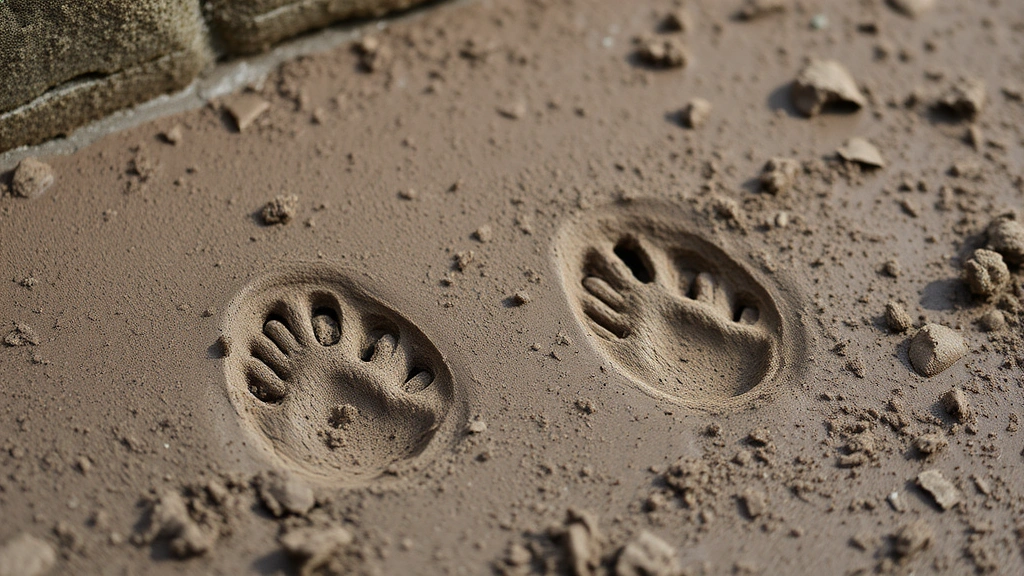
- Distinctive handprints: Raccoon front paws leave prints that resemble tiny human hands, typically about 2-3 inches long. Look for these in mud, sand, or soft soil near your garden or foundation.
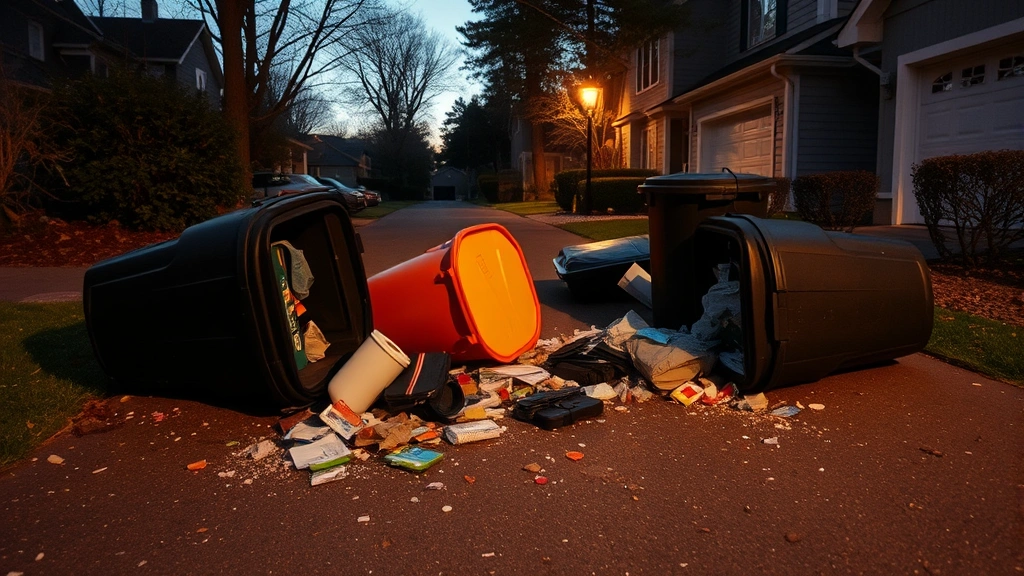
- Scattered trash: Raccoons are messy eaters. If your garbage cans are knocked over and contents are strewn about (rather than neatly eaten), raccoons are likely responsible.
- Lawn damage: Small holes or patches of torn-up grass indicate raccoons searching for grubs and earthworms. These holes are typically 3-4 inches deep and irregularly scattered.
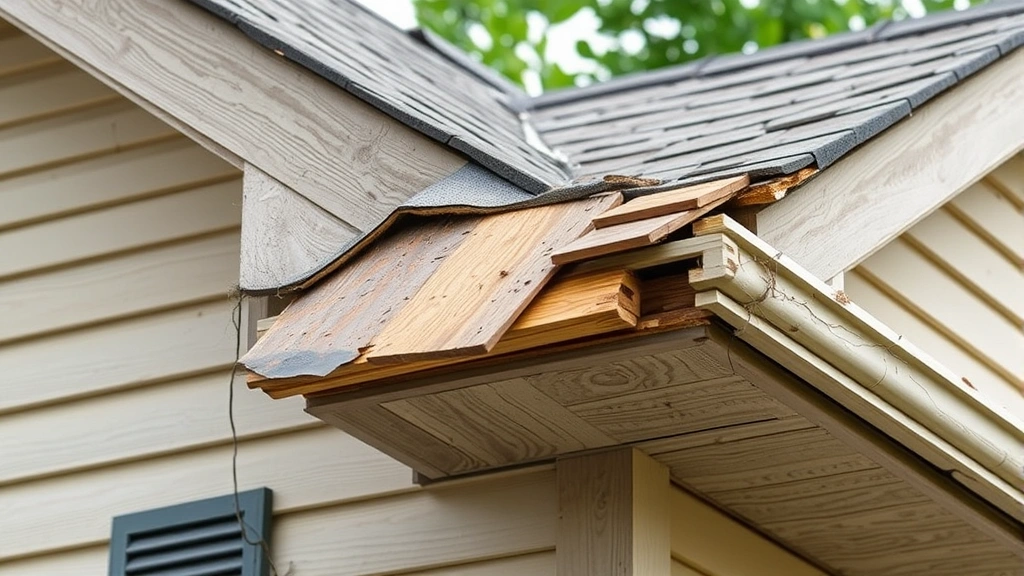
- Roof and siding damage: Raccoons often tear off roof shingles, fascia boards, or siding to access attics and wall cavities. Look for ripped material and exposed gaps.
- Nocturnal sounds: Scratching, chittering, or thumping noises in your attic or walls, especially at night, suggest raccoon presence.
- Droppings: Raccoon feces are darker than most other animals and often contain undigested food remnants. They’re typically 1/2 to 1 inch in diameter.
If you’re unsure, document what you’re seeing with photos and timestamps. This information helps if you eventually need to contact a wildlife professional.
Immediate Solutions That Work
Once you’ve confirmed raccoon activity, immediate action prevents the problem from escalating. These solutions address the most common entry points and attractants:
Secure Your Garbage
This is the single most important step. Raccoons are attracted to your property because of reliable food sources. Store garbage in sealed containers inside your garage or shed until collection day. If that’s not possible, use heavy-duty trash cans with locking lids or bear-proof containers. Consider storing bins in your garage overnight and only putting them out the morning of collection.
Remove Pet Food and Water
Never leave pet food or water bowls outside overnight. Raccoons will return repeatedly to reliable food sources. Feed your pets indoors or remove their dishes immediately after eating.
Install Motion-Activated Lights and Sprinklers
Raccoons prefer to operate in darkness and are startled by sudden lights and water. Motion-activated devices create an unwelcoming environment. Place them near areas where you’ve noticed activity—around your garden, near trash cans, or along fence lines.
Use Ammonia-Soaked Rags
Raccoons dislike strong odors. Soak rags in ammonia and place them in areas where raccoons frequent. The smell mimics predator urine and encourages them to find elsewhere to explore. Replace the rags every few days as the ammonia evaporates.
Apply Capsaicin-Based Repellents
Commercial raccoon repellents containing capsaicin (the compound that makes peppers spicy) can deter raccoons from specific areas. Apply these around garden beds, trash cans, and entry points. Reapply after rain.
Exclusion and Prevention Techniques
Exclusion—physically preventing raccoons from accessing your property—is the most effective long-term solution. This requires some work but pays dividends in peace and quiet.
Secure Your Attic and Roof
Raccoons often enter homes through roof vents, damaged fascia, or gaps where utilities enter the building. Inspect your roof carefully, looking for damaged shingles, loose flashing, or gaps larger than a quarter-inch. Seal these openings with heavy-gauge steel mesh or hardware cloth (not plastic—raccoons tear right through it). Pay special attention to areas where pipes, cables, and vents penetrate your roof.
Install Chimney Caps and Vent Covers
Chimneys and vents are common entry points. Install chimney caps with 1/4-inch mesh screening and cover roof vents with sturdy grates. Ensure these covers are securely fastened—raccoons are persistent and will test every weak point.
Reinforce Deck and Foundation Access
Raccoons often den under decks and porches. Install sturdy lattice or hardware cloth around the perimeter, extending it at least 12 inches into the ground and burying it slightly to prevent digging underneath. Ensure all gaps are sealed.
Trim Tree Branches
Remove tree branches that hang over your roof or provide access to upper-story entry points. Raccoons are excellent climbers, and branches create convenient highways to your home. Trim branches back at least 6-8 feet from your roof.
Protect Your Garden
Install sturdy fencing around vegetable gardens, extending at least 4 feet high and burying it 12 inches deep. Raccoons are excellent diggers, so that underground barrier is crucial. Consider adding an angled extension at the top—raccoons struggle with barriers they can’t climb over.
Humane Removal Options
Sometimes prevention and deterrence aren’t enough, especially if raccoons have already established themselves in your home. If you’re dealing with a family living in your attic or a particularly aggressive individual, removal becomes necessary.
Live Trapping
Live traps allow you to capture raccoons humanely for relocation. Use a sturdy cage trap (at least 12x12x32 inches) baited with cat food, marshmallows, or overripe fruit. Place traps along walls where you’ve observed raccoon activity. Check traps frequently—leaving an animal trapped is both inhumane and often illegal.
Before trapping, check local regulations. Many areas require specific licenses for trapping, and some prohibit relocation altogether. Similar wildlife removal strategies apply to groundhogs, which also require local permit compliance.
One-Way Door Installation
If raccoons are living in your attic, install one-way doors at their entry points. These devices allow raccoons to exit but prevent re-entry. Once all raccoons have left (typically 3-5 days), seal the opening permanently with hardware cloth and caulk.
When to Call Professionals
If you have young raccoons in your attic (spring and early summer), attempting removal yourself can separate mothers from babies, causing suffering and potential legal issues. Professional wildlife removal services have the expertise and equipment to handle complex situations safely and legally. While more expensive than DIY methods, professionals ensure humane treatment and proper handling of legal requirements.
Protecting Your Yard Long-Term
Successful raccoon management requires thinking beyond immediate problems to long-term yard design and maintenance. This approach prevents reinfestation and protects against other wildlife issues.
Eliminate Grub Populations
Raccoons tear up lawns searching for grubs and earthworms. By eliminating these food sources, you make your property less attractive. Apply beneficial nematodes or use targeted grub control products in late summer when grubs are most active. This also improves your lawn’s health.
Manage Compost Properly
Never compost meat, dairy, or oils—these attract raccoons (and other pests). Even vegetable-only compost can draw raccoons if not properly managed. Use enclosed compost bins with secure lids, or consider pest prevention strategies similar to those used for ants that focus on eliminating food sources.
Secure Outdoor Storage
Store birdseed, pet food, fertilizer, and other items in sealed containers inside a locked shed or garage. Raccoons will investigate any building on your property, and easy access to food reinforces their presence.
Maintain Your Property
Keep your yard trimmed and clear of debris. Raccoons prefer areas with hiding spots—dense brush, woodpiles, and clutter provide shelter. Remove these and you make your property less appealing. Regularly inspect your home’s exterior for new damage or gaps.
Coordinate with Neighbors
Raccoon problems often spread through neighborhoods. Talk with neighbors about securing their garbage, removing food sources, and sealing entry points. A community-wide approach is far more effective than individual efforts.
Frequently Asked Questions
What’s the best bait for trapping raccoons?
Raccoons respond well to cat food (wet food works better than dry), marshmallows, overripe fruit, or fish. Place bait in the trap’s back corner to ensure the animal fully enters before the door closes.
Can I use poison to kill raccoons?
Poison is inhumane, often ineffective, and illegal in many areas. Additionally, poisoned raccoons may die in inaccessible locations (like your walls), creating serious odor and sanitation problems. Humane removal is always preferable.
How do I know if raccoons are gone?
Monitor entry points for 3-5 days after installing one-way doors. If no new droppings appear and you don’t hear sounds, they’ve likely left. Seal entry points permanently only after confirming the property is clear.
Is it safe to handle a trapped raccoon?
No. Raccoons can bite and carry rabies, roundworms, and other diseases. Always wear heavy gloves when handling traps, and never reach into a trap with an agitated animal. Professional removal is safer.
What if there are baby raccoons?
Mother raccoons with babies are particularly defensive and problematic. If you suspect babies in your attic or under your deck, contact a professional. Attempting removal yourself can cause unnecessary suffering and legal complications.
How long does raccoon removal take?
Timeline varies. Live trapping might take days or weeks depending on raccoon density. One-way doors typically require 3-7 days for all animals to exit. Professional removal often takes 1-2 weeks to ensure complete resolution.
Will raccoons come back after removal?
If entry points remain unsealed, new raccoons will likely move in. After removal, immediately seal all gaps and maintain preventive measures. Proper exclusion is permanent; without it, the cycle repeats.
What about raccoons in my walls?
Raccoons in walls are more challenging than those in attics. Identify entry points, install one-way doors, and seal openings after they exit. If you can’t locate entry points, or if noise and damage continue, professional help is warranted.
Are there any legal issues with raccoon removal?
Yes. Many jurisdictions require permits for trapping and relocation. Some areas prohibit relocation entirely. Check your local wildlife regulations before attempting removal. This protects you legally and ensures humane treatment of animals.
Can I use electricity or noise to deter raccoons?
Electric fencing works for some applications, particularly around gardens. Ultrasonic devices have limited effectiveness—raccoons habituate quickly to constant noise. Motion-activated lights and sprinklers are more reliable deterrents.
Dealing with raccoons requires patience, consistency, and a multi-faceted approach. There’s no single magic solution, but by combining immediate deterrents, exclusion methods, and long-term prevention, you’ll successfully reclaim your property. Remember that raccoons are intelligent, adaptable animals—your strategy needs to be equally thoughtful. Whether you handle removal yourself or call professionals, the key is acting quickly and maintaining preventive measures year-round. For additional wildlife guidance, explore other pest control methods that emphasize prevention and proper sanitation.
For comprehensive information on wildlife management, consult resources like This Old House’s pest control guides or Family Handyman’s raccoon removal article. The Home Depot pest control section offers numerous products for implementation, and your local wildlife agency can provide region-specific regulations and professional recommendations.

Related Posts

How Long to Boil Lobster Tails: Cooking Guide

How Long to Fly from New York to London? Travel Times
