
Eliminate Mites Fast: Expert-Approved Methods
Mites are microscopic pests that can infest your home, affecting your health, comfort, and peace of mind. Whether you’re dealing with dust mites, chiggers, or other varieties, understanding how to get rid of mites quickly and effectively is essential for maintaining a clean and healthy living environment. This comprehensive guide will walk you through expert-approved methods to eliminate mites from your home.
Mite infestations can occur in bedding, furniture, carpets, and other areas where dust accumulates. The good news is that with the right approach and consistent effort, you can significantly reduce mite populations and prevent future infestations. We’ll cover identification, immediate action steps, and long-term prevention strategies that actually work.
Understanding Mites and Why They Invade Your Home
Mites are tiny arachnids, invisible to the naked eye, that thrive in warm, humid environments. The most common household mites include dust mites, which feed on dead skin cells, and chiggers, which burrow into skin. Understanding what attracts mites to your home is the first step in elimination and prevention.
Dust mites are particularly prevalent in bedding, upholstered furniture, and carpets where they find abundant food sources. A single mite can produce 200 times its body weight in feces during its lifetime, which is a major allergen trigger for many people. Temperature between 68-77°F and humidity levels above 50% create ideal conditions for mite reproduction.
Other mite types, such as bird mites or rodent mites, may enter your home through infested animals. If you suspect an animal-related infestation, you may want to review our guide on how to get rid of mice in walls, as rodent control is often necessary before addressing mite problems.
Immediate Steps to Get Rid of Mites Fast
The fastest way to reduce mite populations is through aggressive cleaning combined with environmental modifications. Start today with these immediate actions:
- Strip and wash bedding: Remove all sheets, pillowcases, and blankets. Wash in hot water (130°F or higher) and dry on high heat for at least 20 minutes. This single action eliminates thousands of mites immediately.
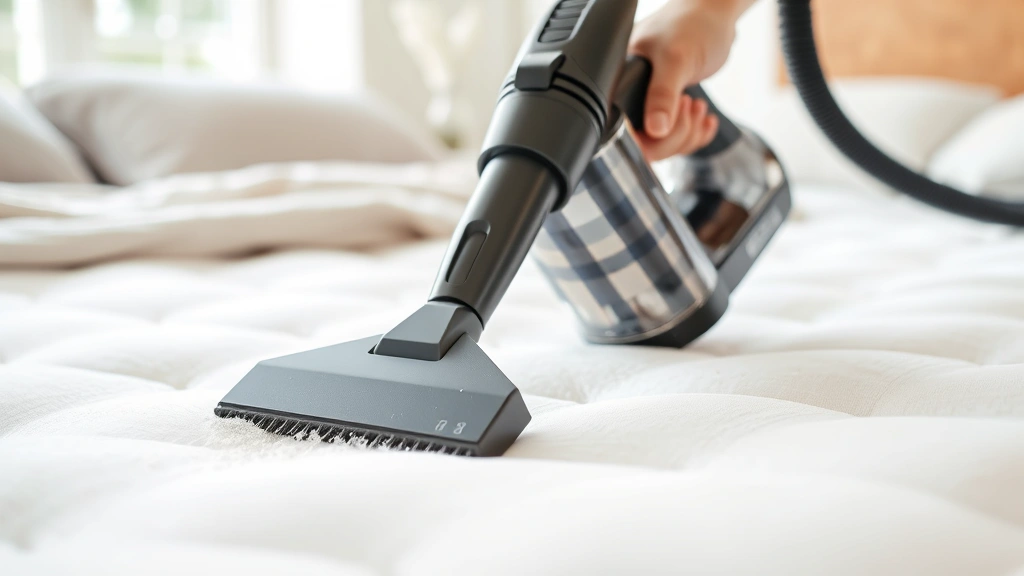
- Vacuum thoroughly: Use a HEPA filter vacuum to clean all floors, carpets, and upholstered surfaces. Make multiple passes over high-traffic areas and go slowly to allow proper suction.
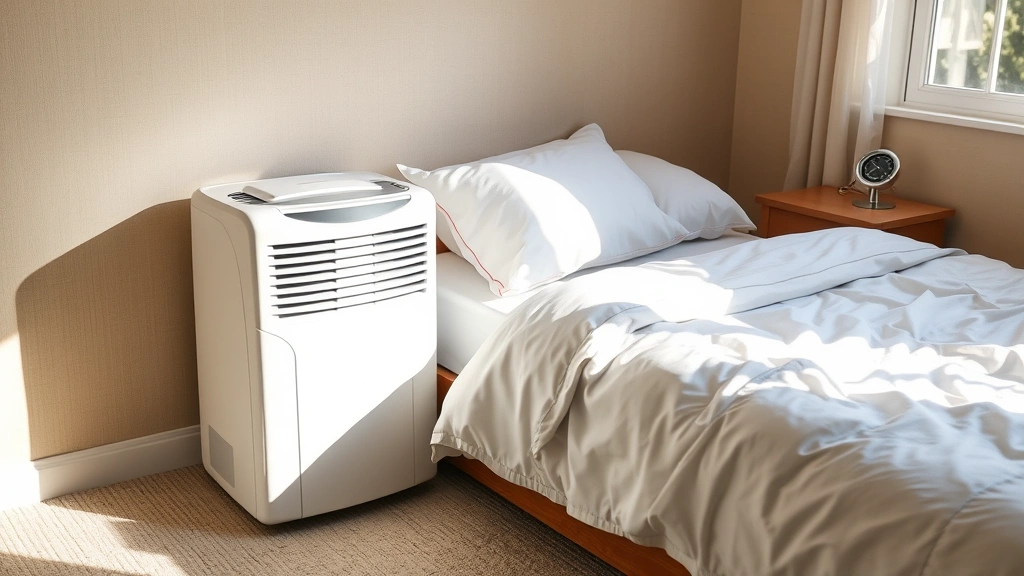
- Lower humidity: Use a dehumidifier to bring indoor humidity below 50%. Mites cannot reproduce in dry environments, making this one of the most effective quick wins.
- Isolate affected items: Place stuffed animals, pillows, and cushions in sealed bags for 24-48 hours, or freeze them for similar periods to kill mites.
- Dust surfaces: Wipe down all hard surfaces with a damp cloth to capture and remove dust mites rather than dispersing them into the air.
These steps should show noticeable improvement within 3-5 days. The key is consistency—mites reproduce quickly, so maintaining these practices is crucial for sustained results.
Deep Cleaning Methods for Mite Elimination
Once you’ve taken immediate action, deep cleaning targets mites in areas where they hide and breed. Professional-grade cleaning is often more effective than standard household methods.
Steam Cleaning
Steam cleaning is one of the most effective methods for eliminating mites because the high temperature (over 130°F) kills mites and their allergens on contact. Invest in or rent a quality steam cleaner to treat:
- Mattresses and box springs
- Upholstered furniture and sofas
- Curtains and drapes
- Carpets and area rugs
- Hard-to-reach crevices and baseboards
Steam cleaning should be performed every 2-4 weeks during active mite season or when you notice increased allergy symptoms. Make sure furniture dries completely afterward to prevent mold growth.
Mattress Treatment
Your mattress is ground zero for dust mites. Implement this comprehensive mattress treatment:
- Vacuum the entire mattress surface with a HEPA filter vacuum, using slow, overlapping strokes
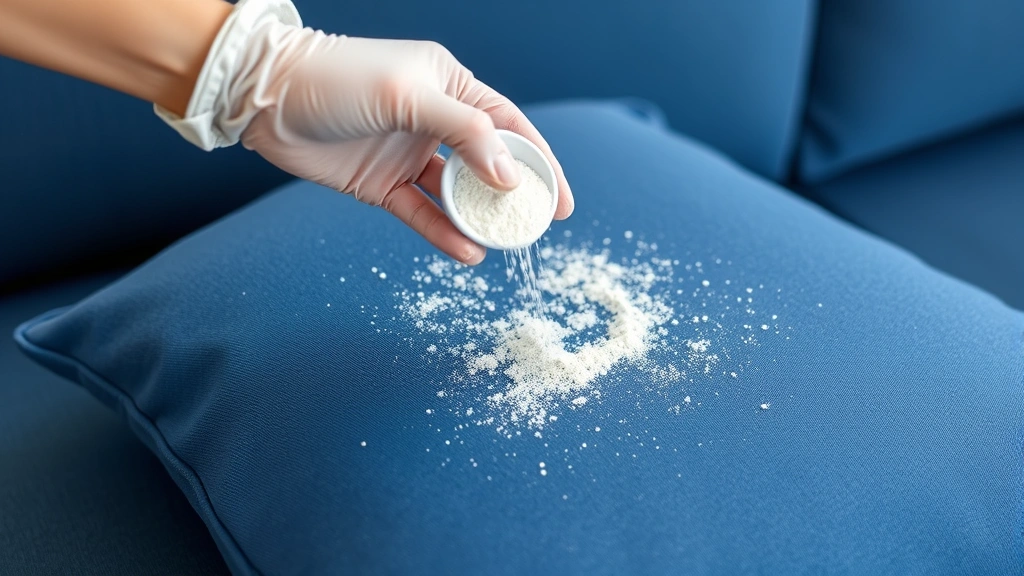
- Sprinkle diatomaceous earth (food-grade) evenly across the mattress surface
- Let it sit for 2 hours to penetrate and kill mites
- Vacuum thoroughly to remove all powder residue
- Use a steam cleaner on the highest setting to treat any remaining mites
- Encase the mattress in a mite-proof cover to prevent future infestation
Carpet and Floor Care
Carpets harbor enormous mite populations. If you have severe infestations, consider replacing carpet with hardwood or tile flooring. If you’re keeping carpets:
- Vacuum daily with a HEPA filter vacuum
- Steam clean every 4-6 weeks
- Use baking soda or diatomaceous earth weekly—sprinkle, wait 2 hours, then vacuum
- Consider professional carpet cleaning services monthly during peak mite season
Hard flooring is inherently more mite-resistant and easier to maintain. If budget allows, this upgrade significantly reduces overall mite populations in your home.
Treating Affected Areas and Furniture
Different furniture and areas require tailored treatment approaches. Here’s how to tackle specific problem zones:
Bedroom Furniture and Bedding
Your bedroom is the primary mite habitat. Beyond washing bedding in hot water, implement these measures:
- Use allergen-proof mattress and pillow covers on all sleeping surfaces
- Wash pillows monthly in hot water (check care labels first)
- Consider replacing pillows every 6-12 months if you have severe allergies
- Remove decorative pillows and stuffed animals from the bedroom entirely
- Use cotton sheets and blankets rather than synthetic materials that trap moisture
Upholstered Furniture
Sofas, chairs, and other upholstered pieces are mite magnets. Treatment options include:
- Regular vacuuming with HEPA filter (2-3 times weekly)
- Monthly steam cleaning using a furniture attachment
- Applying fabric-safe acaricides (mite-killing sprays) according to product instructions
- Washing removable covers in hot water when possible
- Rotating and flipping cushions to expose all surfaces to treatment
Curtains and Window Treatments
Curtains collect significant dust and mites. Wash them every 4-6 weeks in hot water or use steam cleaning. For delicate fabrics, consider replacing heavy curtains with washable roller shades or blinds that are easier to clean and maintain.
Natural and Chemical Solutions
Beyond cleaning, various substances can kill mites or inhibit their growth. Here are the most effective options:
Diatomaceous Earth
Food-grade diatomaceous earth (DE) is a natural powder that damages mites’ exoskeletons, causing them to dehydrate and die. Application steps:
- Choose food-grade DE only (industrial-grade is toxic)
- Sprinkle lightly over mattresses, carpets, and furniture
- Leave for 2-8 hours to be effective
- Vacuum thoroughly to remove all powder
- Repeat weekly until mite populations decline
DE is non-toxic to humans and pets, making it ideal for families with young children or animals. However, some people find the powder irritating to breathe, so wear a mask during application.
Baking Soda
Baking soda is another natural option that dehydrates mites. Sprinkle it generously on affected areas, wait 24 hours, then vacuum thoroughly. While less potent than DE, it’s extremely safe and costs only pennies per application.
Essential Oils
Some essential oils have mild acaricidal properties. Eucalyptus, tea tree, and lavender oils show promise in studies. Mix 10-15 drops with water in a spray bottle and apply to fabrics. However, essential oils are not as effective as other methods and work best as a supplementary treatment.
Chemical Acaricides
For severe infestations, commercial acaricide sprays and treatments offer faster results. Popular options include:
- Benzyl benzoate: Professional-strength treatment for mattresses and furniture
- Permethrin: Synthetic pesticide effective against multiple mite types
- Tannic acid: Denatures mite allergens on contact
Always follow product instructions carefully and ensure proper ventilation. Consider consulting a pest control professional before applying chemical treatments, especially if you have pets or young children. If other pests are present, our guide on how to get rid of German cockroaches covers similar chemical treatment safety considerations.
For more information on professional pest control and treatment options, This Old House’s pest control section provides comprehensive guidance on working with professionals.
Prevention Strategies for Long-Term Control
Eliminating mites is only half the battle. Long-term prevention keeps populations low and prevents reinfestation:
Environmental Controls
- Maintain humidity below 50%: Use dehumidifiers, air conditioning, or moisture-absorbing products. This single factor has the most dramatic impact on mite populations.
- Improve air circulation: Open windows when weather permits, use ceiling fans, and ensure HVAC systems are clean and functioning properly.
- Regular vacuuming: Vacuum all carpets and furniture with a HEPA filter vacuum at least twice weekly, more frequently in bedrooms.
- Wash fabrics frequently: Bedding should be washed weekly in hot water. Curtains, blankets, and other fabrics should be washed monthly.
Furniture and Bedding Choices
Make strategic decisions when replacing items:
- Choose hardwood or tile flooring over carpet when possible
- Use leather or vinyl furniture instead of upholstered pieces
- Select mattresses with removable, washable covers
- Use pillows with allergen-proof covers and wash monthly
- Opt for washable window treatments rather than heavy curtains
Regular Maintenance Schedule
Establish and follow a mite prevention routine:
- Daily: Vacuum carpets and high-traffic areas
- Weekly: Wash bedding in hot water, wipe down surfaces with damp cloths
- Bi-weekly: Vacuum upholstered furniture, treat with DE or baking soda if needed
- Monthly: Steam clean mattresses and furniture, wash curtains
- Quarterly: Deep clean baseboards, vents, and hard-to-reach areas
This proactive approach prevents infestations from developing and keeps allergen levels manageable for people with sensitivities. If you’re also dealing with other household pests, our guides on how to get rid of gnats in the house quickly provide complementary pest management strategies.
When to Call a Professional
While many mite infestations can be handled with DIY methods, certain situations warrant professional intervention:
- Severe allergic reactions: If household members experience significant allergic symptoms despite your efforts, professional treatment may provide faster relief.
- Persistent infestations: If mite populations remain high after 4-6 weeks of consistent treatment, professionals have access to stronger solutions.
- Animal-related mites: If mites are associated with birds, rodents, or other animals, pest control professionals can address the root cause. You might also consult our guide on getting rid of mice in walls if rodents are involved.
- Extensive infestations: Large homes or commercial spaces may benefit from professional-grade equipment and expertise.
- Structural concerns: If mites are linked to moisture problems requiring wall repairs or structural fixes, professionals can coordinate comprehensive solutions.
Professional pest control companies use advanced equipment like thermal imaging to identify problem areas and employ industrial-strength treatments not available to consumers. Family Handyman’s dust mite removal guide offers additional professional insights and recommendations.
When selecting a pest control professional, verify they’re licensed, insured, and experienced with mite treatment specifically. Ask about their methods, chemical safety, and guarantees on their work.
FAQ
How long does it take to get rid of mites?
With consistent effort using the methods outlined above, you should notice significant improvement within 1-2 weeks. However, complete elimination typically takes 4-6 weeks. Mites reproduce rapidly, so maintaining prevention practices indefinitely is necessary to keep populations low.
Can mites cause health problems?
Dust mites themselves don’t bite or transmit diseases, but their feces contain powerful allergens. People with dust mite allergies experience symptoms like sneezing, runny nose, itchy eyes, and asthma attacks. Chiggers and other mite types can cause skin irritation and itching. Addressing mite infestations improves overall health and comfort.
Are mites visible to the eye?
No, dust mites are microscopic and cannot be seen without magnification. However, you may notice their effects through allergic symptoms or see their feces as dust accumulation. If you can see moving creatures, you likely have a different pest and should investigate further.
What’s the difference between dust mites and chiggers?
Dust mites are microscopic arachnids that live in household dust and feed on dead skin cells. They don’t bite or burrow. Chiggers are larger mites that burrow into skin, causing itching and irritation. Treatment methods overlap significantly, but chigger infestations may require topical skin treatments in addition to environmental controls.
Can I prevent mites entirely?
Complete prevention is nearly impossible since mites are naturally occurring and present in almost all homes. However, you can keep populations at levels that don’t cause health problems through the prevention strategies outlined in this guide. Focus on maintaining low humidity, regular cleaning, and using protective bedding covers.
Is diatomaceous earth safe for pets?
Food-grade diatomaceous earth is safe for pets when used as directed. However, inhaling the powder can irritate their respiratory systems, so apply it when pets aren’t present and vacuum thoroughly afterward. Keep pets away from treated areas for at least 2 hours.
Should I replace my mattress if it has mites?
Not necessarily. With proper treatment including steam cleaning, vacuuming, and using a mite-proof cover, you can eliminate most mites from a mattress. Only replace your mattress if it’s old, damaged, or if allergy symptoms persist despite comprehensive treatment.

Related Posts

Superscript in Google Docs: Expert Tips

Strikethrough in Excel: Easy Steps for Beginners
