
How to Get Rid of Ladybugs: Effective Methods
How to Get Rid of Ladybugs: Effective Methods for Your Home
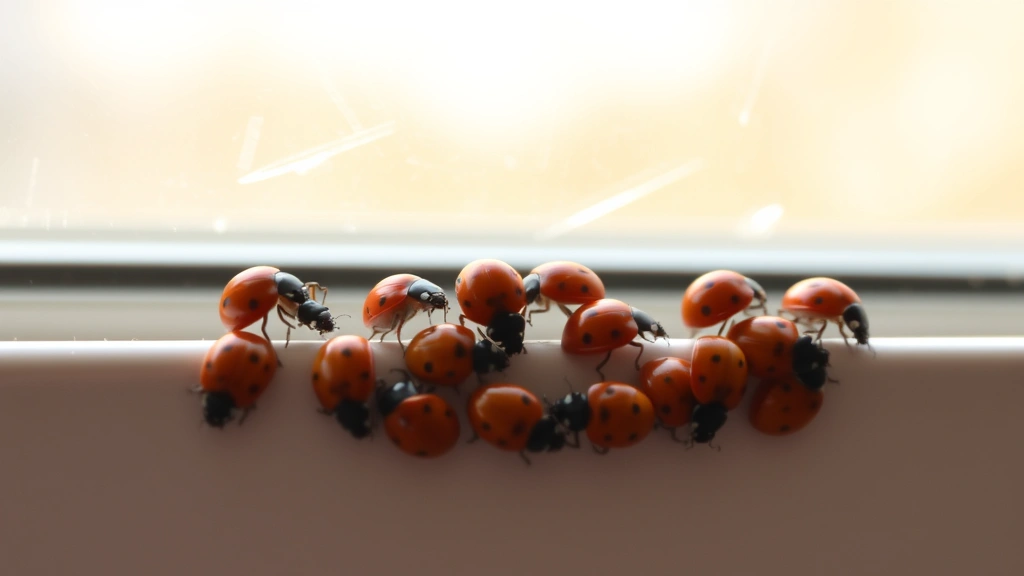
Ladybugs have a reputation as garden heroes, and for good reason—they’re voracious aphid eaters and generally considered beneficial insects. But here’s the thing: when hundreds of them decide your home is the perfect winter retreat, that charm wears thin fast. If you’ve ever dealt with ladybugs clustering on your walls, windows, or worse, inside your living spaces, you know exactly what we’re talking about. The good news? Getting rid of ladybugs doesn’t require toxic chemicals or professional exterminators.
This isn’t about harming these little beetles. Instead, we’re talking about practical, humane methods to encourage them to relocate their massive congregations elsewhere. Whether you’re dealing with a minor infestation or what feels like a biblical plague of spotted insects, we’ve got strategies that actually work.
The key to managing ladybugs effectively is understanding why they’re drawn to your home in the first place and then taking targeted action. Let’s walk through everything you need to know to reclaim your space.
Why Ladybugs Invade Homes
Ladybugs don’t just randomly show up at your door looking for trouble. They’re following ancient instincts that made perfect sense in nature but create chaos in our homes. As temperatures drop in fall, ladybugs search for protected spaces to overwinter. Your house—with its warm walls, protected crevices, and consistent temperatures—looks like a five-star resort to them.
The Asian Lady Beetle, technically not a true ladybug but often mistaken for one, is particularly aggressive about this behavior. These beetles can mass-aggregate in the thousands, creating visible clusters that look like something out of a horror film. They’re attracted to light-colored buildings and homes positioned in sunny locations, which makes certain properties far more susceptible than others.
Once a few ladybugs find your home, they release pheromones—chemical signals that essentially advertise your property to every other ladybug in the neighborhood. It’s like they’re texting their friends: “Hey, found the perfect spot. Come on over.” This is why ladybug problems tend to escalate quickly if you don’t intervene early.

Identifying a Ladybug Problem
Not every ladybug sighting means you have an infestation. A few ladybugs wandering around your house occasionally? That’s normal. But if you’re seeing them in significant numbers—especially clustering in corners, around window frames, or in attic spaces—you’ve got a problem worth addressing.
Signs of a genuine ladybug invasion include:
- Visible clusters of beetles on walls or windows, particularly in autumn
- Finding them inside wall cavities or attic spaces
- Noticing them congregating near light sources indoors
- Discovering dead ladybugs accumulating in window sills
- Spotting yellow staining on walls or fabrics (this is their defensive secretion)
The staining is worth noting because it’s not just unsightly—it can damage fabrics and leave permanent marks on surfaces. This happens when ladybugs feel threatened and release their warning chemical. If you’re dealing with hundreds of them, you might notice this smell, which is distinctly unpleasant.
Prevention Strategies
Prevention is genuinely your best defense against ladybug invasions. Once you’ve dealt with an infestation, implementing these strategies will help ensure you don’t face the same problem next year.
Seal Entry Points
This is the foundation of ladybug prevention. Walk around your home’s exterior during late summer and early fall, looking for gaps and cracks where ladybugs could enter. Pay special attention to areas where utilities enter your home, gaps around windows and doors, and any cracks in siding or foundation. Use caulk to seal these openings. You’ll also want to check your attic for gaps around vents and soffit areas.
Install Proper Screening
Make sure all your window screens are intact and properly fitted. Check door seals and weather stripping. Ladybugs are surprisingly good at finding tiny openings, so don’t assume something is too small to matter. If you’re dealing with a serious problem, consider installing insect screening on your dryer vent and other exterior vents.
Reduce Exterior Lighting
Since ladybugs are attracted to light, consider switching to yellow or amber-tinted bulbs for exterior lighting, or simply reduce the number of outdoor lights you use during fall months. Motion-activated lights are another option—they provide security without creating a constant beacon for insects.
Manage Landscaping
Keep shrubs and trees trimmed back from your home’s exterior. Ladybugs use vegetation as highways to reach your roof and walls. Remove dead leaves and debris from gutters and around your foundation, as these create perfect hiding spots for beetles looking to overwinter.

Safe Removal Methods
If prevention didn’t work—or if you’re already dealing with an active infestation—these removal methods will help you reclaim your space without harming the ladybugs.
Vacuuming
This is the most straightforward method for removing ladybugs from interior spaces. Use a handheld vacuum or shop vac to carefully collect them from walls, windows, and corners. After vacuuming, immediately empty the contents into a sealed bag outside. Don’t leave them sitting in your vacuum, as they can crawl back out or create unpleasant odors. This method works best for smaller clusters or individual beetles you find indoors.
Manual Collection and Relocation
For smaller numbers, you can manually collect ladybugs using a container. Gently guide them into a cup or container, then release them outside far from your home. This is the most humane option and takes surprisingly little time if you’re patient. Keep a container near areas where you frequently find them.
Traps and Sticky Surfaces
Commercial sticky traps designed for insects can capture ladybugs, though they’re not as effective as vacuuming for large infestations. Place them near areas where you’ve seen clusters. The advantage is that they work passively while you’re not actively managing the problem. However, be aware that these traps also catch beneficial insects, so use them strategically.
Light Traps
Since ladybugs are attracted to light, you can create simple light traps by placing a light source near a container filled with soapy water. The beetles fly toward the light and fall into the water. This works particularly well at night when they’re actively seeking light sources. Empty the container outside the next morning.
Natural Deterrents That Work
If you want to prevent ladybugs from entering specific areas without trapping or vacuuming them, several natural deterrents have proven effective.
Citronella and Essential Oils
Ladybugs dislike strong scents, particularly citronella, clove, and cinnamon oils. You can create a deterrent spray by mixing a few drops of these oils with water and lightly spraying it around entry points and areas where ladybugs congregate. The smell fades over time, so you’ll need to reapply regularly. This method is particularly useful around windows and doors.
Diatomaceous Earth
Food-grade diatomaceous earth is a natural powder that damages insects’ exoskeletons. Sprinkle it around entry points and areas where ladybugs cluster. It’s completely safe for humans and pets but effectively deters ladybugs from crossing treated areas. Reapply after rain or every few weeks, as it loses effectiveness when wet.
Bay Leaves and Garlic
These culinary staples have natural repellent properties. Place dried bay leaves or garlic cloves near window sills and entry points. While not as potent as essential oils, they provide a mild deterrent and are safe around children and pets.
Comparison to Other Pest Problems
If you’re dealing with multiple pest issues simultaneously, you’ll appreciate knowing that ladybug removal methods differ significantly from addressing other household invaders. For instance, when you’re dealing with ants, you need to focus on eliminating food sources and destroying trails. Similarly, stink bug removal requires different tactics since they don’t swarm in the same way. Even spider control demands a different approach. And if you’re also dealing with carpenter ants, that’s a structural concern entirely separate from ladybug management. Each pest requires understanding its specific behavior patterns.
Cleaning Up After Ladybug Invasions
Once you’ve successfully removed the ladybugs, proper cleanup is essential. Dead ladybugs can accumulate in surprising numbers, and their defensive secretions can stain surfaces.
Removing Stains and Odors
The yellow substance ladybugs release can stain fabrics and leave marks on walls. For hard surfaces, use a mixture of warm water and mild detergent. For fabrics, test a small area first before treating the entire stain. The longer you wait, the more set-in the stain becomes, so address it promptly. If you’re cleaning hardwood floors affected by ladybug stains, use a wood-safe cleaner rather than harsh chemicals.
Vacuuming Dead Insects
Thoroughly vacuum areas where ladybugs have congregated, particularly attics, crawl spaces, and wall cavities. Dead insects can attract other pests and create odor problems if left unchecked. After vacuuming, dispose of the bag in an outdoor trash container immediately.
Inspecting for Remaining Clusters
Walk through your home systematically, checking corners, window frames, wall junctions, and any dark crevices. Ladybugs often hide in places you wouldn’t expect. A flashlight is invaluable for inspecting dark spaces like attics and crawl spaces.
Frequently Asked Questions
Are ladybugs dangerous or poisonous?
Ladybugs are not poisonous and don’t bite in the traditional sense, though they can pinch if handled roughly. The main concern is their defensive secretion, which can stain fabrics and cause allergic reactions in people with sensitivities. For most people, ladybugs are harmless—just annoying when they invade in large numbers.
What’s the difference between ladybugs and Asian Lady Beetles?
True ladybugs are generally docile and less likely to mass-aggregate in homes. Asian Lady Beetles, often called ladybugs colloquially, are more aggressive about seeking shelter indoors and can congregate in the thousands. They’re typically larger and more orange-colored than traditional red ladybugs. Identification can be tricky, but the behavior—mass clustering in fall—is the real indicator you have an infestation problem.
Will pesticides kill ladybugs effectively?
While pesticides would technically kill ladybugs, we don’t recommend this approach. Most household pesticides are overkill for the problem, pose health risks to your family, and can harm beneficial insects. The methods outlined above are far more effective and safer for everyone involved.
Can I release ladybugs outside in winter?
Yes, you can release them outside, though many won’t survive harsh winter conditions if temperatures drop significantly. That said, releasing them is still more humane than killing them. If you want to maximize their survival chances, release them during a mild day or in a protected area with access to shelter.
How long does a ladybug infestation last?
Without intervention, a ladybug infestation can last through the entire winter as the beetles remain dormant in your home’s protected spaces. Once spring arrives and temperatures warm up, they’ll seek their way back outside. However, if you don’t seal entry points and implement prevention strategies, they’ll return the following fall. Active management can resolve an infestation within weeks.
Should I hire a professional exterminator?
For most homeowners, professional help isn’t necessary. The methods described here are effective and manageable for DIY implementation. However, if you have a severe infestation affecting multiple areas of your home or if you’re unable to seal entry points yourself, a professional pest control service can help. They’ll use similar methods but have access to commercial-grade equipment and expertise in identifying entry points you might miss.
What’s the best time to implement prevention measures?
Late summer through early fall is ideal. August and September are prime time for ladybugs to seek shelter, so seal entry points and implement deterrents before they start actively searching. However, it’s never too late to start—even if you’re already dealing with an infestation, prevention measures will help prevent future problems.
For more detailed information on pest management and prevention strategies, This Old House provides comprehensive pest control guidance. Additionally, Family Handyman offers practical solutions for ladybug problems, and Home Depot’s pest control section has supplies and expert advice. For identification and biological information, the Oregon State University Extension Service offers detailed identification and management resources.

Related Posts

How Long to Boil Lobster Tails: Cooking Guide

How Long to Fly from New York to London? Travel Times
