

How to Get Rid of Gnats in Plants: Expert Tips
How to Get Rid of Gnats in Plants: Expert Tips for a Pest-Free Indoor Garden
There’s nothing quite like the frustration of nurturing your beloved houseplants only to discover tiny flying insects swarming around them. Gnats in plants aren’t just annoying—they’re a genuine threat to your green friends’ health. These minuscule pests reproduce at alarming rates, and before you know it, your thriving pothos or fiddle leaf fig becomes a breeding ground for an infestation that seems impossible to control.
The good news? Getting rid of gnats in plants is entirely manageable once you understand what you’re dealing with. Whether you’re dealing with fungus gnats, fruit flies, or other plant-loving insects, this comprehensive guide will walk you through proven strategies that actually work. We’ll explore everything from identifying the problem to implementing long-term solutions that keep your indoor garden pest-free.
Let’s dive into the specifics of tackling this common household problem with practical, actionable solutions that go beyond the typical surface-level advice you’ll find online.
Identifying Gnats in Your Plants
Before you can effectively combat gnats, you need to know exactly what you’re looking for. Gnats come in several varieties, and the most common culprit in houseplants is the fungus gnat. These tiny insects are typically dark gray or black, measuring just 1/8 inch long—barely visible to the naked eye unless you’re looking closely. The key identifying feature? They have long legs and delicate wings, giving them an almost mosquito-like appearance despite their diminutive size.
Fungus gnats have a distinctive lifecycle that makes them particularly troublesome. The adults live for about 7-10 days, but during that brief window, they lay hundreds of eggs in moist soil. Those eggs hatch into larvae within 3-4 days, and these larvae are where the real damage occurs. They feed on organic matter and plant roots, causing stunted growth and yellowing leaves. If you notice tiny black bugs flying erratically around your plants or crawling on the soil surface, you’ve almost certainly identified fungus gnats.
Another telltale sign is the presence of small, dark larvae in the top layer of soil. If you notice tiny worm-like creatures when you scratch the surface of your potting mix, that’s confirmation you’re dealing with an active infestation. Additionally, watch for wilting plants despite adequate watering—this often indicates root damage from larval feeding.
It’s worth noting that while gnats are mostly harmless to humans, they can transmit certain plant pathogens and create an overall unpleasant living environment. The psychological impact of having bugs flying around your carefully curated indoor garden shouldn’t be underestimated either.
Understanding Why Gnats Infest Plants
Gnats don’t randomly appear in your home—they’re attracted to specific conditions that make your plants an ideal breeding ground. Understanding these conditions is crucial because addressing the root cause is far more effective than simply treating the symptoms.
The primary culprit is moisture. Fungus gnats thrive in consistently wet soil. When you overwater your plants or use soil that retains too much moisture, you’re essentially creating a five-star resort for gnat larvae. This is especially problematic during winter months when plant growth naturally slows and water requirements decrease, yet many plant parents continue their regular watering schedules.
The second major factor is organic matter in the soil. Potting mixes rich in peat moss, coconut coir, and compost provide an abundant food source for gnat larvae. These materials are fantastic for plant growth, but they’re equally fantastic for gnat reproduction. The larvae feed on decomposing organic material, fungi, and algae in the soil, which explains why fungus gnats are called fungus gnats—they’re attracted to the fungal growth that occurs in overly moist environments.
Poor drainage compounds both these issues. If your pots lack drainage holes or you’re using heavy soil that doesn’t drain well, water sits in the root zone far longer than it should. This creates anaerobic conditions that promote fungal growth and provide the perfect environment for gnat proliferation.
Additionally, if you’ve recently brought home a new plant from a nursery or garden center, there’s a chance it was already infested. Gnat eggs or larvae can hide in soil undetected, only becoming apparent once they hatch in your home environment.
Immediate Solutions to Stop the Infestation
When you’ve confirmed a gnat infestation, immediate action is necessary. The longer you wait, the more the population explodes. Here’s what you need to do right now:
Step One: Adjust Your Watering Habits
This is non-negotiable and surprisingly effective on its own. Stop watering your plants on a schedule and start watering based on actual soil moisture. Stick your finger about an inch into the soil—if it feels moist, don’t water. Only water when the top inch of soil is completely dry. For most houseplants, this means watering less frequently than you probably currently do.
This single change removes the primary condition gnats need to thrive. Without consistently moist soil, gnat larvae cannot survive, and the population crashes dramatically. You’ll notice improvement within one to two weeks.
Step Two: Let the Soil Surface Dry Between Waterings
Adult gnats lay their eggs on the soil surface, particularly in the top half-inch where moisture and organic matter are concentrated. By allowing this layer to dry completely between waterings, you create a hostile environment for egg-laying. You can accelerate this process by increasing air circulation around your plants—use a small fan if necessary.
Step Three: Remove the Top Layer of Soil
If you’re dealing with an active infestation, consider removing and replacing the top inch or two of soil from affected pots. This eliminates a significant portion of the gnat eggs and larvae immediately. While this seems drastic, it’s remarkably effective and much faster than waiting for the population to die out naturally through environmental changes.
Step Four: Isolate Affected Plants
Move infested plants away from your other houseplants. Gnats can fly, and they will migrate to new plants if given the opportunity. Quarantine affected plants in a separate room or area for at least two weeks while you treat them.
Long-Term Prevention Strategies
Once you’ve addressed the immediate infestation, preventing future problems is all about maintaining conditions that gnats simply won’t tolerate. If you’re interested in expanding your plant collection while maintaining healthy conditions, learning how to propagate pothos can help you grow new plants from healthy, pest-free specimens.
The foundation of prevention is proper watering technique. Most plant parents kill their houseplants with kindness by overwatering. Establish a watering routine based on the specific needs of each plant type and the season. During growing seasons (spring and summer), plants typically need more frequent watering. During dormant periods (fall and winter), reduce watering significantly. When in doubt, err on the side of underwatering—plants are far more resilient to dry conditions than wet ones.
Invest in high-quality, well-draining potting soil. Look for mixes specifically formulated for houseplants that include perlite or orchid bark to improve drainage. Avoid heavy garden soil or mixes with excessive peat moss, which retain too much moisture. Premium potting mixes might cost a bit more, but they’re worth every penny in terms of plant health and pest prevention.
Ensure proper drainage infrastructure. Every pot must have drainage holes—no exceptions. If you love the aesthetic of a pot without drainage holes, use it as a decorative cache pot and keep your plant in a functional pot inside it. This gives you the best of both worlds: attractive presentation and proper drainage.
Maintain adequate air circulation around your plants. Stagnant air promotes fungal growth and creates pockets of humidity that gnats love. Position plants so air can flow around them, and consider using a small fan on low speed if your space feels particularly stuffy.
Practice regular plant inspection. Check your plants weekly for any signs of pests or disease. Early detection makes treatment significantly easier. Look at both sides of leaves, inspect the soil surface, and observe the overall appearance of your plants.
If you’re dealing with broader pest issues in your home, you might want to explore comprehensive strategies for getting rid of gnats throughout your house, as well as addressing other common household pests like unwanted spiders and drain flies that might be contributing to your overall pest problem.
Natural and Chemical Treatment Options
While adjusting watering habits and environmental conditions often resolves gnat problems, sometimes you need additional firepower. Here are both natural and chemical options, ranked by effectiveness and safety:
Sticky Traps
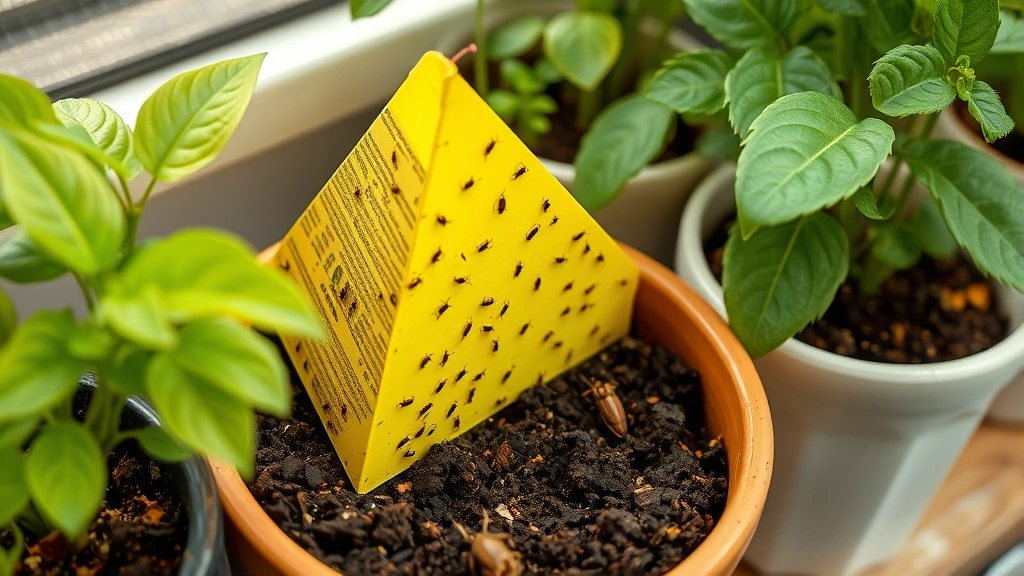
Yellow sticky traps are one of the most effective and completely non-toxic solutions. These traps attract adult gnats with their bright yellow color, and once gnats land on them, they’re stuck. Place several traps in and around affected plants. You’ll be amazed at how many gnats you catch. The primary benefit is that you’re reducing the adult population, which directly decreases egg-laying. Replace traps weekly or when they’re covered with insects. This method works best in combination with other strategies rather than as a standalone solution.
Neem Oil
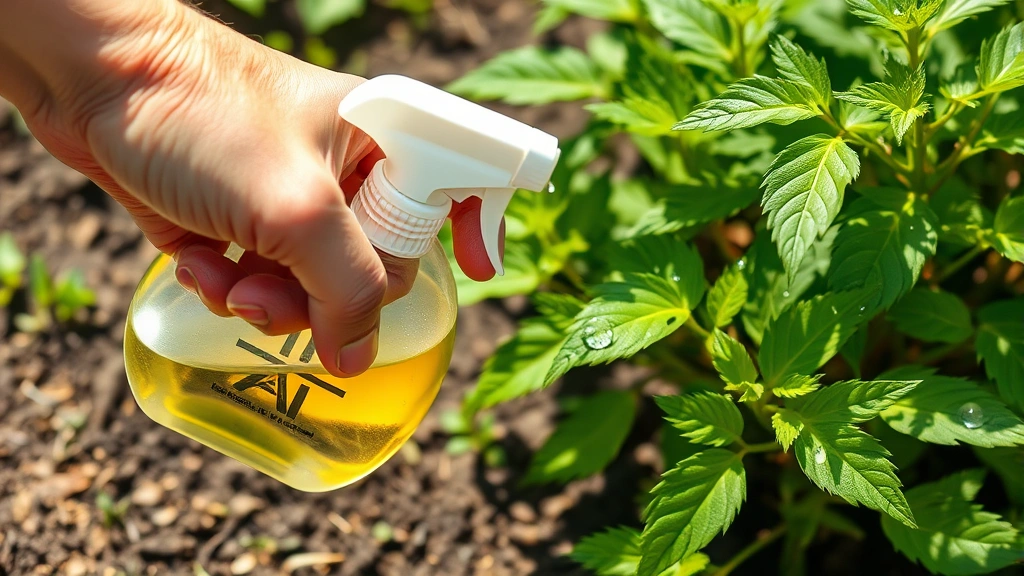
Derived from the neem tree, neem oil is a natural pesticide that disrupts the life cycle of many insects, including gnats. Mix neem oil with water according to package directions and spray it on the soil surface and plant foliage. The key is consistency—spray every 7-10 days for at least three weeks to break the gnat lifecycle. Family Handyman provides detailed guidance on neem oil application, which is worth reviewing before you start.
Hydrogen Peroxide Soil Drench
This is a surprisingly effective natural remedy that many experienced plant parents swear by. Mix one part 3% hydrogen peroxide with four parts water, then water your plants with this solution. The peroxide kills gnat larvae in the soil while also aerating the soil and killing harmful fungi. The peroxide breaks down into water and oxygen, leaving no harmful residue. Apply this treatment once a week for 3-4 weeks. You’ll notice improvement quickly, often within days.
Diatomaceous Earth
Food-grade diatomaceous earth (DE) is a powder that works by damaging the exoskeletons of insects. Sprinkle a thin layer on the soil surface of affected plants. When gnats come into contact with DE, they dehydrate and die. Reapply after watering since moisture reduces effectiveness. This method is safe for pets and children but can be messy in indoor environments.
Insecticidal Soap
Commercially available insecticidal soaps target soft-bodied insects and are relatively safe for indoor use. Spray according to package directions, typically every 5-7 days. These are more effective on adult gnats than larvae, so combine with other methods.
Commercial Systemic Insecticides
For severe infestations, systemic insecticides like those containing imidacloprid are highly effective. These products are absorbed by the plant and poison insects that feed on plant sap. Follow all package directions carefully and use only as directed. Home Depot’s pesticide selection includes various options with detailed instructions if you decide to pursue this route.
The most effective approach typically combines multiple methods: environmental changes (watering adjustment), sticky traps to reduce adult population, and a treatment like hydrogen peroxide or neem oil to target larvae. This multi-pronged approach prevents resistance and addresses the problem from multiple angles.
Plant Care and Maintenance Tips
Beyond gnat control, maintaining overall plant health creates an environment where pests struggle to establish themselves. Healthy plants are naturally more resistant to pest infestations and recover more quickly if problems do occur.
Provide appropriate light. Most houseplants need bright, indirect light. Insufficient light weakens plants and makes them more susceptible to pest damage. Position plants near windows or use grow lights if necessary. Healthy, vigorous plants can often tolerate pest pressure that would devastate weakened specimens.
Maintain consistent temperatures. Most houseplants prefer temperatures between 65-75°F. Fluctuating temperatures stress plants and reduce their ability to fight off pests. Avoid placing plants near heating vents, air conditioning units, or drafty windows.
Monitor humidity levels. While gnats love moisture, most houseplants appreciate some humidity. The key is finding balance—aim for humidity levels between 40-60%. Use a humidifier or grouping plants together to increase local humidity without creating the waterlogged conditions gnats need. A This Old House review of the best humidifiers can help you find equipment that works for your space.
Fertilize appropriately. Use a balanced, water-soluble fertilizer during the growing season. Over-fertilizing creates excessive organic matter in soil and promotes the fungal growth that gnats thrive on. Follow package directions and resist the urge to feed more frequently than recommended.
Repot when necessary. If a plant becomes severely infested, complete soil replacement during repotting is an excellent solution. Remove the plant from its current pot, gently remove as much old soil as possible from the roots, and repot in fresh potting mix. This eliminates most gnat eggs and larvae in one decisive action.
If you’re expanding your plant collection or starting new projects, consider growing plants like garlic in containers, which can be done indoors with proper care and actually has natural pest-repelling properties that may benefit your overall indoor garden ecosystem.
Frequently Asked Questions
How long does it take to get rid of gnats in plants?
With consistent effort, you can see significant improvement within 1-2 weeks. Complete elimination typically takes 3-4 weeks because you need to break the entire gnat lifecycle. The gnat lifecycle from egg to adult is about 3 weeks, so you need at least that long of treatment to eliminate all generations. Patience and consistency are critical—stopping treatment too early allows survivors to restart the infestation.
Can I use regular soil from my garden instead of potting mix?
While it might be tempting to save money, garden soil is not recommended for houseplants. Garden soil is heavier, compacts easily in pots, drains poorly, and often contains pests, diseases, and weed seeds. It’s a false economy that typically results in unhealthy plants and pest problems. Invest in quality potting mix—it’s worth it.
Are gnats in plants dangerous to humans?
Gnats in plants are not dangerous to humans. They don’t bite or transmit diseases to people. However, they’re annoying, they can damage your plants, and they may eventually spread to other areas of your home. More importantly, their presence indicates suboptimal plant care conditions that you should address anyway.
Why do my plants keep getting gnats even after treatment?
If gnats keep returning, you’re likely not addressing the underlying cause—usually overwatering. Treatment eliminates the current infestation, but if you return to the watering habits that created the problem, gnats will return. Additionally, make sure you’re treating long enough to break the lifecycle. Many people stop treatment prematurely, allowing survivors to restart the infestation. Finally, check if new infested plants are being brought into your home.
Can I use coffee grounds or sand on top of soil to prevent gnats?
These methods are often recommended but have mixed results. Coffee grounds can actually make soil more attractive to gnats if they increase moisture retention. Sand or diatomaceous earth on the soil surface can help, but they’re not reliable standalone solutions. Proper watering practices combined with environmental adjustments are far more effective.
Should I throw away severely infested plants?
Not necessarily. Unless the plant is already dying or diseased, it’s worth saving. Complete soil replacement during repotting, combined with environmental adjustments, usually saves even severely infested plants. The only reason to discard a plant is if it’s no longer viable or if you simply don’t want to invest the effort in treatment.
Can gnats spread from plants to other areas of my home?
Yes, gnats can potentially spread beyond plants. If you’re dealing with an extensive gnat problem beyond just your houseplants, you may want to explore broader solutions for managing gnats throughout your entire living space. Understanding the connection between plant gnats and gnats in your house generally can help you address the problem comprehensively.
What’s the best prevention method?
The single most effective prevention method is proper watering technique. Water only when the top inch of soil is dry, ensure pots have drainage holes, and use well-draining potting mix. These three practices eliminate the conditions gnats need to thrive. Everything else—sticky traps, neem oil, etc.—is secondary to these fundamentals.

Related Posts

How Long to Boil Lobster Tails: Cooking Guide

How Long to Fly from New York to London? Travel Times
